CJC-1295 no DAC — also called modified GRF 1-29 — is a synthetic GHRH analog with a short, roughly 30-minute half-life. That short action is the whole point: instead of the days-long growth-hormone elevation produced by the DAC version, the no-DAC form drives brief, sharp GH pulses that rise and fall, then let GH return to a low baseline. The appeal, as community sources frame it, is a pattern that more closely resembles the body's own pulsatile GH secretion, plus tight control over the timing of each pulse.
That timing control is what makes the no-DAC form the preferred GHRH partner for a growth-hormone-releasing peptide (GHRP). Most reported benefits below are not standalone effects of CJC-1295 at all — they emerge from the GHRH-plus-GHRP pairing, and from where each pulse is placed in the day.
Research-context information only. CJC-1295 is a research peptide. Protocols, doses, and reactions reported below come from published research and self-reported community sources. This article reports what has been documented, not what should be done. No human clinical trial has evaluated the no-DAC form specifically — the citations here describe the long-acting form and GHRH pharmacology generally. Consult a licensed physician for personal medical decisions.
How CJC-1295 (No DAC) Works
CJC-1295 binds the GHRH receptor on pituitary somatotropes and stimulates growth-hormone synthesis and release. GH then drives hepatic production of IGF-1, which mediates most of the downstream anabolic, recovery, and body-composition effects associated with the GH axis.
The distinction from the DAC version is pharmacokinetic. The DAC (Drug Affinity Complex) modification binds serum albumin and stretches the half-life to roughly a week, producing continuous receptor stimulation. The no-DAC form lacks that modification, so its ~30-minute half-life produces a discrete pulse and then clears. The published CJC-1295 trials used the long-acting form: Teichman et al. (2006) reported dose-dependent GH increases of 2-to-10-fold and IGF-1 increases of 1.5-to-3-fold in healthy adults, with a favorable tolerability profile (PMID: 16352683). Notably, even under the long-acting form's continuous stimulation, Ionescu and Frohman (2006) found that pulsatile GH secretion was preserved rather than flattened (PMID: 17018654) — a finding often cited to argue the molecule works with, not against, the pituitary's natural rhythm.
Evidence level: Mechanism-based (GHRH pharmacology); no no-DAC trial
This is the differentiator community sources cite most. Natural GH release is pulsatile, with the pituitary quiet between bursts. The short half-life of the no-DAC form reproduces that shape — a pulse that rises and clears — rather than holding GH elevated around the clock. In principle this keeps the low inter-pulse baseline that some researchers consider important for GH signaling, and avoids the constant elevation that has been linked, mechanistically, to insulin resistance.
The supporting evidence is indirect. No trial has measured the no-DAC form's pulse profile in humans; the argument rests on its ~30-minute half-life and the broader GHRH literature. It is a reasonable pharmacological inference, not a demonstrated clinical outcome — a distinction worth keeping in view.
2. GHRH + GHRP Synergy
Evidence level: Mechanism-based; consistent community reports
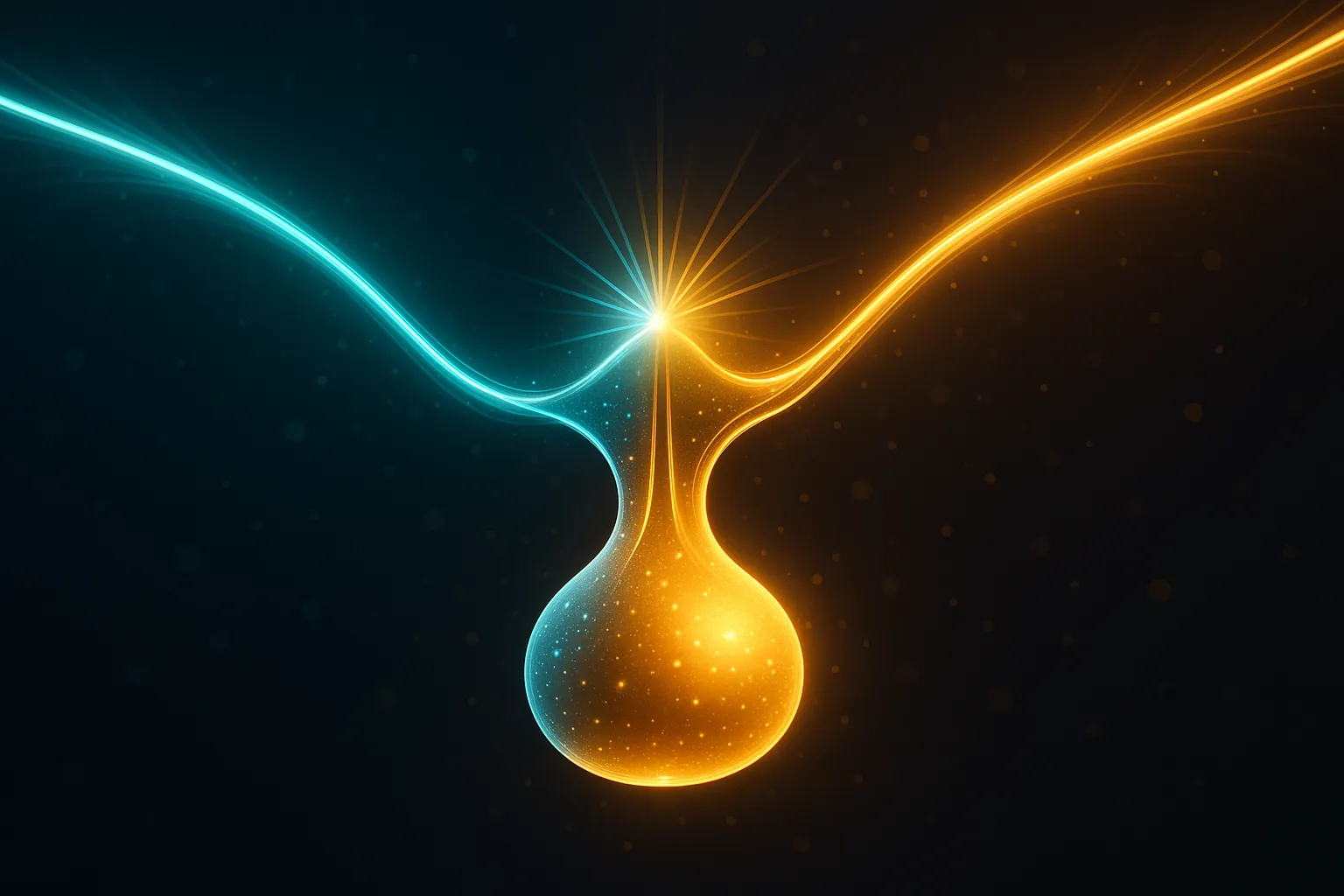
The reason the no-DAC form is rarely run alone: GHRH analogs and GHRPs act through separate receptors and combine supra-additively. CJC-1295 raises the amplitude of the GH pulse at the GHRH receptor, while a GHRP such as ipamorelin triggers release through the ghrelin/GHS receptor and blunts somatostatin's braking effect. Together they produce a larger GH release than either compound reaches on its own.
Community protocols describe a "gold standard" of CJC-1295 no DAC paired with ipamorelin, drawn into one injection before bed, and consistently report standalone CJC-1295 as the weaker half of that pairing. The short half-life matters here too — it lets the GHRH pulse be timed to coincide with the GHRP dose for maximum overlap. For the paired protocol, see the CJC-1295 + Ipamorelin Dosing Guide.
3. Sleep-Aligned GH Amplification
Evidence level: Human data (GH-sleep relationship); community reports
The largest natural GH pulse of the day occurs shortly after sleep onset, during slow-wave sleep. Van Cauter and Plat (1996) documented that roughly 70% of GH secretion during sleep coincides with slow-wave stages (PMID: 8627466). The controllable timing of the no-DAC form is what lets a protocol target that window: a pre-bed, fasted injection is described as amplifying the nocturnal surge rather than adding an out-of-phase pulse.
Improved sleep quality — and vivid dreams, often reported as a marker of increased deep-sleep time — is among the earliest and most consistent effects community sources describe, frequently within the first 1-2 weeks. These are self-reported observations, not trial endpoints, but the underlying GH-sleep relationship is well established.
4. Recovery and Body Composition
Evidence level: Mechanism-based (GH/IGF-1 physiology); community reports
IGF-1, produced in response to GH, activates satellite cells in skeletal muscle, supports collagen and protein synthesis, and drives tissue repair. GH itself is a lipolytic hormone that promotes fatty-acid release and oxidation. The GH/IGF-1 elevation from a GHRH-plus-GHRP protocol is the mechanistic basis for the recovery and body-composition changes community sources report — reduced soreness between sessions, gradual fat loss, and improved muscle definition over 8-12 week cycles.
No study has tested the no-DAC form's effect on recovery or body composition directly, so this benefit rests on GH/IGF-1 physiology plus consistent community reports rather than dedicated data. Reported changes are gradual: community timelines describe recovery improvements around 3-4 weeks and visible body-composition changes at 4-8 weeks, alongside resistance training and adequate protein.
Evidence Summary
Benefit
Evidence level
Basis
Reported timeline
Physiological GH pulse
Mechanism only
~30-min half-life; GHRH pharmacology
n/a
GHRH + GHRP synergy
Mechanism + community
Dual-receptor GH release
Per-pulse
Sleep amplification
Human GH-sleep data + community
Van Cauter & Plat, 1996
1-2 weeks
Recovery / body composition
Mechanism + community
GH/IGF-1 physiology
4-8 weeks
Dosing Context
Community protocols center on 200 mcg subcutaneously before bed, fasted, 5 days on / 2 days off, in 8-week blocks — and almost always alongside a GHRP. Sleep effects are described first; recovery and body-composition changes require consistent use over 8-12 weeks. Full protocols, reconstitution, and cycling: CJC-1295 No DAC Dosing Guide.
Who Should Consider CJC-1295 (No DAC)
Described as a fit for:
Those who want the most physiological, pulsatile GH pattern and are comfortable with daily fasted injections
Users building a timed GHRH-plus-GHRP protocol, where the short half-life allows precise pulse placement
Adults exploring GH-axis-focused wellness protocols who prioritize a natural secretion pattern over injection convenience
Community sources point toward alternatives when:
Minimal injection frequency is the priority — the DAC form's once- or twice-weekly schedule fits better (see CJC-1295 DAC Benefits)
Someone will not commit to daily, timed, fasted injections — standalone results are reported as modest and the protocol is demanding
Elevated IGF-1 is contraindicated, such as with active malignancy
Bac Water Made for Peptides
Don't risk a $300 peptide on generic bac water.
Most cloudy reconstitutions trace back to one thing — and it isn't the peptide. Sterile, non-pyrogenic, 0.9% benzyl alcohol — formulated for peptide reconstitution, not repackaged from generic stock.
✓ 0.9% benzyl alcohol✓ Made for peptides✓ 30 mL multi-dose
What is the main benefit of CJC-1295 no DAC over the DAC version?
A more physiological GH pattern. The ~30-minute half-life produces short, sharp GH pulses that mimic natural secretion and let GH fall back to a low baseline between doses, rather than the sustained elevation of the DAC form. Note that no human trial has tested the no-DAC form specifically — this rationale comes from GHRH pharmacology and the DAC data.
Does CJC-1295 no DAC work on its own?
Community sources consistently describe standalone results as modest. It is almost always paired with a GHRP such as ipamorelin — CJC-1295 raises GH pulse amplitude while the GHRP triggers release through a separate receptor, and the two combined produce more GH than either alone.
How fast do people report benefits from CJC-1295 no DAC?
In community reports, improved sleep quality is usually the first effect noted, often within the first 1-2 weeks. Recovery and body-composition changes are reported more gradually, over 4-8 weeks. No clinical trial has established a timeline for the no-DAC form.
Is there human data for CJC-1295 no DAC specifically?
No. The published CJC-1295 human trials (Teichman 2006, Ionescu 2006) used the long-acting DAC form. Benefits attributed to the no-DAC version are inferred from GHRH-analog pharmacology, the GHRH-plus-GHRP synergy rationale, and self-reported community protocols.
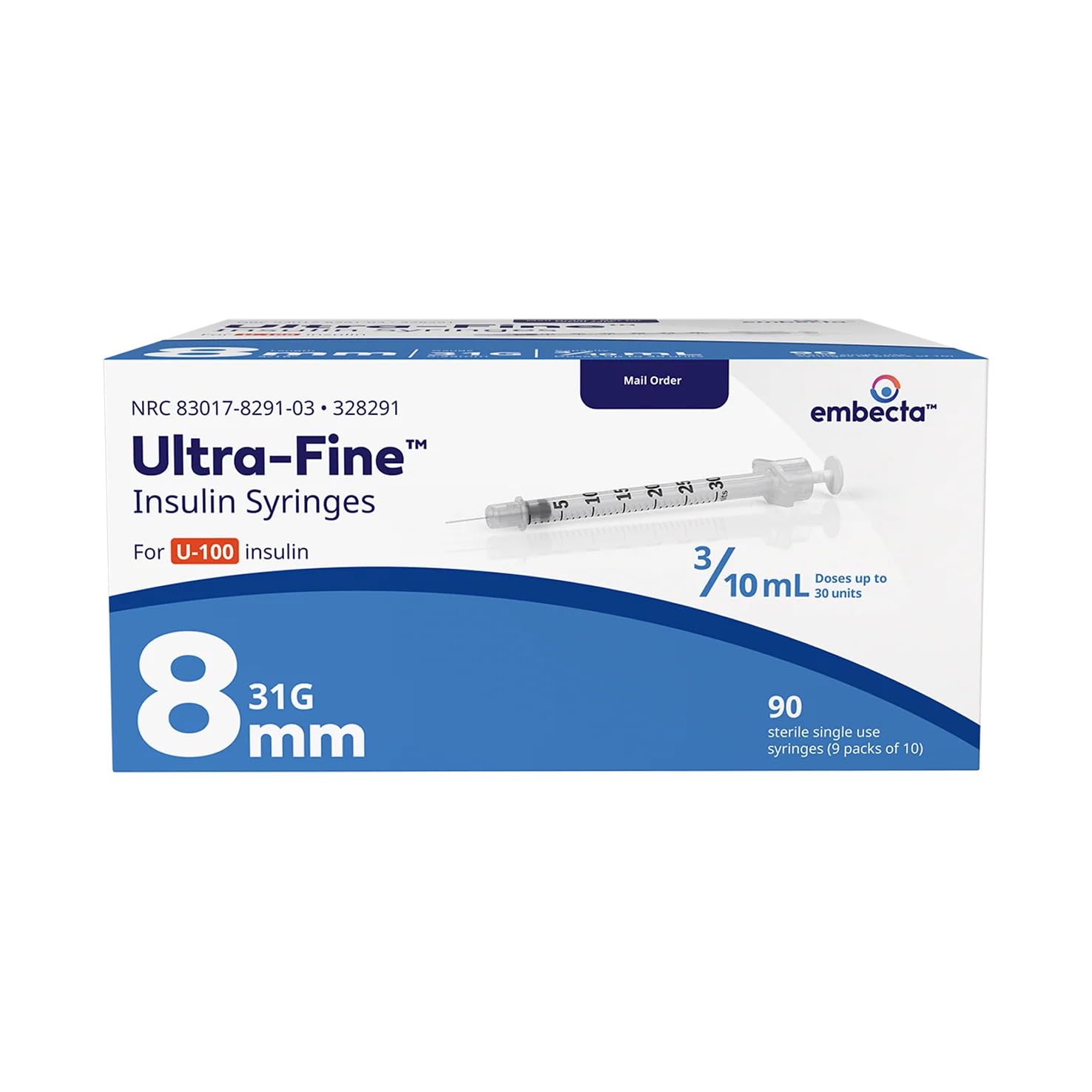
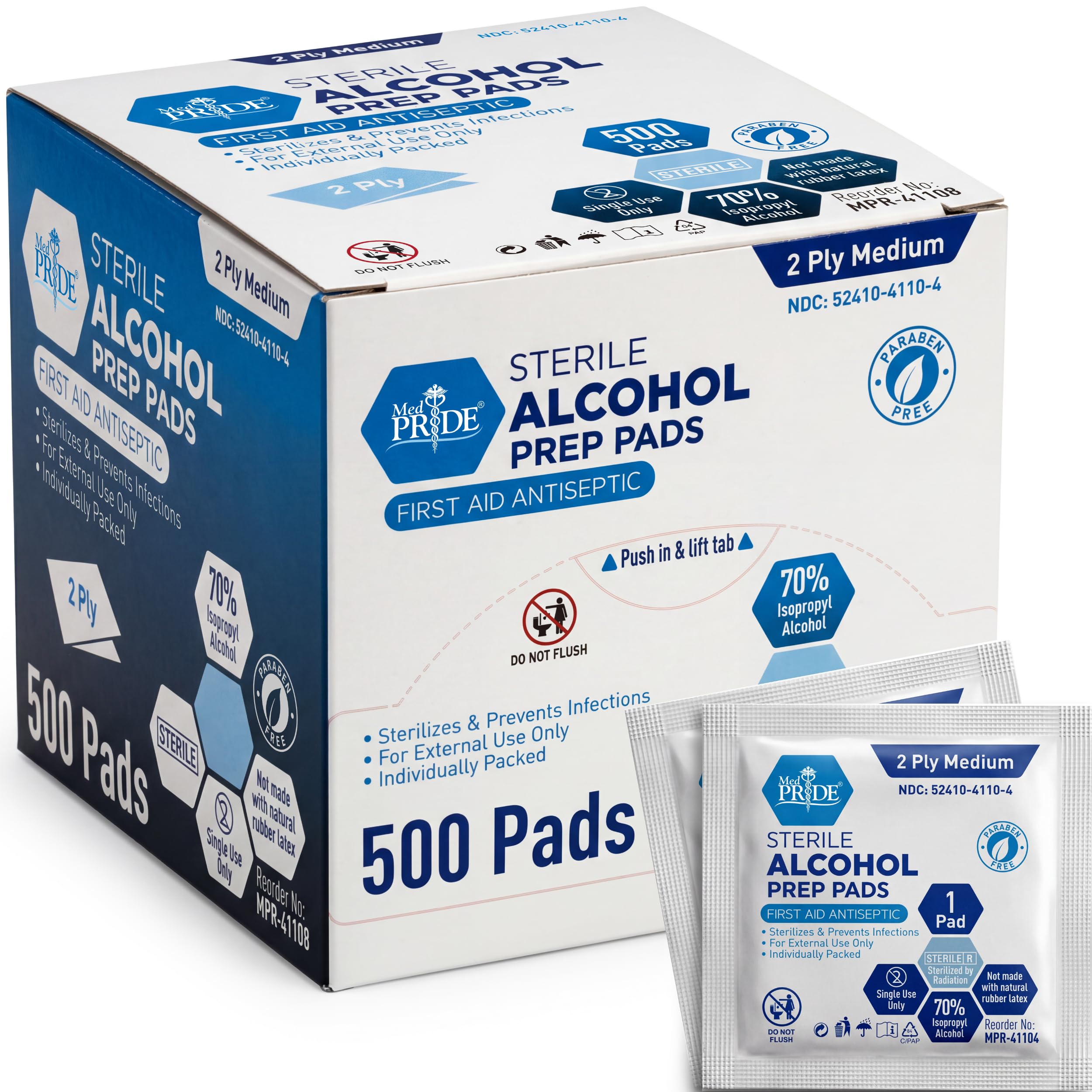
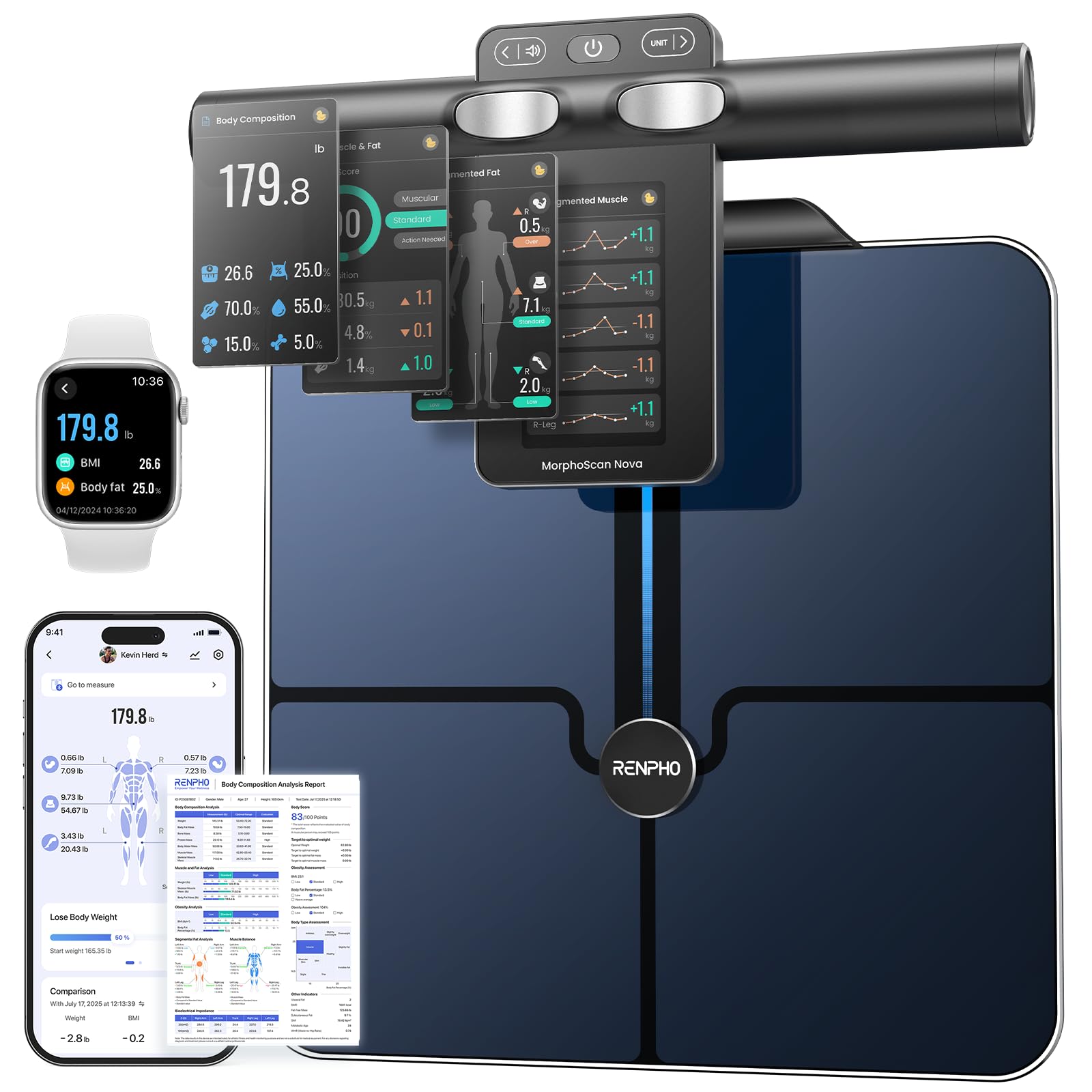
Research Supplies for CJC-1295
Hand-picked storage, injection, and recovery supplies paired with CJC-1295 protocols.
This is not medical advice. CJC-1295 is a research peptide with no FDA approval for therapeutic use, and the no-DAC form has no dedicated human trials. Consult a qualified healthcare provider before use.