Noopept (INN omberacetam, CAS 157115-85-0, also listed under the development codes GVS-111 and SGS-111) is a synthetic dipeptide-derived nootropic — the ethyl ester of N-phenylacetyl-L-prolylglycine — sold as a research chemical in powder and capsule forms. It stands apart from most research nootropics for one reason that matters to a buyer: it is one of the few with actual published human clinical data, and it has a dose that was actually used in trials. This guide is built for sourcing decisions: what forms exist, what a Certificate of Analysis should show, what the trial-derived dose figure means, and the honest evidence context behind the marketing.
A second distinction worth setting up front: Noopept is an orally active small molecule, not an injectable peptide. There is no reconstitution, no bacteriostatic water, and no injection. That changes how it is packaged and how a buyer should evaluate a listing — the handling language used for injectable peptides does not apply here.
Research-context information only. Noopept is a research peptide. Protocols, doses, and reactions reported below come from published research and self-reported community sources. This article reports what has been documented, not what should be done. Consult a licensed physician for personal medical decisions.
Noopept is sold strictly as a research chemical — research use only (RUO), labeled not for human consumption. It is sold by Swiss Chems, a recommended vendor on this site as of 2026-06-11. This guide is not a ranked vendor list; for current offers, see the Best Noopept Vendors comparison. The purpose here is to teach how to evaluate any Noopept listing yourself, with extra weight on the evidence context most competitor pages leave out.
Understanding Noopept Pricing
Noopept is sold as a research chemical — not a supplement, not a compounded medicine, and not an FDA- or EMA-approved drug in Western markets. (It is a registered medicine in Russia for cognitive disorders of vascular and post-traumatic origin, but that human-grade Russian pharmaceutical product is not what Western research-chemical vendors sell.) That distinction shapes pricing: there is no Western pharmacopeial monograph and no regulatory floor on quality, so price tracks form factor, advertised purity, and how much active material is in the package.
Two forms dominate the market:
| Form | Typical packaging | What you're paying for | Notes |
|---|---|---|---|
| Research powder | Bulk powder by mass | Raw research material | Most flexible; the buyer handles measurement. No solvent or reconstitution — it is orally active |
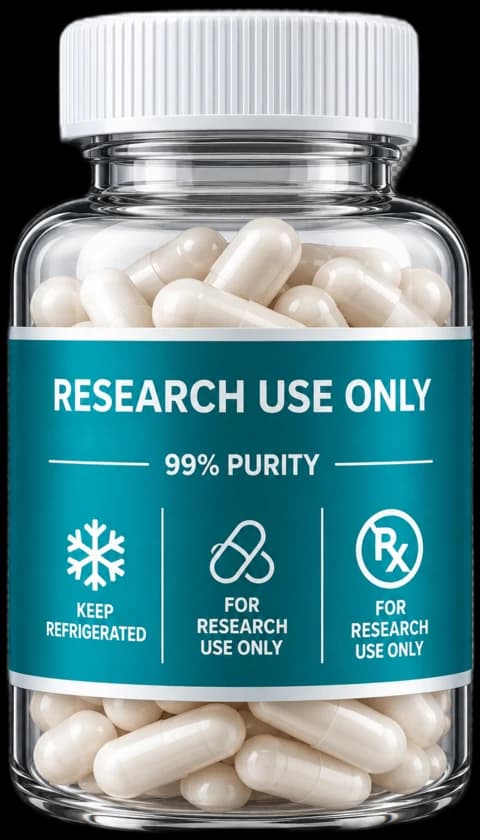
| Capsules | Commonly cited ~20 mg per capsule | Pre-measured convenience | Higher cost per mg than bulk powder; the convenience is the premium. Verify the live per-cap amount — SKUs move |
The pattern across research-chemical pricing is consistent: bulk powder carries the lowest cost per mg, while pre-measured capsules add a convenience premium. Noopept is unusually potent by dose — it is active at tens of milligrams, whereas the older racetam piracetam is dosed in grams. That "roughly 1000x more potent than piracetam" line refers to potency by dose, not to being 1000x more effective. The practical buying consequence is that a given mass of Noopept powder represents a large number of trial-scale 10-20 mg units, so per-mg comparison of the raw material is the cleaner way to compare listings. For current vendor-specific pricing, see the Best Noopept Vendors page.
A note on the dose figure, because it affects how a buyer reads "cost per dose." Unlike many research nootropics, Noopept has a clinically studied dose: Russian trials used 20 mg/day (10 mg twice daily) in mild cognitive impairment and stroke populations (PMID 18697252, 22500312). Community and vendor sources most commonly cite a wider 10-30 mg/day, usually split into 2-3 small doses, with new users often starting around 10 mg. The 20 mg/day figure is trial-derived; the wider spread above it is community/vendor-derived, not trial-validated. There is a real dose here — it is just important to keep the trial figure separate from the anecdotal range.
How to Verify Noopept Quality

With no Western regulatory oversight and no standardized product, the Certificate of Analysis (COA) is the most objective signal a buyer has. Noopept is a small modified dipeptide ester (chemical name N-phenylacetyl-L-prolylglycine ethyl ester, CAS 157115-85-0). Synthesis impurities, incomplete reactions, and mislabeled material are real risks in the research-chemical market, and a COA is what distinguishes a tested batch from an unverified one.
What a COA Should Include
Identity confirmation
- An identity test (e.g. mass spectrometry) confirming the compound matches omberacetam / CAS 157115-85-0
- Confirmation that the material is Noopept specifically, not a generic "racetam" assay
Purity testing
- HPLC purity — reputable listings commonly claim ~98% or higher
- An HPLC chromatogram showing a single dominant peak, not a cluster of unresolved peaks
Contamination testing
- Residual solvent analysis where the supplier provides it
- Heavy metals screening where the supplier provides it
How to Verify a COA Is Legitimate
- Match the batch. The lot/batch number on the COA should match the number on the container you receive — not just "a" COA for the product line.
- Check the date. A COA should be recent and tied to the production run being purchased, not a years-old generic certificate.
- Identify the lab. Independent third-party lab COAs carry more weight than in-house-only documents. A named lab that can be looked up is a better signal than an unsigned PDF.
- Read the chromatogram, not just the headline number. A "98%" claim with no attached HPLC trace is just a number. The trace should show one dominant peak.
- Confirm the compound identity. The COA should test for Noopept specifically (correct mass, correct CAS), not a generic assay.
Red Flags to Avoid
- No COA available, or a COA that won't load / is image-only with no lab name
- Batch numbers that don't match between COA and container
- Purity claimed with no supporting HPLC chromatogram
- Marketing that presents a "long half-life" as established fact — rat pharmacokinetic work found Noopept and its active metabolite clear quickly (the metabolite's terminal half-life is on the order of minutes, not days, PMID 30378564), so durable-effect claims are attributed to downstream signaling, not a long-circulating compound
- Human dosing instructions or therapeutic claims on the listing — a tell that the seller is ignoring RUO rules
- Injectable Noopept listings or reconstitution instructions — Noopept is orally active and is not an injectable peptide; that framing is a red flag
A clean COA verifies that the powder is what the label says. It does not verify that Noopept is safe for long-term use in healthy people — no such database exists, which is an important thing for a buyer to understand even given the compound's comparatively strong evidence base.