|All Peptides

5-Amino-1MQ

A fat loss compound that blocks the NNMT enzyme to boost metabolism. 5-Amino-1MQ is a small molecule that inhibits NNMT (nicotinamide N-methyltransferase), an enzyme linked to fat accumulation and metabolic dysfunction. By blocking NNMT, it may increase NAD+ levels, boost cellular energy, promote fat loss, and support metabolic health. Studied for obesity, type 2 diabetes, and longevity applications.

Compare Prices
๐ŸงฌKey Characteristics
  • Type: Small molecule
    (Not a peptide, but a quinolinium derivative.)
  • Target: NNMT enzyme
    (Blocks nicotinamide N-methyltransferase.)
  • Effect: NAD+ increase
    (May boost cellular energy metabolism.)
  • Administration: Oral/Injectable
    (Small molecule allows oral dosing.)
Mechanism
Inhibits NNMT โ†’ Increases NAD+ โ†’ Activates SIRT1 โ†’ Enhances fat oxidation
NNMT is overexpressed in white adipose tissue and liver during obesity. By inhibiting NNMT, 5-Amino-1MQ may restore NAD+ levels and activate sirtuins for metabolic benefits.
Key takeaway: 5-Amino-1MQ targets a novel pathway for fat loss by inhibiting NNMT, potentially increasing NAD+ and improving metabolic health without the typical mechanisms of other fat loss compounds.

Overview

Core Benefits

Key Advantages
NNMT inhibition
Blocks nicotinamide N-methyltransferase, an enzyme linked to fat accumulation.
NAD+ boost
May increase cellular NAD+ levels for improved energy metabolism.
Fat loss support
Research suggests potential for reducing white adipose tissue.
Metabolic health
Studied for improving insulin sensitivity and metabolic markers.
Small molecule
Not a peptide โ€” a small molecule with oral bioavailability potential.
Longevity research
NAD+ pathway connections make it relevant to aging research.

These are educational summaries of commonly discussed effects in wellness/regenerative contexts, not guarantees.

5-Amino-1MQ Results Timeline

Progression
1
Week 1โ€“2
Physical Changes
Metabolic activation begins, possible appetite changes
Performance & Recovery
Increased energy levels, improved focus
Other Benefits
Oral dosing โ€” no injections required
2
Week 3โ€“6
Physical Changes
Early fat mobilization, subtle weight changes
Performance & Recovery
Sustained energy, reduced fatigue
Other Benefits
Appetite suppression (tesofensine) or metabolic shift (5-amino-1mq)
3
Month 2โ€“3
Physical Changes
Visible fat loss, improved body composition
Performance & Recovery
Consistent energy throughout the day
Other Benefits
Metabolic benefits accumulating
4
3+ Months
Physical Changes
Significant fat reduction with proper diet
Performance & Recovery
Sustained metabolic improvements
Other Benefits
Best results combined with diet and exercise

Timeline is illustrative and non-guaranteed. Outcomes vary and are commonly discussed alongside training, nutrition, sleep, and cycling practices.

How It Works

Small Molecule โ€” NNMT Inhibitor (Not a Peptide)

Enzyme Target โ†’ NAD+ Preservation โ†’ Fat Metabolism โ†’ Outcomes

๐ŸŽฏ
Target

NNMT (Nicotinamide N-Methyltransferase)

5-Amino-1MQ inhibits NNMT, an enzyme that increases in fat tissue and contributes to metabolic dysfunction. NNMT degrades SAM (S-adenosylmethionine) and depletes NAD+ โ€” blocking it preserves these critical metabolic cofactors.

โšก
Cellular Signal

NNMT Inhibition โ†’ NAD+ Preservation + SAM Protection

By blocking NNMT, 5-Amino-1MQ preserves NAD+ levels (critical for cellular energy production) and SAM (needed for methylation reactions). This shifts cellular metabolism toward fat oxidation and away from fat storage, particularly in adipose tissue.

๐Ÿ”„
Systemic Effect

Enhanced Fat Metabolism + Cellular Energy

Reduced fat accumulation, enhanced fat oxidation, and improved cellular energy production through preserved NAD+. May also reduce inflammation in fat tissue. Orally bioavailable โ€” no injection required.

โœ…
What You Notice

Gradual Fat Loss โ†’ Improved Energy โ†’ Metabolic Health

Effects are gradual โ€” fat loss and metabolic improvements over weeks. More subtle than GLP-1 agonists but works through a completely different mechanism. Can be combined with other fat-loss approaches for complementary effects.

What Makes This Peptide Different

5-Amino-1MQ is not a peptide โ€” it's a small molecule that inhibits NNMT. Its unique mechanism (preserving NAD+ and SAM) complements rather than overlaps with GLP-1 agonists or GH peptides. Oral bioavailability means no injections. The NAD+-preserving effect may have broader longevity implications beyond fat loss.

Dosing Protocol

Fat Loss / Metabolic Health

Educational reference only. Individual responses vary. Consult healthcare provider before use.

Vial Size
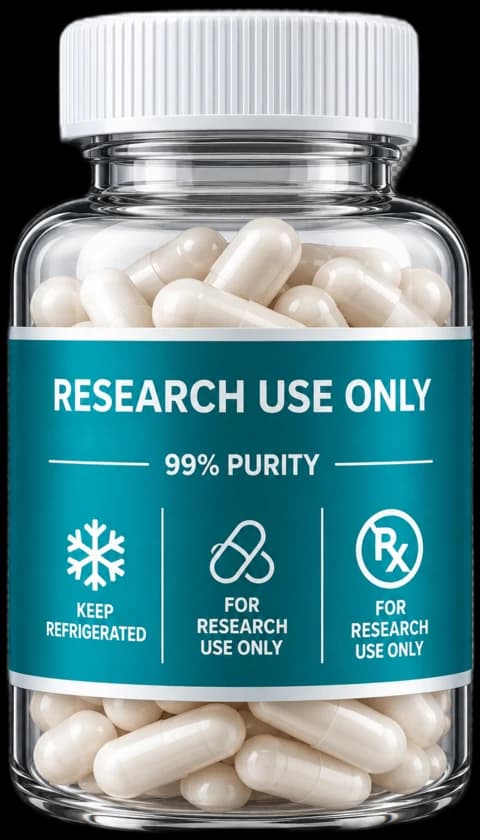
50 mg (capsules) or injectable
Reconstitution
Oral: N/A | Injectable: 2 ml BAC water
Dose
50-100 mg (oral) or 25-50 mg (injectable)
Timing
AM
Frequency
Daily
Duration
8 weeks on, 4 weeks off
Protocol Notes
Small molecule NNMT inhibitor, not a peptide. Oral bioavailability makes capsules convenient. May boost NAD+ levels.

Why This Dosing Protocol

Why oral? 5-Amino-1MQ has good oral bioavailability as a small molecule. Capsules are the standard delivery method. Injectable versions exist but aren't necessary for most.

Why morning? Aligning with the body's active metabolic period. Supports fat oxidation throughout the day.

Looking for medical guidance?

Join the waitlist for doctor-guided peptide plans. We'll notify you when telehealth consultations are available in your state.

FAQ

Is 5-Amino-1MQ actually a peptide?

No, 5-Amino-1MQ is technically a small molecule, not a peptide. It's a methylquinolinium derivative that inhibits the NNMT enzyme. However, it's commonly discussed alongside peptides because it's sold through similar research chemical channels and targets metabolic pathways relevant to the peptide community.

How does 5-Amino-1MQ differ from other fat loss compounds?

Unlike stimulant-based fat burners or thyroid modulators, 5-Amino-1MQ works by inhibiting NNMT (nicotinamide N-methyltransferase), an enzyme that's overexpressed in fat tissue. This unique mechanism may increase NAD+ levels and activate sirtuins, potentially improving metabolic health rather than just increasing calorie burn. It doesn't typically cause jitteriness or affect heart rate like stimulants.

What is NNMT and why does inhibiting it matter?

NNMT (nicotinamide N-methyltransferase) is an enzyme that becomes overactive in obesity. It consumes NAD+ precursors, which can deplete cellular energy metabolism. By inhibiting NNMT, 5-Amino-1MQ may help restore NAD+ levels, activate longevity-related sirtuins, reduce fat accumulation, and improve insulin sensitivity. NNMT is particularly elevated in visceral fat and liver tissue.

Can 5-Amino-1MQ be taken orally?

Yes, one advantage of 5-Amino-1MQ being a small molecule rather than a peptide is that it has oral bioavailability. Unlike most peptides which require injection, 5-Amino-1MQ can potentially be absorbed through the digestive system, making it more convenient for research applications.

How does 5-Amino-1MQ relate to NAD+ and longevity research?

5-Amino-1MQ connects to longevity research through the NAD+ pathway. By inhibiting NNMT, it may preserve NAD+ levels, which naturally decline with age. NAD+ is essential for sirtuins (like SIRT1) which regulate metabolism, cellular repair, and aging processes. This makes 5-Amino-1MQ relevant to both metabolic health and anti-aging research.

Scientific Sources

The following peer-reviewed studies and official resources provide additional scientific context for this peptide:

Disclosure: we may earn affiliate commission from qualifying purchases. Educational information only โ€” not medical advice.