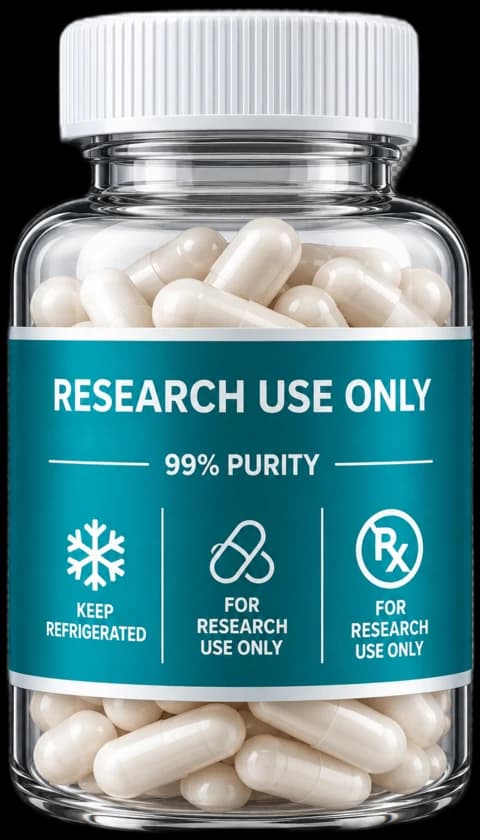

Tesofensine
A weight loss compound for powerful appetite suppression and fat burning. Tesofensine is a serotonin-noradrenaline-dopamine reuptake inhibitor (SNDRI) originally developed for Parkinson's and Alzheimer's disease. Phase 2 trials showed remarkable weight loss of up to 12.8% over 6 months — more than double most approved obesity drugs. Works by reducing appetite and increasing satiety through triple monoamine reuptake inhibition.
Compare Prices🧬Key Characteristics
- Type: Small Molecule (SNDRI)(Serotonin-Norepinephrine-Dopamine Reuptake Inhibitor)
- Molecular Weight: ~384 Da(Small molecule, not a peptide)
- Administration: Oral (capsule)(No injection required)
- Half-Life: ~200+ hours(Once-daily dosing)
Overview
Core Benefits
Key AdvantagesThese are educational summaries of commonly discussed effects in wellness/regenerative contexts, not guarantees.
Tesofensine Results Timeline
ProgressionTimeline is illustrative and non-guaranteed. Outcomes vary and are commonly discussed alongside training, nutrition, sleep, and cycling practices.
How It Works
Small Molecule — Triple Monoamine Reuptake Inhibitor (Not a Peptide)Transporter Inhibition → Neurotransmitter Increase → Appetite Control → Outcomes
Serotonin, Norepinephrine, Dopamine Transporters
Tesofensine inhibits reuptake of three neurotransmitters: serotonin (satiety), norepinephrine (energy expenditure), and dopamine (reward/motivation). This triple action reduces appetite while increasing energy expenditure and reducing food cravings.
Increased Synaptic Monoamines → Central Appetite Control
By blocking reuptake, tesofensine increases the availability of all three monoamines in the brain. Serotonin reduces hunger. Norepinephrine increases thermogenesis. Dopamine reduces food-seeking behavior and cravings. The triple mechanism creates powerful appetite suppression.
Strong Appetite Suppression + Increased Energy Expenditure
Clinical trials showed ~10-13% body weight loss at 0.5mg dose — significant for a non-GLP-1 agent. Increased resting metabolic rate. The dual "eat less + burn more" effect is similar conceptually to retatrutide but via different mechanisms.
Reduced Appetite + More Energy → Weight Loss
Noticeable appetite reduction within days. Increased energy and alertness (norepinephrine effect). Reduced food cravings (dopamine effect). Potential side effects: increased heart rate, elevated blood pressure, insomnia — cardiovascular monitoring is important.
What Makes This Peptide Different
Tesofensine is not a peptide — it's a centrally-acting monoamine reuptake inhibitor originally developed for Parkinson's and Alzheimer's. The weight-loss effect was discovered as a side effect. Unlike GLP-1 agonists (gut/pancreas), tesofensine works entirely in the brain. Requires cardiovascular monitoring due to heart rate and blood pressure effects.
Dosing Protocol
Weight Loss / Appetite ControlEducational reference only. Individual responses vary. Consult healthcare provider before use.
Why This Dosing Protocol
Why morning? The norepinephrine and dopamine effects are stimulating. Morning dosing avoids insomnia.
Why 0.25-0.5mg? Clinical trials tested 0.25mg, 0.5mg, and 1.0mg. The 0.5mg dose had the best efficacy-to-side-effect ratio. Higher doses increased heart rate and blood pressure concerns.
Diagrams
Hover for preview • Click to open full sizeTesofensine Pricing
We surface in-stock offers first and normalize by price per mg for quick comparisons.
Out of stock (1)
Looking for medical guidance?
Join the waitlist for doctor-guided peptide plans. We'll notify you when telehealth consultations are available in your state.
FAQ
Is tesofensine a peptide?
No, tesofensine is not a peptide. It's a small molecule drug that acts as a serotonin-noradrenaline-dopamine reuptake inhibitor (SNDRI). It was originally developed for neurological conditions like Parkinson's and Alzheimer's disease before its weight loss effects were discovered during clinical trials.
How does tesofensine work for weight loss?
Tesofensine inhibits the reuptake of three neurotransmitters: serotonin, norepinephrine, and dopamine. This triple action reduces appetite, increases feelings of fullness (satiety), and may slightly increase energy expenditure. The combined effect on these three monoamines makes it more effective than single-target appetite suppressants.
What weight loss results were seen in tesofensine trials?
Phase 2 clinical trials showed remarkable results: participants lost an average of 12.8% of body weight at the 0.5mg dose over 6 months, compared to about 2% for placebo. This is more than double what most approved obesity medications achieve, making tesofensine one of the most effective weight loss compounds studied.
Why isn't tesofensine FDA approved yet?
Tesofensine showed dose-dependent increases in heart rate and blood pressure in trials, which raised cardiovascular safety concerns. The FDA requires extensive cardiovascular outcome studies for obesity drugs. Phase 3 trials are ongoing with careful monitoring of these parameters. The risk-benefit profile is still being evaluated.
What are the potential side effects of tesofensine?
Common side effects observed in trials include dry mouth, constipation, insomnia, and headache. More concerning effects include increased heart rate (tachycardia) and elevated blood pressure. These cardiovascular effects are dose-dependent and require monitoring. Mood changes are also possible due to its effects on dopamine and serotonin.
Scientific Sources
The following peer-reviewed studies and official resources provide additional scientific context for this peptide:
Disclosure: we may earn affiliate commission from qualifying purchases. Educational information only — not medical advice.

