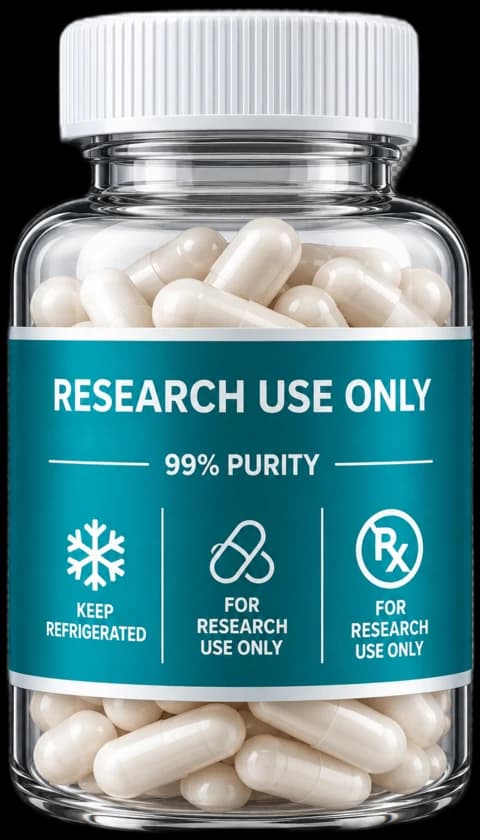
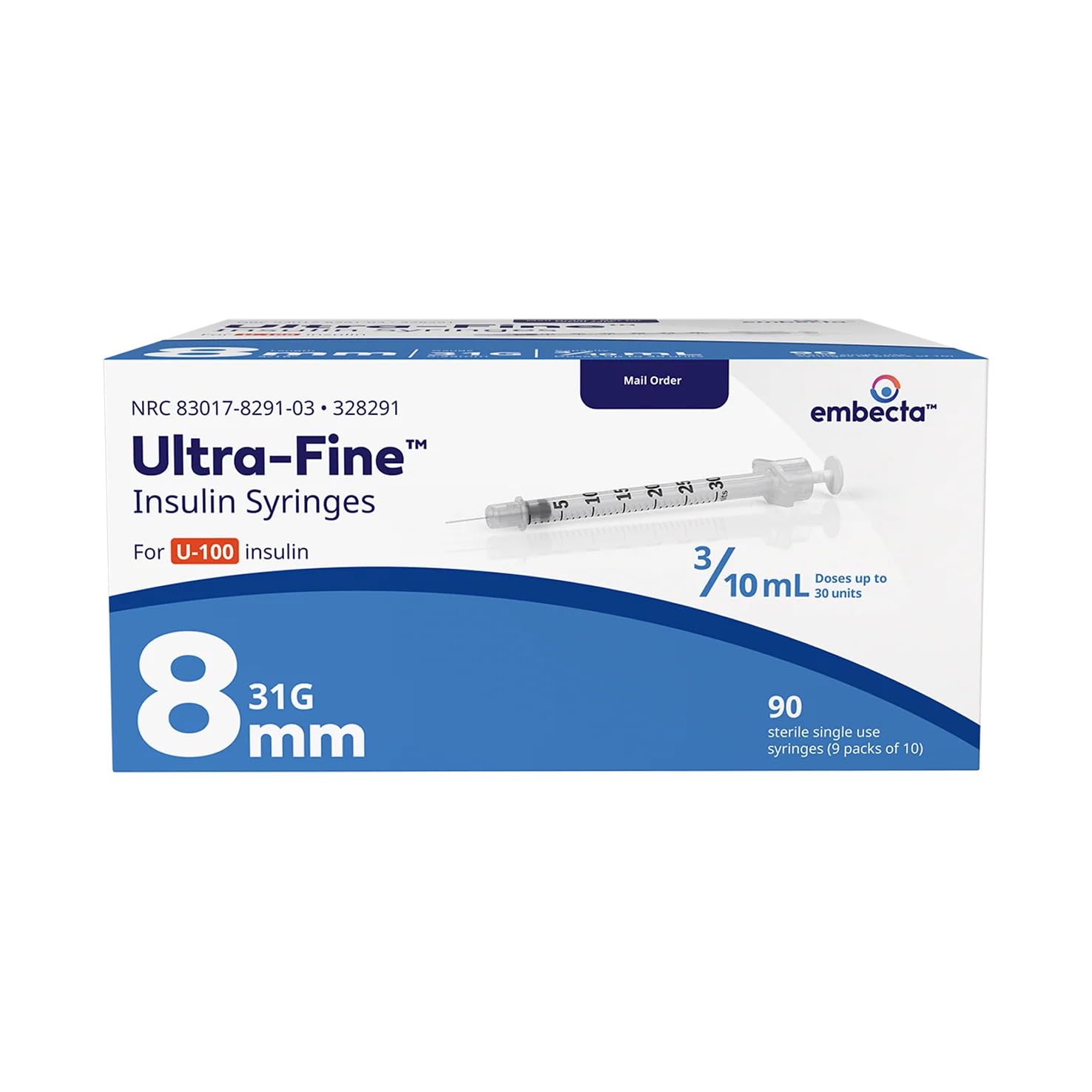
AHK-Cu is a copper-binding tripeptide used topically rather than by injection. The research powder — alanine-histidine-lysine complexed with copper(II) — is reconstituted into a serum and applied to the scalp or skin, often alongside microneedling. This makes "dosing" a question of concentration and application frequency, not injected milligrams.
The honest framing matters here: AHK-Cu has no established human dosing protocol. The most-cited study (Pyo et al. 2007, PMID 17703734) tested AHK-Cu on isolated human hair follicles and dermal papilla cells in culture at picomolar-to-nanomolar concentrations — not as a topical product on people. So the numbers below come from self-reported community formulations and from the lesser sibling relationship to GHK-Cu, not from clinical dose-finding. They're reported as what community sources describe, not as instructions.
Research-context information only. AHK-Cu is a research peptide. Protocols, doses, and reactions reported below come from published research and self-reported community sources. This article reports what has been documented, not what should be done. Consult a licensed physician for personal medical decisions.
Quick Reference: Protocol
Community-reported AHK-Cu use centers on a topical serum applied to the scalp (for hair interest) or skin (for the copper-peptide skin properties extrapolated from GHK-Cu). The recurring elements in self-reported formulations:
- Format: lyophilized research powder reconstituted into an aqueous serum, not an injectable.
- Concentration: community-reported topical serums commonly fall in the ~1-2 mg/mL range (roughly 0.1-0.2%), described for daily scalp application.
- Frequency: once or twice daily application is the most common self-reported cadence.
- Penetration aid: some community protocols pair application with microneedling, drawn from microneedling's documented role in androgenetic-alopecia studies (Dhurat et al. 2013, PMID 23960389) rather than from AHK-Cu trials specifically.
These are descriptive of what community sources document, not a recommended regimen. No controlled human trial has validated a topical AHK-Cu concentration or schedule.
Routes of Administration
AHK-Cu's route in community use is topical only. Ion Peptide, a recommended vendor we track, sells it as research powder, and community practice is to dissolve that powder into a serum for scalp or skin application. There is no community injection protocol for AHK-Cu, and this guide does not describe one.
Topical copper-peptide delivery has a documented limitation worth stating plainly: the skin barrier limits how much of a peptide reaches the dermis. This is why community protocols sometimes combine AHK-Cu serum with microneedling. The microneedling evidence base is for delivering established hair compounds — a randomized pilot of microneedling plus minoxidil (PMID 23960389) reported greater hair-count change than minoxidil alone, and a 2025 study of copper-peptide microneedling for androgenetic alopecia (PMID 40225275) reported measurable regrowth — neither study tested AHK-Cu as a standalone topical. The penetration rationale is borrowed, not AHK-Cu-specific.
Reconstitution Quick Reference
Because AHK-Cu is prepared as a topical serum, "reconstitution" here means dissolving the dry powder into a carrier to reach a target concentration, not drawing units for injection. The table below illustrates how community-reported concentrations map to a finished serum. These are illustrative figures derived from community formulation reports, not a clinical protocol.
| Powder amount | Carrier volume | Resulting concentration | Notes (community-reported) |
|---|---|---|---|
| 50 mg | 50 mL | ~1 mg/mL (~0.1%) | A commonly described starting serum strength |
| 50 mg | 25 mL | ~2 mg/mL (~0.2%) | Upper end of the common DIY range |
| 100 mg | 50 mL | ~2 mg/mL (~0.2%) | Larger batch at the same strength |
A finished copper-peptide serum is light- and oxidation-sensitive and is generally kept refrigerated and used within a short window; community sources typically mix small batches rather than large ones. The carrier and any preservatives are part of the formulation question and vary across self-reported recipes.