GHK-Cu (glycyl-L-histidyl-L-lysine copper complex) is unlike most peptides on this site. It occurs naturally in human plasma, declining from ~200 ng/mL in young adults to ~80 ng/mL with age. That natural decline — and the broad gene expression changes it drives — is the foundation for its therapeutic interest.
Research-context information only. GHK-Cu is a research peptide. Protocols, doses, and reactions reported below come from published research and self-reported community sources. This article reports what has been documented, not what should be done. Consult a licensed physician for personal medical decisions.
This article ranks each benefit by evidence quality. Topical and injectable evidence levels are noted separately where they differ.
How GHK-Cu Works
GHK-Cu is a tripeptide-copper complex that functions through multiple copper-dependent pathways. The copper component is essential — it activates lysyl oxidase and lysyl hydroxylase, key enzymes for collagen cross-linking and stabilization.
What sets GHK-Cu apart from other peptides is the scale of its biological activity. Gene expression studies show it modulates over 4,000 human genes, with particular effects on tissue repair, antioxidant defense, and inflammatory regulation (Pickart et al., 2018).
GHK-Cu works through both direct enzymatic pathways (copper-dependent tissue remodeling) and gene expression modulation (turning repair genes on and inflammatory genes off). This dual mechanism explains its unusually broad range of effects.
For dosing protocols, see our GHK-Cu Dosing Guide.
1. Collagen and Elastin Synthesis (Strong Evidence — Human/In Vitro)
This is GHK-Cu's best-documented effect and the basis for decades of cosmetic and clinical use.
GHK-Cu directly stimulates fibroblasts to produce collagen types I and III, plus elastin. The copper ion activates lysyl oxidase, the enzyme responsible for collagen cross-linking — the step that gives connective tissue its structural integrity (Pickart, 2008).
The original landmark study by Maquart et al. demonstrated that GHK-Cu at nanomolar concentrations significantly increased collagen synthesis in fibroblast cultures — roughly double the rate of non-collagen protein synthesis, indicating a selective effect on structural protein production (Maquart et al., 1988).
Topical formulations (0.1-1%) have shown improvements in skin firmness, fine lines, and clarity in multiple cosmetic studies. The evidence for topical collagen benefits is among the strongest of any peptide on this site.
2. Wound Healing Acceleration (Strong Evidence — Human/Animal)
GHK-Cu accelerates multiple phases of wound repair simultaneously.
In wound healing studies, GHK-Cu treatment increased total protein content, collagen deposition, glycosaminoglycan accumulation, and DNA synthesis in healing tissue. The effect is concentration-dependent and involves recruitment of macrophages, mast cells, and capillary endothelial cells to the wound site (Pickart et al., 2015).
Clinical wound dressings incorporating GHK-Cu have demonstrated accelerated healing compared to controls. The mechanism involves both direct structural protein synthesis and angiogenesis (new blood vessel formation), which is critical for delivering oxygen and nutrients to healing tissue.
Evidence level: This benefit has both in vitro mechanistic data and clinical wound care applications, making it one of the most well-supported GHK-Cu effects.
3. Anti-Inflammatory Gene Modulation (Strong Evidence — Gene Expression Studies)
GHK-Cu's anti-inflammatory effects operate at the gene expression level rather than through traditional anti-inflammatory pathways.
Gene profiling studies show GHK-Cu suppresses expression of pro-inflammatory genes including multiple interleukins, TNF-related genes, and NF-kB pathway components. Simultaneously, it upregulates anti-inflammatory and tissue-protective gene sets (Pickart et al., 2018).
The practical implication: GHK-Cu does not just block inflammation temporarily (like NSAIDs). It shifts the gene expression profile toward a repair-oriented, anti-inflammatory state. This is particularly relevant for chronic low-grade inflammation associated with aging.
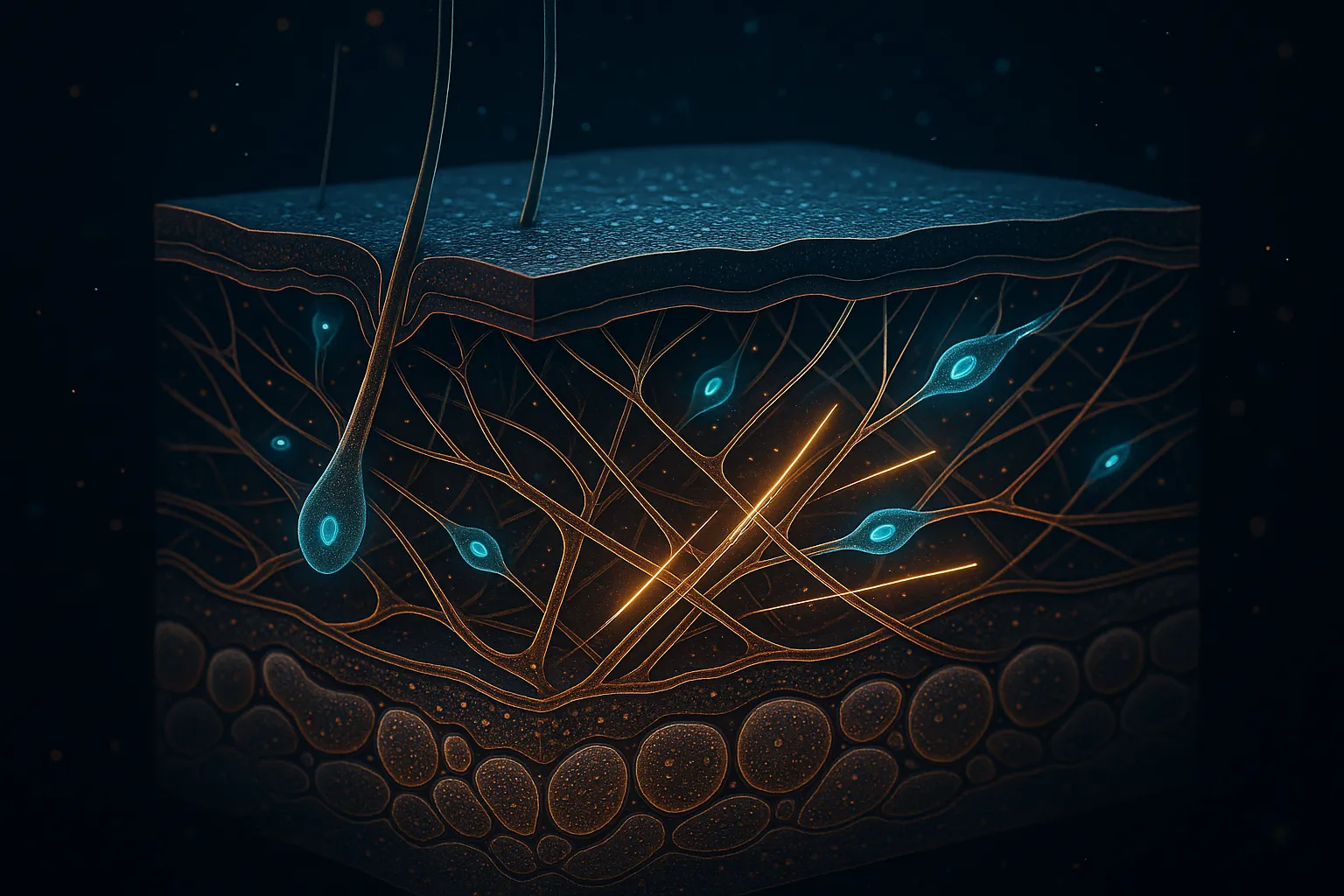
The effect on over 4,000 genes makes GHK-Cu one of the broadest-acting peptides studied. The gene expression changes trend toward a younger, healthier pattern, which is the foundation for its anti-aging applications.
4. Antioxidant Defense Enhancement (Strong Evidence — In Vitro/Animal)
GHK-Cu does double duty as an antioxidant — it functions as a direct antioxidant and activates the body's own antioxidant enzyme systems.
It upregulates superoxide dismutase (SOD), catalase, and glutathione peroxidase — the three primary endogenous antioxidant enzymes. This is more meaningful than supplemental antioxidants because it enhances the body's own defense system rather than adding external molecules that may not reach target tissues (Pickart et al., 2012).
The copper component is integral. Copper is a cofactor for Cu/Zn-SOD, one of the most important antioxidant enzymes. By delivering copper in bioavailable form directly to cells, GHK-Cu supports antioxidant enzyme function at the source.
5. Hair Growth Stimulation (Moderate Evidence — In Vitro/Animal)
GHK-Cu shows promising hair growth effects through multiple mechanisms, though large-scale human trials are still missing.
Tripeptide-copper complex stimulated human hair follicle elongation ex vivo and proliferation of dermal papilla cells (DPCs) in vitro. The growth-promoting effect appears to involve both stimulation of proliferation and prevention of apoptosis in DPCs — the cells that control hair follicle cycling (Pyo et al., 2007).
A separate study demonstrated that copper-free GHK increases stemness and proliferative potential of basal epidermal cells, with increased integrin expression suggesting enhanced stem cell activity (Badenhorst et al., 2012).
Topical scalp treatments with GHK-Cu (0.1-0.3%) are widely used in the hair restoration community. Anecdotal results are encouraging, but controlled clinical trials specifically for hair growth remain limited.
Ready to buy? Compare verified vendors on our best GHK-Cu sources page, or browse all coupon codes for up to 50% off.