BPC-157 Benefits: What Research Shows (2026)
BPC-157 benefits guide with gut healing, tendon repair, neuroprotection, cardiovascular effects, and cited research.
BPC-157 (Body Protection Compound-157) is a 15-amino-acid peptide derived from a protective protein found in human gastric juice. It's one of the most studied healing peptides in preclinical research — with over 100 published studies across gut, tendon, muscle, nerve, bone, and vascular injury models.
This guide covers what the research actually shows. Every benefit is linked to published data. No hype, no miracle claims — just the science.

Table of Contents
- What Is BPC-157?
- Research Benefits Overview
- GI Healing
- Tendon & Ligament Repair
- Muscle Healing
- Neuroprotection
- Bone Healing
- Vascular & Cardiovascular Effects
- Anti-Inflammatory Mechanisms
- What BPC-157 Does NOT Do
- Frequently Asked Questions
- References
What Is BPC-157?
BPC-157 is a synthetic peptide based on a sequence found in human gastric juice — specifically a fragment of the protein known as Body Protection Compound. Unlike most peptides used in research, BPC-157 is stable in gastric acid, which is unusual for a peptide and relevant to its oral bioavailability in animal models (Sikiric et al., 2018).
Its mechanisms are broad. BPC-157 modulates the nitric oxide (NO) system, upregulates growth factor receptors (including VEGF, EGF, and their receptors), interacts with the dopaminergic system, and influences the FAK-paxillin pathway involved in cell migration and tissue remodeling (Seiwerth et al., 2018).
BPC-157 is distinct from structural repair peptides like TB-500 (which works primarily through actin remodeling) or immune-modulating peptides like Thymosin Alpha-1. Its strength is systemic cytoprotection — it protects and repairs tissue across multiple organ systems simultaneously.
For dosing protocols and reconstitution details, see our BPC-157 Dosing Guide.
Research Benefits Overview
| Research Area | Key Finding | Primary Source |
|---|---|---|
| Gastric ulcers | Accelerated healing, protection against NSAID damage | Sikiric et al., 1993 |
| Inflammatory bowel disease | Reduced inflammation and tissue damage in colitis models | Sikiric et al., 2003 |
| Achilles tendon | Accelerated tendon-to-bone healing | Chang et al., 2011 |
| MCL injury | Improved ligament repair and biomechanical strength | Chang et al., 2014 |
| Muscle crush injury | Faster functional recovery and reduced fibrosis | Novinscak et al., 2008 |
| Traumatic brain injury | Reduced brain edema and improved outcomes | Tudor et al., 2010 |
| Peripheral nerve | Accelerated nerve regeneration after transection | Gjurasin et al., 2010 |
| Bone fracture | Enhanced bone healing and callus formation | Krivic et al., 2006 |
| Vascular injury | Promoted angiogenesis and vessel repair | Hsieh et al., 2017 |
| Dopamine system | Counteracted dopaminergic agent effects | Sikiric et al., 2016 |
GI Healing
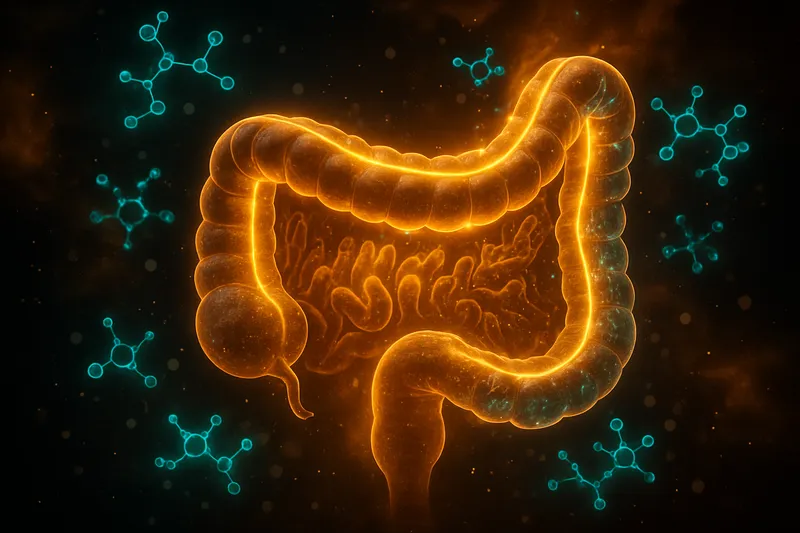
The gastrointestinal tract is where BPC-157 research began — and where the evidence is strongest. This makes sense: the peptide is derived from a gastric protein and remains stable in stomach acid.
Ulcer Healing
BPC-157 accelerates healing of gastric ulcers in multiple animal models. A foundational study by Sikiric et al. demonstrated that BPC-157 healed ethanol-induced, stress-induced, and cysteamine-induced ulcers in rats — even at very low doses. The peptide promoted mucosal repair through angiogenesis and granulation tissue formation (Sikiric et al., 1993).
Subsequent work showed BPC-157 also heals esophageal lesions and duodenal ulcers, extending its protective effect beyond the stomach lining (Sikiric et al., 2018).
Inflammatory Bowel Disease (IBD)
In experimental colitis models (the closest animal analog to Crohn's and ulcerative colitis), BPC-157 significantly reduced inflammatory infiltration, mucosal damage, and adhesion formation. A 2003 study showed BPC-157 prevented and reversed colitis-associated lesions in trinitrobenzene-induced IBD models (Sikiric et al., 2003).
A separate study demonstrated that BPC-157 also counteracted the inflammatory effects of colitis on the liver and other distant organs — suggesting a systemic cytoprotective effect rather than just local gut repair (Sikiric et al., 2011).
NSAID Gastroprotection
NSAIDs (ibuprofen, naproxen, diclofenac) are a leading cause of gastric damage. BPC-157 has been shown to both prevent and reverse NSAID-induced gastrointestinal lesions. In rats given chronic diclofenac, BPC-157 administration prevented ulcer formation and protected intestinal mucosa from damage (Sikiric et al., 2006).
This NSAID-protective effect is one of BPC-157's most replicated findings and is relevant to anyone using NSAIDs long-term.
Intestinal Permeability (Leaky Gut)
BPC-157 tightens intestinal barrier function in injury models. Research shows it restores epithelial integrity after damage from alcohol, NSAIDs, and surgical anastomosis. The mechanism involves upregulation of tight junction proteins and mucosal blood flow via nitric oxide modulation (Seiwerth et al., 2018).
In intestinal anastomosis models (surgical reconnection of bowel), BPC-157 improved healing strength and reduced anastomotic leakage — a critical surgical complication (Sikiric et al., 2018).
Tendon & Ligament Repair
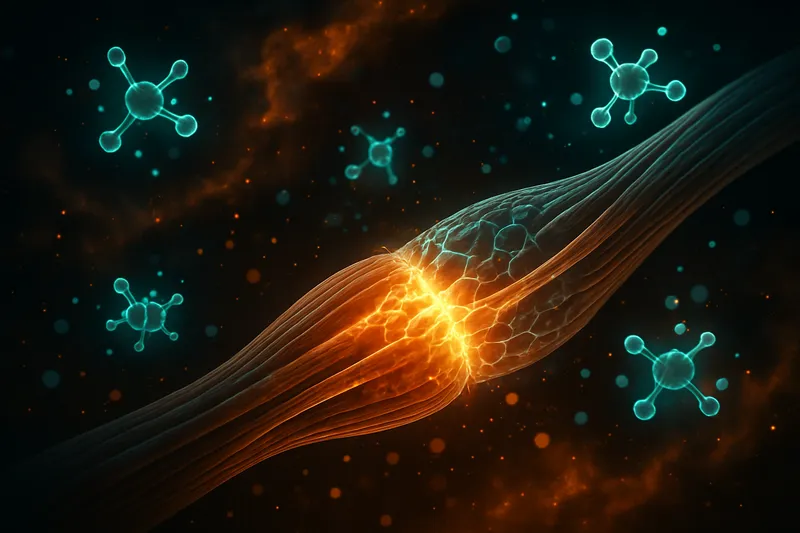
After GI healing, tendon and ligament repair is BPC-157's most-studied application. Tendons heal slowly due to poor blood supply — BPC-157 addresses this through VEGF-mediated angiogenesis and direct fibroblast activation.
Achilles Tendon
Chang et al. (2011) studied BPC-157 in a rat Achilles tendon-to-bone injury model. BPC-157 significantly accelerated healing, with treated animals showing improved tendon-bone junction integrity, better collagen fiber organization, and earlier return of biomechanical strength (Chang et al., 2011).
Medial Collateral Ligament (MCL)
In a 2014 follow-up, the same group demonstrated BPC-157's effect on MCL repair. Rats with surgically transected MCLs receiving BPC-157 showed significantly greater ligament strength, improved collagen alignment, and superior functional recovery compared to controls (Chang et al., 2014).
Rotator Cuff
Research on supraspinatus tendon detachment (the rotator cuff model) showed that BPC-157 applied locally at the repair site improved tendon-bone healing, increased load-to-failure strength, and promoted organized collagen deposition (Staresinic et al., 2006).
Mechanism in Tendon Repair
BPC-157 promotes tendon healing through:
- VEGF upregulation — new blood vessel formation in avascular tendon tissue
- Growth hormone receptor activation — enhanced expression of GH receptor in tendon fibroblasts (Chang et al., 2014)
- FAK-paxillin pathway — promotes fibroblast migration and adhesion to injury sites
- Collagen organization — drives ordered collagen deposition over disordered scar tissue
For complementary tendon healing through actin remodeling and angiogenesis, many researchers examine TB-500. See our BPC-157 vs TB-500 comparison for a detailed head-to-head analysis.
Muscle Healing
BPC-157 accelerates muscle recovery in crush injury, transection, and denervation models.
A study by Novinscak et al. (2008) demonstrated that BPC-157 significantly improved functional recovery in rats with quadriceps muscle crush injuries. Treated animals showed faster muscle fiber regeneration, reduced fibrosis, and earlier return to normal gait patterns (Novinscak et al., 2008).
In a muscle transection model, BPC-157 promoted reattachment and healing of completely severed muscle — an injury where healing typically fails without surgical intervention. The peptide enhanced myoblast proliferation and reduced the fibrotic scar that normally replaces functional muscle tissue (Staresinic et al., 2006).
BPC-157 also counteracts muscle wasting from corticosteroid use. In rats given systemic corticosteroids, BPC-157 administration prevented the typical muscle atrophy and weakness that accompanies chronic steroid exposure (Sikiric et al., 2018).
Ready to Buy? Compare Prices
Best current prices from verified vendors with COA testing.
EZ Peptides · 10mg · $6.80/mgCOA ✓
The Peptide Brief
Weekly price drops, new research, and vendor deals — straight to your inbox.
No spam. Unsubscribe anytime.
Neuroprotection
BPC-157's neuroprotective effects are increasingly recognized in preclinical research. The peptide crosses the blood-brain barrier and interacts with multiple neurotransmitter systems.
Traumatic Brain Injury (TBI)
Tudor et al. (2010) showed that BPC-157 administration after experimental TBI in rats significantly reduced brain edema, hemorrhage, and neurological deficit scores. Treated animals recovered faster and showed less tissue damage on histological examination (Tudor et al., 2010).
Peripheral Nerve Regeneration
In sciatic nerve transection models, BPC-157 accelerated axonal regrowth and functional nerve recovery. Gjurasin et al. demonstrated improved electrophysiological parameters and faster return of motor function in treated animals versus controls (Gjurasin et al., 2010).
Dopamine System Modulation
One of BPC-157's most unique properties is its interaction with the dopaminergic system. It counteracts the behavioral and neurochemical effects of both dopamine agonists (amphetamine) and antagonists (haloperidol). A comprehensive 2016 review described BPC-157 as a "dopamine system stabilizer" — it doesn't simply increase or decrease dopamine, but appears to normalize dopaminergic function in both directions (Sikiric et al., 2016).
This bidirectional modulation has implications for:
- Substance withdrawal — counteracting dopamine dysregulation
- Neuroleptic-induced damage — protecting against antipsychotic side effects
- Parkinson's-related research — preserving dopaminergic neurons
Serotonin and GABAergic Systems
BPC-157 also modulates serotonergic and GABAergic pathways, counteracting the effects of both diazepam withdrawal and serotonin-system disruption. This places BPC-157 in a unique category as a broad-spectrum neuromodulator rather than a simple neuroprotectant (Sikiric et al., 2014).
Bone Healing
BPC-157 promotes bone repair in fracture and segmental defect models. Krivic et al. (2006) demonstrated enhanced osteogenesis and earlier callus formation in rats with pseudoarthrosis (non-healing fractures). BPC-157 treatment resulted in significantly more bone formation at the fracture site, including better mineralization and structural strength (Krivic et al., 2006).
The mechanism likely involves BPC-157's ability to upregulate EGF receptor expression and promote angiogenesis at the fracture site — both critical for delivering osteoblasts and nutrients to healing bone.
Vascular & Cardiovascular Effects
BPC-157 promotes blood vessel formation and protects vascular integrity. Hsieh et al. (2017) showed that BPC-157 stimulated angiogenesis in a chick embryo model and in human umbilical vein endothelial cells, with the effect mediated through the VEGFR2-Akt-eNOS signaling pathway (Hsieh et al., 2017).
In thrombosis models, BPC-157 counteracted both venous and arterial occlusion. It reduced clot formation and protected downstream tissues from ischemic damage, likely through its nitric oxide-modulating properties (Sikiric et al., 2018).
BPC-157 also modulates blood pressure. It counteracts both hypertension and hypotension in experimental models — another example of its bidirectional "stabilizing" effect on physiological systems. In pulmonary hypertension models, BPC-157 reduced right ventricular pressure and prevented vascular remodeling (Seiwerth et al., 2018).
Cardiovascular benefits documented in research:
- Angiogenesis — new vessel formation at injury sites
- Anti-thrombotic — reduced clot formation in veins and arteries
- Blood pressure normalization — bidirectional regulation
- Cardioprotection — reduced damage in arrhythmia and heart failure models
Anti-Inflammatory Mechanisms
BPC-157's anti-inflammatory effects aren't from a single pathway — they emerge from multiple overlapping mechanisms:
Nitric oxide (NO) system modulation — BPC-157 interacts with both the L-arginine/NO pathway and the prostaglandin system. It appears to normalize NO levels rather than simply suppressing or boosting them, which explains its effectiveness in diverse inflammatory conditions (Sikiric et al., 2018).
Cytokine regulation — In inflammatory models, BPC-157 reduces pro-inflammatory cytokines (TNF-α, IL-6) while preserving the inflammatory response needed for healing. This distinguishes it from NSAIDs and corticosteroids, which suppress inflammation broadly and can impair tissue repair.
Oxidative stress reduction — BPC-157 mitigates free radical damage in multiple organ injury models, protecting mitochondrial function and reducing lipid peroxidation.
Mast cell stabilization — Research suggests BPC-157 reduces mast cell degranulation, limiting histamine release and the cascade of allergic-type inflammatory responses.
The practical result is that BPC-157 reduces pathological inflammation — the kind that causes secondary tissue damage — while preserving the constructive inflammatory signaling needed for actual healing. This is a fundamentally different approach from conventional anti-inflammatory drugs.
What BPC-157 Does NOT Do
Managing expectations is important. Here's what BPC-157 is not:
- Not a growth hormone secretagogue. It doesn't stimulate GH release, IGF-1 production, or act on the pituitary. For GH-axis peptides, see CJC-1295 or Ipamorelin.
- Not a performance enhancer. BPC-157 supports repair — it doesn't increase strength, endurance, or muscle mass beyond what normal healing would provide.
- Not a fat loss agent. There is no published evidence linking BPC-157 to lipolysis, metabolic rate changes, or body composition improvements.
- Not a testosterone booster. BPC-157 does not interact with the HPG axis or androgen receptors.
- Not a cure for chronic disease. While animal models show impressive results in IBD, TBI, and nerve injury, these are preclinical findings. No human clinical trials have been completed for most indications.
- Not proven safe long-term in humans. All data is from animal models, mostly short-duration. The peptide's long-term safety profile in humans remains unknown.
BPC-157 is a repair and cytoprotection peptide. It helps damaged tissue heal. That's powerful on its own — there's no need to overclaim.
Frequently Asked Questions
What does BPC-157 actually do?
BPC-157 promotes tissue healing and cytoprotection across multiple organ systems. It works primarily by upregulating growth factor receptors (VEGF, EGF), modulating the nitric oxide system, and activating cell migration pathways. Research shows accelerated healing in gut, tendon, muscle, nerve, bone, and vascular injury models (Sikiric et al., 2018).
How long does BPC-157 take to work in research models?
Effects vary by tissue type. In gastric ulcer models, significant healing is observed within 3-5 days. Tendon and ligament studies typically measure outcomes at 2-4 weeks. Nerve regeneration studies often run 4-8 weeks. These are animal model timelines and may not directly translate to humans.
Can BPC-157 heal tendons?
Animal research consistently shows BPC-157 accelerates tendon healing — including Achilles, MCL, and rotator cuff models. It improves collagen organization, biomechanical strength, and tendon-to-bone junction integrity (Chang et al., 2011). Human clinical data is not yet available.
Does BPC-157 help with gut issues?
GI healing is BPC-157's most extensively studied benefit. Research shows protection against ulcers, NSAID damage, inflammatory bowel disease, and intestinal barrier dysfunction. The peptide is stable in gastric acid and derived from a gastric protein — the gut is essentially its native environment (Sikiric et al., 2003).
Is BPC-157 safe?
In published animal studies, BPC-157 shows no reported toxic dose — even at very high concentrations, no lethal dose has been identified (Sikiric et al., 2018). However, human clinical trial data is extremely limited. "No observed toxicity in rats" does not equal "proven safe in humans." The long-term safety profile remains unknown.
Can BPC-157 be taken orally?
Unlike most peptides, BPC-157 is stable in gastric acid and demonstrates biological activity when administered orally in animal models. Studies show both oral and injectable routes produce healing effects, though the relative bioavailability may differ by tissue target (Sikiric et al., 2018).
How does BPC-157 compare to TB-500?
BPC-157 and TB-500 are the two most popular healing peptides, but they work through different mechanisms. BPC-157 excels in gut healing and nitric oxide/growth factor modulation; TB-500 excels in structural tissue repair through actin remodeling and angiogenesis. Many researchers explore both. See our BPC-157 vs TB-500 comparison.
Does BPC-157 affect hormones?
No. BPC-157 does not interact with the growth hormone axis, thyroid function, testosterone, estrogen, or cortisol regulation. It modulates neurotransmitter systems (dopamine, serotonin, GABA) and the nitric oxide system, but these are not hormonal pathways in the traditional sense.
Related Guides & Comparisons
- BPC-157 Dosing Guide — Research protocols, injection routes, reconstitution, and stacking
- BPC-157 Results Timeline — Week-by-week expectations from animal research data
- BPC-157 vs TB-500 — Head-to-head healing peptide comparison
- TB-4 vs TB-500 — Full molecule vs. synthetic fragment analysis
- TB-4 Dosing Guide — Loading, maintenance, and injection protocols for Thymosin Beta-4
- TB-4 Benefits — Research overview of Thymosin Beta-4's repair mechanisms
- Peptide Stacking Guide — How to combine peptides for complementary healing coverage
- How Peptides Work — Foundational guide to peptide mechanisms
References
-
Sikiric P, et al. "The pharmacological properties of the novel peptide BPC 157 (PL-10)." Inflammopharmacology. 1993;1(1):1-13. PubMed
-
Sikiric P, et al. "Therapy effect of antiulcer agents on new chronic cytoprotection model." J Physiol Paris. 2003;97(4-6):465-74. PubMed
-
Sikiric P, et al. "Brain-gut Axis and Pentadecapeptide BPC 157: Theoretical and Practical Implications." Curr Neuropharmacol. 2016;14(8):857-865. PubMed
-
Sikiric P, et al. "Stable gastric pentadecapeptide BPC 157-NO-system relation." Curr Pharm Des. 2018;24(18):1956-1969. PubMed
-
Seiwerth S, et al. "BPC 157 and Standard Angiogenic Growth Factors. Gastrointestinal Tract Healing, Lessons from Tendon, Ligament, Muscle and Bone Healing." Curr Pharm Des. 2018;24(18):1972-1989. PubMed
This article is for educational and research purposes only. It is not medical advice. BPC-157 is not approved by the FDA for human use.