guidesFebruary 11, 2026The Peptide Catalog

Thymosin Beta-4 Dosing Guide & Protocols (2026)

Thymosin Beta-4 dosing guide with 500mcg-1mg protocols, reconstitution, clinical context, and safety.

Thymosin Beta-4 Dosing Guide

Thymosin Beta-4 (TB-4) is a naturally occurring 43-amino-acid peptide involved in tissue repair, angiogenesis, and cell migration. It's the most abundant actin-sequestering molecule in mammalian cells and plays a central role in the body's injury response cascade.

No FDA-approved human dosing exists. Everything below is extrapolated from animal research and community experience. This is not medical advice.

Quick Reference: Community Dosing

If you're here for the practical protocol, here it is:

ParameterStandard Protocol
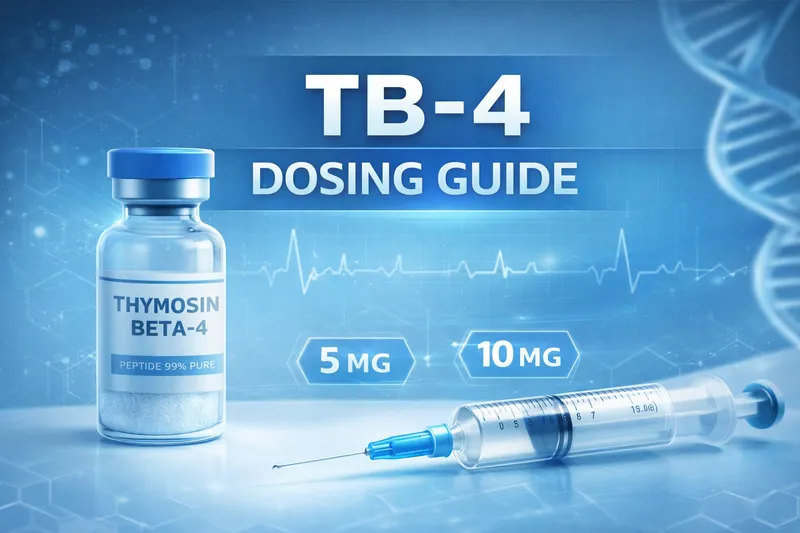
Dose500 mcg – 1 mg/day (loading), then 500 mcg 2x/week (maintenance)
RouteSubcutaneous injection (near injury site or abdomen)
FrequencyDaily during loading, then 2x per week
Cycle4–8 weeks total
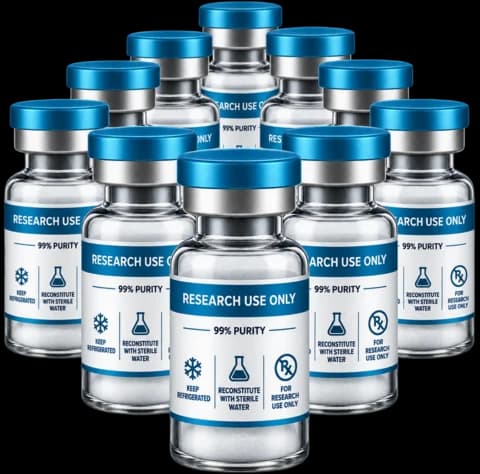
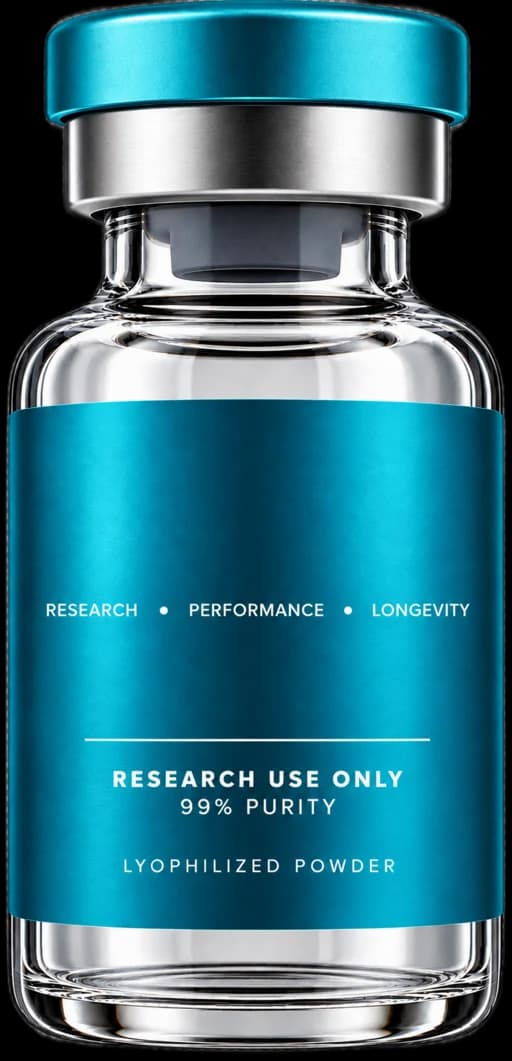
Vial size5 mg or 10 mg
Reconstitution2 mL bacteriostatic water per 5 mg vial
StorageRefrigerate, use within 28 days

Most people start with loading phase: 500 mcg to 1 mg daily for 2 weeks, then drop to maintenance: 500 mcg twice weekly for 2-6 additional weeks. Total weekly doses: 5-10mg/week loading → 2-5mg/week maintenance.

For the full TB-4 peptide profile, vendor pricing, and stack protocols, see our Thymosin Beta-4 peptide page.

Loading vs Maintenance

A two-phase approach dominates community protocols:

Loading (Weeks 1–2): 500 mcg to 1 mg daily to achieve tissue saturation during the acute healing window. TB-4's short plasma half-life (~2 hours) means frequent dosing is needed to maintain tissue-level concentrations.

Maintenance (Weeks 3–8): Drop to 500 mcg twice weekly as healing progresses. This sustains tissue support while reducing weekly peptide consumption.

This mirrors the tissue repair timeline seen in animal studies — rapid cell migration and angiogenesis in the first 1–2 weeks, followed by ECM remodeling and structural repair (Malinda et al., 1999).

Typical Protocol Lengths

Routes of Administration

Subcutaneous Injection (Most Common)

The go-to route for most people. Inject into the belly fat or as close to the injury as practical.

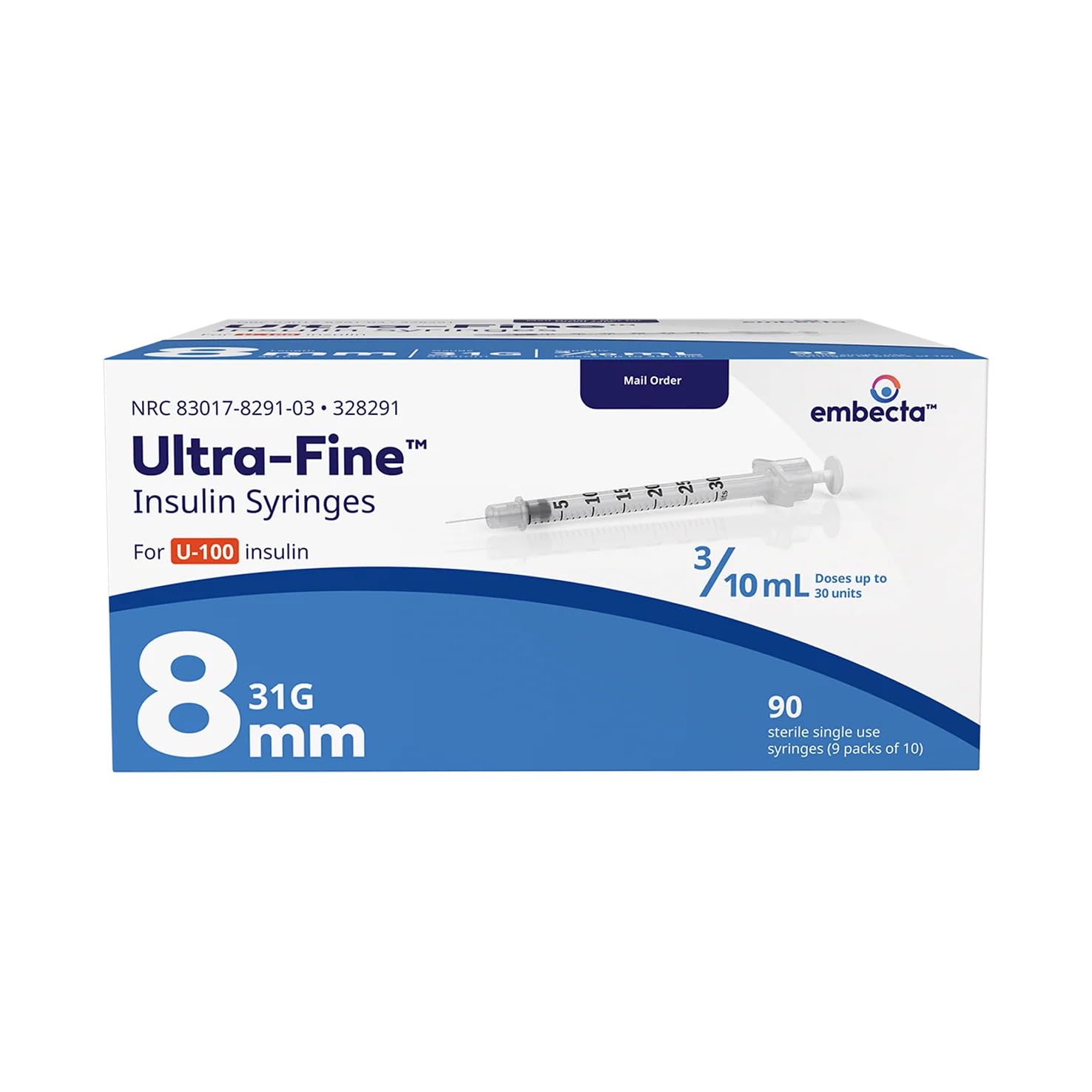
Injection volume: Typically 0.1–0.2 mL with an insulin syringe (29–31 gauge).

Intramuscular

Used when targeting a specific muscle injury — direct injection into the muscle belly. Less common than subcutaneous but referenced in muscle repair research.

Peri-Lesional (Local)

Direct injection around wound or injury sites. Used in dermal wound studies where topical and local injection showed comparable efficacy (Malinda et al., 1999).

🧪

Ready to Buy? Compare Prices

Best current prices from verified vendors with COA testing.

Thymosin Beta-4

EZ Peptides · 10mg · $6.80/mgCOA ✓

$68.00
TB-500

EZ Peptides · 10mg · $4.40/mgCOA ✓

$44.00
BPC-157

EZ Peptides · 10mg · $3.50/mgCOA ✓

$35.00
💰

The Peptide Brief

Weekly price drops, new research, and vendor deals — straight to your inbox.

No spam. Unsubscribe anytime.

Where These Numbers Come From: Clinical Context

The community doses above aren't random — they're conservatively extrapolated from a large body of animal research, with some reference to human safety data. Here's the bridge:

Animal Study Doses

Nearly all TB-4 research uses 6 mcg/mouse IP or similar doses scaled to body weight across species. Typical animal doses include:

Human Phase I Safety Data

The only published Phase I human trial used massive IV doses of 42, 140, 420, and 1,260 mg in healthy subjects for safety testing — not therapeutic dosing. All doses were well-tolerated with no dose-limiting toxicity (Ruff et al., 2010).

Allometric Scaling to Humans

Using standard body surface area conversion from mouse (6 µg = ~0.24 mg/kg) to humans:

Mouse DoseHuman Equivalent (70 kg)
6 µg (0.24 mg/kg)~17 mg single dose
Scaled weekly~5-10 mg/week

Why Community Doses Are Conservative

Mechanism of Action

TB-4 Research Dosing Overview

TB-4 drives tissue repair through multiple overlapping pathways — which is why it shows effects across so many tissue types:

Actin sequestration — TB-4 is the most abundant actin-sequestering molecule in cells, regulating cytoskeletal dynamics critical for cell migration. This enables rapid wound closure and tissue remodeling (Mannherz & Huff, 2011).

Angiogenesis — Upregulates VEGF and promotes new blood vessel formation at injury sites. The LKKTET sequence within TB-4 specifically drives endothelial cell migration and tube formation (Philp et al., 2003).

Anti-inflammatory — Suppresses NF-κB signaling, reducing pro-inflammatory cytokines without immunosuppression. Critical for resolving chronic inflammation during tissue repair (Sosne et al., 2007).

Cell survival — Activates Akt survival signaling in cardiomyocytes and other cell types, preventing apoptosis during ischemic injury (Bock-Marquette et al., 2004).

ECM remodeling — Promotes proper collagen organization and structural alignment during healing, improving biomechanical properties of repaired tissue (Sosne et al., 2010).

Side Effects & Safety

TB-4 has a favorable safety profile based on both animal studies and the Phase I human trial.

What Animal Studies Show

What Human Phase I Data Shows

Community Reports

Most people report minimal side effects at standard doses:

Theoretical Considerations

TB-4's pro-angiogenic effects raise similar theoretical questions as other healing peptides about fueling existing tumors that need blood supply. No studies have shown TB-4 promoting tumor growth, but the angiogenic activity is noted.

Stacking TB-4

TB-4 is frequently combined with other peptides that target different parts of the healing cascade.

TB-4 + BPC-157 (Popular Healing Stack)

The most common healing combination. They work through complementary mechanisms:

PeptideDoseRoute
TB-4500 mcg–1 mg daily (loading), 500 mcg 2x/week (maintenance)SC (near injury)
BPC-157250–500 mcg dailySC (near injury)

TB-4 + GHK-Cu

GHK-Cu handles collagen synthesis and wound remodeling. Pairs well with TB-4 for protocols targeting skin healing, surgical recovery, and connective tissue repair.

TB-4 vs TB-500

TB-500 is a synthetic fragment containing TB-4's active actin-binding domain. TB-4 contains additional signaling sequences:

ParameterTB-4TB-500
StructureFull 43-amino-acid endogenous peptideSynthetic fragment (17-23 amino acids)
Community dose5–10 mg/week loading, 2–5 mg/week maintenance2–5 mg/week
Contains LKKTETYes (angiogenesis domain)No
Primary useBroad tissue repair + angiogenesisFocused actin migration

For the complete head-to-head analysis, see our TB-4 vs TB-500 comparison.

Frequently Asked Questions

What is the standard TB-4 dose for healing?

The most common community protocol is 500 mcg to 1 mg daily during loading phase (weeks 1-2), then 500 mcg twice weekly for maintenance (weeks 3-8). This is extrapolated from animal studies using 6 mcg/mouse scaled to human-equivalent dosing.

How long should I cycle TB-4?

Most protocols run 4–8 weeks total. A common pattern is 2 weeks loading phase (daily), then 2-6 weeks maintenance (2x per week). Acute injuries may be shorter; chronic conditions sometimes extend to 8-12 weeks with cycling.

Should I inject TB-4 near the injury or anywhere?

For systemic healing, anywhere subcutaneously works. For specific injuries, injecting closer to the area is common, though TB-4 has systemic effects regardless of injection site. Animal studies showed benefits with both local and systemic administration.

What's the difference between TB-4 and TB-500 dosing?

TB-4 uses higher doses (5-10mg/week loading) as it's the full 43-amino acid peptide with multiple active domains. TB-500 is just the actin-binding fragment, so lower doses (2-5mg/week) are typical.

How do I reconstitute TB-4?

Add 2 mL bacteriostatic water to a 5 mg vial for 2,500 mcg/mL concentration. 500 mcg = 20 units; 1 mg = 40 units on an insulin syringe. Store refrigerated, use within 28 days.

Can TB-4 and BPC-157 be taken together?

Yes — this is a popular healing stack. TB-4 handles cell migration and actin remodeling while BPC-157 drives angiogenesis and growth factors. They work through different mechanisms and are considered complementary.

Is TB-4 FDA-approved?

No. TB-4 is not FDA-approved for any indication. The Phase I trial established safety but no therapeutic dose has been established through controlled efficacy trials.

How long do TB-4 cycles typically run?

4–12 weeks depending on application. Tissue repair models typically run 4–8 weeks, while chronic or organ protection models may extend to 12+ weeks.

Related Guides

References

CitationTopicPMID
Bock-Marquette et al., Nature (2004)TB-4 in cardiac repair, Akt activation15565145
Mannherz & Huff, Int J Biochem Cell Biol (2011)Actin sequestering and cell migration22127247
Philp et al., J Invest Dermatol (2004)Angiogenesis, wound healing, hair follicles15037013
Philp et al., FASEB J (2003)Actin binding site promotes angiogenesis14500546
Sosne et al., Exp Eye Res (2002)Corneal wound healing and anti-inflammatory11950239
Sosne et al., Exp Eye Res (2007)NF-κB suppression mechanism17254567
Malinda et al., J Cell Sci (1999)TB-4 accelerates wound healing10469335
Philp et al., FASEB J (2003)Wound healing in diabetic/elderly models12581423
Sosne et al., Ann NY Acad Sci (2010)Connective tissue repair, collagen organization20536458
Kim & Bhatt, J Orthop Res (2013)MCL ligament healing23523891
Ruff et al., Ann NY Acad Sci (2010)Phase I clinical trial, PK/safety20536472
Wang et al., Front Pharmacol (2021)First-in-human recombinant TB-4 trial34346165
Crockford, Ann NY Acad Sci (2007)Development for ischemic heart disease17947592
Crockford, Ann NY Acad Sci (2010)Animal model review20536453
Goldstein et al., Ann NY Acad Sci (2012)Comprehensive TB-4 review22074294
Goldstein, Expert Opin Biol Ther (2015)Clinical potential review26096726

For educational and research purposes only — no clinical use is approved. This is not medical advice. TB-4 is not FDA-approved for any indication.