BPC-157 Dosing: Protocols & Reconstitution (2026)
BPC-157 dosing guide with protocols, reconstitution, injection routes, stacking, and safety.

BPC-157 (Body Protection Compound-157) is a 15-amino-acid synthetic peptide derived from a protein in human gastric juice. It's one of the most researched healing peptides, with hundreds of animal studies on tissue repair, gut healing, tendon recovery, and neuroprotection.
No human clinical trials exist. Everything below is extrapolated from animal research and community experience. This is not medical advice.
Quick Reference: Community Dosing
If you're here for the practical protocol, here it is:
| Parameter | Standard Protocol |
|---|---|
| Dose | 250–500 mcg/day |
| Route | Subcutaneous injection (near injury site or abdomen) |
| Frequency | Once or twice daily |
| Cycle | 4–8 weeks on, 8 weeks off |
| Vial size | 5 mg or 10 mg |
| Reconstitution | 2 mL bacteriostatic water per 5 mg vial |
| Storage | Refrigerate, use within 28 days |
Most people start at 250 mcg once daily and increase to 500 mcg or twice-daily dosing based on response. For a detailed breakdown of reconstitution and syringe math, see the Reconstitution Guide below.
For the full BPC-157 peptide profile, vendor pricing, and stack protocols, see our BPC-157 peptide page.
Loading vs Maintenance
A two-phase approach is common in the community:
Loading (Weeks 1–2): 500 mcg daily (or 250 mcg twice daily) to build tissue-level concentration during the acute healing window.
Maintenance (Weeks 3–8): Drop to 250 mcg once daily or every other day as healing progresses.
This mirrors the tissue repair timeline seen in animal studies — rapid angiogenesis and growth factor activity in the first 1–2 weeks, followed by remodeling (Sikiric et al., 2006).
Typical Protocol Lengths
- Tendon / ligament / muscle injuries: 4–6 weeks
- Gut healing (ulcers, IBS, leaky gut): 4–8 weeks
- Neuroprotection / nerve recovery: 8–12 weeks
- General maintenance / longevity: 8 weeks on, 8 weeks off (cycling)
Routes of Administration
Subcutaneous Injection (Most Common)
The go-to route for most people. Inject into the belly fat or as close to the injury as practical.
- For localized injuries — inject subcutaneously within a few inches of the injury. Animal studies on tendon healing used local SC injection and saw accelerated recovery with improved biomechanical properties (Staresinic et al., 2003).
- For systemic issues — abdomen, love handle area, or anywhere with subcutaneous fat. BPC-157 distributes systemically regardless of injection site.
Injection volume: Typically 0.1–0.2 mL with an insulin syringe (29–31 gauge).
Oral
BPC-157 is uniquely stable in stomach acid — most peptides get destroyed. This makes oral dosing viable, especially for:
- GI-specific issues — ulcers, IBD, NSAID-induced gut damage, esophageal damage (Sikiric, 1999)
- Systemic effects — oral BPC-157 has shown healing effects in distant tissues, not just the gut (Sikiric et al., 2010)
Oral bioavailability is lower than injection, so some community protocols use slightly higher doses or longer cycle lengths when dosing orally.
Intramuscular
Used when targeting a specific muscle injury — direct injection into the muscle belly. Less common than subcutaneous but referenced in crush injury research (Novinscak et al., 2008).
Ready to Buy? Compare Prices
Best current prices from verified vendors with COA testing.
EZ Peptides · 10mg · $6.80/mgCOA ✓
The Peptide Brief
Weekly price drops, new research, and vendor deals — straight to your inbox.
No spam. Unsubscribe anytime.
Where These Numbers Come From: Clinical Context
The community doses above aren't random — they're extrapolated from a large body of animal research. Here's the bridge:
Animal Study Doses
Nearly all BPC-157 research uses rats and mice at 10 mcg/kg (the standard research dose), with some studies going up to 50 mcg/kg. This dose has been used across hundreds of studies on tendons, gut, muscle, nerves, and vasculature (Sikiric et al., 2006; Krivic et al., 2006).
Allometric Scaling to Humans
Using the FDA's standard body surface area conversion (rat dose x 0.162):
| Rat Dose | Human Equivalent (70 kg) |
|---|---|
| 10 mcg/kg | ~110 mcg/day |
| 50 mcg/kg | ~560 mcg/day |
This gives a range of roughly 110–560 mcg/day, which is where the community's 250–500 mcg/day window comes from.
Why Community Doses Are Conservative
- Allometric scaling is a starting point, not a precise conversion — it doesn't account for differences in peptide metabolism between species
- No human pharmacokinetic data exists for BPC-157
- The community errs toward the middle of the extrapolated range
- Animal studies showed activity even at ultra-low doses (10 ng/kg), suggesting a wide therapeutic window (Krivic et al., 2006)
Reconstitution Guide

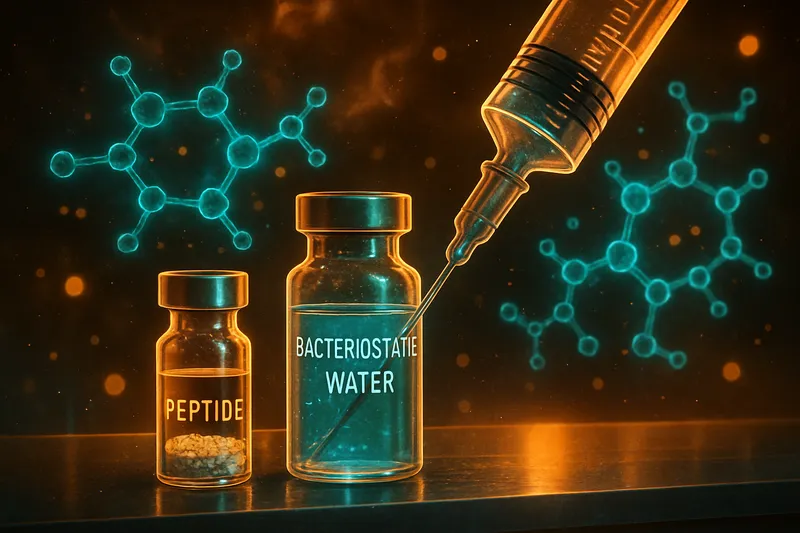
BPC-157 comes as a freeze-dried powder. You reconstitute it with bacteriostatic water before use.
What You Need
- BPC-157 vial (5 mg or 10 mg)
- Bacteriostatic water (BAC water) — contains 0.9% benzyl alcohol as preservative
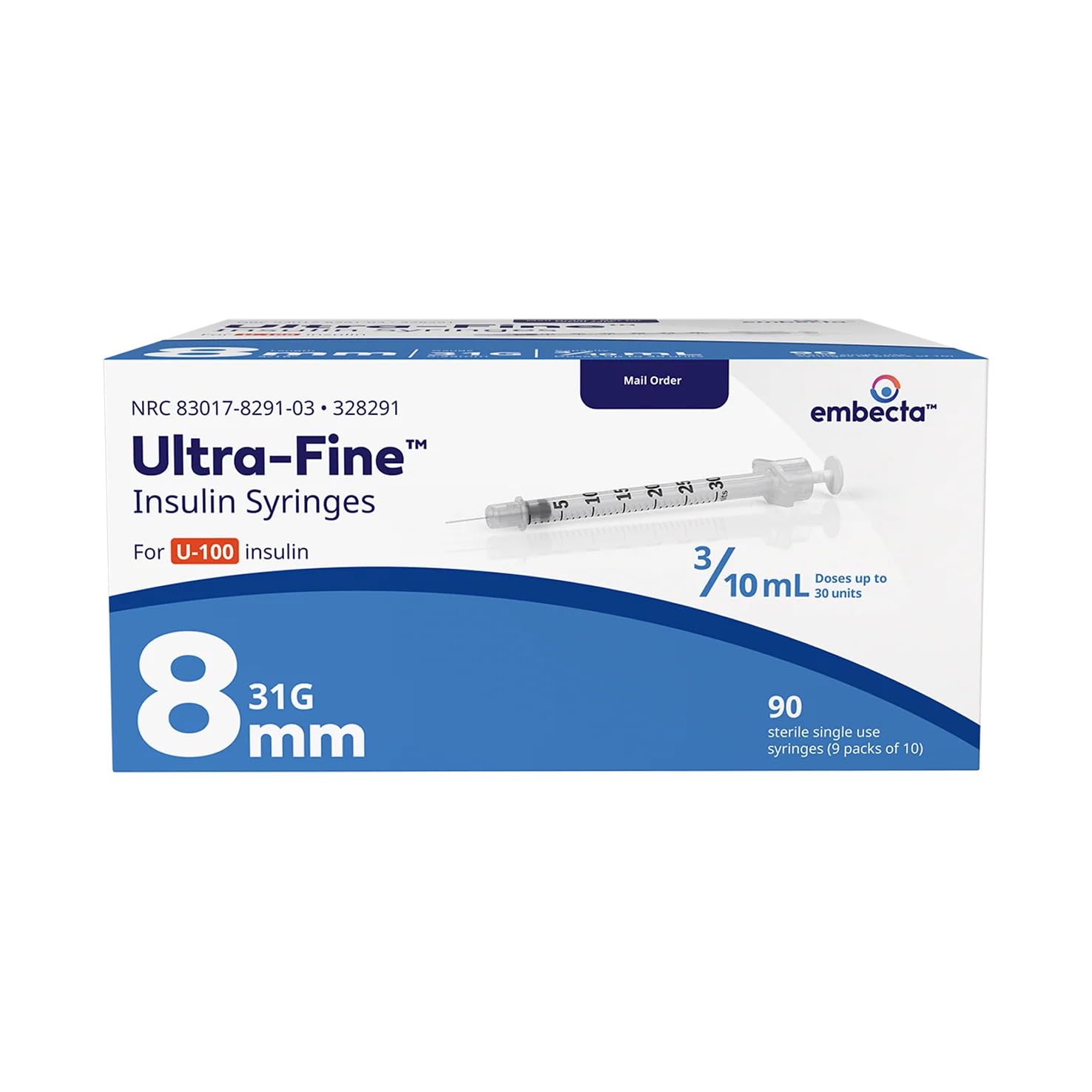
- Insulin syringes (29–31 gauge)
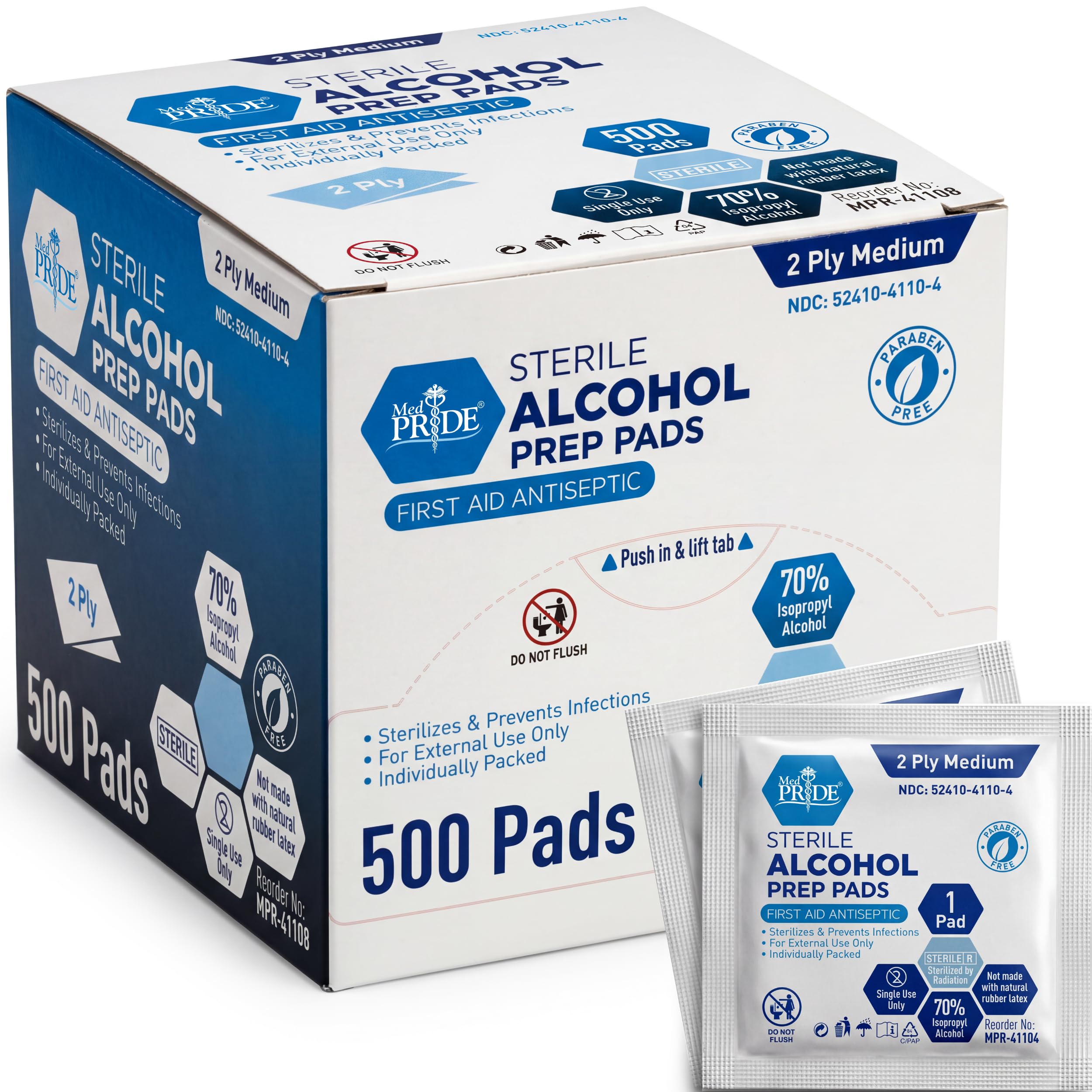
- Alcohol swabs
Steps
- Wipe the BPC-157 vial stopper and BAC water vial with alcohol swabs
- Draw 2 mL of BAC water into a syringe
- Inject slowly into the BPC-157 vial — aim against the glass wall, not directly on the powder
- Swirl gently — don't shake. Let it dissolve (1–3 minutes)
- Label with date and concentration
Dosing Math
| Vial | BAC Water | Concentration | 250 mcg | 500 mcg |
|---|---|---|---|---|
| 5 mg | 2 mL | 2,500 mcg/mL | 10 units | 20 units |
| 5 mg | 1 mL | 5,000 mcg/mL | 5 units | 10 units |
| 10 mg | 2 mL | 5,000 mcg/mL | 5 units | 10 units |
2 mL into a 5 mg vial is the most common ratio — easy math and reasonable injection volumes.
Storage
- Refrigerate immediately (2–8°C / 36–46°F)
- Use within 28 days after reconstitution
- Don't freeze reconstituted solution
- Keep away from light — store in the box or wrap in foil
- Unreconstituted powder can be stored frozen (-20°C) long-term
Mechanism of Action

BPC-157 works through multiple overlapping pathways — which is why it shows effects across so many tissue types:
Growth factors — Upregulates VEGF (driving new blood vessel formation), EGF receptors (mucosal repair), and NGF (nerve regeneration) at injury sites (Sikiric et al., 2006; Seiwerth et al., 2014).
Nitric oxide system — Modulates NOS activity and NO-mediated vasodilation, central to its vascular and GI protective effects (Sikiric et al., 2014).
FAK-paxillin pathway — Activates cell migration and adhesion in tendon fibroblasts, critical for tendon repair (Chang et al., 2011).
Anti-inflammatory — Reduces pro-inflammatory cytokines without immunosuppression. Protective against NSAID-induced GI damage and alcohol-induced lesions (Sikiric et al., 2010).
Dopaminergic system — Modulates D1/D2 receptor pathways with protective effects against dopaminergic neurotoxins (Sikiric et al., 2016).
Side Effects & Safety
BPC-157 has one of the cleanest safety profiles in the peptide research literature.
What Animal Studies Show
- No lethal dose found — toxicology studies couldn't establish an LD50 even at very high concentrations (Sikiric et al., 2006)
- No organ toxicity in chronic dosing
- No mutagenic or carcinogenic effects
- No effect on blood pressure, heart rate, or hormones (testosterone, estrogen, cortisol, GH)
What the Community Reports
Most people report zero side effects. When they occur, they're mild:
- Mild nausea (mostly with oral dosing)
- Brief lightheadedness after injection
- Injection site redness
- Mild fatigue (uncommon)
The One Concern Worth Knowing
BPC-157 promotes angiogenesis (new blood vessel growth). This is why it heals tissue so effectively — but it raises a theoretical question about fueling existing tumors that need blood supply to grow. No published study has shown BPC-157 promoting tumor growth, but the concern is noted in review papers (Sikiric et al., 2014). If you have a known cancer, discuss this with your doctor.
Stacking BPC-157
BPC-157 is frequently combined with other peptides that target different parts of the healing cascade.
BPC-157 + TB-500 (Most Popular Stack)
The gold standard healing combination. They work through completely different mechanisms:
- BPC-157 → angiogenesis, growth factor upregulation, GI protection
- TB-500 → cell migration, actin remodeling, anti-fibrotic effects
| Peptide | Dose | Route |
|---|---|---|
| BPC-157 | 250–500 mcg/day | SC (near injury) |
| TB-500 | 500 mcg/day or 2–5 mg/week split | SC (anywhere — systemic) |
See our BPC-157 vs TB-500 comparison for a detailed breakdown.
BPC-157 + TB-4 (Full-Length Thymosin Beta-4)
Thymosin Beta-4 is the full 43-amino-acid parent molecule of TB-500. It contains additional signaling sequences beyond TB-500's actin-binding domain, including the LKKTET angiogenesis motif. More comprehensive but also more expensive.
BPC-157 + GHK-Cu
GHK-Cu handles collagen synthesis and extracellular matrix remodeling. Pairs well with BPC-157 for protocols targeting skin, wound healing, and connective tissue — BPC-157 does the deep tissue repair while GHK-Cu handles the structural remodeling.
Stacking Tips
- Inject at separate sites when using multiple peptides
- Start one peptide at a time to assess individual response
- Peptides can share a vial if both are stable in BAC water, but separate vials give better dosing control
Frequently Asked Questions
What is the standard BPC-157 dose?
The most common community protocol is 250–500 mcg per day via subcutaneous injection. This is extrapolated from the 10 mcg/kg rat dose used in most published studies, scaled using FDA allometric conversion (Sikiric et al., 2006).
Can BPC-157 be taken orally?
Yes — BPC-157 is one of the few peptides stable in gastric acid, maintaining biological activity when taken orally. Oral dosing is especially useful for GI conditions (Sikiric, 1999). Bioavailability is lower than injection, so oral protocols sometimes use higher doses or longer cycles.
How long should a BPC-157 cycle last?
Most protocols run 4–8 weeks. Acute tissue repair (tendon, muscle) typically takes 4–6 weeks. GI healing and neuroprotection may extend to 8–12 weeks. For longer-term use, cycling (8 weeks on, 8 weeks off) is common.
Should I inject near the injury or anywhere?
Both work. BPC-157 distributes systemically regardless of injection site. But for specific injuries (tendon, joint, muscle), most people inject as close to the site as practical. For gut issues, oral is the more direct route (Sikiric et al., 2010).
Is BPC-157 FDA-approved?
No. BPC-157 has no FDA-approved human indication. In 2024, the FDA added it to its list of bulk drug substances restricted from compounding pharmacies. All research is preclinical.
How do I reconstitute BPC-157?
Add 2 mL bacteriostatic water to a 5 mg vial (2,500 mcg/mL). 250 mcg = 10 units; 500 mcg = 20 units on an insulin syringe. Swirl gently, don't shake. Refrigerate, use within 28 days. See the full guide above.
Can BPC-157 and TB-500 be taken together?
Yes — it's the most referenced healing stack. Different mechanisms (growth factors vs. actin remodeling) make them complementary, not redundant. See stacking details above.
What are the side effects of BPC-157?
Animal studies show no significant toxicity at any tested dose. Community reports are mostly clean — occasional mild nausea, lightheadedness, or injection site irritation. The theoretical angiogenesis concern applies to people with existing cancers. See Side Effects & Safety.
Related Guides
- BPC-157 Peptide Page — Vendor pricing, stack protocols, and full peptide profile
- BPC-157 Benefits & Research — Deep dive on what the research actually shows
- BPC-157 Results Timeline — What to expect week by week
- BPC-157 vs TB-500 — Head-to-head healing peptide comparison
- Peptide Stacking Guide — How to combine peptides effectively
References
| Citation | Topic | PMID |
|---|---|---|
| Sikiric et al., J Pharmacol Sci (2006) | BPC-157 pharmacological overview, no LD50, multi-organ effects | 20166993 |
| Sikiric et al., Curr Pharm Des (2010) | Comprehensive review, systemic effects from oral and SC dosing | 20166993 |
| Sikiric et al., Curr Pharm Des (2014) | Nitric oxide system interaction, vascular effects | 23755725 |
| Sikiric et al. (2016) | Dopaminergic system modulation | 27138887 |
| Chang et al., J Appl Physiol (2011) | FAK-paxillin pathway in tendon fibroblasts | 21030672 |
| Staresinic et al., J Orthop Res (2003) | Achilles tendon healing, biomechanical outcomes | 14554208 |
| Krivic et al. (2006) | Dose-range activity in tendon healing | 16583442 |
| Seiwerth et al. (2014) | EGF receptor, wound healing | 23782145 |
| Novinscak et al. (2008) | Muscle crush injury, IM injection | 18668315 |
For educational and research purposes only. This is not medical advice. BPC-157 is not FDA-approved for any indication.