AHK-Cu — alanine-histidine-lysine complexed with copper(II) — is used topically, and topical copper peptides have a reputation for being well tolerated. That reputation is mostly earned: the documented adverse events are local and uncommon, and copper is a comparatively weak skin sensitizer. But "well tolerated" here borrows heavily from the broader copper-peptide class and from cosmetic use, because AHK-Cu has very little dedicated safety data of its own.
This article separates what's documented from what's theoretical. The documented effects are local skin reactions — irritation and the less common allergic contact dermatitis — plus the procedural risks of microneedling where it's used as a delivery aid. The theoretical concerns, chiefly copper accumulation and the thinness of formal AHK-Cu safety study, are flagged as open questions rather than dressed up as risks or waved away. AHK-Cu is the lesser-studied sibling of GHK-Cu, and its safety picture reflects that.
Research-context information only. AHK-Cu is a research peptide. Protocols, doses, and reactions reported below come from published research and self-reported community sources. This article reports what has been documented, not what should be done. Consult a licensed physician for personal medical decisions.
The order below moves from the best-documented effects to the most situation-specific: local skin reactions first, then copper-specific contact allergy, then the microneedling-related risks that attach to a common delivery method, and finally an honest accounting of the thin safety data and the theoretical copper-accumulation question.
Local Skin Reactions
The most commonly reported effects of topical copper peptides are local and mild: redness, a stinging or itching sensation, dryness, or transient irritation at the application site. These are the same kinds of reactions seen across topical actives generally and are not specific to AHK-Cu — they reflect applying a concentrated preparation to skin rather than anything unique to the peptide.
Several formulation variables plausibly influence irritation: the concentration of the serum, the carrier and any preservatives, and how frequently it's applied. Community sources who report irritation often describe it resolving when the concentration is lowered or application spaced out. These are described as community-reported tolerability observations, not a controlled finding — but they're consistent with how topical actives behave generally. For most people in cosmetic copper-peptide use, local reactions when they occur are mild and self-limited.
The reaction that's more specific to a copper peptide is allergic contact dermatitis to copper itself. Copper is classified as a weak sensitizer — far weaker than nickel — and frank copper contact allergy is documented but uncommon. A 2014 review (PMID 25098945) reported positive copper patch-test reactions in a weighted average of about 3.8% of tested subjects, and earlier work on the dermatologic aspects of copper hypersensitivity (PMID 15327478) similarly described it as infrequent but real in selected cases.
When it occurs, copper contact allergy presents as localized redness, itching, swelling, or a rash at the site of contact. Because copper sits at the center of the AHK-Cu complex, anyone with known copper sensitivity is the relevant at-risk group. Patch-testing a new copper-peptide preparation on a small area of skin before wider use is a common community precaution, consistent with how dermatology approaches suspected contact allergens. The literature frames copper contact allergy as an idiosyncratic reaction in a sensitized minority, not an expected effect of copper-peptide use.
Ready to buy? Compare verified vendors on our best AHK-Cu sources page, or browse all coupon codes for up to 50% off.
Because the skin barrier limits how much peptide reaches the dermis, community protocols sometimes pair AHK-Cu serum with microneedling — and microneedling carries its own local risks independent of the peptide. The documented effects of microneedling itself include transient redness, pinpoint bleeding, temporary swelling, and, if done with poor hygiene, a risk of local infection. These come from the needling, not from AHK-Cu.
Combining a copper-peptide serum with microneedling also changes the delivery picture in a way that isn't well characterized for AHK-Cu specifically. The microneedling-for-hair evidence base is built on other compounds — a randomized pilot of microneedling plus minoxidil (PMID 23960389) and a 2025 study of copper-peptide microneedling for androgenetic alopecia (PMID 40225275) — neither of which establishes a safety profile for AHK-Cu delivered this way. Driving more of any active into the dermis can increase both effect and irritation. The honest statement is that microneedling adds documented procedural risks and an under-characterized delivery variable, and community sources who use it are extrapolating from studies of different compounds.
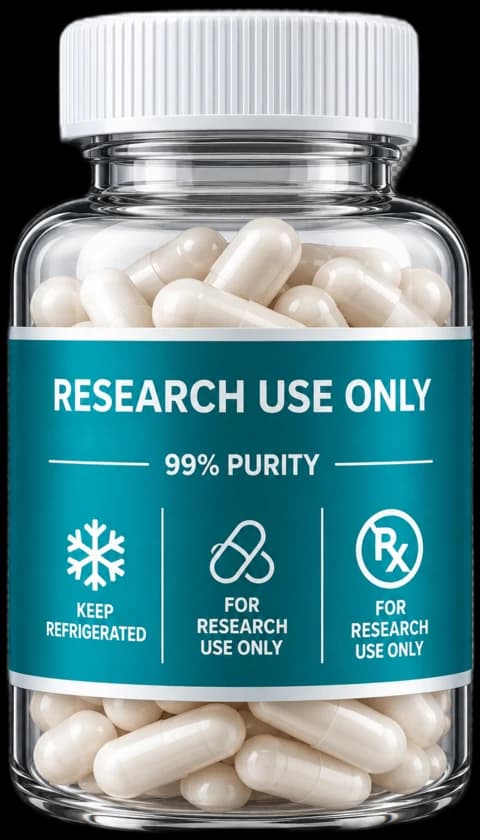
A category of risk that's easy to overlook with a DIY topical is the preparation itself. AHK-Cu is sold as research powder, and a self-mixed serum's safety depends on getting the concentration, carrier, and storage right. An over-concentrated serum is more likely to irritate; a poorly stored copper-peptide solution degrades (copper peptides are light- and oxidation-sensitive), and a contaminated mix introduces its own risks.
This isn't a pharmacological side effect of AHK-Cu so much as a handling consideration, but it belongs in an honest safety picture because community AHK-Cu use is almost entirely self-prepared. Buying from a COA-tested source — the two recommended vendors we track both meet that floor — reduces the upstream variable of an impure or under-complexed powder. The buying guide covers how to read a copper-peptide COA, and the dosing guide covers concentration and storage.
Core Supplies for This Protocol
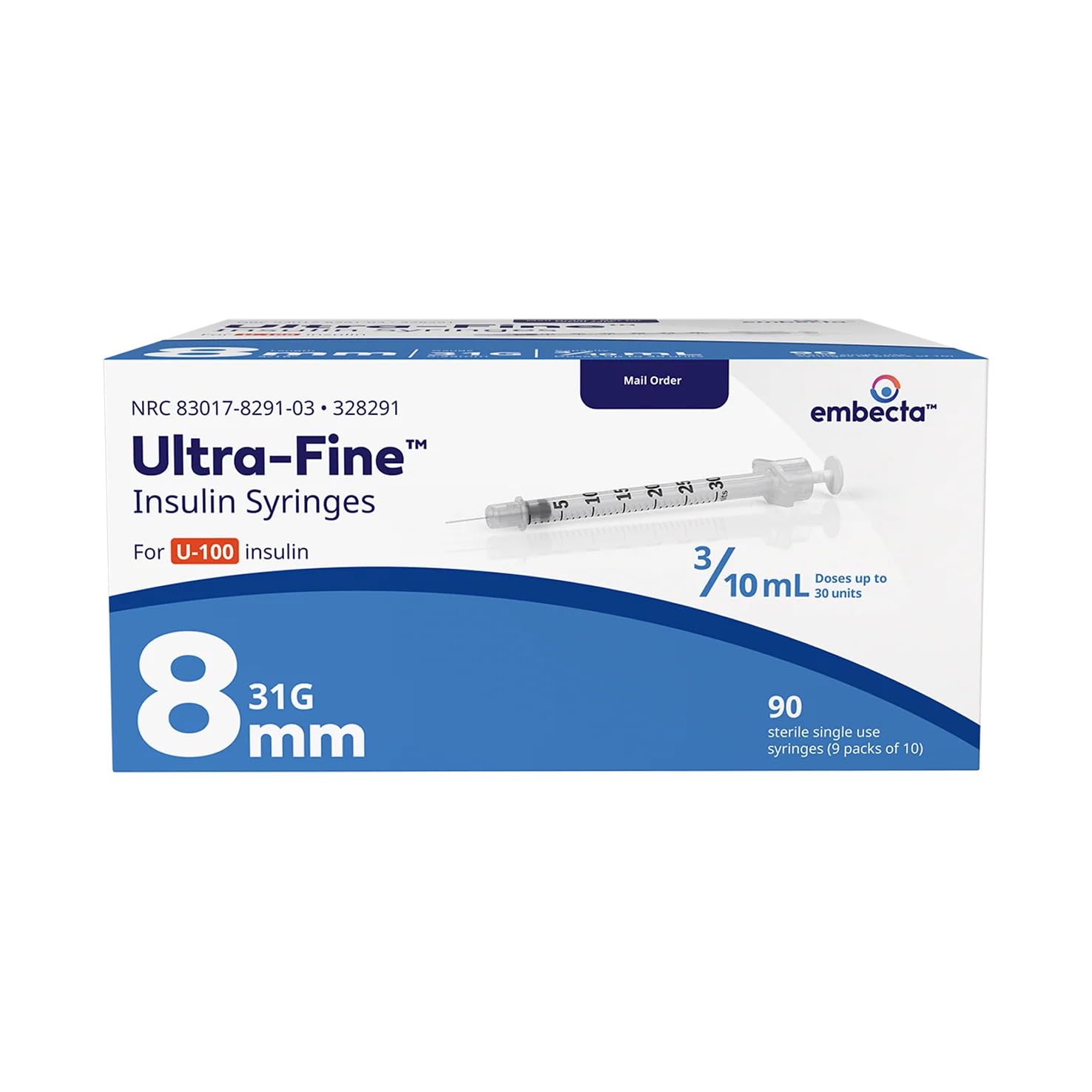
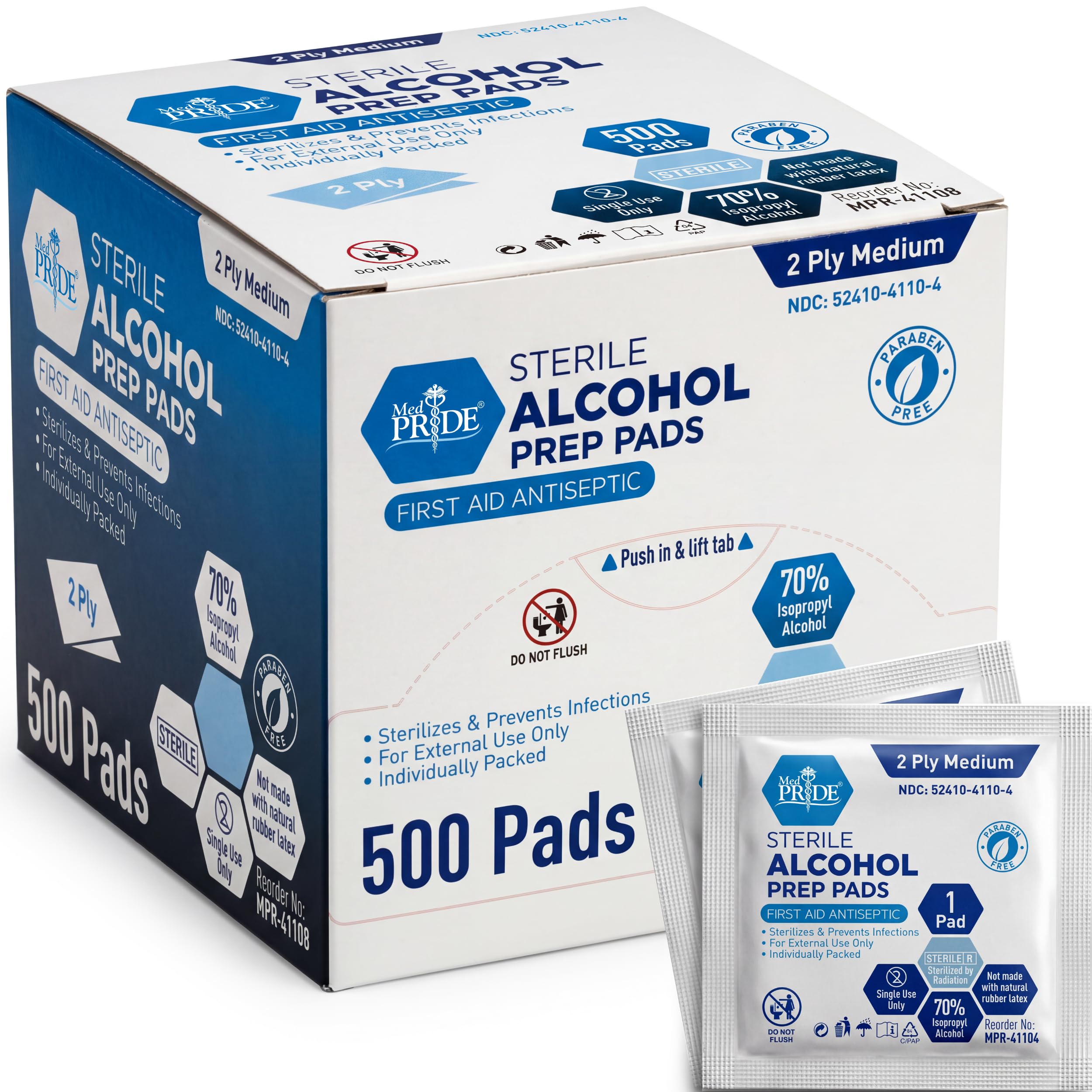
The essentials for running any reconstituted injectable: cold storage, accurate syringes, alcohol prep pads, and metabolic tracking.
As an Amazon Associate, The Peptide Catalog earns from qualifying purchases.
Full catalog →The Thin Safety Data and the Copper-Accumulation Question
The most important thing to say about AHK-Cu's safety is also the least satisfying: there isn't much formal data. The primary AHK-Cu study (Pyo et al. 2007, PMID 17703734) was a cell-culture and isolated-follicle investigation of efficacy, not a human safety trial. So statements that topical AHK-Cu is "well tolerated" rest on the copper-peptide class generally — much of it built on GHK-Cu (Pickart & Margolina 2018, PMID 29986520) — and on community use, rather than on dedicated AHK-Cu safety study.
The specific open question is copper accumulation. Topical delivery puts far less copper into the body than oral or intravenous routes, and the skin barrier limits absorption, so the systemic exposure from a copper-peptide serum is plausibly low. But whether heavy, long-term topical copper-peptide use leads to any meaningful copper accumulation has not been characterized in human studies. The accurate position is neither "it causes copper toxicity" nor "it's definitely safe long-term" — it's that this specific question is unstudied for topical AHK-Cu. Stating that gap plainly is more honest than inventing a risk or dismissing one.
How to Read This Safety Picture
The documented AHK-Cu safety profile is narrow and reassuring as far as it goes: local skin reactions that are usually mild, an uncommon copper contact allergy in a sensitized minority, and the procedural risks of microneedling where it's added. Copper's status as a weak sensitizer (PMID 25098945) is the strongest single data point, and it points toward low allergy frequency.
Set against that is the candid limitation — AHK-Cu's own safety record is thin, the "well tolerated" framing is largely inherited from the copper-peptide class, and copper accumulation from long-term topical use is an open question rather than a settled one. Read accurately, AHK-Cu's risks appear modest and local, with the honest caveat that the absence of dedicated safety study means modest-and-local is an inference, not a proven conclusion.
References
| Citation |
Topic |
PMID |
| Fage et al., Contact Dermatitis (2014) |
Copper as a weak sensitizer; patch-test reactivity ~3.8% |
25098945 |
| Hostýnek & Maibach, Rev Environ Health (2004) |
Dermatologic aspects of copper hypersensitivity |
15327478 |
| Dhurat et al., Int J Trichology (2013) |
Microneedling + minoxidil (delivery-method risk context) |
23960389 |
| Kuceki et al., JAAD Int (2025) |
Copper-peptide microneedling for androgenetic alopecia |
40225275 |
| Pyo et al., Arch Pharm Res (2007) |
Primary AHK-Cu study (efficacy in vitro, not a safety trial) |
17703734 |
| Pickart & Margolina, Int J Mol Sci (2018) |
Copper-peptide (GHK-Cu) class data underlying the tolerability framing |
29986520 |
For educational and research purposes only. This is not medical advice. Consult a healthcare provider before use.