A synthetic cortex tetrapeptide with no validated human dose. What research-chem sources report for short courses, plus the extract-vs-synthetic caveat.
Cortagen is a synthetic cerebral-cortex tetrapeptide (Ala-Glu-Asp-Pro, or AEDP) from the Khavinson family of peptide bioregulators, and it has no validated human dose. Research-chemical vendors and self-reported community sources most commonly describe 10mg lyophilized vials reconstituted and administered as short subcutaneous or intramuscular courses of roughly 10-20 days, with daily amounts community-reported around 0.5-2mg — following the Russian bioregulator "course" convention rather than continuous daily use.
Every number below comes from vendor labeling and self-reported community sources, not from clinical dose-finding trials. One distinction drives the whole page: most human data cited for "cortex peptides" belongs to Cortexin, the injectable polypeptide extract, not to the synthetic Cortagen research chemical, which is backed only by a small preclinical animal and in-vitro literature from its originating laboratory.
Research-context information only. Cortagen is a research peptide. Protocols, doses, and reactions reported below come from published research and self-reported community sources. This article reports what has been documented, not what should be done. Consult a licensed physician for personal medical decisions.
Cortagen is a synthetic short-chain bioregulator modeled on a fragment of the Cortexin cortex extract. This guide reports the reconstitution math, the course-length convention, and the provenance of those figures.
Quick Reference: Protocol
The table below reports community and vendor-documented figures. Because no clinical dose-finding study exists for the synthetic peptide, none of these values represent a standard or validated protocol.
Parameter
Community / Research-Chem-Reported
Dose
~0.5-2mg per administration (self-reported; no validated human dose)
Route
Subcutaneous or intramuscular injection
Timing
Once daily, community-reported
Frequency
Daily across a short course
Course length
~10-20 days per course (Russian bioregulator convention)
Vial size
Commonly 10mg lyophilized research vials
Reconstitution
Bacteriostatic water → see table below
Storage
Refrigerate reconstituted vial, use within 28 days
These figures describe how research-chemical sources and community references document the compound. They are self-reported, not a clinically established schedule.
Routes of Administration
Self-reported community protocols describe two injection routes for the reconstituted synthetic peptide:
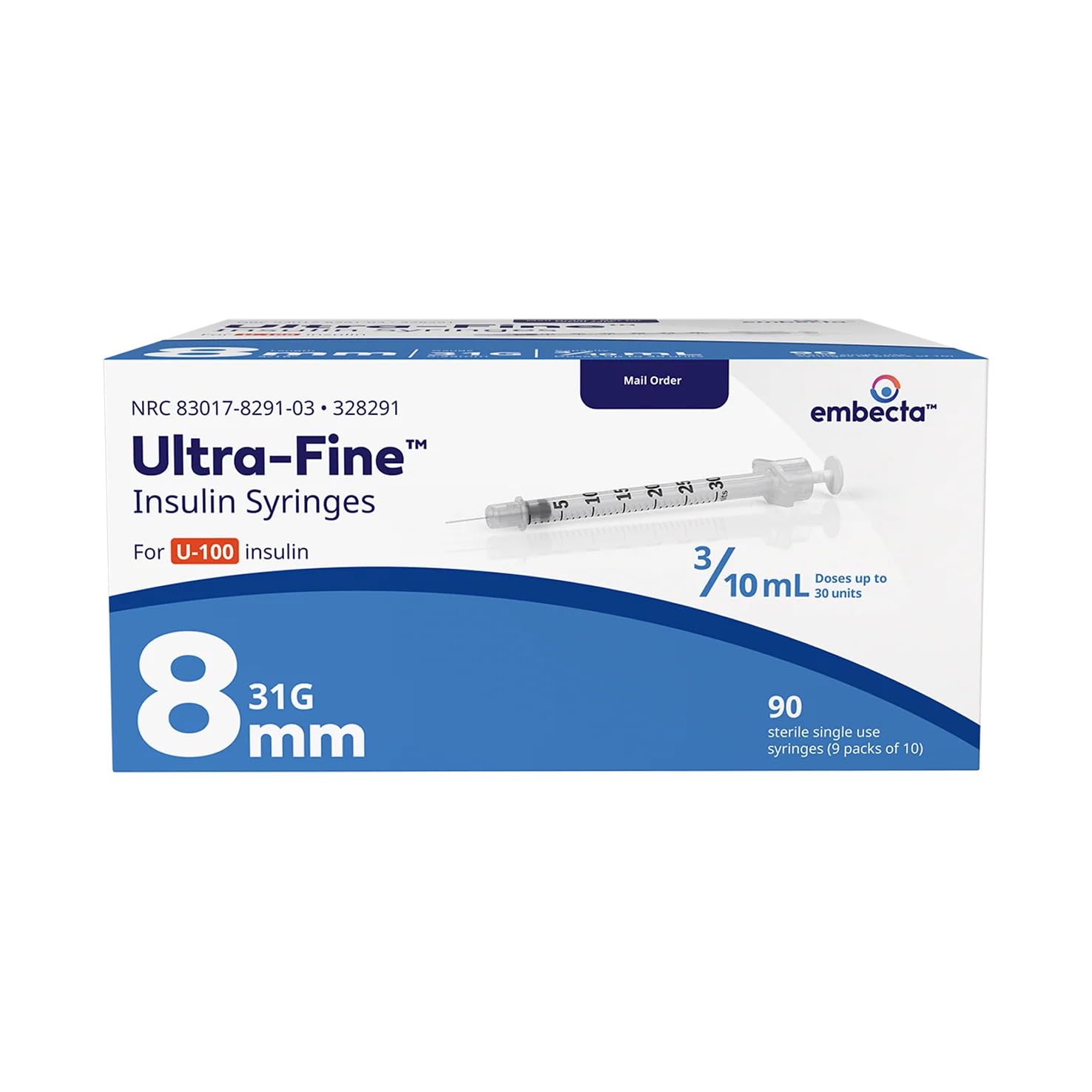
Subcutaneous (SC): the most commonly described route in community sources, using a small insulin syringe into subcutaneous tissue.
Intramuscular (IM): also reported; the parent extract Cortexin is administered intramuscularly in its clinical setting, and some community references carry that convention over to the synthetic.
No route has been validated for synthetic Cortagen. Vendors sell it labeled for laboratory research only, not for human use.
Bac Water Made for Peptides
Don't risk a $300 peptide on generic bac water.
Most cloudy reconstitutions trace back to one thing — and it isn't the peptide. Sterile, non-pyrogenic, 0.9% benzyl alcohol — formulated for peptide reconstitution, not repackaged from generic stock.
✓ 0.9% benzyl alcohol✓ Made for peptides✓ 30 mL multi-dose
The math: a 10mg vial plus 2mL of bacteriostatic water yields 5mg/mL, so a 1mg amount is 0.2mL, or roughly 20 units on a U-100 insulin syringe. Community notes describe swirling gently rather than shaking, refrigerating at 2-8°C, and discarding after 28 days.
There is no clinical dose-finding trial for synthetic Cortagen, so the figures above are not derived from established human data. The dose amounts and course lengths circulating in community sources are inherited from the Russian bioregulator tradition — the short, repeatable "course" convention originally applied to injectable tissue extracts — rather than from a study that titrated the synthetic tetrapeptide in people.
The evidence that does exist for the synthetic molecule is small, old, and largely from a single originating laboratory. That preclinical work reports sciatic-nerve regeneration in a rat model, effects on cortical neurons in tissue culture, and gene-expression changes in animal tissue (11713572; 15159690; 11276314; 12134478). These are the originators' preclinical findings in animal and in-vitro systems, not settled facts, and independent Western replication is effectively absent.
The proposed mechanism is Khavinson's gene-expression hypothesis — the idea that very short peptides interact with DNA and modulate transcription — a model demonstrated largely in vitro rather than in human tissue (22117547; 34834147). Whether it explains any effect of injected Cortagen in people has not been established.
The most important caveat for anyone reading dosing claims: the human clinical record usually invoked for "cortex peptides" belongs to Cortexin, the injectable polypeptide extract, and not to the synthetic Cortagen research chemical. Extract and synthetic are different products with different evidence bases, and figures documented for one should not be read as validated for the other.
Stacking Protocols
Community references sometimes describe running Cortagen alongside other Khavinson-family short peptides as part of a broader bioregulator course. These combinations are self-reported and carry no trial support.
What dose of Cortagen do research-chemical sources report?
There is no validated human dose. Vendor labeling and self-reported community sources most commonly describe 10mg lyophilized vials reconstituted and given as short subcutaneous or intramuscular courses of roughly 10-20 days, with daily amounts community-reported around 0.5-2mg. These are self-reported figures, not a clinically established protocol.
How long is a Cortagen course, per community sources?
Self-reported community protocols and the Russian bioregulator convention describe short courses of about 10-20 days rather than continuous daily use, sometimes repeated after a break. This course-and-pause pattern reflects how the tissue extract Cortexin has historically been administered, not a validated schedule for the synthetic peptide.
Is the human data on Cortagen from the synthetic peptide or the extract?
Most human clinical data attributed to cortex peptides belongs to Cortexin, the injectable polypeptide extract, not to synthetic Cortagen. The synthetic tetrapeptide (Ala-Glu-Asp-Pro) has only a small preclinical animal and in-vitro literature from its originating laboratory. This extract-versus-synthetic distinction matters when reading dosing claims.
How is Cortagen reconstituted, per documented protocols?
Community reconstitution notes describe adding 2mL of bacteriostatic water to a 10mg vial for a 5mg/mL concentration, where a 1mg amount equals 0.2mL or roughly 20 units on a U-100 insulin syringe. The reconstituted vial is refrigerated and typically discarded after 28 days. These figures report the math community sources document, not a recommended schedule.
What route do community sources use for Cortagen?
Self-reported community protocols describe subcutaneous or intramuscular injection of the reconstituted synthetic peptide. The Cortexin extract is administered intramuscularly in its clinical setting. No route has been validated for the synthetic research chemical, which is sold labeled for laboratory research only.