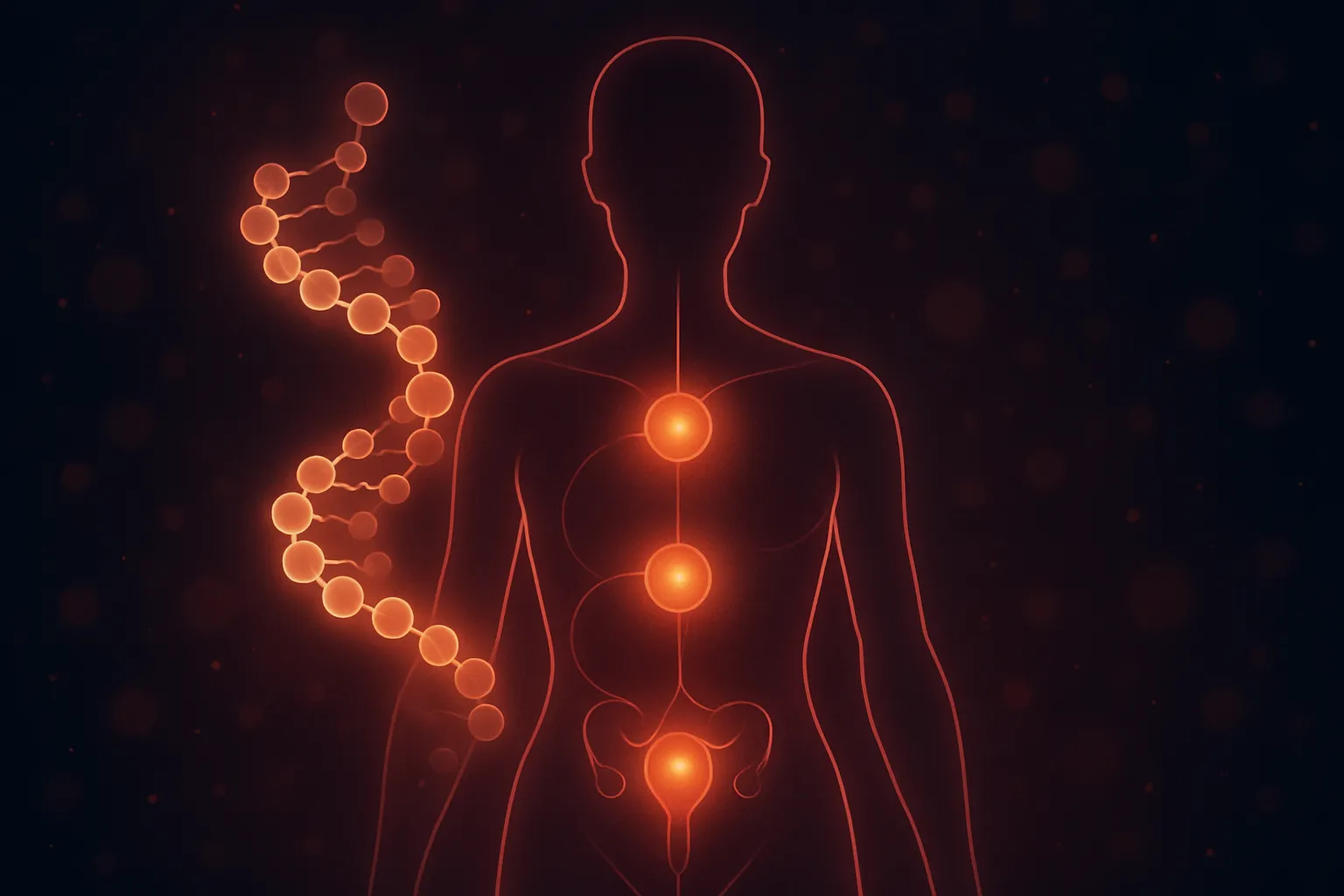
Kisspeptin is the principal upstream regulator of the hypothalamic-pituitary-gonadal (HPG) axis, acting on KNDy neurons that gate GnRH release (Skorupskaite et al., PMID 24615662). It has been studied extensively in academic reproductive endocrinology — in healthy male and female volunteers, in hypogonadotropic hypogonadism patients, and in subjects with hypoactive sexual desire. The published trial dataset reports clean safety at investigational doses.
Research-context information only. Kisspeptin is a research peptide. Protocols, doses, and reactions reported below come from published research and self-reported community sources. This article reports what has been documented, not what should be done. Consult a licensed physician for personal medical decisions.
This article walks through the trial findings, the HPG-axis-specific considerations community sources commonly describe, and the dose-pause patterns documented in research and community sources.
Trial-Reported Adverse Events
From the breadth of published kisspeptin human studies (summarized by Skorupskaite et al., PMID 24615662):
The trial dataset spans single-dose subcutaneous and IV administration, continuous infusion over hours to days, and pulsatile multi-day dosing. Across these protocols, the safety findings have been consistent.
The kisspeptin mechanism is upstream of GnRH. Pharmacologic effects on the HPG axis are the desired endpoint in most trials — not adverse events — but they have implications for users:
Premenopausal women — pharmacologic LH surge can trigger ovulation. Users not trying to conceive should be aware of this; community sources commonly describe contraception planning.
Men — kisspeptin produces dose-dependent testosterone increases via the HPG axis. Sustained use in men with normal baseline testosterone may produce supraphysiologic elevation.
Hypogonadotropic hypogonadism patients — clinical trials described restoration of gonadotropin secretion as the target effect.
These are pharmacologic findings. They are not adverse events in trial terminology, but they are practical implications for user safety planning.
Self-Reported Community Adverse Events
Note on labeling: the events below come from r/peptides and community forums for subcutaneous research-peptide kisspeptin use. They are not from published trials.
Brief libido and mood lift
Most consistent community feedback. Self-reported community sources describe a libido and mild mood-lift effect that aligns with the HPG-axis stimulation mechanism. Published trials have documented similar findings as efficacy endpoints, not adverse events.
Injection-site reactions
The standard pattern for subcutaneous peptides. Mild redness or itching, typically resolved within 24 hours.
Menstrual cycle changes (in female users)
Community reports cluster around cycle-timing shifts in female users — earlier ovulation, modified cycle length. The pattern aligns with the HPG-axis mechanism. Published trials in female cohorts documented similar pharmacologic ovulation-rescue findings in disease-state populations.
Brief fatigue
Less consistently reported. Some users describe mild fatigue in the first 1-3 doses; the pattern fades by week 1 in nearly all reports.
Less Commonly Reported Events
These appear sparsely in community data.
Mild GI changes — sparse community reports of transient appetite shifts.
Sleep changes — mixed pattern; some users describe deeper sleep.
Light flushing post-injection — uncommon.
Dose-Response Patterns
Trial protocols spanned single doses of micrograms to multi-hour infusions of larger total doses (kisspeptin-10, kisspeptin-54, and other fragments). Community-reported research-peptide doses cluster around 100-1000 mcg per dose subcutaneously, daily or every other day.
Self-reported community sources describe libido and mood effects scaling with per-dose amount; injection-site reactions independent of dose.
Bac Water Made for Peptides50% off
Don't risk a $300 peptide on generic bac water.
Most cloudy reconstitutions trace back to one thing — and it isn't the peptide. Sterile, non-pyrogenic, 0.9% benzyl alcohol — formulated for peptide reconstitution, not repackaged from generic stock.
✓ 0.9% benzyl alcohol✓ Made for peptides✓ 30 mL multi-dose
Trial protocols used short courses. Community sources commonly describe cycles of 2-4 weeks on, 2-4 weeks off, citing the desire to monitor cycle effects in female users and to assess baseline HPG-axis function in male users.
Permanent discontinuation is uncommon in community reports. The most-cited triggers: unwanted HPG-axis effects (unplanned ovulation, supraphysiologic testosterone), completion of a cycle, or simply ending an experimental use.
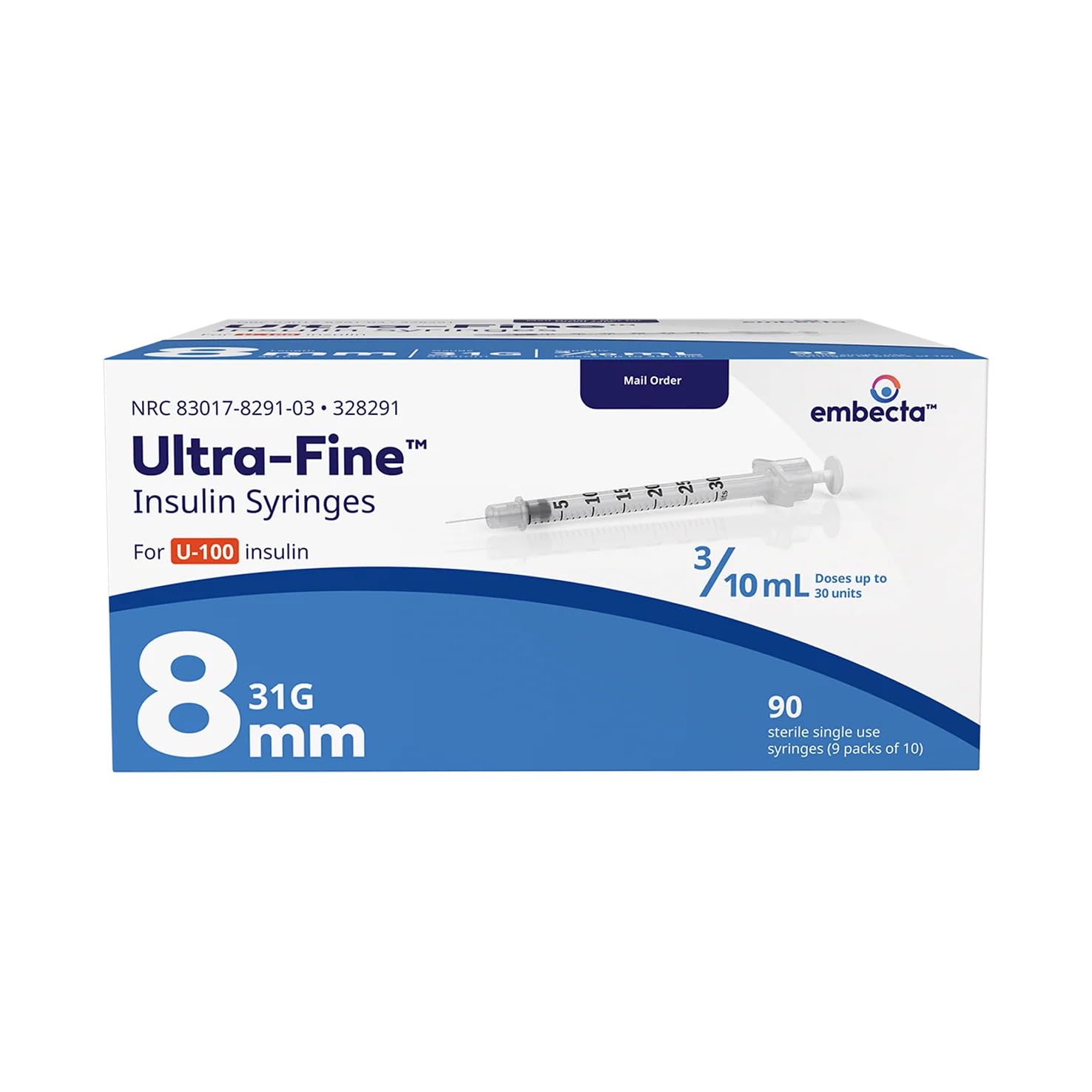
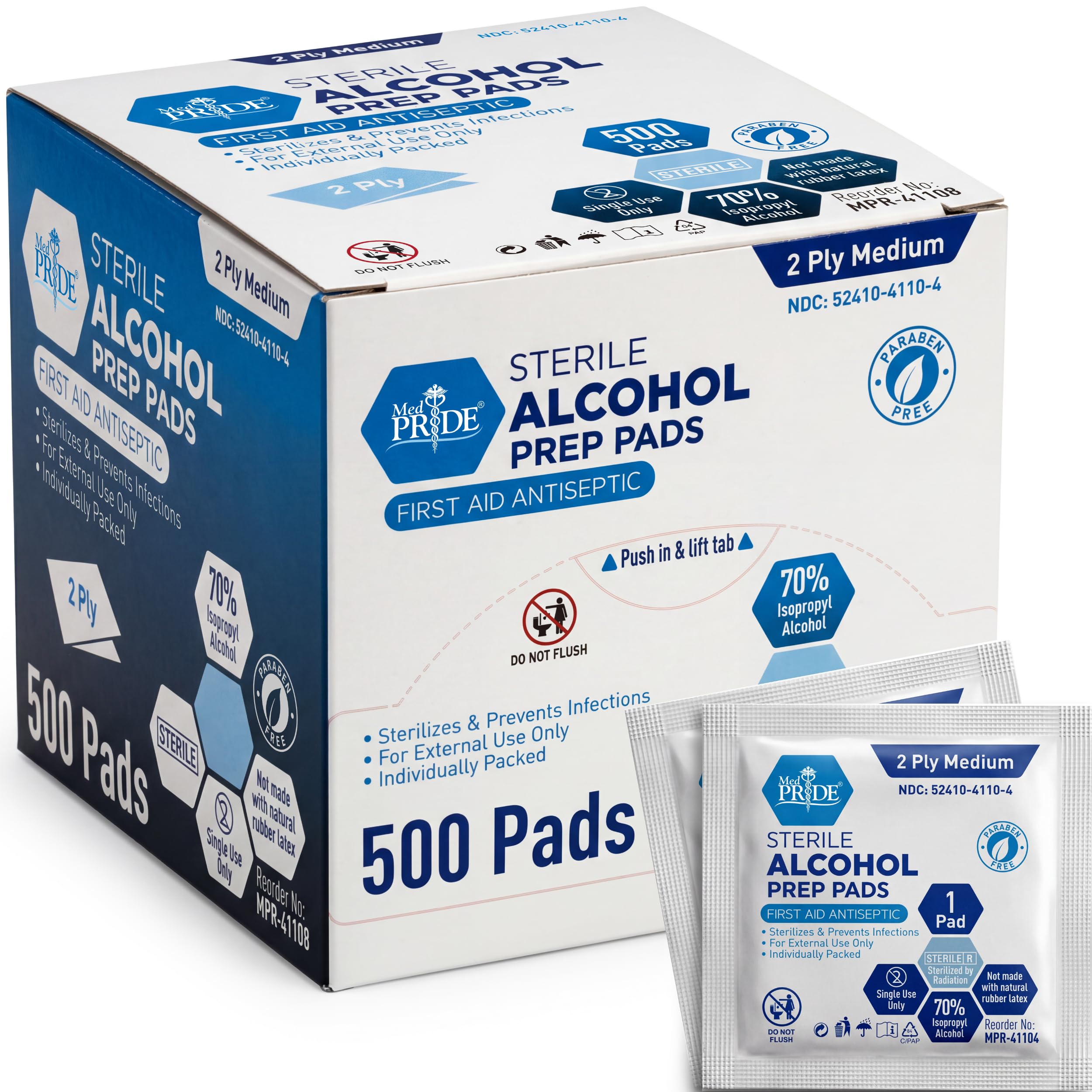
Core Supplies for This Protocol
The essentials for running any reconstituted injectable: cold storage, accurate syringes, alcohol prep pads, and metabolic tracking.
Multiple human studies of single and repeated kisspeptin administration in healthy male and female volunteers reported no significant adverse events at investigational doses (Skorupskaite et al., PMID 24615662 — comprehensive review of human kisspeptin trials).
Has kisspeptin been tested in humans?
Yes — extensively in academic reproductive endocrinology settings. Multiple Phase 1 and Phase 2 trials across male and female cohorts evaluated kisspeptin's effects on LH/FSH secretion, ovulation rescue, and libido endpoints. Safety profiles in published trials have been clean at the studied doses.
Does kisspeptin cause libido changes?
Self-reported community data and recent academic trial work describe modest libido increases as a target effect in some subjects. The pattern is more pronounced in cohorts with documented baseline hypoactive sexual function. Published trials did not identify libido changes as adverse events.
Can kisspeptin trigger ovulation in users not trying to conceive?
Yes. Kisspeptin's principal mechanism is upstream stimulation of the HPG axis, which can trigger LH surge and ovulation in women. Premenopausal women using research-peptide kisspeptin should be aware of this possibility; community sources commonly describe contraception planning around use.
When do trial protocols and community sources describe stopping kisspeptin?
Trial protocols generally used short courses (single doses to multi-week studies). Permanent discontinuation events have been rare. Community sources describe pausing primarily after completing a typical cycle or when unwanted HPG-axis effects emerge.
For educational and research purposes only. This is not medical advice. Kisspeptin is not FDA-approved for any indication. Consult a healthcare provider before use.