dosingJune 3, 2026·6 min read

Pinealon Dosage: What the Research Shows

There's no human-trial dose for Pinealon. Community protocols cluster at 5-10mg/day in short courses — here's the math and where the numbers come from.

Pinealon Dosing: What the Research Shows

There is no clinically established dose for Pinealon. No human trial has set one, so every "protocol" figure you see online is a community convention — typically 5-10 mg subcutaneously per day in short 10-20 day courses. Below is the reconstitution math, syringe-unit conversions, and an honest account of where those numbers come from (and where they don't).

Pinealon is a synthetic tripeptide — Glu-Asp-Arg, also called EDR — from the Russian "peptide bioregulator" research program associated with Vladimir Khavinson. The evidence behind it is preclinical: cell-culture and rodent studies, largely from one group.

Research-context information only. Pinealon is an unapproved research peptide with no FDA evaluation and no human clinical trials. The doses, schedules, and reactions reported below come from preclinical studies and self-reported community sources. This article reports what has been documented, not what should be done. Possession or use of research peptides outside an authorized study may be restricted in your jurisdiction. Consult a licensed physician for personal medical decisions.

Pinealon (EDR / Glu-Asp-Arg) Dosing Table

Match your vial size below — reconstitution and dose math update automatically.

Reconstitute: add 1 mL of bacteriostatic water to the 10 mg vial. Resulting concentration: 10 mg/mL.
5 mg50 units · 0.5 mL
Daily SubQ, ~10-20 day course
Community convention — no trial dose exists
10 mg100 units · 1 mL
Daily SubQ, ~10-20 day course
Upper community range; unvalidated

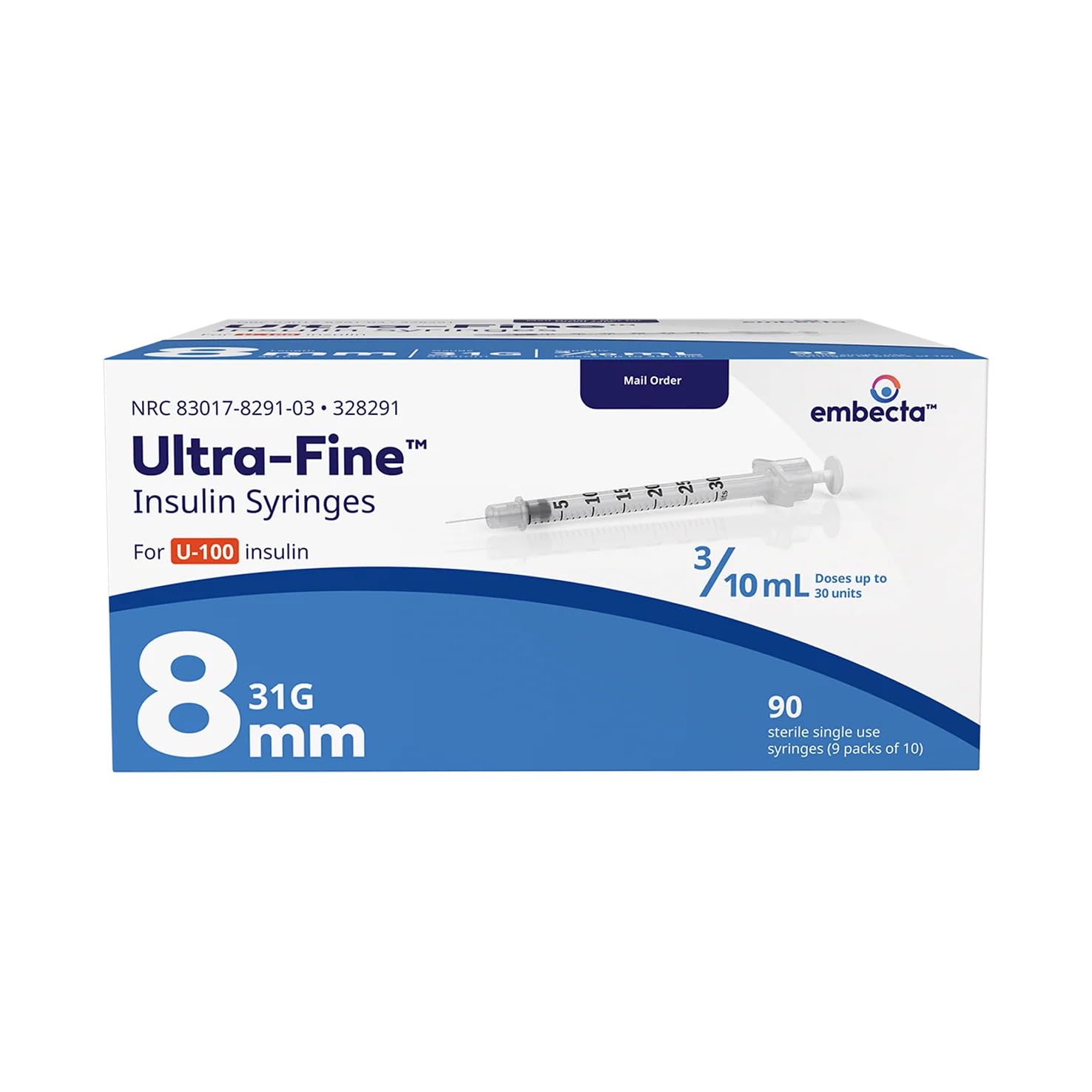
Math assumes U-100 insulin syringes (1 mL = 100 units). Verify your syringe matches before injecting. Round half-units to the nearest visible mark.

Quick Reference: Community Protocol

Parameter Detail
Vial 10 mg
BAC Water 1 mL
Concentration 10 mg/mL
Common dose 5-10 mg (50-100 units on insulin syringe)
Route Subcutaneous (community-reported)
Timing AM
Frequency Once daily
Course 10-20 days (community convention)
Storage Refrigerate, use within 28 days

None of these figures come from a human trial. They are the most commonly described community conventions, anchored loosely to the short-course design of preclinical rodent work. For the full Pinealon profile and vendor pricing, see our Pinealon peptide page.

Cycling Details

Community sources describe Pinealon as a short-course peptide — typically a 10-20 day run, sometimes repeated a few times per year. This mirrors the way Khavinson-program bioregulators were administered in their preclinical work (short pulses rather than continuous dosing), but no human study has tested any cycling schedule. The "1-3 courses per year" figure circulated in community write-ups is convention, not evidence.

Routes of Administration

Subcutaneous injection is the route community sources describe after reconstituting the lyophilized vial.

  • Sites: Abdomen or anywhere with subcutaneous fat
  • Volume: 0.5-1.0 mL at the 10 mg/mL dilution
  • Note: No route has been validated for Pinealon in humans; oral use is not described because peptides are degraded in the gut
30ml bacteriostatic water vial — 0.9% benzyl alcohol multi-dose
Bac Water Made for Peptides
Don't risk a $300 peptide on generic bac water.
Most cloudy reconstitutions trace back to one thing — and it isn't the peptide. Sterile, non-pyrogenic, 0.9% benzyl alcohol — formulated for peptide reconstitution, not repackaged from generic stock.
0.9% benzyl alcohol Made for peptides 30 mL multi-dose
See why our bac water doesn't ruin peptides
Ships fast · Code thepeptidecatalog

Reconstitution Quick Reference

Vial Size BAC Water Concentration 5 mg dose 10 mg dose
10 mg 1 mL 10 mg/mL 50 units 100 units

Math: 10 mg / 1 mL = 10 mg/mL. For 5 mg: 5 / 10 = 0.5 mL = 50 units on a 100-unit insulin syringe. For 10 mg: the full 100-unit syringe.

Community protocols describe gentle swirling — not shaking — with storage at 2–8°C and use within 28 days. For the full step-by-step walkthrough and vial-size comparisons, see the Pinealon Reconstitution Guide.
Top Pinealon Vendors

Ranked by price, COA availability, and reputation

1
Ascension PeptidesCOA
10/10
10mg$5.00/mg
2
Glacier AminosCOA
9.5/10
10mg$5.00/mg
3
Swiss ChemsCOA
9/10
20mg$2.90/mg

Affiliate disclosure: vendor links in this article are affiliate links — The Peptide Catalog may earn a commission if you buy through them, at no additional cost to you.

Where These Numbers Come From

The 5-10 mg/day figure is not a trial dose — it is a community convention, and it is worth being explicit about that.

Pinealon dose draw on an insulin syringe

The 5-10 mg/day figure people use isn't from a dose-finding study. The published Pinealon literature is preclinical. In a cell-culture study, the synthetic tripeptide reduced reactive-oxygen-species accumulation in cerebellar granule cells, neutrophils, and PC12 cells in a dose-dependent manner (Khavinson et al., 2011). Those concentrations were micromolar amounts applied to cells in a dish — they do not translate to a milligram human injection dose.

Rodent work used dosing tied to body weight, not the human figures. A study in rat offspring exposed to prenatal hyperhomocysteinemia administered Pinealon to pregnant rats and reported improved offspring spatial learning and reduced neuronal oxidative stress (Arutjunyan et al., 2012). Animal dosing does not map directly onto the 5-10 mg/day human convention.

Why the numbers persist anyway: vendors sell Pinealon almost exclusively as a 10 mg vial, and the round "5 mg or 10 mg per day" convention is a tidy fit for that single vial size. The dose is shaped by the product format and community habit — not by a dose-response trial.

Stacking Protocols

The Pinealon research literature studied the peptide as a single agent in cells and rodents, not as part of a stack, so there are no study-documented combinations.

Stack Rationale Notes
Pinealon + Semax Both are discussed in community sources as nootropic/neuro peptides via different mechanisms No study data on the combination; community-reported only
Pinealon + Epitalon Frequently paired in community Khavinson-bioregulator stacks No controlled data supports the pairing

Community sources occasionally describe combining Pinealon with other neuro or longevity peptides, but no controlled data supports any specific combination.

Side Effects & Safety

  • No human safety data — there are no clinical trials, so the human side-effect profile is genuinely unknown
  • Injection-site reactions — the most commonly mentioned issue in community reports (mild redness or irritation)
  • Preclinical tolerability — animal and cell studies reported low toxicity at the doses used, but that is not a human safety claim
  • Single-group evidence — most published data comes from one research program, which limits independent confirmation

Pinealon dilution and dose-range diagram

mg to Units Conversion

On a standard 100-unit insulin syringe, each "unit" equals 0.01 mL (100 units = 1 mL). The conversion from a community dose to syringe units depends on the chosen dilution.

Reconstitution A: 10 mg vial + 1 mL BAC water (10 mg/mL) — the standard dilution that keeps a 5 mg draw at a measurable 50 units.

Dose (mg) Volume (mL) Units (insulin syringe)
2.5 mg 0.25 mL 25 units
5 mg 0.50 mL 50 units
10 mg 1.00 mL 100 units

Reconstitution B: 10 mg vial + 2 mL BAC water (5 mg/mL) — more dilute, so the same doses draw at larger, easier-to-read volumes.

Dose (mg) Volume (mL) Units (insulin syringe)
2.5 mg 0.50 mL 50 units
5 mg 1.00 mL 100 units

These conversions reflect dilutions documented in community reconstitution math. They report how the math is described, not a recommended dosing schedule.

Frequently Asked Questions

What dose of Pinealon do protocols use?
There is no clinically established Pinealon dose — no human trials have set one. Community protocols most often describe 5-10 mg per day given subcutaneously in short 10-20 day courses, sometimes split into a morning dose. These are self-reported conventions, not validated figures.
How is Pinealon reconstituted?
A 10 mg vial reconstituted with 1 mL bacteriostatic water yields 10 mg/mL, where a 5 mg draw equals 0.5 mL (50 units) and 10 mg equals 1 mL (100 units) on a 100-unit insulin syringe. These conversion figures reflect the reconstitution math described in community sources, not a clinically validated protocol.
Is Pinealon taken by injection?
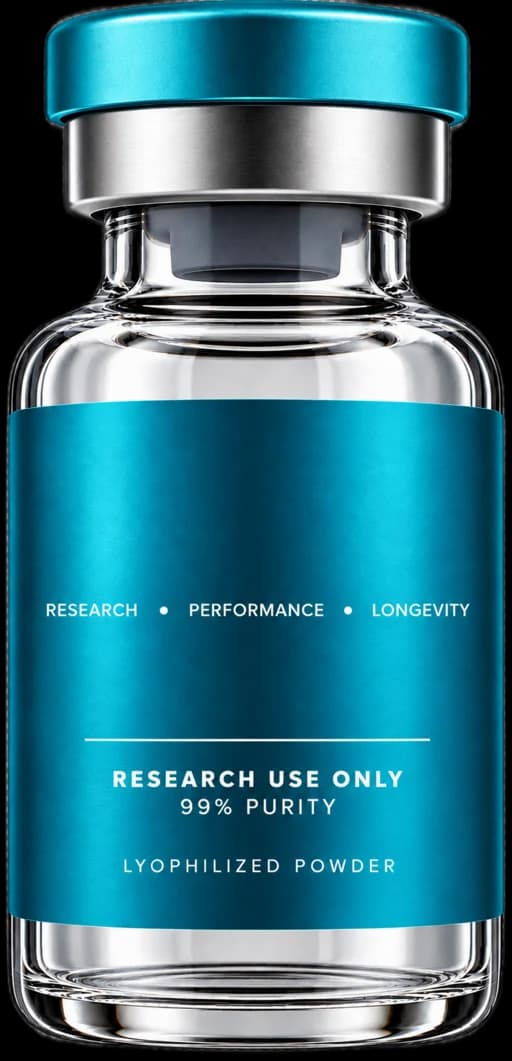
Vendors sell Pinealon as a lyophilized vial, and community protocols describe subcutaneous injection after reconstitution. As a peptide it is broken down in the digestive tract, so oral use is not described. No route has been validated in human trials.
Are there human dosing studies for Pinealon?
No. Published Pinealon research is preclinical — cell culture and rodent models from a single research group. No human clinical trial has established a dose, schedule, or safety profile, so any protocol figure is a community convention rather than evidence.

References

Citation Topic PMID
Khavinson V, et al., Rejuvenation Res (2011) Pinealon reduces ROS and necrotic cell death in cell culture 21978084
Arutjunyan A, et al., Int J Clin Exp Med (2012) Pinealon in rat offspring — learning and oxidative stress 22567179
Khavinson V, et al., Molecules (2020) EDR peptide gene-expression mechanism in Alzheimer's pathology 33396470

This article is for educational and informational purposes only. It is not medical advice. Pinealon is not FDA-approved for any indication and has no human clinical-trial data. Consult a licensed healthcare provider before using any peptide.