reconstitutionJune 3, 2026·4 min read

Pinealon Reconstitution: 10mg + 1mL Chart

At 10mg/mL, a community-documented 5mg draw is exactly 50 units. Most mixing errors happen at the syringe math. Pinealon dilution chart, storage, and steps.

Pinealon Reconstitution Guide

The clean number to remember: a 10 mg Pinealon vial reconstituted with 1 mL of bacteriostatic water gives 10 mg/mL, where a 5 mg draw is exactly 50 units on a 100-unit insulin syringe and 10 mg fills the syringe. Most reconstitution errors happen at the syringe-math step, not the mixing step.

Research-context information only. Pinealon is an unapproved research peptide with no FDA evaluation and no human clinical trials. This article reports how reconstitution math is documented in community sources, not what should be done. Consult a licensed physician for personal medical decisions.

This guide covers the supplies, the mixing process as community sources describe it, and the dilution charts for Pinealon. For dose and protocol context — including the fact that no trial dose exists — see the Pinealon dosing guide.

New to bacteriostatic water? Start with what it is, how much to use per vial, and how long it lasts — or see the full Bacteriostatic Water Guide.

What You Need

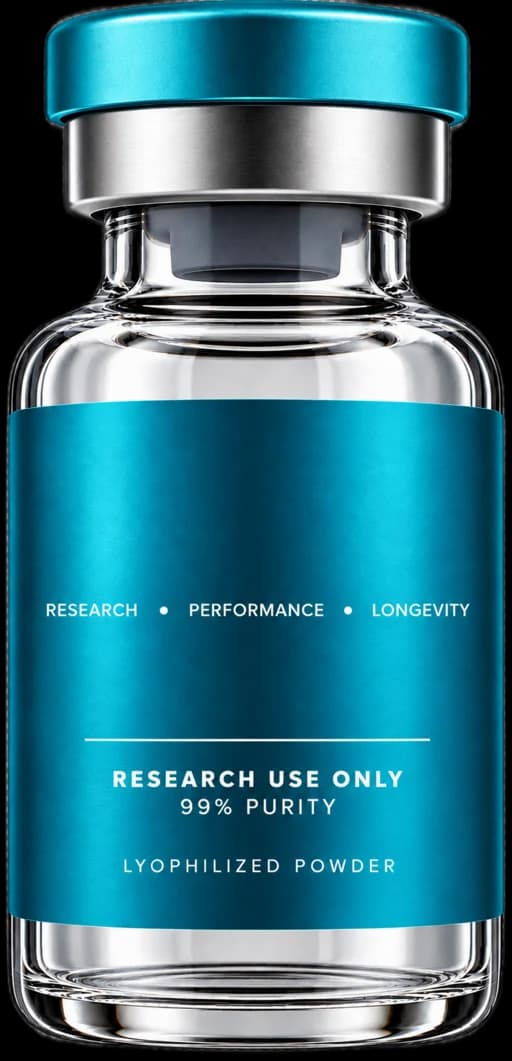
  • A vial of lyophilized (freeze-dried) Pinealon — typically 10 mg
  • Bacteriostatic water (0.9% benzyl alcohol)
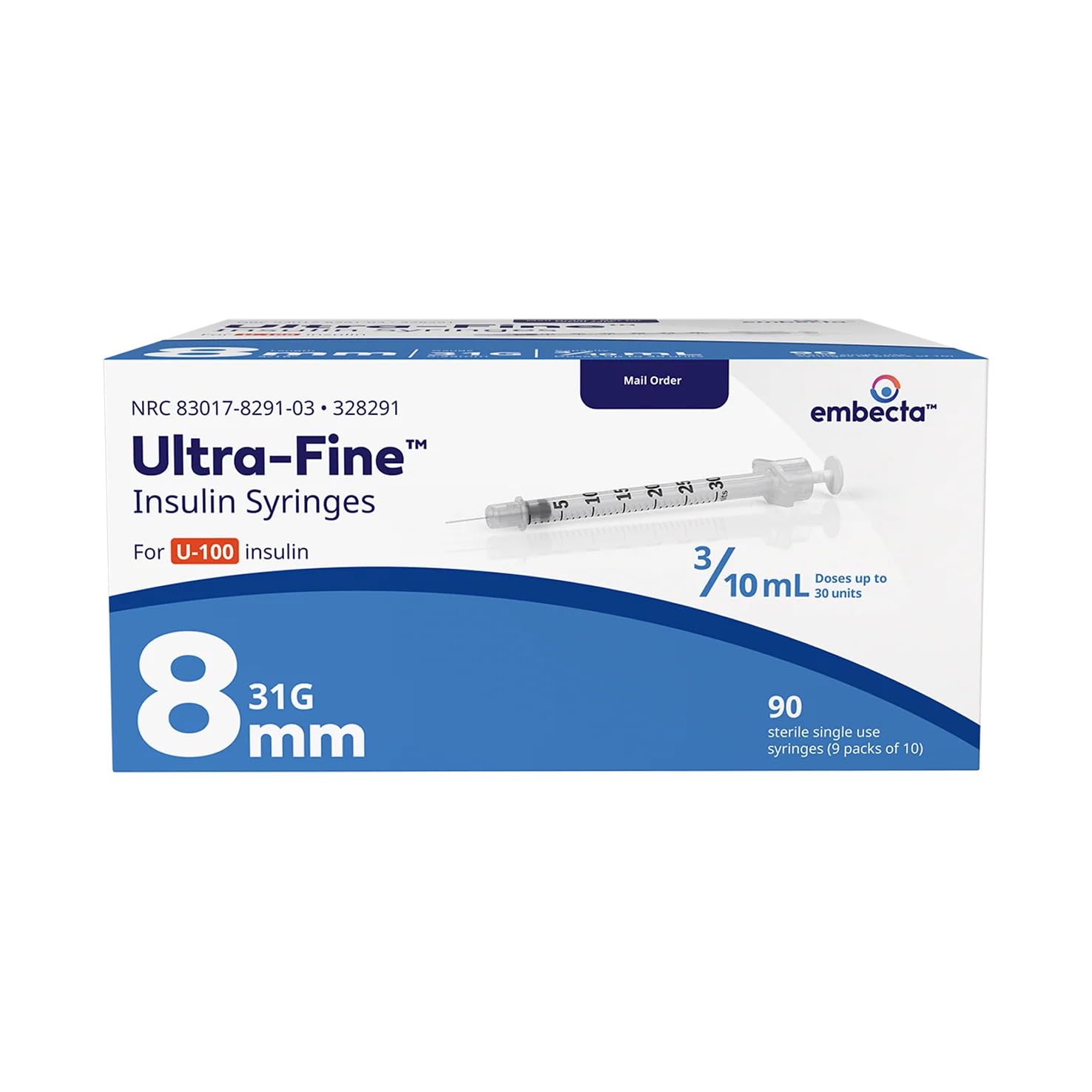
  • Insulin syringes (100-unit / U-100, 29-31 gauge)
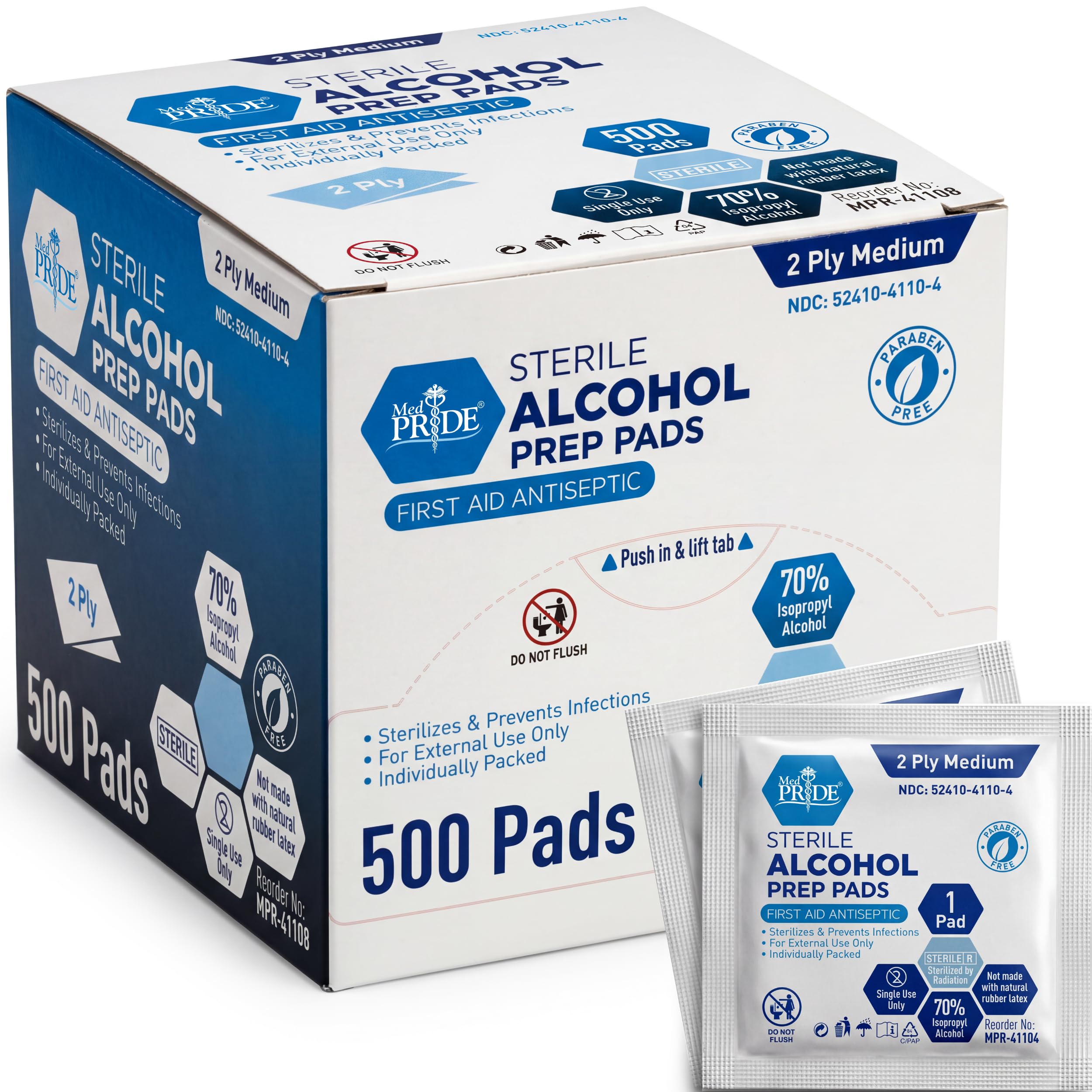
  • Alcohol swabs
  • A clean, flat surface
30ml bacteriostatic water vial — 0.9% benzyl alcohol multi-dose
Bac Water Made for Peptides
Don't risk a $300 peptide on generic bac water.
Most cloudy reconstitutions trace back to one thing — and it isn't the peptide. Sterile, non-pyrogenic, 0.9% benzyl alcohol — formulated for peptide reconstitution, not repackaged from generic stock.
0.9% benzyl alcohol Made for peptides 30 mL multi-dose
See why our bac water doesn't ruin peptides
Ships fast · Code thepeptidecatalog

Step-by-Step Reconstitution

The steps below describe how reconstitution is documented in community protocols and standard sterile practice — they report common practice, not a clinical instruction.

  1. Both vials are allowed to reach room temperature first. Cold peptide and cold water are documented to cause condensation.
  2. Both stoppers are swabbed — the Pinealon vial and the bacteriostatic water vial — with an alcohol swab, per standard sterile practice.
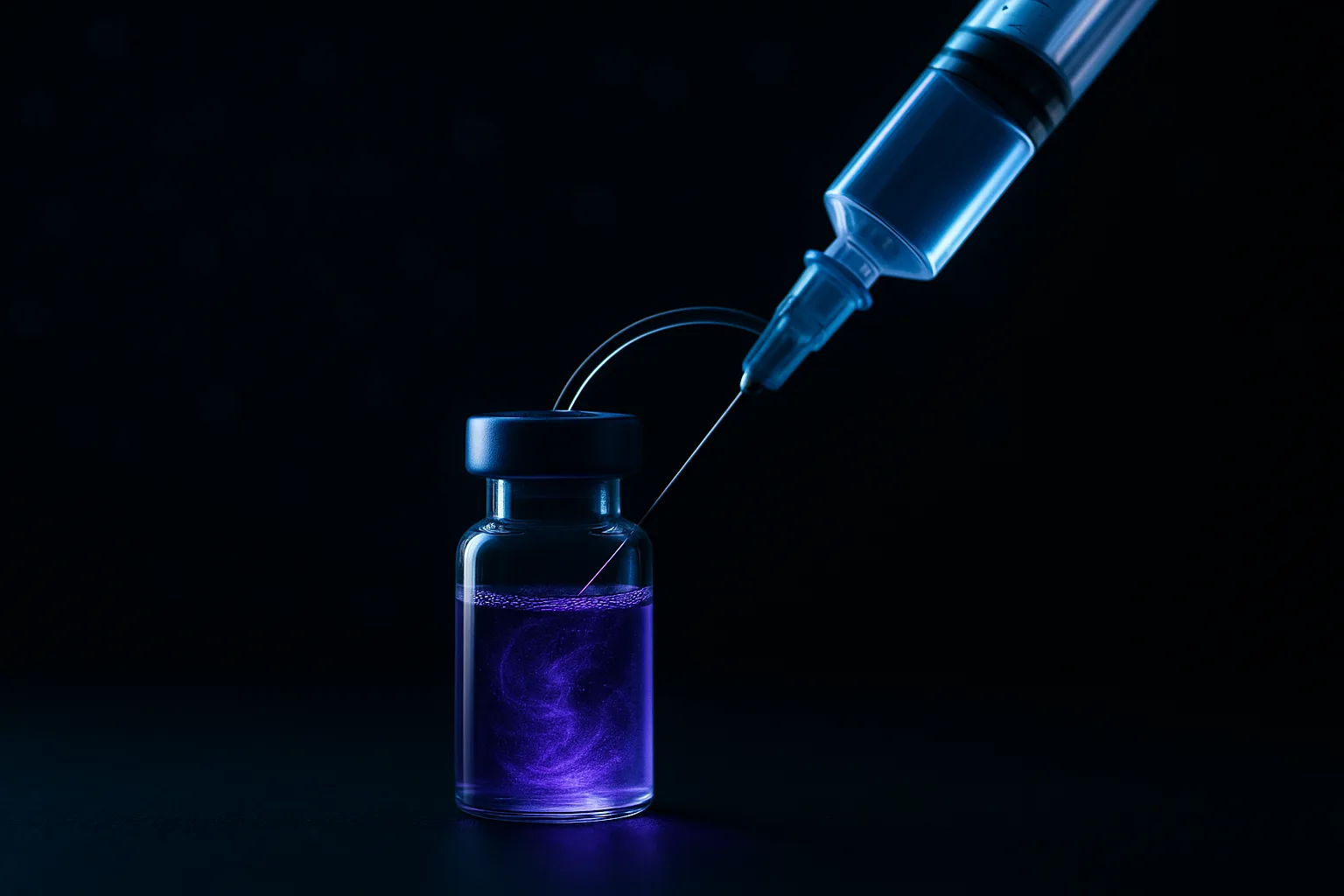
  3. The bacteriostatic water is drawn into the syringe. For the standard 10 mg/mL dilution, protocols describe drawing 1 mL (100 units) of bacteriostatic water.
  4. The water is added slowly down the side wall. Standard practice is to insert the needle at an angle so the water runs down the inside wall of the vial — not directly onto the powder.
  5. The vial is swirled, not shaken. Documented protocols describe swirling gently until the powder fully dissolves; shaking is reported to shear the peptide.
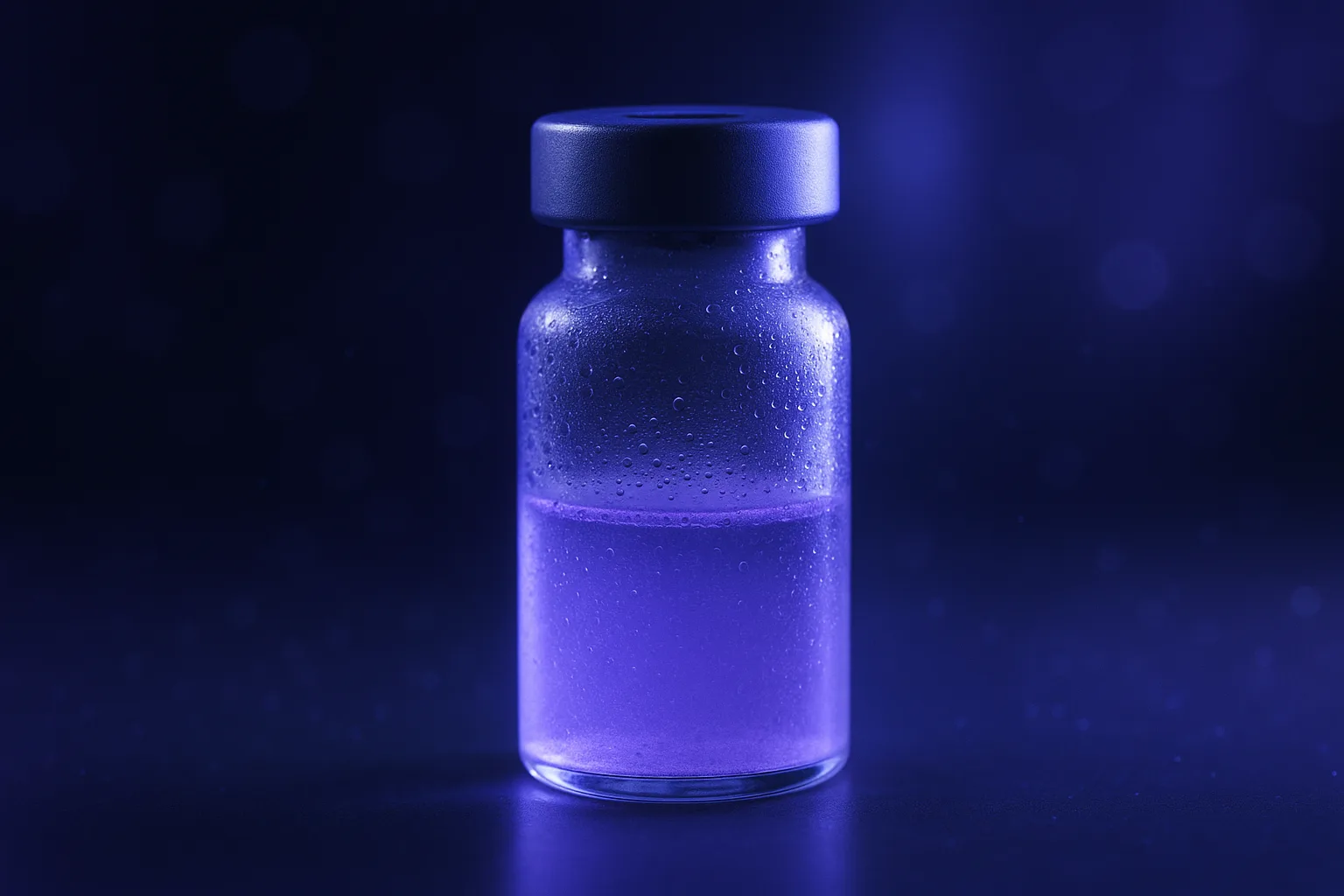
  6. The solution is inspected. A properly reconstituted solution is reported to be clear and free of particles.
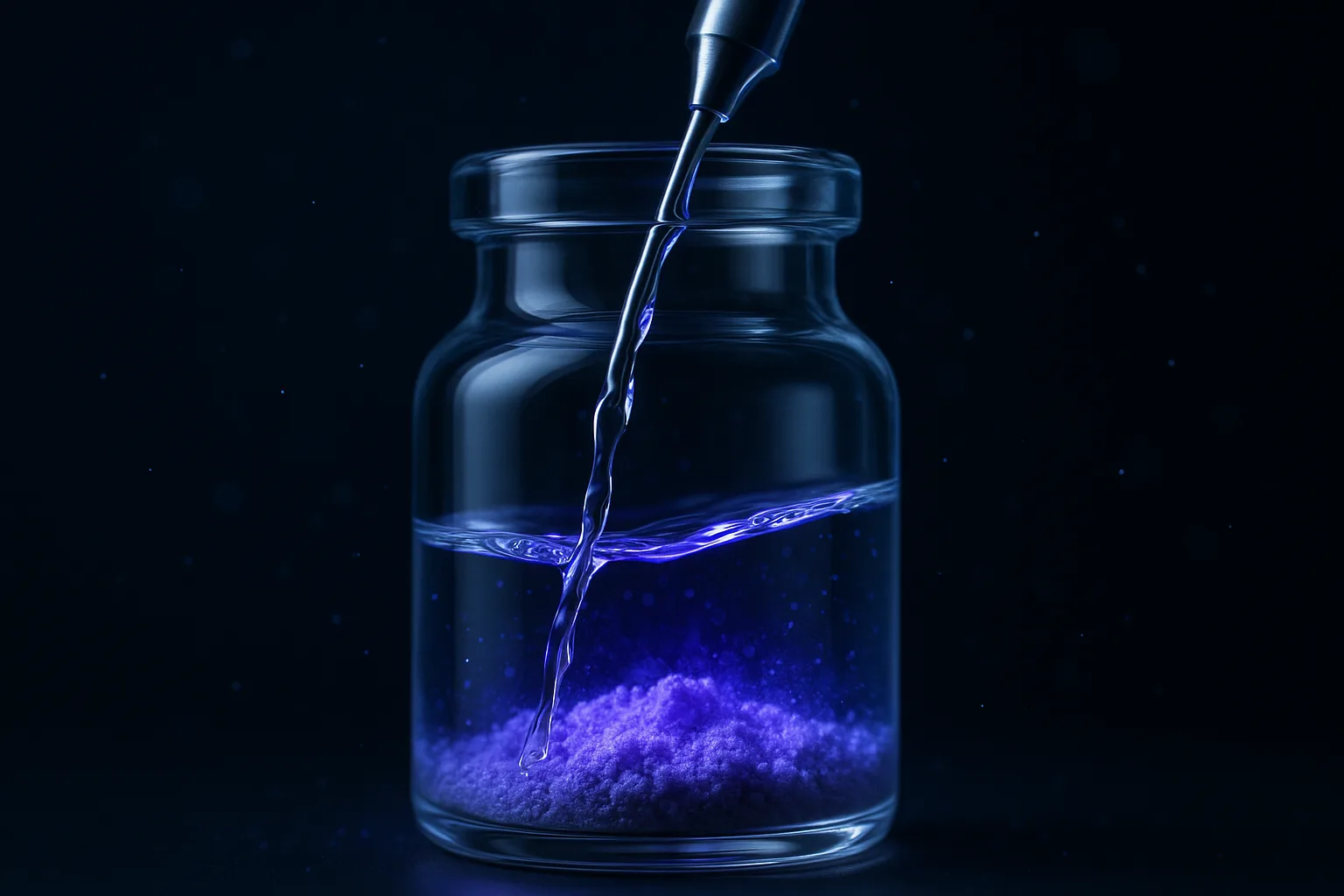
Pinealon mixing — water down the side wall

Dilution Chart

10 mg vial + 1 mL bacteriostatic water = 10 mg/mL (the standard Pinealon dilution):

Dose Volume (mL) Units (100-unit syringe)
2.5 mg 0.25 mL 25 units
5 mg 0.50 mL 50 units
10 mg 1.00 mL 100 units

10 mg vial + 2 mL bacteriostatic water = 5 mg/mL (more dilute — larger, easier-to-read draws):

Dose Volume (mL) Units (100-unit syringe)
2.5 mg 0.50 mL 50 units
5 mg 1.00 mL 100 units

Syringe Math

The conversion is deterministic. On a U-100 insulin syringe, 1 unit = 0.01 mL.

  • Concentration = vial mg ÷ bacteriostatic water mL. For 10 mg + 1 mL: 10 mg/mL.
  • Volume for a dose = dose mg ÷ concentration. For a 5 mg dose: 5 ÷ 10 = 0.5 mL.
  • Units = volume mL × 100. For 0.5 mL: 50 units.
Top Pinealon Vendors

Ranked by price, COA availability, and reputation

1
Ascension PeptidesCOA
10/10
10mg$5.00/mg
2
Glacier AminosCOA
9.5/10
10mg$5.00/mg
3
Swiss ChemsCOA
9/10
20mg$2.90/mg

Affiliate disclosure: vendor links in this article are affiliate links — The Peptide Catalog may earn a commission if you buy through them, at no additional cost to you.

Storage Rules

State Storage Window
Lyophilized (powder), sealed Refrigerate (2-8 C); freezer for long-term Until expiry
Reconstituted Refrigerate at 2-8 C, away from light Use within 28 days

The 28-day reconstituted window aligns with the 0.9% benzyl-alcohol preservative in bacteriostatic water — and comfortably covers the 10-20 day short courses community sources describe for Pinealon.

Pinealon reconstituted storage

Common Mistakes

  • Spraying water onto the powder. Standard practice aims the stream down the side wall; direct force can denature peptide.
  • Shaking the vial. Gentle swirling is the documented norm — shaking is reported to shear the peptide.
  • Misreading the syringe. At 10 mg/mL a 5 mg dose is 50 units; the unit markings are the step most often misread.
  • Using sterile (non-bacteriostatic) water for a multi-day course. No preservative means a much shorter usable window than the multi-day Pinealon schedule.
  • Storing reconstituted solution at room temperature. Reconstituted vials are documented to be refrigerated and used within 28 days.

Frequently Asked Questions

How much bacteriostatic water do I add to Pinealon?
A common ratio documented for a 10 mg vial is 1 mL of bacteriostatic water, giving 10 mg/mL. At that concentration a 5 mg draw equals 0.5 mL (50 units) and 10 mg equals 1 mL (100 units) on a 100-unit insulin syringe. Adding 2 mL instead gives 5 mg/mL. The ratio is a community convention, not a trial protocol.
How long is reconstituted Pinealon good for?
Community protocols describe refrigerating reconstituted peptides at 2-8 C and using within 28 days, consistent with the benzyl alcohol preservative window. Bacteriostatic water contains 0.9% benzyl alcohol, which limits microbial growth across that window.
What is the most common Pinealon mixing mistake?
Spraying bacteriostatic water directly onto the lyophilized powder, which can denature peptide. Protocols describe aiming the stream down the inside wall of the vial so the water runs down gently.
Can I use sterile water instead of bacteriostatic water?
Sterile water has no preservative, so any multi-dose vial reconstituted with it has a much shorter usable window. Community resources describe bacteriostatic water for the multi-day courses Pinealon is typically run in.

References

Citation Topic PMID
Khavinson V, et al., Rejuvenation Res (2011) Pinealon (Glu-Asp-Arg) cell-culture study 21978084
Arutjunyan A, et al., Int J Clin Exp Med (2012) Pinealon rodent model 22567179

This article is for educational and informational purposes only. It is not medical advice. Pinealon is not FDA-approved for any indication and has no human clinical-trial data. Consult a licensed healthcare provider before using any peptide.