
benefitsJuly 13, 2026·5 min read

Prostamax for Prostate Health: The Extract Caveat

The prostate-health reputation behind Prostamax belongs to a tissue extract, not the synthetic KEDP peptide. What the research actually reported.

Prostamax benefits

Prostamax is a synthetic four-amino-acid peptide (Lys-Glu-Asp-Pro, or KEDP) from the Khavinson group's family of "peptide bioregulators" — short sequences reverse-engineered from tissue extracts and studied for tissue-specific effects. Its name and its marketing point at the prostate, but the prostate evidence and the synthetic peptide are two different things, and keeping them separate is the entire story here.

The clinical reputation attached to the "Prostamax" name almost always belongs to Prostatilen, a polypeptide preparation extracted from cattle prostate tissue and used in Russia. The synthetic KEDP peptide sold as a research chemical has no prostate-outcome study of any kind. Its single verified paper is an in-vitro chromatin experiment in aging cells — not a prostate experiment. What follows reports what the published research actually documented, and flags every place the extract data gets borrowed to make the synthetic look proven.

Research-context information only. Prostamax is a research peptide. Protocols, doses, and reactions reported below come from published research and self-reported community sources. This article reports what has been documented, not what should be done. Consult a licensed physician for personal medical decisions.

How Prostamax Works

The mechanism attributed to Prostamax is a hypothesis, not a settled pathway. The Khavinson group proposes that ultrashort peptides act as gene-expression regulators — entering cells, binding regulatory regions of DNA, and shifting the transcription of specific genes (PMID 27909961). Under this framework, a peptide designed from prostate-tissue lineage would be expected to act preferentially on that tissue class.

That is the theory. The direct support for it in the case of KEDP is molecular and in-vitro, and it concerns chromatin rather than any prostate function. There is no published work linking the synthetic peptide's proposed gene-expression activity to a measured prostate outcome. The dose figures circulating in community sources are not derived from human pharmacology of the synthetic peptide; see the Prostamax dosing guide for the honest provenance of those numbers.

Chromatin Activity in Aging Cells (In Vitro) — the Only Synthetic Data

The single verified study of the synthetic KEDP peptide is a cytogenetics experiment, and it is the strongest — really the only — direct evidence for the research chemical. Researchers exposed cultured lymphocytes from elderly donors (aged 75 to 86) to the KEDP oligopeptide and reported deheterochromatinization: a decondensation of tightly packed chromatin that, in aging cells, is normally silenced (PMID 23221144). Treated cells showed more sister chromatid exchanges (about 12 per cell versus 6 in untreated cells) and more active nucleolar organizer regions, alongside a reduction in pericentromeric heterochromatin.

Read plainly, this is a finding about chromatin structure in cultured cells — the peptide appeared to "unpack" and reactivate regions of the genome that go quiet with age. It is a laboratory, in-vitro result from a single paper, not independently replicated, and it says nothing about the prostate. It fits the group's cell-aging hypothesis; it does not establish a benefit in a living person, and it is not a prostate outcome by any reading.

Ready to buy? Compare verified vendors on our best Prostamax sources page, or browse all coupon codes for up to 50% off.
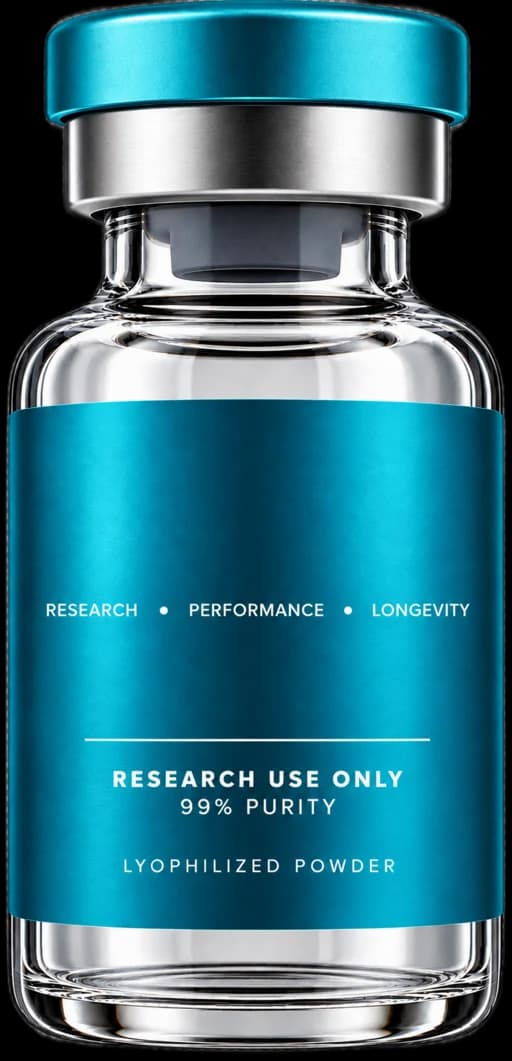

Where to buy Prostamax
One verified, COA-tested Prostamax source
The verified, COA-tested source we track for Prostamax — shipped with a certificate of analysis. Research use only.
COA verified $3.00/mg Swiss Chems
Save 10%THEPEPTIDECATALOGat checkout
Buy at Swiss Chems — $59.95
20mg · sold research-use-only · we may earn a commission

The Prostate Reputation Belongs to the Extract, Not the Synthetic

This is the section the "Prostamax" name is trading on, so it needs to be exact. The prostate clinical data belongs to Prostatilen — a preparation extracted from animal prostate tissue — and to its later formulations, not to the synthetic KEDP peptide.

A Khavinson-coauthored clinical report described treating men who had prostatitis with concurrent sexual dysfunction using the Prostatilen extract, and reported anti-inflammatory, urinary, and functional improvements (PMID 2058122). More recently, a phase III randomized trial of Prostatilen AC — the extract combined with zinc — in men aged 25 to 45 reported that the formulation improved impaired sperm parameters, including total motile and progressively motile counts, relative to the standard extract (PMID 36318852). Those are real clinical studies. They are also studies of a tissue extract, from research lineages tied to the originating group, and neither tested the synthetic KEDP peptide sold as research-chemical "Prostamax."

The gap matters. Marketing routinely presents these extract results as though they belong to the synthetic peptide, which is where the "Prostamax treats BPH / improves fertility" claims come from. There is no controlled study showing the synthetic KEDP peptide does any of that. A synthetic four-amino-acid sequence and a whole-tissue polypeptide extract are different products with different evidence, and conflating them overstates what the research chemical has been shown to do.

Prostamax research evidence

Who Prostamax Has Been Studied In, and What Community Sources Add

The published synthetic-Prostamax literature amounts to that one in-vitro chromatin paper in cultured lymphocytes (PMID 23221144). There is no human-trial evidence base for the synthetic peptide, and nothing testing it on prostate size, urinary symptoms, prostatitis, or fertility. The human experience attached to the name belongs to the Prostatilen extract, a different preparation.

Community reports cluster around the marketed theme: people in community sources describe hoped-for prostate or urinary support and, less commonly, perceived libido effects. These are explicitly anecdotal — self-reported, uncontrolled impressions from forums and vendor reviews, not documented findings, and not corroborated by any human trial of the synthetic peptide. Research-chemical Prostamax is sold labeled "not for human consumption," and the distance between the single in-vitro study and the community narrative is wide. Readers comparing bioregulators may also look at cortagen, another Khavinson-lineage tetrapeptide whose clinical reputation likewise belongs to a tissue extract rather than the synthetic.

30ml bacteriostatic water vial — 0.9% benzyl alcohol multi-dose
Bac Water Made for Peptides
Don't risk a $300 peptide on generic bac water.
Most cloudy reconstitutions trace back to one thing — and it isn't the peptide. Sterile, non-pyrogenic, 0.9% benzyl alcohol — formulated for peptide reconstitution, not repackaged from generic stock.
0.9% benzyl alcohol Made for peptides 30 mL multi-dose
See why our bac water doesn't ruin peptides
30ml from $18.75 · Ships fast · Code thepeptidecatalog

Frequently Asked Questions

Does synthetic Prostamax treat prostate conditions?
No published study shows that. The synthetic tetrapeptide (Lys-Glu-Asp-Pro / KEDP) has no prostate-outcome trial at all. The prostate clinical reputation belongs to Prostatilen, a separate preparation extracted from cattle prostate tissue — studied in prostatitis with sexual dysfunction (PMID 2058122) and, as the Prostatilen AC formulation, in a trial of impaired sperm parameters (PMID 36318852). Those extract findings are not evidence for the synthetic peptide.
What is the only verified study on the synthetic Prostamax peptide?
A single in-vitro cytogenetics paper. Researchers exposed cultured lymphocytes from elderly donors (aged 75-86) to the KEDP peptide and reported chromatin decondensation — 'deheterochromatinization' — with more sister chromatid exchanges and reactivated nucleolar regions (PMID 23221144). It is a cell-aging chromatin study, not a prostate study, and it was not independently replicated.
Is Prostamax the same as Prostatilen or Vitaprost?
No. Prostatilen (and the Vitaprost line) are polypeptide preparations extracted from animal prostate tissue and used clinically in Russia. Prostamax is a synthetic four-amino-acid peptide (KEDP) that Khavinson-group chemists designed from that lineage. The human clinical track record belongs to the tissue extract, not to the synthetic research chemical.
How is Prostamax proposed to work?
The originating researchers hypothesize that ultrashort peptides act as gene-expression regulators — binding regulatory DNA regions and shifting transcription of specific genes (PMID 27909961). This is a mechanistic hypothesis built largely on in-vitro and animal data, not an established human mechanism, and it has not been tied to any prostate outcome for the synthetic peptide.

References

  1. Lezhava T, Monaselidze J, Kadotani T, et al. Deheterochromatinization of the chromatin in old age induced by oligopeptide bioregulator (Lys-Glu-Asp-Pro). Georgian Med News. 2012;(212):76-82. PubMed

  2. Gorpinchenko II, Iakovlev GM, Boĭko NI, Khavinson VKh. The treatment with the polypeptide preparation "Prostatilen" of patients with prostatitis complicated by a sexual functional disorder. Vrach Delo. 1991;(2):48-51. PubMed

  3. Influence of adding zinc arginyle-glycinate to improve efficacy of bioregulatory peptides of the prostate gland in treatment of patients with impaired sperm parameters. Georgian Med News. 2022;(328-329):108-114. PubMed

  4. Khavinson VKh, Linkova NS, et al. Peptide regulation of gene expression: a systematic review. Molecules. 2016. PubMed