The stacked retatrutide + cagrilintide protocol is staged — retatrutide alone for the first 8–12 weeks, then cagrilintide layered on a fresh titration. The result-timeline reflects that staging. This is not "month 1 of the combo" because the combo doesn't start at month 1. It starts at month 3, on top of an already-stable retatrutide base.
Research-context information only. Retatrutide and cagrilintide are both investigational drugs not approved by the FDA. The combination has not been formally tested in any published clinical trial as of May 2026. Timelines reported below come from per-compound Phase 2/3 trials, the closest-analog REDEFINE 1 cagrilintide+semaglutide trial, and self-organized community protocols. This article reports what has been documented, not what should be expected. Consult a licensed physician for personal medical decisions.
The honest summary: per-compound trial data are strong; the closest-analog combination (cagrilintide + semaglutide in REDEFINE 1) shows clear additive benefit; the actual reta+cagri combination has zero published trial data; and community-reported timelines on the staged protocol mostly reflect retatrutide's known curve with an extra weight-loss step-down once cagrilintide reaches maintenance.
Anchoring point: weight loss continues to progress through 68 weeks in both retatrutide Phase 3 and cagrilintide+semaglutide Phase 3. Neither has reached a clear plateau in the published trial windows. Long-term combined-stack outcomes beyond the trial windows are unstudied.
Months 0–3 — Retatrutide Alone, Titration Phase
Community-reported staged sequencing keeps cagrilintide off until retatrutide is stable at 2 mg/week. Most of the early experience is therefore retatrutide-monotherapy experience.
Week 1–2 (retatrutide ~0.25 mg/week)
Reduced appetite within days
Sweet-craving reduction commonly reported
GI side effects (nausea, occasional vomiting) titrating from baseline
Weight loss minimal at this dose; mostly water-weight changes from dietary shift
Week 3–4 (retatrutide ~0.5 mg/week)
Appetite suppression more consistent
1–3 lb/week weight loss in many community reports
Nausea peaks during dose changes; resolves between titrations
Rate of loss consistent with retatrutide Phase 2 trajectory
This is the reported entry point for adding cagrilintide
By month 3, community-reported total weight loss on retatrutide alone clusters around 6–10%. Trial data at the 2 mg/week dose (lower end of Phase 2) ran somewhat below the 4 mg+ doses. The main caveat: community doses cluster well below the 12 mg trial peak, so trial percentages are not directly applicable.
Once retatrutide is stable, cagrilintide enters at 0.25 mg/week and follows the REDEFINE 1 4-week-per-step ramp.
Month 3, week 1–4 (cagri 0.25 mg + reta 2 mg)
New round of GI tolerability — slow gastric emptying via amylin receptor stacks on top of GLP-1 slow gastric emptying
Most community sources describe a "second nausea wave" lasting 5–7 days at the start of cagrilintide, milder than the original retatrutide titration
Hunger between meals reportedly drops further — amylin signaling is more meal-bound than GLP-1's sustained suppression
Month 4 (cagri 0.5 mg + reta 2 mg)
Stack feels stable
Weight-loss rate may accelerate modestly compared with retatrutide-alone trajectory
Community reports describe "smoother" appetite — fewer rebound hunger episodes between meals
Month 5–6 (cagri 1.0–1.7 mg + reta 2 mg)
Approaching cagrilintide maintenance (2.4 mg/week is the Phase 3 dose)
REDEFINE 1 analog data: this is the period where the cagrilintide+semaglutide arm pulled away from semaglutide alone
Subjective effect: "the cagrilintide is working" reports cluster here
Month 7+ (cagri 2.4 mg + reta 2–4 mg)
Stack at maintenance
Weight loss typically continues at a measurable rate, in line with retatrutide Phase 2 and REDEFINE 1 analog data
Some community users titrate retatrutide higher (3 mg, 4 mg/week) at this point if tolerability permits
Months 7–12 — Stack at Maintenance
This is the period where the stack's overall result accumulates. There is no published trial covering the specific combination at this duration, so the timeline draws on per-compound and analog data:
Retatrutide TRIUMPH-4 reached 28.7% mean weight loss at 68 weeks at the 12 mg dose. Community doses (2–4 mg/week) reach lower absolute totals but on similar curves.
REDEFINE 1 cagrilintide+semaglutide reached 22.7% at 68 weeks. The 6.6-percentage-point cagrilintide layer-on effect over semaglutide alone is the closest analog for what cagrilintide adds here.
The stacked reta+cagri trajectory is therefore a plausible total in the range of 20–30%+ at 12 months, depending on retatrutide dose and individual response. Community-reported totals at month 12 cluster broadly in this range; outliers exist in both directions.
Plateau-Breaking — When Cagrilintide Earns Its Layer
The plateau-breaking effect is the most-asked question for users adding cagrilintide to a retatrutide protocol that has slowed.
The mechanistic case: retatrutide does not engage amylin receptors. Cagrilintide does. Adding cagrilintide engages a receptor system retatrutide leaves untouched, and that's why community references frame the layer-on as additive rather than redundant.
The closest data: REDEFINE 1's 6.6-percentage-point gain from layering cagrilintide on semaglutide. Whether that gain holds up against retatrutide's already-stronger backbone is the open empirical question — additive effects often diminish as the base compound's efficacy increases.
Community-reported plateau-breaking: split. Some describe modest renewed weekly losses for 4–8 weeks after cagrilintide reaches maintenance; others describe no change in trajectory.
Bac Water Made for Peptides50% off
Don't risk a $300 peptide on generic bac water.
Most cloudy reconstitutions trace back to one thing — and it isn't the peptide. Sterile, non-pyrogenic, 0.9% benzyl alcohol — formulated for peptide reconstitution, not repackaged from generic stock.
✓ 0.9% benzyl alcohol✓ Made for peptides✓ 30 mL multi-dose
Trial peak (12 mg) >> community ceiling (4 mg). Higher = more weight loss + more GI burden + dysesthesia signal at 9 mg+
Cagrilintide dose
Phase 3 maintenance is 2.4 mg/week. Lau 2021 showed dose-response from 0.3 mg to 4.5 mg
Caloric deficit awareness
Both compounds work primarily through reduced intake — losses depend on the deficit being maintained when appetite suppression is strongest
Resistance training
Lean-mass preservation during the deficit is dose-dependent on training stimulus, not on the peptides
Sleep + recovery
Cumulative mitochondrial adaptation is sensitive to recovery state
Cagrilintide timing of layering
Adding before retatrutide-2 mg-stable reportedly compounds nausea and pushes more users into early discontinuation
Body Composition Through the Timeline
Retatrutide's glucagon-receptor activation is mechanistically associated with somewhat better lean-mass preservation than pure GLP-1 agonists, but lean-mass loss during aggressive deficit remains a known issue across the GLP-1 class.
Reported pattern in community references:
Months 0–3: body composition shifts through the deficit — fat loss with some lean-mass loss expected
Months 4–7: layering cagrilintide adds satiety without adding additional energy-expenditure mechanism — body-composition trajectory continues at the prior ratio
Months 7+: at maintenance, training stimulus and protein intake dominate body-composition outcomes more than the peptide stack does
Whether layering SLU-PP-332 would meaningfully shift the body-composition trajectory by adding an output-side mechanism is unstudied.
When Results Plateau
In community-reported reta+cagri protocols, plateaus are commonly reported at:
Month 6–8 for users who hold retatrutide at 2 mg/week — typically resolves by titrating retatrutide to 3 mg or holding while cagrilintide finishes ramping to 2.4 mg
Month 12+ for users at the community ceiling (reta 4 mg + cagri 2.4 mg) — no additional dose lever within the conservative community protocol; further weight loss depends on dietary and training adjustments
Frequently Asked Questions
How long until weight loss starts on the retatrutide + cagrilintide stack?
Weight loss typically begins on retatrutide alone in the first 2–4 weeks of the titration, before cagrilintide is layered in. Phase 2 retatrutide data showed significant weight loss by week 12 (Jastreboff 2023, [PMID 37366315](https://pubmed.ncbi.nlm.nih.gov/37366315/)). Cagrilintide is most often added 8–12 weeks in once retatrutide is at 2 mg/week stable.
How much weight loss should community sources expect from the stack?
No published trial of the combination exists. Per-compound and analog data: retatrutide monotherapy reached 24.2% mean weight loss at 48 weeks at 12 mg/week (Phase 2) and 28.7% at 68 weeks at 12 mg/week (Phase 3 TRIUMPH-4). REDEFINE 1 (cagrilintide+semaglutide, Garvey 2025, [PMID 40544432](https://pubmed.ncbi.nlm.nih.gov/40544432/)) reported 22.7% at 68 weeks vs 16.1% for semaglutide alone — a 6.6 percentage-point gain from layering cagrilintide. Whether that gain replicates against retatrutide is the open question.
When does the stack hit its peak effect?
Per-compound trial data: retatrutide weight loss continued progressing through 68 weeks in TRIUMPH-4 (Bays 2025, [PMID 41090431](https://pubmed.ncbi.nlm.nih.gov/41090431/)) without reaching a clear plateau. Cagrilintide+semaglutide in REDEFINE 1 likewise progressed through 68 weeks. Community-reported staged-titration protocols typically reach a steady weekly loss rate by month 4–6, with the peak overall result coming at month 12+.
Is there a plateau-breaking effect from adding cagrilintide?
Mechanistically plausible — cagrilintide engages the amylin receptor system that retatrutide does not target. The closest analog data (REDEFINE 1) showed a 6.6 percentage-point gain when cagrilintide was layered onto semaglutide. Whether that pattern replicates against the already-stronger retatrutide backbone is unstudied.
What does the first month look like?
Month 1 is typically retatrutide-only on the staged community protocol. Reported pattern: appetite suppression in week 1–2, GI side effects (nausea, decreased appetite, occasional diarrhea) titrating from week 1–4, modest weight loss accumulating through week 4. Cagrilintide is not yet on board.
Research Supplies for Retatrutide Cagrilintide Stack
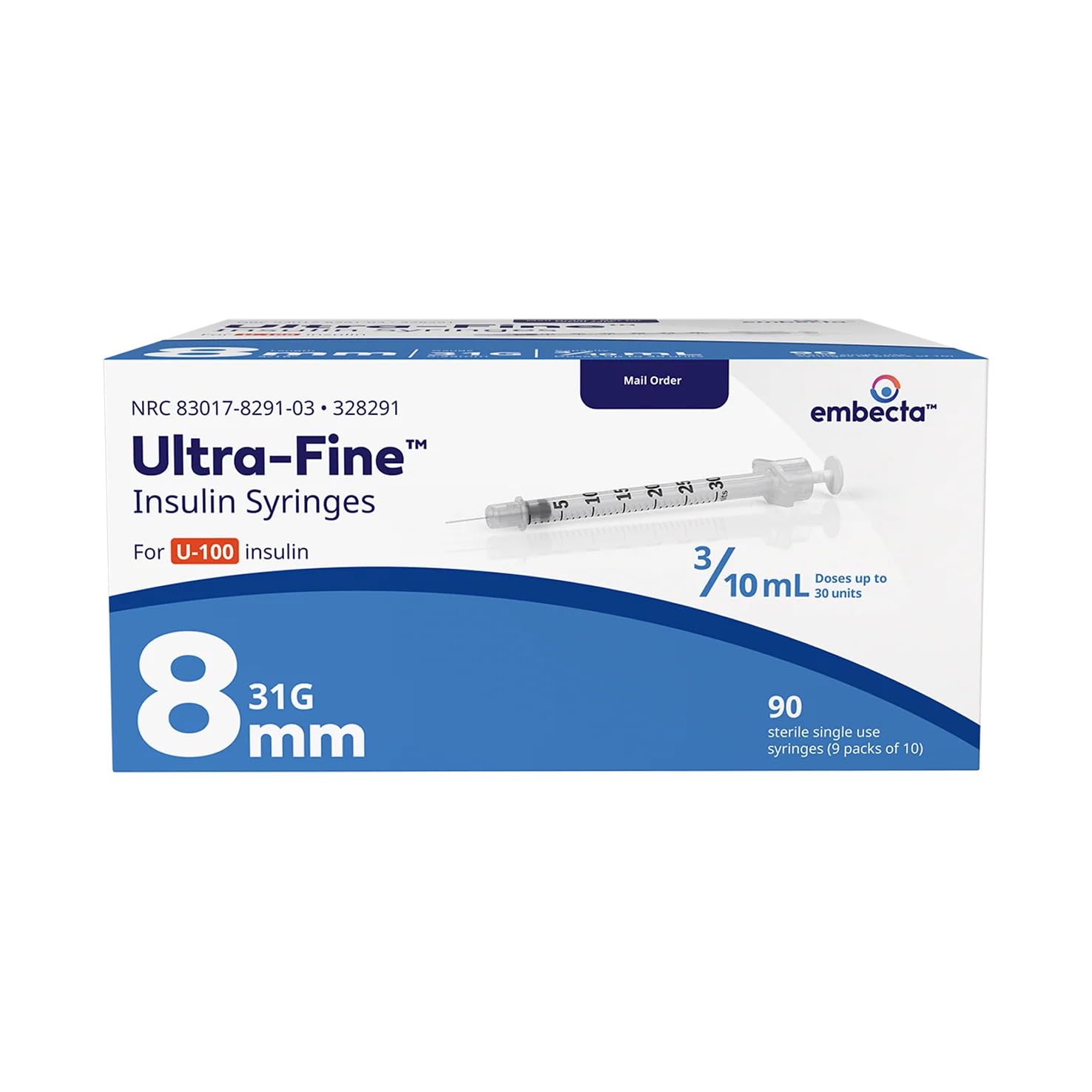
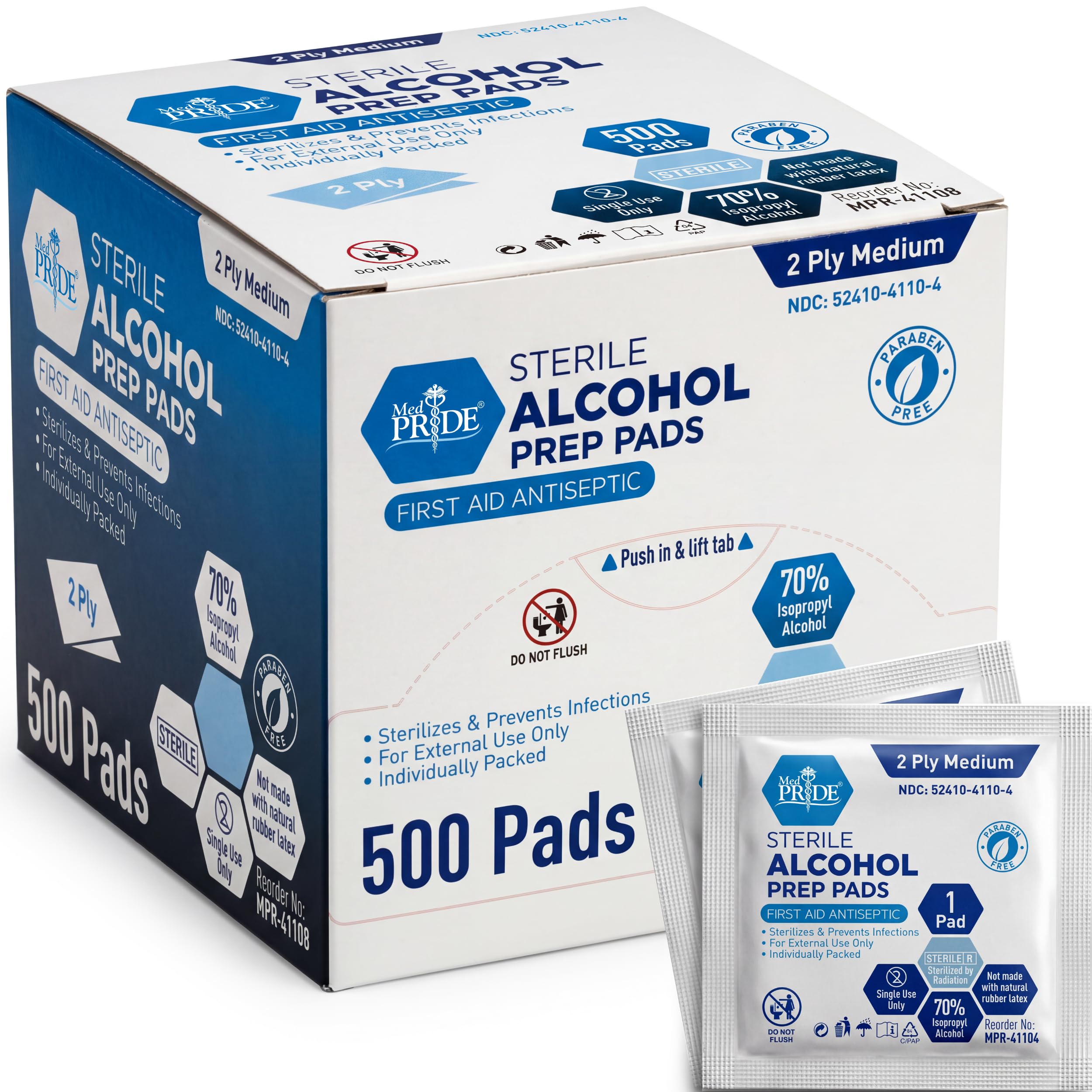
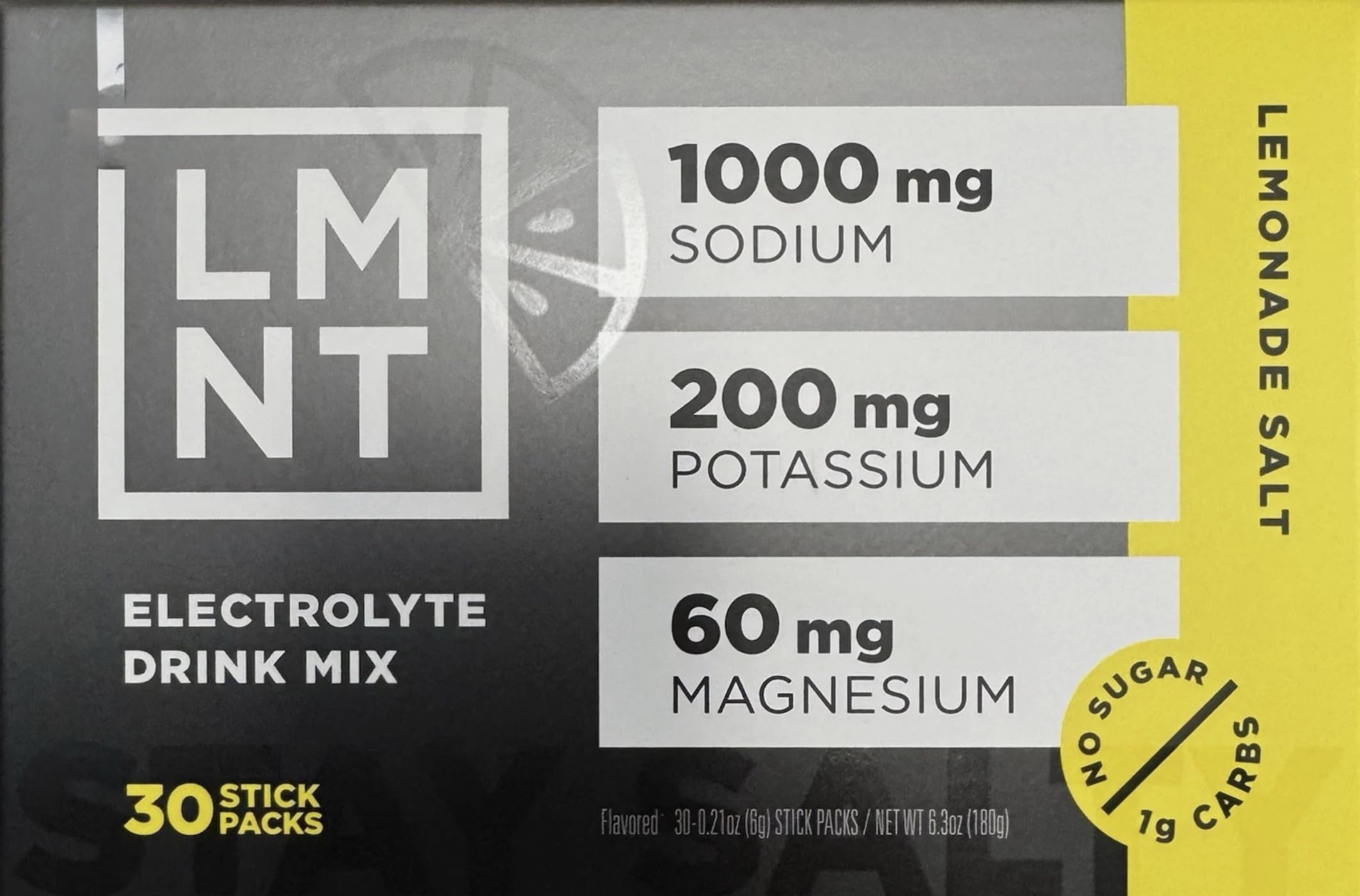
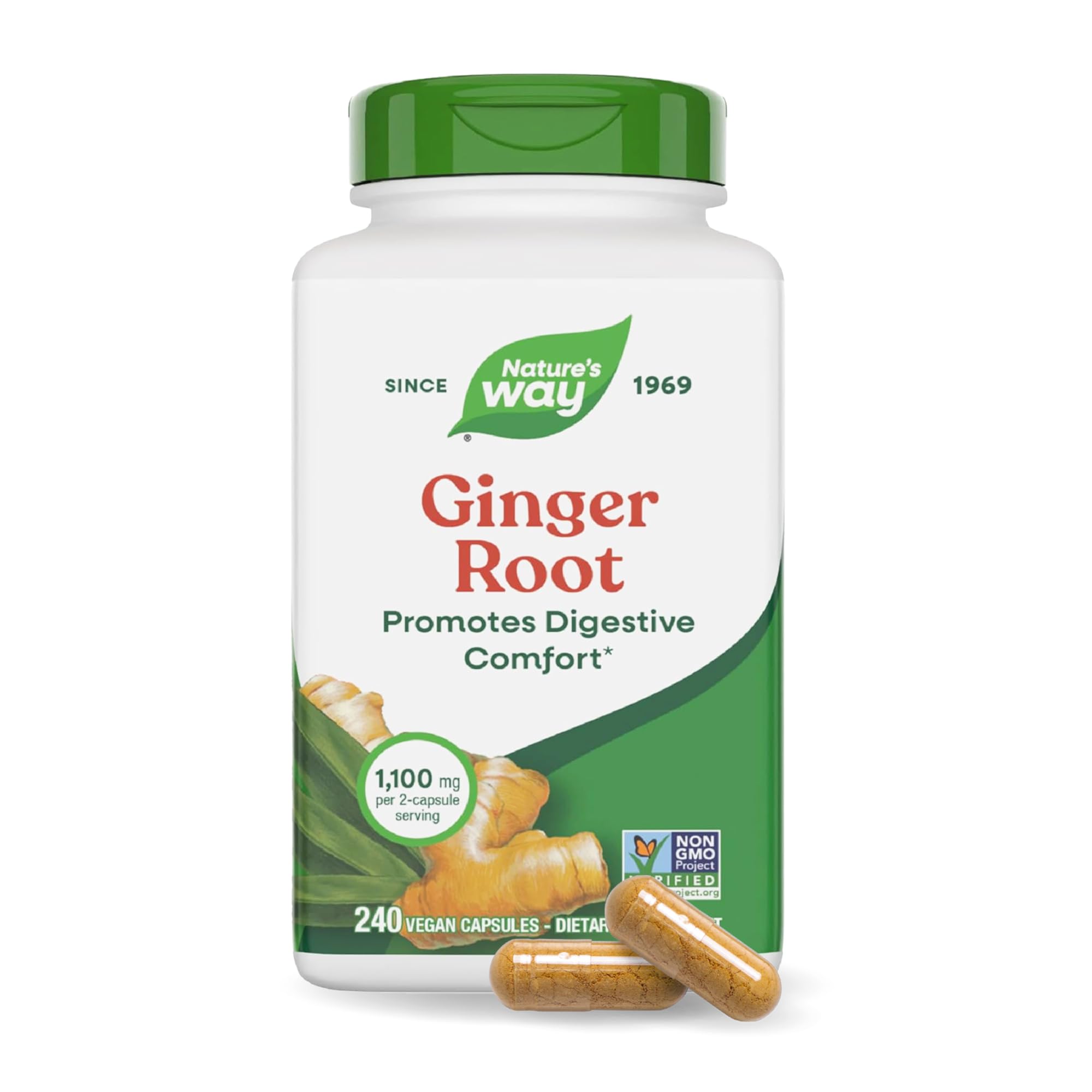
Hand-picked storage, injection, and recovery supplies paired with Retatrutide Cagrilintide Stack protocols.
For educational and research purposes only. This is not medical advice. Retatrutide and cagrilintide are investigational drugs without FDA approval; the combination has not been formally tested in any published clinical trial.