The retatrutide + cagrilintide stack (blend overview) carries the safety profile of two separate metabolic peptides plus an open question about whether their effects compound or sum cleanly. The headline read: GI tolerability dominates the side-effect picture during titration, and retatrutide's dysesthesia signal at 9-12 mg/week is the trial-level safety question that community-dose users mostly avoid by staying at 2-4 mg/week.
Research-context information only. Retatrutide and cagrilintide are both investigational drugs not approved by the FDA. The combination has not been formally tested in any published clinical trial as of May 2026. Side-effect data reported below come from per-compound Phase 2/3 trials and the closest-analog REDEFINE 1 cagrilintide+semaglutide trial. This article reports what has been documented, not what should be done. Consult a licensed physician for personal medical decisions.
This article walks through the per-compound adverse-event profiles, what the combination plausibly looks like based on mechanism and analog data, and the community-reported pattern of effects on the staged titration protocol.
The TRIUMPH-4 trial identified a dose-related dysesthesia (nerve-tingling, paresthesia) signal:
Retatrutide dose
Dysesthesia incidence
Placebo
<2%
4 mg
~3-4%
9 mg
8.8%
12 mg
20.9%
This is the most-flagged trial-level safety signal for retatrutide and the reason community doses cluster at 2-4 mg/week — well below where the dysesthesia signal becomes prominent. The mechanism is thought to relate to glucagon-receptor activation and energy-substrate shifts, but it is not fully characterized.
Discontinuation in trials: retatrutide trial discontinuation due to adverse events was 6-10% across the higher-dose arms — meaningful but lower than the dose-related side-effect profile would suggest, which indicates most participants tolerated the protocol.
Cagrilintide
The Lau 2021 Phase 2 dose-finding trial (Lau et al., 2021) anchored the monotherapy safety profile. The REDEFINE 1 Phase 3 trial (Garvey et al., 2025) provides the closest analog for combination tolerability.
Most common adverse events at all doses:
Nausea (15-30%, dose-related)
Vomiting (5-15%)
Decreased appetite (~20%)
Constipation (5-12%)
Cagrilintide-specific notes:
A 2025 Bayesian network meta-analysis of incretin-based therapies reported cagrilintide had one of the lowest GI odds ratios across the studied compound class. The amylin pathway slows gastric emptying through a different signaling cascade than GLP-1, and the resulting GI profile is somewhat milder.
No dysesthesia signal comparable to retatrutide's.
Injection-site reactions are common (5-10%) but mild.
REDEFINE 1 Combination Data
The closest analog for layered amylin + incretin tolerability is REDEFINE 1, where cagrilintide 2.4 mg was paired with semaglutide 2.4 mg:
Adverse event
Cagrilintide+sema
Sema alone
Nausea
~32%
~30%
Vomiting
~18%
~15%
Discontinuation due to AE
~5%
~5%
The pattern: layering cagrilintide on a GLP-1 backbone produced modestly more GI events than the GLP-1 alone, but discontinuation rates were similar. The amylin pathway adds satiety more than it adds nausea — which is the relevant data point for the reta+cagri layering question.
Side-effect peak at each dose increase, titrating down within 5-10 days at each stable step.
Most users never see the dysesthesia signal because community doses stay below 9 mg/week.
Cagrilintide layering (months 3-7):
Brief "second nausea wave" at the start of cagrilintide, similar in magnitude to a single retatrutide dose increase.
Within 7-10 days, the second wave attenuates as amylin tolerance builds.
Cagrilintide-specific side effects (additional satiety, occasional persistent constipation) layer on the retatrutide background.
Maintenance (month 7+):
Stable side-effect profile broadly similar to retatrutide alone, with cagrilintide adding amylin-pathway effects.
No published data beyond the trial-window per-compound endpoints.
Trial-Level Safety Signals to Know
Pancreatitis
Both compound classes (GLP-1 agonists and amylin analogs) have a small but documented pancreatitis signal across the GLP-1 trial database. Acute pancreatitis presents as severe upper abdominal pain radiating to the back, often with nausea/vomiting that is qualitatively different from titration-related GI events. Trials have reported pancreatitis at low single-digit per-thousand rates across the broader incretin class. Whether the combination changes the rate is unstudied.
Gallbladder events
Rapid weight loss is associated with gallstone formation independent of the agent producing the loss. Across GLP-1 trials, cholelithiasis (gallstones) and cholecystitis (inflammation) appear at single-digit percentages, dose-related to weight-loss magnitude.
Cardiovascular
Retatrutide trials reported an early dose-related heart-rate increase of 4-6 bpm at maintenance, similar to the GLP-1 class signal. No QT prolongation, no arrhythmia signal in published Phase 2/3 data. Cagrilintide does not show a comparable heart-rate signal.
Thyroid C-cell tumors
The GLP-1 receptor agonist class carries a rodent-model thyroid C-cell tumor signal that anchors the FDA-required medullary thyroid carcinoma (MTC) and MEN-2 contraindications across approved GLP-1 products. Retatrutide carries the same class-level concern. Whether amylin pathway addition changes the risk is not characterized.
Retatrutide dysesthesia (the headline trial signal)
Already covered above. TRIUMPH-4: 8.8% at 9 mg, 20.9% at 12 mg. Community-dose users (2-4 mg/week) are well below this. The mechanism is not fully characterized.
Pre-Cycle Safety Screening
Community references describe pre-cycle screening as a standard baseline. Variables typically discussed:
Weight loss outside the expected curve (sudden acceleration may indicate inadequate caloric intake)
Continue with monitoring:
Mild injection-site reaction
Standard titration nausea that resolves at each stable step
Standard appetite suppression
Mild constipation (manageable with hydration and fiber)
This is a community-described framework, not a clinical guideline.
Drug Interactions
Per-compound interaction data exist for retatrutide and cagrilintide individually; combination interaction data do not.
Insulin and sulfonylureas: GLP-1 and amylin both reduce postprandial glucagon and slow gastric emptying — adding either to insulin or sulfonylureas increases hypoglycemia risk. Combined effect is plausibly greater.
Oral medications: slowed gastric emptying delays oral drug absorption. Effect is more pronounced when both compounds are at maintenance.
Other GLP-1 agonists: stacking another GLP-1 agonist on top of retatrutide+cagrilintide is rarely described in conservative community references — the GLP-1 axis is already saturated.
Bac Water Made for Peptides50% off
Don't risk a $300 peptide on generic bac water.
Most cloudy reconstitutions trace back to one thing — and it isn't the peptide. Sterile, non-pyrogenic, 0.9% benzyl alcohol — formulated for peptide reconstitution, not repackaged from generic stock.
✓ 0.9% benzyl alcohol✓ Made for peptides✓ 30 mL multi-dose
Retatrutide: TRIUMPH-4 ran 68 weeks (Phase 3); longer-duration data not yet published.
Cagrilintide+semaglutide: REDEFINE 1 ran 68 weeks; the parent semaglutide has post-approval long-term data via approved finished products.
Retatrutide+cagrilintide combination: zero published long-term data of any duration.
Combining a compound with established Phase 3 long-term safety with a compound that has zero combination-specific safety data does not produce a combined profile that can be defended as long-term safe.
Core Supplies for This Protocol
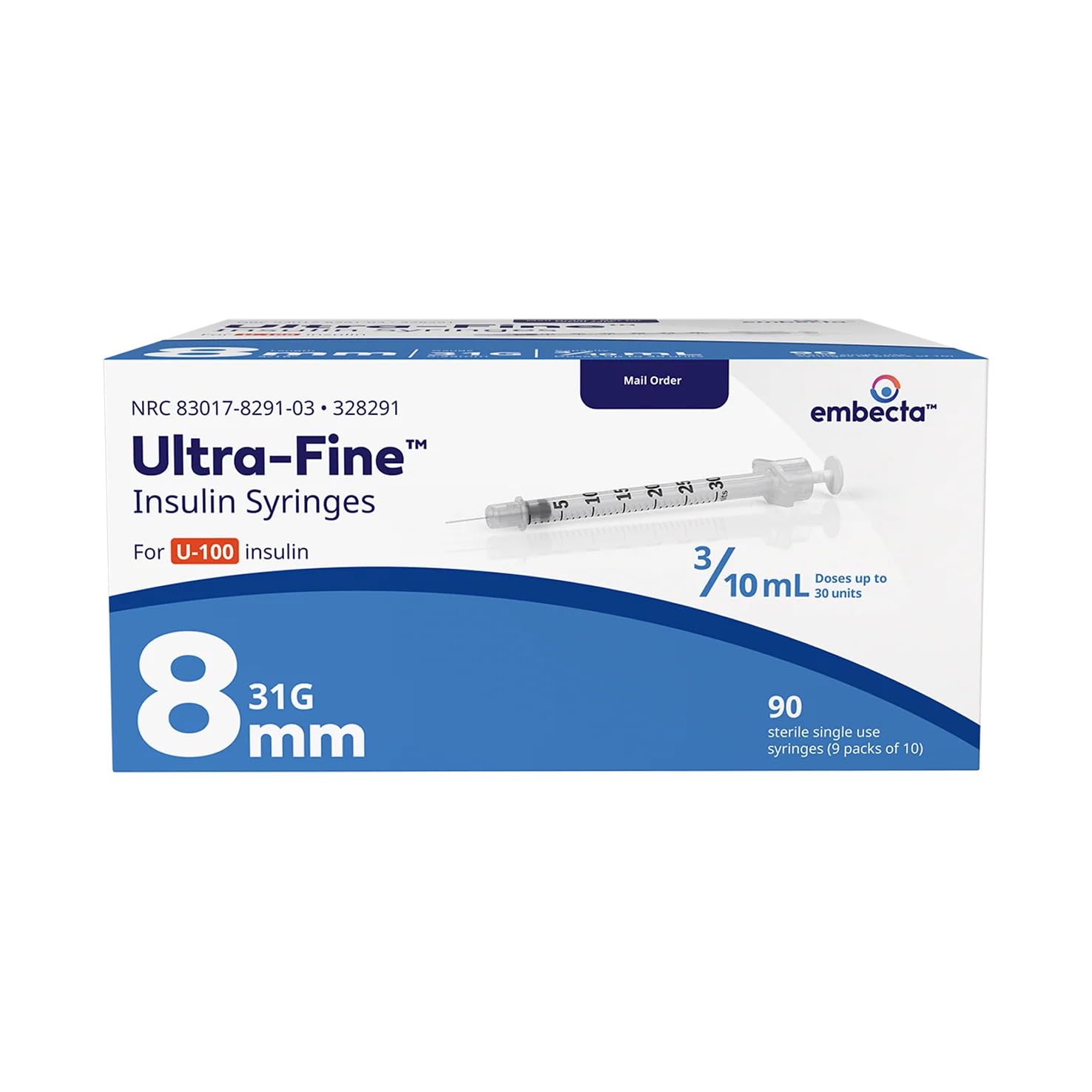
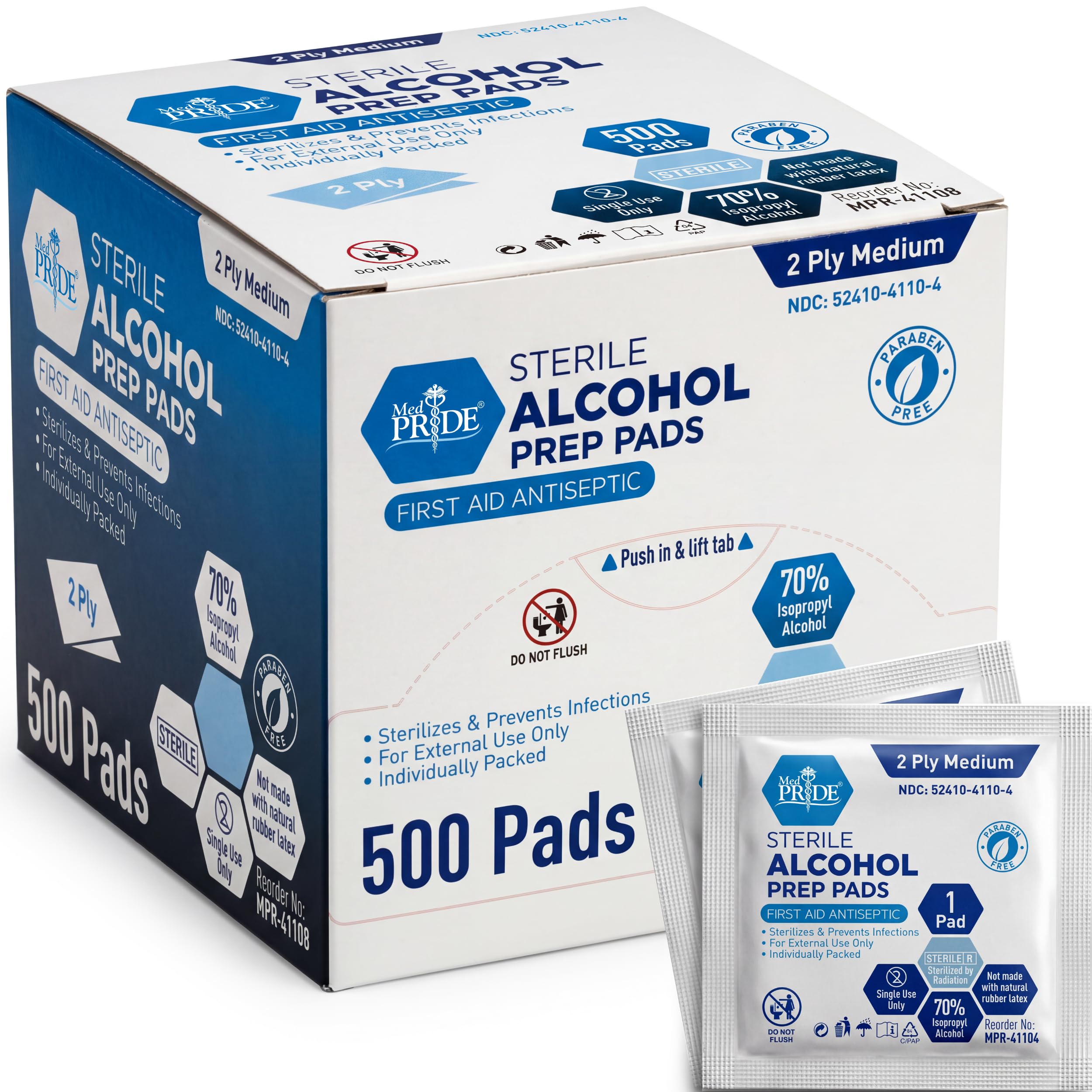
The essentials for running any reconstituted injectable: cold storage, accurate syringes, alcohol prep pads, and metabolic tracking.
What are the most common side effects on the retatrutide + cagrilintide stack?
Both compounds independently produce dose-related nausea, vomiting, decreased appetite, occasional diarrhea, and constipation. Stacked, the GI effect is broader than either alone but not necessarily more severe — both compounds slow gastric emptying through different mechanisms (GLP-1 vs amylin), and the staged community titration (retatrutide first, cagrilintide layered later) is designed to keep peak GI burden manageable.
Is the dysesthesia signal a concern for the stack?
TRIUMPH-4 ([Bays et al., 2025](https://pubmed.ncbi.nlm.nih.gov/41090431/)) reported a dose-related dysesthesia (nerve-tingling) signal in 8.8% of the 9 mg arm and 20.9% of the 12 mg retatrutide arm. Community-reported retatrutide doses on the stack stay at 2-4 mg/week — well below the trial doses where the signal appeared. Cagrilintide does not appear to share this signal.
Does cagrilintide compound retatrutide's side effects?
Both compounds slow gastric emptying via different signaling. Adding cagrilintide to retatrutide adds amylin-pathway satiety on top of GLP-1/GIP/glucagon. A 2025 Bayesian network meta-analysis reported cagrilintide had one of the lowest GI odds ratios in the incretin/amylin class, suggesting cagrilintide adds satiety without sharply compounding nausea. Whether the combined burden in real users is fully additive has not been formally quantified.
Why titrate so slowly?
Both compounds produce dose-related GI side effects. The community-reported 4-week-per-step titration cadence comes directly from the trial protocols (Lau 2021 cagrilintide, REDEFINE 1, Jastreboff 2023 retatrutide) and is designed to let GI tolerance adapt at each step before the next dose increase. Faster titration is the most-cited cause of early discontinuation.
When should community references describe stopping the stack?
Community references describe discontinuing for: persistent vomiting beyond 5-7 days that doesn't titrate down, signs of pancreatitis (severe abdominal pain radiating to the back), gallbladder pain, persistent dysesthesia at low doses, or any cardiac symptom. None of this is medical advice — adverse events should be discussed with a licensed physician.
What about long-term safety?
Retatrutide has Phase 3 long-term safety data (TRIUMPH-4, 68 weeks). Cagrilintide has Phase 3 long-term data (REDEFINE 1, 68 weeks, in combination with semaglutide). The retatrutide+cagrilintide combination has zero published long-term safety data — neither was studied in combination. Long-term combined safety is unstudied.
For educational and research purposes only. This is not medical advice. Retatrutide and cagrilintide are investigational drugs without FDA approval; the combination has not been formally tested in any published clinical trial.