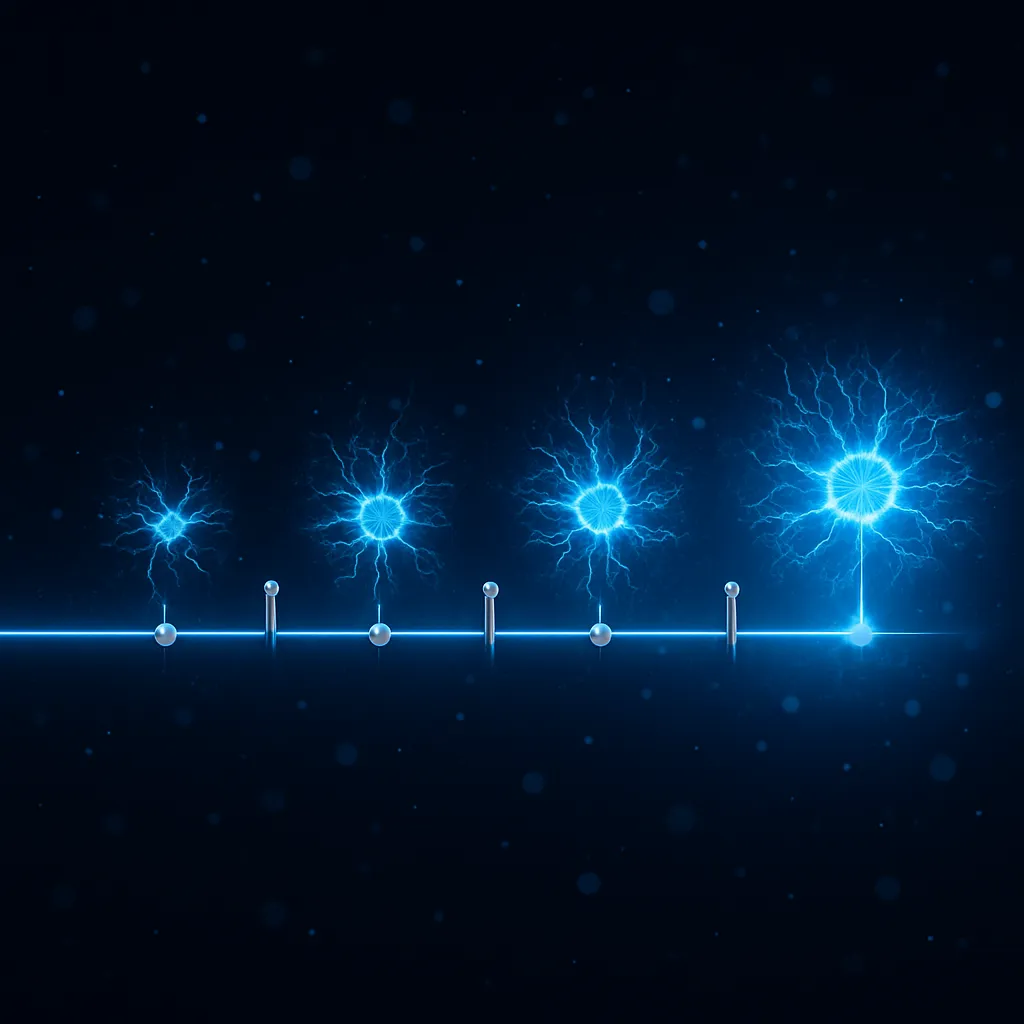
Semax is one of the faster-acting nootropic peptides. Unlike compounds that require weeks of loading, Semax produces noticeable acute effects within minutes of intranasal dosing — making it easier to assess whether it is working.
Research-context information only. Semax is a research peptide. Protocols, doses, and reactions reported below come from published research and self-reported community sources. This article reports what has been documented, not what should be done. Consult a licensed physician for personal medical decisions.
But acute focus enhancement and long-term neuroplasticity benefits operate on very different timescales. This timeline covers both, organized by what the research shows and what the community consistently reports.
Important caveat: most mechanistic data comes from animal studies. Human clinical data exists primarily for stroke recovery and cognitive rehabilitation in Russian trials. Community reports fill in the nootropic-use timeline, but these are subjective and uncontrolled.
The first dose of Semax typically produces effects that same session. This is unusual for peptides — most require days to weeks before anything is noticeable.
What to expect within 15-60 minutes of intranasal dosing:
Mental clarity and focus — The most consistently reported acute effect. Users describe it as a "clean" focus enhancement without stimulant jitteriness. This correlates with Semax's dopaminergic and serotonergic modulation in the striatum (Eremin et al., 2005).
Increased alertness — A subtle but noticeable improvement in sustained attention. Unlike caffeine, this tends not to produce restlessness or anxiety.
Slight mood elevation — Likely secondary to serotonin metabolite increases. Not euphoric — more a reduction in background mental fog.
What NOT to expect on day 1:
Memory improvement (requires BDNF-mediated neuroplasticity over weeks)
Neuroprotective benefits (these are long-term structural effects)
Anxiety reduction comparable to Selank (Semax is cognition-first, not anxiolysis-first)
Duration of acute effects: Typically 4-8 hours per dose. The half-life of Semax after intranasal delivery is relatively short, which is why twice-daily dosing is common for sustained effects.
Days 2-7: Early Adaptation Phase
During the first week, you are establishing baseline response and finding optimal dosing. The biological groundwork for deeper benefits is being laid, but it is mostly invisible.
What is happening physiologically:
BDNF mRNA upregulation begins within hours of the first dose and continues with each administration. Dolotov et al. showed significant increases in BDNF protein levels in the hippocampus within 24 hours, with concurrent trkB receptor activation (Dolotov et al., 2006). By the end of week 1, repeated dosing is establishing a sustained elevation in neurotrophic factor signaling.
What users typically report:
Consistent focus enhancement with each dose (this should be reliable by day 3-4)
Increased verbal fluency — words come more easily, conversation flows better
Improved motivation for cognitively demanding tasks
Some users report mild headache in the first 2-3 days, which typically resolves
Adjustment tips:
If effects feel too stimulating, reduce to once daily or lower the dose
If effects are barely noticeable, ensure proper nasal spray technique (angle toward outer wall of nostril, not straight up)
Track focus duration and quality daily — this helps identify your optimal dose
This is where the deeper benefits begin emerging. BDNF elevation from consistent daily dosing starts translating into measurable synaptic plasticity changes.
What is happening physiologically:
Sustained BDNF upregulation promotes dendritic branching, synaptogenesis, and long-term potentiation — the cellular basis of learning and memory. The anti-inflammatory effects documented by Dergunova et al. also accumulate over this timeframe, reducing neuroinflammatory burden that impairs cognitive function (Dergunova et al., 2021).
What users typically report:
Memory improvements become noticeable — Easier recall of names, details, and recently learned material
Learning speed increases — New concepts and skills are acquired faster
Sustained focus improves beyond acute effects — The baseline cognitive level between doses rises
Mood stabilization — Fewer cognitive-overload-driven anxiety episodes, more emotional equilibrium
Better information synthesis — Connecting ideas across domains becomes more fluid
This is the phase where many users decide whether Semax is working for them. The acute focus effects from week 1 are now supplemented by genuine cognitive enhancement that persists between doses.
Weeks 3-4: Peak Cycle Benefits
By the third and fourth weeks, you are at or near peak benefits for a standard cycle. This aligns with the timeframe used in most community protocols.
What to expect:
Full neuroplasticity benefits from accumulated BDNF signaling
Optimal cognitive baseline — the combination of acute effects and sustained neuroplastic changes
Stable mood and stress resilience
Peak memory performance for the cycle
Russian clinical protocols for stroke recovery used 10-day courses (Gusev et al., 1999), while community nootropic protocols typically extend to 3-4 weeks. The longer cycle captures the full BDNF-mediated neuroplasticity window.
After Cycle Completion: Off-Period
Most protocols recommend an off-period equal to the on-period (3-4 weeks on, 3-4 weeks off). Here is what to expect when you stop:
Within 24-48 hours:
Acute focus enhancement fades
Return to pre-Semax baseline for alertness and verbal fluency
Over 1-2 weeks off:
BDNF-mediated changes do not disappear immediately — neuroplastic adaptations have structural components that persist
Memory improvements from the cycle may partially persist, especially for material learned during the cycle
The "cognitive baseline lift" gradually returns to pre-cycle levels
Why cycling matters:
There is no documented tolerance to Semax in clinical literature, but cycling is standard practice for two reasons: (1) long-term safety data beyond 30-day courses is limited, and (2) cycling may prevent receptor desensitization that could reduce efficacy over time.
Bac Water Made for Peptides50% off
Don't risk a $300 peptide on generic bac water.
Most cloudy reconstitutions trace back to one thing — and it isn't the peptide. Sterile, non-pyrogenic, 0.9% benzyl alcohol — formulated for peptide reconstitution, not repackaged from generic stock.
✓ 0.9% benzyl alcohol✓ Made for peptides✓ 30 mL multi-dose
Intranasal delivery produces faster onset (15-30 minutes) than subcutaneous injection. The 0.1% concentration is standard for nootropic use; the 1% concentration is used in clinical stroke protocols. Higher doses within the standard range (up to 600 mcg) generally produce stronger acute effects, but the dose-response curve flattens above that.
Consistency
Daily dosing matters more than single-dose optimization. The BDNF and neuroplasticity benefits require sustained signaling over days to weeks. Sporadic use will produce acute focus effects but miss the deeper cognitive enhancement.
Sleep and Recovery
BDNF consolidation occurs largely during sleep. Poor sleep quality undermines the neuroplasticity benefits of Semax. If you are using Semax for cognitive enhancement, optimizing sleep is not optional — it is part of the protocol. Consider DSIP for sleep support if needed.
Stacking
Semax is commonly stacked with Selank for combined cognitive enhancement and anxiety reduction. Selank addresses the anxiolytic dimension that Semax does not fully cover. See our Selank vs Semax comparison for stacking protocols.
Individual Variation
Baseline BDNF levels, dopamine receptor density, and existing neuroinflammatory load all affect response. Individuals with lower baseline BDNF or higher neuroinflammation may notice more dramatic improvements. Those already optimized for cognitive function may experience more subtle effects.
When to Adjust Protocol
Signs it is working:
Reliable focus enhancement within 30 minutes of dosing
Gradual improvement in memory and learning by week 2-3
Improved verbal fluency and information processing
Stable mood without stimulant-like crashes
Signs to reassess:
No noticeable effects after 5-7 days at standard doses
Excessive stimulation, irritability, or headache that does not resolve
Focus improvement that plateaus or reverses mid-cycle
Adjustments to try:
Switch from 0.1% to N-Acetyl Semax (potentially improved BBB penetration)
Adjust timing (morning-only vs. twice daily)
Ensure proper nasal spray technique
If no response, consider that cognitive peptides are not universal responders — some individuals benefit more from different nootropic approaches
Frequently Asked Questions
How quickly does Semax work?
Acute cognitive effects — improved focus, mental clarity, alertness — are commonly reported within 15-30 minutes of intranasal administration. Deeper neuroplasticity benefits from BDNF upregulation develop over 2-4 weeks of consistent use.
When will I notice Semax working?
Most users report noticeable focus improvement on day 1. Sustained cognitive enhancement, memory improvements, and mood stabilization typically develop over weeks 2-4. When nothing is noticeable after 2 weeks at standard doses, community sources commonly reassess the protocol.
What cycle length do community sources describe for Semax results?
Most protocols run 3-4 weeks, which aligns with the timeframe for BDNF-mediated neuroplasticity changes. Shorter 10-day cycles are used in clinical stroke protocols. Community nootropic users often prefer 3-4 week on/off cycling.
Do Semax results fade after stopping?
Acute effects (focus, alertness) typically fade within hours of the last dose. BDNF-related neuroplasticity changes may persist for days to weeks after a cycle, though this varies between individuals.
What if Semax does not work for me?
Check dose (start at 200 mcg intranasal), administration technique (proper nasal spray delivery), and consistency. Some individuals respond better to N-Acetyl Semax variants. Consider Selank if anxiety is a primary issue rather than focus.
Research Supplies for Semax
Hand-picked storage, injection, and recovery supplies paired with Semax protocols.
For educational and research purposes only. This is not medical advice. Semax has clinical approval in Russia but is not FDA-approved. Consult a qualified healthcare provider before considering any peptide protocol.