Semax — Met-Glu-His-Phe-Pro-Gly-Pro, an ACTH(4-10) analog without hormonal ACTH activity — has been used clinically in Russia for stroke recovery, cognitive impairment, and ischemia for decades. The Russian-language clinical literature reports a clean adverse-event profile at intranasal doses; Western Phase 2/3 trials do not exist. Community use for nootropic purposes is informed by Russian clinical research, mechanism papers (e.g., Levitskaya et al., PMID 27475923 on stroke and gene expression), and self-reports.
Research-context information only. Semax is a research peptide. Protocols, doses, and reactions reported below come from published research and self-reported community sources. This article reports what has been documented, not what should be done. Consult a licensed physician for personal medical decisions.
Russian Clinical Research Findings
Russian clinical trials and observational reports describe semax at intranasal doses ranging from 200-1000 mcg/day for stroke recovery and 50-500 mcg/day for cognitive support. Across the published Russian dataset:
No serious adverse events at the studied doses.
Mild headache reported in a minority of treated participants.
No clinically significant changes in vital signs, lab parameters, or ECG.
Published stroke trials reported improved neurologic recovery scores without adverse-event signals (PMID 27475923 mechanism context).
The methodological caveat: the Russian dataset is largely from a single national research tradition, and Western independent replication is sparse. The adverse-event picture is clean but narrow.
Note on labeling: the events below come from r/nootropics, r/peptides, and community forums for intranasal research-peptide semax use, typically at lower doses than Russian stroke protocols.
Headache during the first 1-3 uses
The most consistent community feedback. Mild headache, fading within hours or by the second or third use. Self-reported community sources commonly describe dose reduction or hydration as factors that resolve it.
Brief overstimulation or "alert-jitter" feel
Community reports cluster around an overstimulated feeling — alert, slightly jittery, sometimes anxiety-tinged — at higher per-dose amounts (above 600 mcg per administration). The pattern resolves with dose reduction in nearly all community reports.
Sleep disruption with late-day dosing
Self-reported community timelines describe sleep onset issues when semax is used in the afternoon or evening. Morning-only administration is the dominant community pattern as a result.
Nasal irritation (intranasal route)
Community sources commonly describe mild nasal stinging or dryness from intranasal administration, particularly with high-concentration solutions. Smaller per-spray volumes and properly buffered solutions are the most-cited mitigations.
Less Commonly Reported Events
These appear sparsely in community data.
Mood elevation or "social fluency" during use — described positively by most community sources, but occasionally tipping into hypomanic-feel at high doses.
Brief dizziness post-administration — sparse, attributed by community sources to rapid CNS effects.
Tachyphylaxis with continuous daily use — community sources commonly describe diminished perceived effect over 2-4 weeks, prompting the cycling pattern below.
Dose-Response Patterns
Russian stroke trials used 200-1000 mcg/day intranasally. Community-reported nootropic doses cluster around 200-600 mcg/day, often split into 2-3 morning administrations. Self-reported community sources describe:
Overstimulation rising with per-dose amount.
Headache independent of dose magnitude.
Tachyphylaxis appearing with continuous daily use beyond 2-4 weeks.
Bac Water Made for Peptides50% off
Don't risk a $300 peptide on generic bac water.
Most cloudy reconstitutions trace back to one thing — and it isn't the peptide. Sterile, non-pyrogenic, 0.9% benzyl alcohol — formulated for peptide reconstitution, not repackaged from generic stock.
✓ 0.9% benzyl alcohol✓ Made for peptides✓ 30 mL multi-dose
Trial protocols used multi-week courses for stroke and ischemia recovery, without continuous indefinite use. Community sources commonly follow short cycles: 1-3 weeks on, 1-2 weeks off, citing tachyphylaxis and the desire to assess off-cycle baseline cognitive performance.
Permanent discontinuation is uncommon in community reports. The most-cited reasons: overstimulation persists despite dose reduction, sleep disruption doesn't resolve with morning-only timing.
Core Supplies for This Protocol
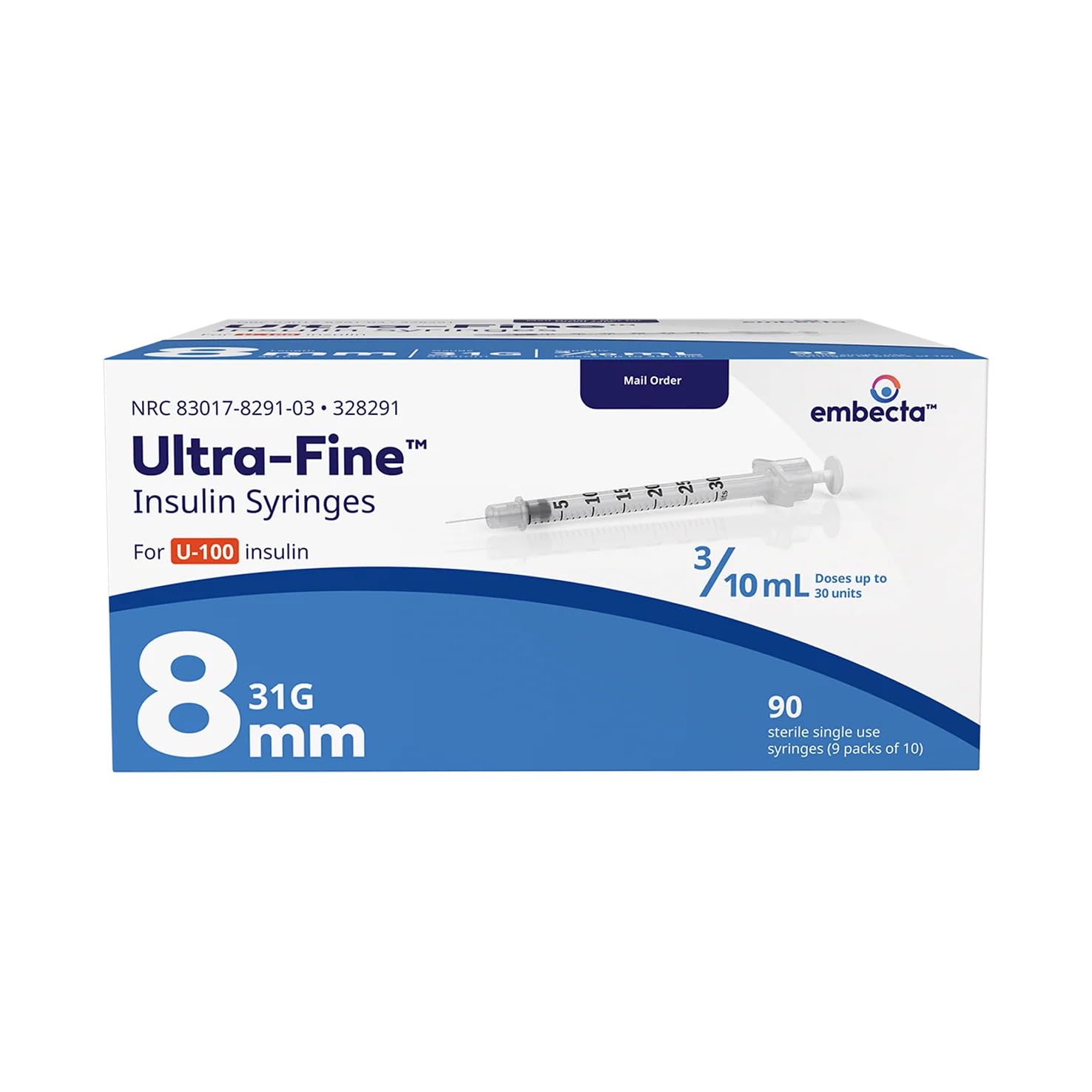
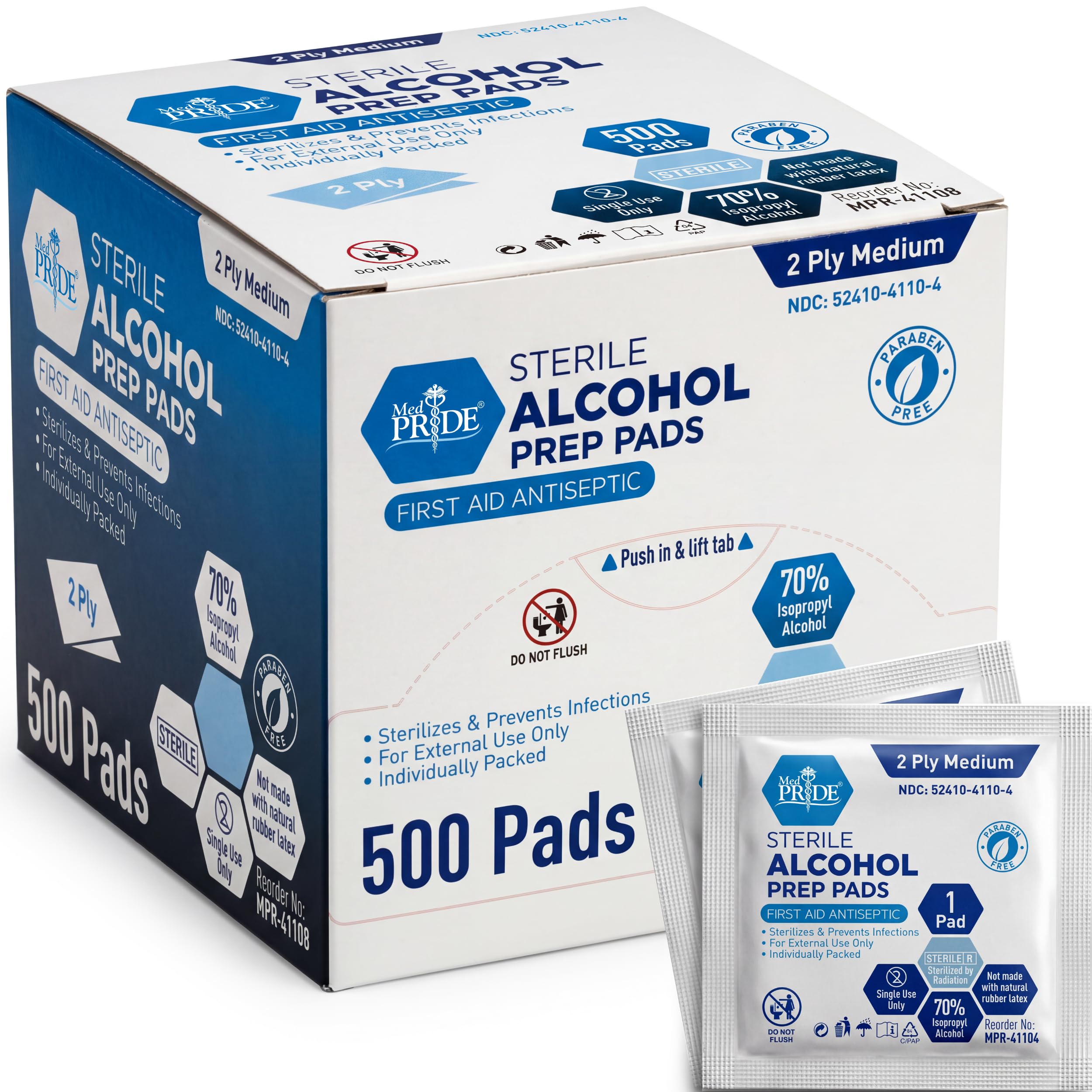
The essentials for running any reconstituted injectable: cold storage, accurate syringes, alcohol prep pads, and metabolic tracking.
Self-reported community data clusters around mild headache in the first few uses, brief overstimulation (anxiousness, jitteriness) at higher doses, and occasional sleep disruption with late-day administration. Russian clinical trials in stroke and ischemia did not report significant adverse events at the studied intranasal doses.
Is semax addictive?
Published research does not describe addictive potential. Semax is an ACTH(4-10) analog without hormonal ACTH activity. Community sources occasionally describe psychological habituation (relying on it for cognitive demands), distinct from pharmacologic dependence. The molecule has no documented physical-withdrawal pattern.
Can semax cause anxiety?
Self-reported community data describes brief overstimulation — alertness, jitteriness, anxiety-feel — at higher doses, particularly in stimulant-sensitive users. Lower per-dose amounts and morning-only administration are the most-cited mitigations.
Does semax interact with stimulants or SSRIs?
Published research has not characterized semax interactions with stimulants or SSRIs in Western trials. Russian clinical practice has used semax alongside stroke-recovery medications without flagged interactions. Sources commonly describe caution when combining semax with strong CNS stimulants (caffeine, modafinil) at the same time of day.
When do community sources describe stopping semax?
Community reports describe pausing when overstimulation persists, when sleep disruption appears with late-day dosing, or after completing a typical 1-3 week cycle to assess effects off-cycle.
For educational and research purposes only. This is not medical advice. Semax is not FDA-approved for any indication. Consult a healthcare provider before use.