guidesFebruary 24, 2026The Peptide Catalog

Selank Dosing Guide: Protocols (2026)

Selank dosing guide with nasal spray and SubQ protocols, GABAergic mechanisms, clinical research, and stacking.

Selank Dosing Guide

Selank (TP-7) is a synthetic heptapeptide derived from the endogenous immunomodulatory peptide tuftsin, developed at the Institute of Molecular Genetics of the Russian Academy of Sciences. It is approved in Russia as a nasal spray for anxiety and neurasthenia, making it one of the few peptides with actual clinical approval.

A peptide anxiolytic with clinical backing: Selank has been studied in human clinical trials for generalized anxiety disorder, with efficacy comparable to benzodiazepines but without sedation, tolerance, or dependence. This is not medical advice.

Quick Reference: Community Dosing

RouteDoseFrequencyCycleNotes
Intranasal200–400 mcg2–3x daily2–4 weeks on/offOriginal route, clinically studied
Subcutaneous250–500 mcg1x daily2–4 weeks on/offCommunity protocol, consistent absorption

Intranasal: The original and most-studied route. Start at 200 mcg per nostril, 2–3 times daily. Subcutaneous: Community-driven alternative — 250 mcg daily to start, may increase to 500 mcg.

For the full Selank peptide profile, vendor pricing, and stack protocols, see our peptide stacking guide.

Loading vs Maintenance

Selank does not require a traditional loading phase, but onset timing varies by route:

Initial period (Days 1–3): Start at the lower end of dosing (200 mcg intranasal or 250 mcg SC) to assess tolerance. Some users notice anxiolytic effects within the first dose; others require several days.

Maintenance (Days 4–14+): Continue at established dose or increase if well-tolerated. Russian clinical studies used fixed 14-day courses.

Cycling rationale: The 2–4 week on/off pattern mirrors Russian clinical protocols. While Selank doesn't show tolerance in studies, cycling is a conservative approach given limited long-term data.

Timing Considerations

Routes of Administration

Selank Administration Routes

Intranasal Spray (Clinically Studied)

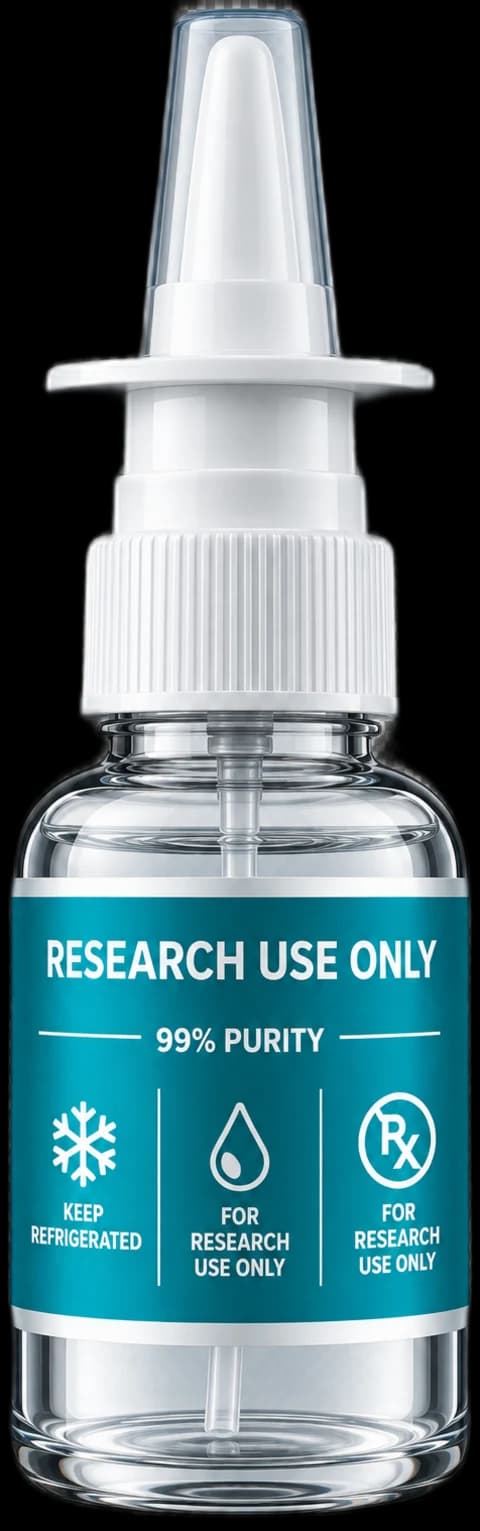
The original and most well-characterized route of administration. Selank was specifically designed for intranasal delivery.

Clinical concentrations: Russian-approved formulation uses 0.15% solution:

Application: Tilt head slightly back, spray into each nostril, inhale gently. Avoid blowing nose for 10–15 minutes after administration.

Subcutaneous Injection (Community Protocol)

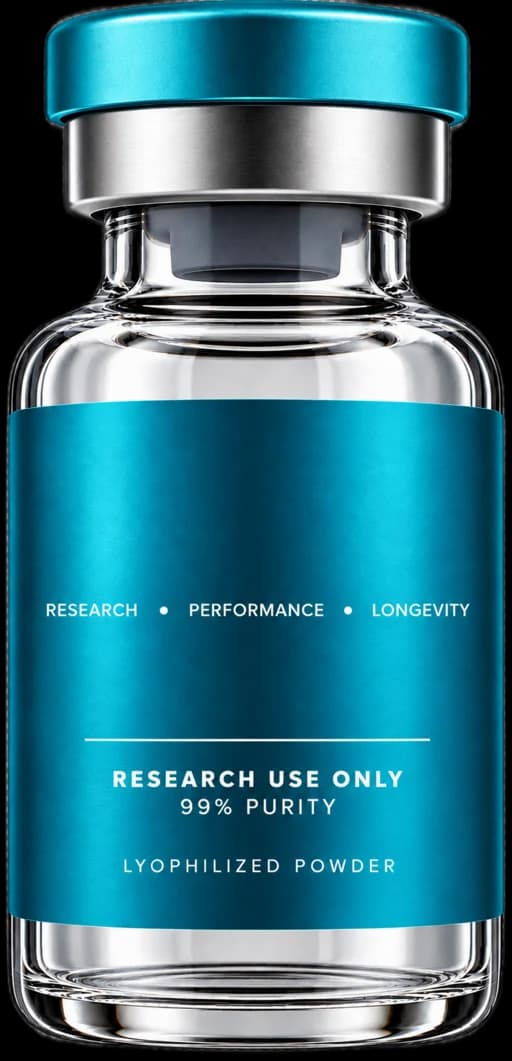
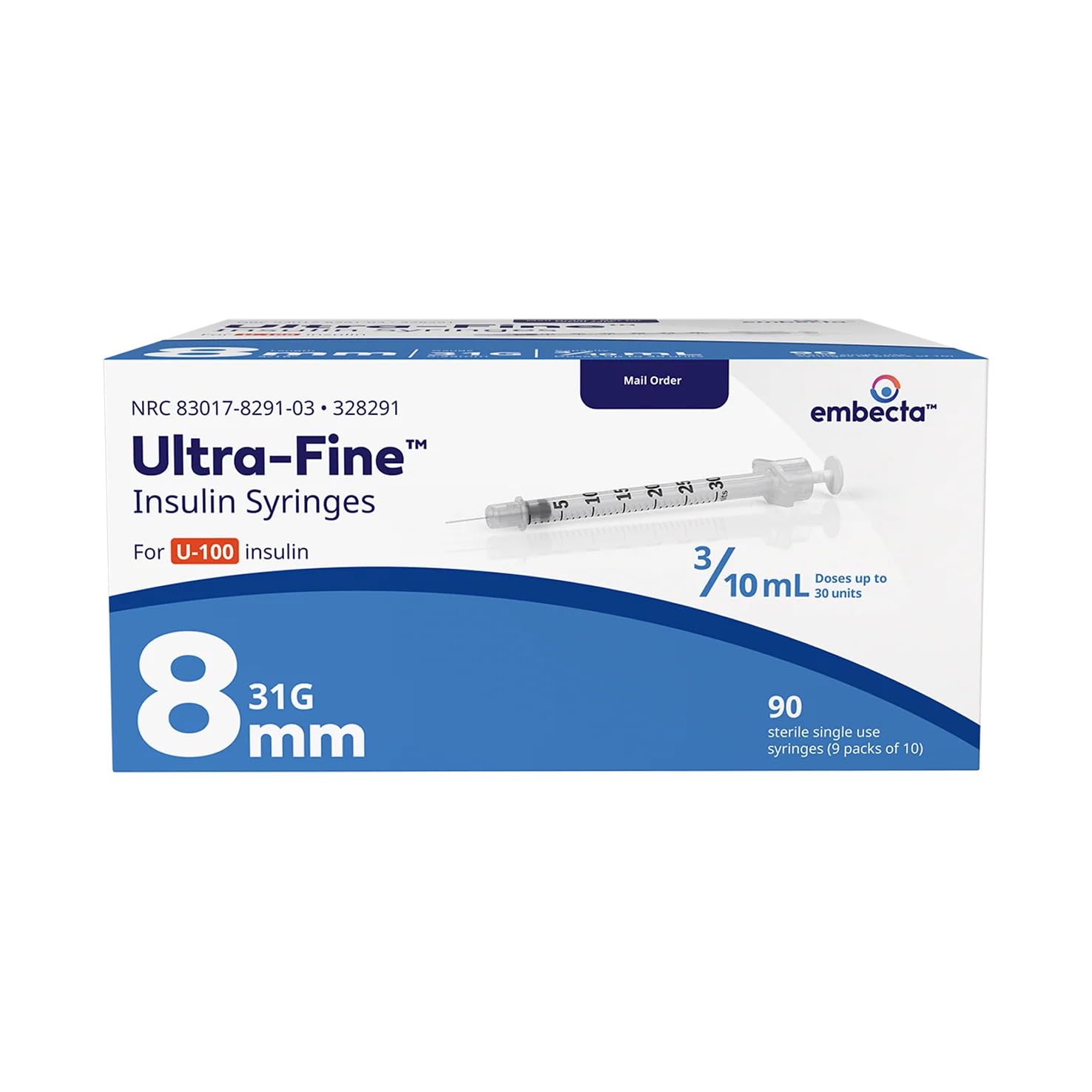
An alternative route used by the peptide community for more consistent dosing and absorption.

Important: Subcutaneous injection bypasses the nasal mucosa absorption pathway studied in clinical trials. Bioavailability and pharmacokinetics may differ.

🧪

Ready to Buy? Compare Prices

Best current prices from verified vendors with COA testing.

BPC-157

EZ Peptides · 10mg · $3.50/mgCOA ✓

$35.00
GHK-Cu

EZ Peptides · 50mg · $0.56/mgCOA ✓

$28.00
SS-31 (Elamipretide)

Particle Peptides · 50mg · $3.17/mgCOA ✓

$158.53
💰

The Peptide Brief

Weekly price drops, new research, and vendor deals — straight to your inbox.

No spam. Unsubscribe anytime.

Where These Numbers Come From: Clinical Context

Selank is relatively unique among peptides — it has genuine human clinical trial data and regulatory approval in Russia.

Russian Clinical Trials

Selank has been evaluated in controlled human studies:

Mechanistic Studies

The biological basis for Selank's effects is well-characterized:

Dosing Derivation

Community subcutaneous doses (250–500 mcg) are derived from:

  1. Clinical intranasal doses — 250–300 mcg per session in human trials
  2. Bioavailability adjustment — SC injection likely provides higher bioavailability than intranasal, so doses are kept similar or slightly higher
  3. Conservative approach — Starting at the lower clinical range

Mechanism of Action

Selank Mechanism of Action

Selank works through multiple complementary pathways, distinguishing it from single-target anxiolytics:

Enkephalinase inhibition — Selank potently inhibits enzymes that degrade endogenous enkephalins (endorphin-like peptides). By preventing enkephalin breakdown, it enhances the body's natural anxiolytic and mood-regulating opioid signaling without directly activating opioid receptors (Kost et al., 2001).

GABAergic modulation — Selank influences GABAA receptor function and modulates the expression of genes involved in GABAergic neurotransmission, producing benzodiazepine-like anxiolytic effects without the sedation, tolerance, or dependence profile (Kasian et al., 2016).

BDNF upregulation — Intranasal Selank increases brain-derived neurotrophic factor (BDNF) expression in the hippocampus, supporting neuroplasticity and potentially contributing to sustained anxiolytic and cognitive effects (Inozemtseva et al., 2008).

Monoamine modulation — Selank influences serotonin and dopamine metabolism, contributing to mood stabilization and the reported antidepressant-like effects observed in clinical use.

Immunomodulation — As a tuftsin derivative, Selank retains immunomodulatory properties, influencing cytokine production and immune cell function. This may contribute to its effects on stress resilience.

Side Effects & Safety

Selank has a favorable safety profile based on Russian clinical data:

Clinical Safety Data

Reported Side Effects

Common (mild):

Uncommon:

Contraindications

Stacking Selank

Selank is frequently combined with other peptides, particularly for nootropic and stress-management protocols:

Selank + Semax (Classic Russian Nootropic Stack)

The most popular Selank stack, combining anxiolytic and cognitive effects:

PeptideRouteDoseTiming
SelankIntranasal200–400 mcg2–3x daily
SemaxIntranasal200–600 mcg1–2x daily, AM/early PM

Selank + DSIP (Anxiety + Sleep)

For anxiety management with sleep support:

Selank + BPC-157 (Neurological Support)

For comprehensive neurological and gut-brain axis support:

Stacking Considerations

Frequently Asked Questions

What is the standard Selank dose?

The most common protocol is 200–400 mcg intranasally 2–3 times daily, or 250–500 mcg subcutaneously once daily. Russian clinical studies used 250–300 mcg intranasal doses in 14-day courses.

Is Selank better as a nasal spray or injection?

Nasal spray is the original and most-studied route — Selank was developed and approved in Russia as a nasal formulation. Subcutaneous injection is a community alternative offering potentially more consistent absorption.

How long should a Selank cycle last?

Most protocols run 2–4 weeks on, then 2–4 weeks off. Russian clinical studies typically used 14-day treatment courses. Some users extend to 4 weeks at lower doses.

Does Selank cause dependence like benzodiazepines?

No. Unlike benzodiazepines, Selank does not appear to cause tolerance, dependence, or withdrawal. Clinical studies noted anxiolytic effects comparable to benzodiazepines without sedation or addiction potential.

Can Selank be stacked with Semax?

Yes — Selank + Semax is a classic Russian nootropic stack. Selank provides anxiolytic and calming effects while Semax adds cognitive stimulation and BDNF upregulation. They work through complementary pathways.

How quickly does Selank work?

Many users report effects within minutes to hours of intranasal administration. Clinical studies showed measurable anxiolytic effects within the first few days of treatment, with full benefits developing over 7–14 days.

Related Guides

References

CitationTopicPMID
Zozulya et al., Zh Nevrol Psikhiatr Im S S Korsakova (2008)Clinical trial: Selank vs medazepam for GAD18454096
Kost et al., Bioorganicheskaia Khimiia (2001)Enkephalinase inhibition mechanism11550013
Kasian et al., Frontiers in Pharmacology (2016)GABAergic gene expression modulation26924987
Inozemtseva et al., Doklady Biological Sciences (2008)BDNF regulation in hippocampus18841804

For educational and research purposes only. This is not medical advice. Selank has clinical approval in Russia but is not FDA-approved. All protocols described are for informational purposes.