guidesFebruary 12, 2026โ€ขThe Peptide Catalog

SS-31 Dosing: 500mcg Protocol & Timing (2026)

SS-31 (Elamipretide) dosing guide with 500mcg protocols, 5-on-2-off cycling, clinical trial context, and timing.

SS-31 Dosing Guide

SS-31 (Elamipretide) is a synthetic mitochondria-targeted tetrapeptide that stabilizes cardiolipin in the inner mitochondrial membrane, restoring electron transport chain efficiency and ATP production. It's one of the few mitochondrial peptides with human clinical trial data, providing more robust dosing information than most research peptides.

SS-31 is not FDA-approved. Everything below reflects published clinical trial and community protocols. This is not medical advice.

Quick Reference: Community Dosing

If you're here for the practical protocol, here it is:

ParameterStandard Protocol
Dose500 mcg daily
RouteSubcutaneous injection (abdomen or thigh)
Frequency5 days on, 2 days off
Cycle8 weeks on, 8 weeks off
Vial size5 mg
Reconstitution1 mL bacteriostatic water per 5 mg vial
StorageRefrigerate, use within 28 days

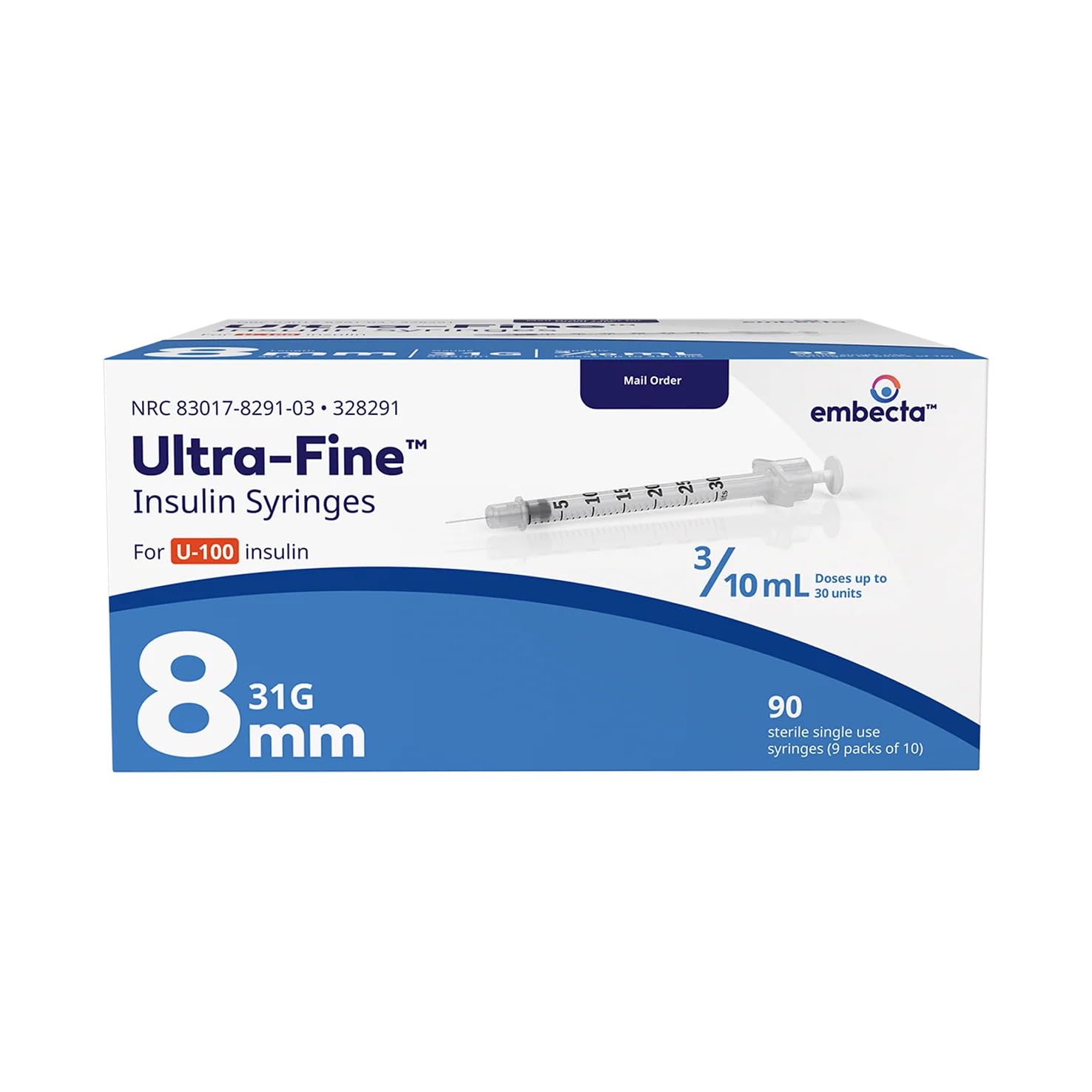
Most people follow: 500 mcg daily (10 units on insulin syringe) for 5 consecutive days, then 2 days off. Continue this pattern for 8 weeks, then take 8 weeks off before repeating.

For the full SS-31 peptide profile, vendor pricing, and stack protocols, see our SS-31 peptide page.

Loading vs Maintenance

Unlike some peptides, SS-31 community protocols don't typically use a loading phase. The standard approach is:

Consistent Protocol: 500 mcg daily with 5 on / 2 off pattern throughout the entire 8-week cycle. SS-31's rapid mitochondrial uptake (>1000-fold concentration within minutes) means loading isn't necessary.

Cycle Pattern: 8 weeks on, 8 weeks off. This cycling approach prevents potential receptor desensitization while allowing assessment of sustained effects.

Timing Considerations

Routes of Administration

Subcutaneous Injection (Most Common)

The standard route for community protocols. Inject into abdomen, thigh, or anywhere with subcutaneous fat.

Intravenous

Used only in clinical trials for:

IV provides rapid peak plasma levels but shorter tissue exposure than SC.

๐Ÿงช

Ready to Buy? Compare Prices

Best current prices from verified vendors with COA testing.

SS-31 (Elamipretide)

Particle Peptides ยท 50mg ยท $3.17/mgCOA โœ“

$158.53
MOTS-C

EZ Peptides ยท 10mg ยท $3.50/mgCOA โœ“

$35.00
Humanin

Limitless Biotech ยท 5mg ยท $15.20/mgCOA โœ“

$75.99
๐Ÿ’ฐ

The Peptide Brief

Weekly price drops, new research, and vendor deals โ€” straight to your inbox.

No spam. Unsubscribe anytime.

Where These Numbers Come From: Clinical Context

The community doses above are dramatically different from clinical trial doses โ€” here's why:

Clinical Trial Doses (Medical Applications)

SS-31 clinical trials used much higher doses for severe medical conditions:

TAZPOWER Trial (Barth Syndrome): 40 mg SC daily for 12 weeks in patients with genetic cardiolipin deficiency โ€” a life-threatening condition causing heart failure (Thompson et al., 2021).

PROGRESS-HF Trial (Heart Failure): 4 mg SC daily for 4 weeks in patients with heart failure and reduced ejection fraction.

Phase I Safety: IV doses up to 250 mcg/kg (~17.5mg for 70kg adult) in single-dose safety testing (Szeto, 2014).

Preclinical Research Doses

Animal studies use 0.1โ€“3 mg/kg doses:

Why Community Doses Are Much Lower

Clinical trials used 4-40mg daily for severe genetic/cardiac conditions (Barth syndrome, heart failure) where massive mitochondrial dysfunction required aggressive intervention. Community protocols use 500mcg for several reasons:

Mechanism of Action

SS-31 selectively concentrates in mitochondria (>1000-fold within minutes) where it binds cardiolipin, stabilizing electron transport chain complexes to improve ATP production while reducing ROS at the source. It's one of the fastest-acting peptides documented, improving mitochondrial ADP sensitivity within 1 hour. For the complete mechanism breakdown including cardiolipin binding, clinical trial results, and research context, see our SS-31 (Elamipretide) Research Guide.

Side Effects & Safety

SS-31 has excellent safety data from both clinical trials and community use.

What Clinical Trials Show

What Community Reports Show

At 500 mcg daily, side effects are rare:

Theoretical Considerations

SS-31's rapid mitochondrial effects are generally considered beneficial, but some theoretical considerations include:

Stacking SS-31

SS-31 is often combined with other longevity and metabolic peptides.

SS-31 + MOTS-c

MOTS-c works through AMPK activation while SS-31 directly stabilizes mitochondrial structure. Complementary mechanisms:

PeptideMechanismCommunity Protocol
SS-31Direct cardiolipin binding, immediate ETC stabilization500 mcg daily, 5 on 2 off
MOTS-cAMPK activation, metabolic signaling2-5 mg 2-3x/week

SS-31 + NAD+ Precursors

SS-31 optimizes existing mitochondrial function while NAD+ precursors (NMN, NR) support mitochondrial biogenesis and repair pathways.

SS-31 + Epitalon

Epitalon targets telomerase activation while SS-31 handles mitochondrial optimization โ€” covering two key aspects of cellular aging.

For the full head-to-head comparison with MOTS-c, see our SS-31 vs MOTS-c comparison.

Frequently Asked Questions

What is the standard SS-31 dose for mitochondrial support?

The most common community protocol is 500 mcg daily, 5 days on / 2 days off, 8 weeks on / 8 weeks off. This is much lower than clinical trial doses (4-40mg daily) used for severe genetic/cardiac conditions.

Why is community SS-31 dosing so much lower than clinical trials?

Clinical trials used 4-40mg daily for severe conditions like Barth syndrome and heart failure. Community protocols use 500mcg extrapolated conservatively from preclinical data for general longevity/mitochondrial support, not treating disease.

How do I reconstitute SS-31?

Add 1 mL bacteriostatic water to a 5 mg vial for 5,000 mcg/mL concentration. 500 mcg = 10 units on an insulin syringe. Store refrigerated, use within 28 days.

Can SS-31 be taken orally?

No. SS-31 is a tetrapeptide that would be destroyed by digestive enzymes. All protocols use subcutaneous or intravenous injection.

How fast does SS-31 work?

Preclinically, SS-31 improves mitochondrial function within 1 hour. Community users typically run 8-week cycles to assess effects on energy, exercise capacity, and recovery.

Should I cycle SS-31 or use it continuously?

Most community protocols cycle: 8 weeks on, 8 weeks off. Within each cycle, 5 days on / 2 days off is common to prevent potential receptor desensitization.

What's the difference between SS-31 and MOTS-c dosing?

SS-31 uses much lower doses (500mcg daily) with rapid cardiolipin binding. MOTS-c needs higher doses (5-15mg/kg in animals) for AMPK signaling. SS-31 works in minutes while MOTS-c takes hours to days.

How long should I run SS-31?

Most community protocols run 8-week cycles with 8 weeks off. Some extend to 12 weeks for specific applications, but cycling is preferred over continuous use.

Related Guides

References

CitationTopicPMID
Zhao et al., J Biol Chem (2004)SS-31 discovery, mitochondrial targeting15178689
Birk et al., J Am Soc Nephrol (2013)Cardiolipin binding mechanism23813215
Szeto, Br J Pharmacol (2014)Comprehensive SS-31 review, Phase I data24117165
Siegel et al., Aging Cell (2013)Rapid mitochondrial improvement in aged mice23692570
Siegel et al., GeroScience (2023)ADP sensitivity in aging human muscle37462785
Thompson et al., Genet Med (2021)TAZPOWER trial (Barth syndrome)33077895
Campbell et al., Free Radic Biol Med (2019)Age-related redox stress reversal30597195
Szeto et al., J Am Soc Nephrol (2011)Kidney ischemia-reperfusion protection21546574
Dai et al., J Am Coll Cardiol (2011)Hypertensive cardiomyopathy21620606
Eirin et al., J Am Heart Assoc (2016)Renovascular hypertension (swine)27247333

For educational and research purposes only โ€” no clinical use is approved. This is not medical advice. SS-31 is not FDA-approved for any indication.