DSIP Dosing Guide: Sleep Protocols & Cycles (2026)
Evidence-based DSIP dosing guide covering protocols, cycling, reconstitution, side effects, and stacking for delta sleep-inducing peptide research.

Delta Sleep-Inducing Peptide (DSIP) is a naturally occurring nonapeptide with the amino acid sequence Trp-Ala-Gly-Gly-Asp-Ala-Ser-Gly-Glu (molecular weight ~849 Da). First isolated from rabbit brain dialysates in 1977 by Schoenenberger and Monnier, DSIP was named for its ability to promote slow-wave (delta) sleep in animal models [1]. Over four decades of research have since revealed a far broader pharmacological profile—encompassing stress-hormone modulation, neuroendocrine regulation, antioxidant activity, and even potential applications in substance withdrawal management.
Despite its promising research history, DSIP remains an investigational compound without FDA approval. This guide is for educational and research purposes only. Nothing here constitutes medical advice. Always consult a qualified healthcare provider before considering any peptide protocol.
Quick Reference: Community Dosing
| Parameter | Detail |
|---|---|
| Peptide | DSIP (Delta Sleep-Inducing Peptide) |
| Molecular Weight | ~849 Da |
| Common Dose Range | 100–300 mcg subcutaneously |
| Typical Starting Dose | 100 mcg |
| Administration Route | Subcutaneous injection |
| Timing | 30–60 minutes before sleep |
| Frequency | Daily or every other day |
| Cycle Length | 10–30 days on, 10–20 days off |
| Vial Sizes | 2 mg, 5 mg, 10 mg lyophilized powder |
| Storage (Lyophilized) | Room temperature or refrigerated |
| Storage (Reconstituted) | Refrigerated 2–8°C, use within 4–6 weeks |
Important: These parameters reflect community-reported protocols and early clinical data, not established medical guidelines. DSIP lacks standardized dosing from regulatory agencies.
How DSIP Works
DSIP's mechanism of action is multifaceted and not fully elucidated, but research has identified several key pathways through which it influences sleep, stress, and neuroendocrine function.
Delta Wave Sleep Induction
DSIP's namesake effect involves the promotion of slow-wave sleep (SWS), characterized by high-amplitude delta EEG activity (0.5–4 Hz). In a landmark 1981 double-blind crossover study, Schneider-Helmert administered 25 nmol/kg DSIP intravenously to healthy volunteers and observed enhanced delta sleep during subsequent nights, with effects persisting beyond the day of administration [2]. This delayed action suggests DSIP may prime sleep-regulatory circuits rather than acting as an acute sedative.
A 1992 double-blind study in 16 chronic insomnia patients found that DSIP improved subjective sleep quality and reduced sleep latency compared to placebo, though the magnitude of polysomnographic changes varied between subjects [3].
Neuromodulation
DSIP interacts with multiple neurotransmitter systems. In the brain, its effects appear to be mediated in part by NMDA receptors, and it has been shown to stimulate acetyltransferase activity through α1-adrenergic receptors in rat models [1]. DSIP co-localizes in the pituitary with ACTH, MSH, TSH, and melanin-concentrating hormone, suggesting broad neuroendocrine integration.
Stress Hormone Regulation
One of DSIP's most consistent findings across studies is its modulation of the hypothalamic-pituitary-adrenal (HPA) axis. DSIP attenuates both basal and stress-induced corticotropin (ACTH) release, effectively dampening the cortisol stress response [4]. This stress-protective property may partly explain its sleep benefits, since elevated evening cortisol is a well-known driver of insomnia and fragmented sleep.

Ready to Buy? Compare Prices
Best current prices from verified vendors with COA testing.
The Peptide Brief
Weekly price drops, new research, and vendor deals — straight to your inbox.
No spam. Unsubscribe anytime.
Protocol & Cycling
Standard Sleep Protocol
The most widely referenced community protocol for DSIP follows this structure:
Phase 1 — Loading (Days 1–5):
- Dose: 100 mcg subcutaneously
- Timing: 30–60 minutes before bedtime
- Frequency: Nightly
- Purpose: Establish baseline response and assess tolerance
Phase 2 — Active Protocol (Days 6–30):
- Dose: 100–300 mcg subcutaneously (titrate based on Phase 1 response)
- Timing: 30–60 minutes before bedtime
- Frequency: Nightly or every other night
- Purpose: Optimize sleep quality and delta wave activity
Phase 3 — Off-Cycle (10–20 days):
- Discontinue DSIP
- Monitor residual sleep improvements (delayed effects are common)
- Assess whether another cycle is warranted
Alternative Protocols
Some practitioners reference Dr. William Seeds' protocol from Peptide Protocols, Volume 1: 100 mcg subcutaneously at night, administered daily, every 3 days, or weekly depending on individual response [5].
Others follow a pulse protocol: 100–200 mcg nightly for 10 consecutive days, followed by 20 days off. This approach leverages DSIP's documented delayed effects—where sleep improvements persist beyond the active dosing period [2].
Cycling Rationale
While no clinical evidence demonstrates DSIP tolerance development, cycling remains a community best practice for two reasons:
- Receptor sensitivity maintenance — Periodic breaks theoretically preserve neuromodulatory responsiveness
- Monitoring delayed effects — DSIP's benefits often peak or persist during off-cycle periods, making continuous dosing potentially unnecessary
Clinical & Research Context
DSIP's research history spans over 40 years with dozens of published studies, though many are small-scale and methodologically limited by modern standards.
Sleep Studies
- Schneider-Helmert (1981): 25 nmol/kg IV in 6 healthy volunteers showed enhanced delta sleep with delayed onset of effects [2]
- Schneider-Helmert (1992): Double-blind study in 16 chronic insomniacs demonstrated subjective sleep improvement versus placebo [3]
- Schneider-Helmert (1984): DSIP compressed the sleep period and enhanced REM sleep in narcolepsy patients, suggesting effects on circadian and ultradian rhythm modulation [6]
Stress & Withdrawal
- Dick et al. (1984): DSIP successfully treated withdrawal symptoms in opiate-dependent and alcohol-dependent patients, with good tolerability aside from occasional headaches [7]
- Pollard & Pomfrett (2001): Comprehensive review in the European Journal of Anaesthesiology described DSIP as "incredibly safe," noting no lethal dose had been identified in animal studies and no significant adverse effects beyond transient headache, nausea, and vertigo in humans [4]
Neuroprotection
- 2021 study in Molecules: DSIP accelerated motor function recovery in rats following focal stroke, suggesting potential neuroprotective applications beyond sleep [8]
- 2024 Frontiers in Pharmacology study: A DSIP fusion peptide designed to cross the blood-brain barrier showed efficacy in PCPA-induced insomnia mouse models, with improvements in melatonin, serotonin, dopamine, and glutamate biomarkers [9]
Limitations
It is important to note that DSIP research has significant gaps: most human studies are small (n < 20), conducted before modern polysomnography standards, and have not been replicated at scale. The FDA includes DSIP on its list of bulk drug substances with potential safety concerns, underscoring the need for further investigation.
Reconstitution Guide

DSIP is supplied as a lyophilized (freeze-dried) powder that must be reconstituted before use.
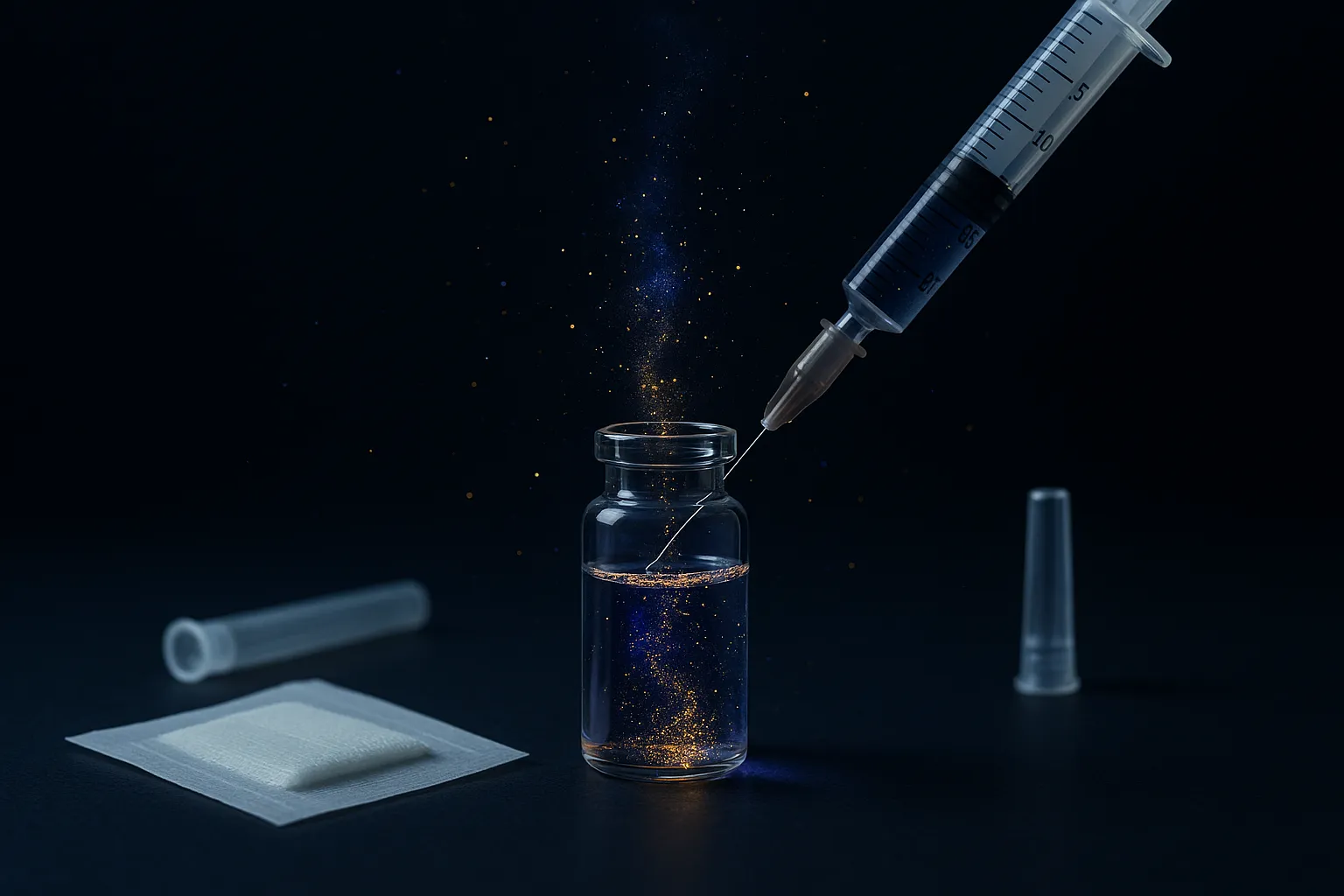
What You Need
- DSIP lyophilized vial (2 mg, 5 mg, or 10 mg)
- Bacteriostatic water (BAC water)
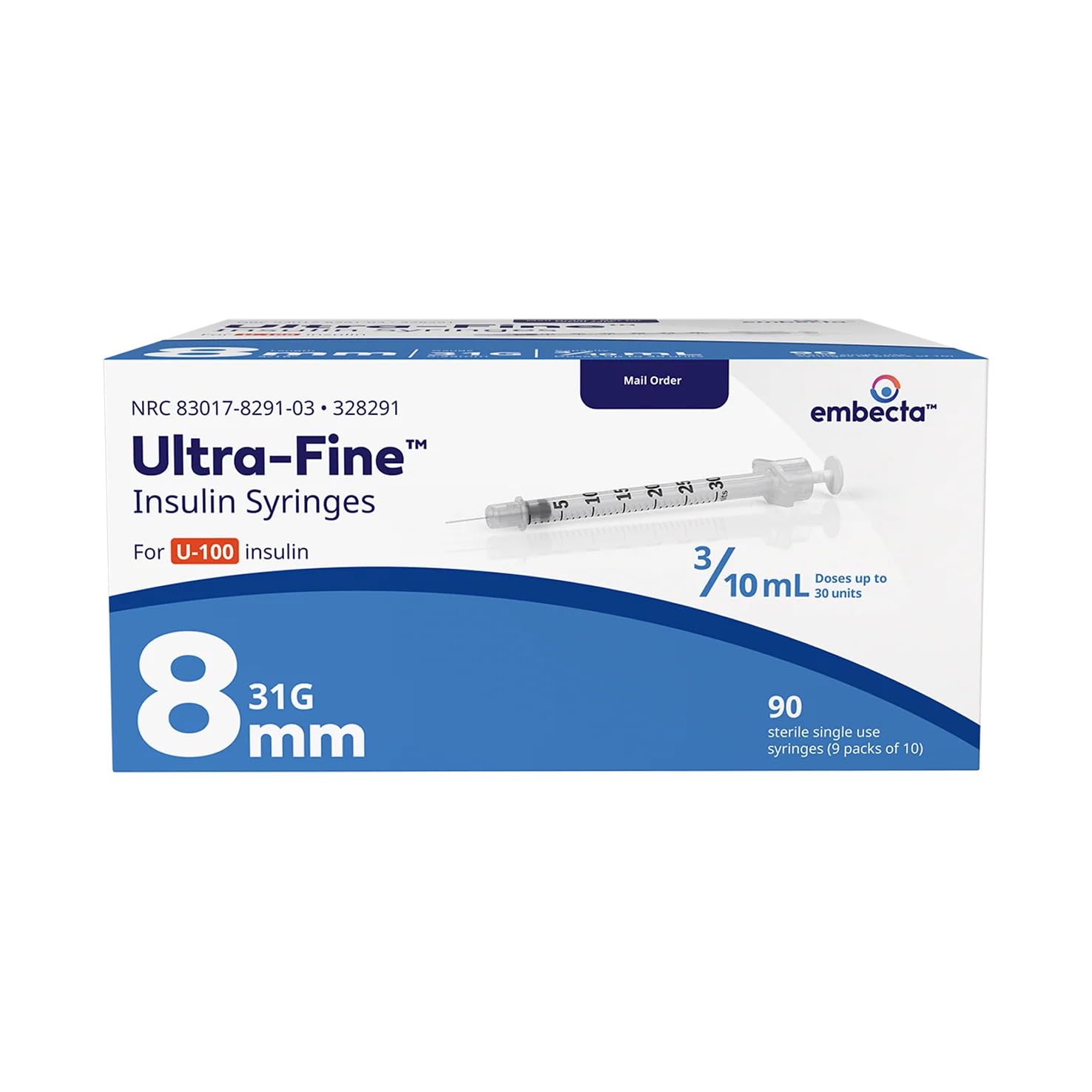
- Sterile insulin syringes (29–31 gauge)
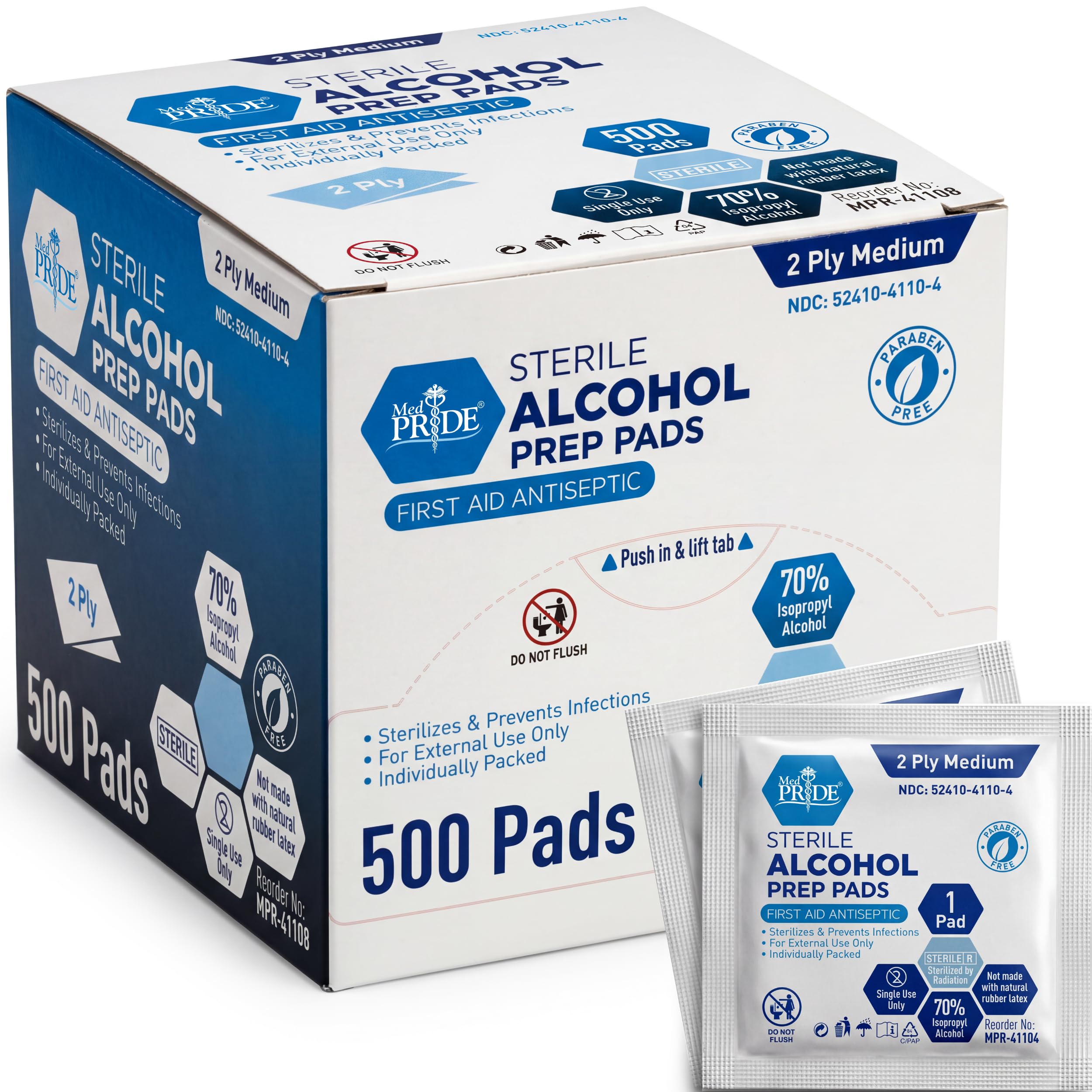
- Alcohol swabs
Step-by-Step Reconstitution
- Clean the vial stopper and BAC water vial with alcohol swabs
- Draw your chosen volume of bacteriostatic water into the syringe
- Inject the water slowly along the inside wall of the DSIP vial—never directly onto the powder
- Swirl the vial gently until fully dissolved (do not shake)
- Store reconstituted solution refrigerated at 2–8°C
Dilution Math
For a 5 mg vial reconstituted with 2 mL bacteriostatic water:
- Concentration = 5,000 mcg ÷ 2 mL = 2,500 mcg/mL
- For a 100 mcg dose = 0.04 mL = 4 units on an insulin syringe
- For a 200 mcg dose = 0.08 mL = 8 units on an insulin syringe
- For a 300 mcg dose = 0.12 mL = 12 units on an insulin syringe
For a 5 mg vial reconstituted with 1 mL bacteriostatic water:
- Concentration = 5,000 mcg/mL
- 100 mcg = 0.02 mL = 2 units
- 200 mcg = 0.04 mL = 4 units
- 300 mcg = 0.06 mL = 6 units
Tip: Using 2 mL of BAC water per 5 mg vial provides easier-to-measure volumes and reduces dosing error.
Injection Technique
- Inject subcutaneously into the abdominal area (at least 2 inches from the navel), thigh, or upper arm
- Rotate injection sites to prevent lipohypertrophy
- Do not aspirate for subcutaneous injections
- Inject slowly and steadily
Side Effects & Safety
DSIP has a remarkably favorable safety profile in published literature, though long-term safety data in humans remains limited.
Reported Side Effects
- Transient headache — the most commonly reported side effect
- Mild nausea — usually resolves within 30 minutes
- Temporary dizziness/vertigo — reported at higher doses
- Injection site redness — typical of any subcutaneous injection
Safety Considerations
- No lethal dose identified: Animal studies have failed to establish an LD50 for DSIP [4]
- No dependency: No withdrawal symptoms documented upon discontinuation
- No respiratory depression: Unlike pharmaceutical sleep aids, DSIP does not suppress breathing
- FDA caution: DSIP appears on the FDA's list of bulk drug substances with potential safety concerns, reflecting regulatory conservatism around limited human data rather than documented toxicity
Who Should Avoid DSIP
- Pregnant or breastfeeding individuals
- Those with uncontrolled endocrine disorders
- Individuals on immunosuppressive therapy (DSIP has immunomodulatory properties)
- Anyone with a known allergy to the peptide or its components
- Minors under 18
Stacking
DSIP's unique mechanism of action makes it complementary to several other research peptides. Below are commonly discussed stacks in the peptide community.
DSIP + Selank (Anxiolytic Sleep Stack)
- DSIP: 100–200 mcg subcutaneously before bed
- Selank: 200–400 mcg intranasally, evening
- Rationale: Selank's anxiolytic and GABA-modulatory effects address anxiety-driven insomnia, while DSIP promotes delta sleep architecture. The combination targets both the cognitive and physiological components of poor sleep.
DSIP + Epitalon (Sleep & Longevity Stack)
- DSIP: 100–200 mcg subcutaneously before bed
- Epitalon: 5–10 mg subcutaneously, daily for 10–20 days
- Rationale: Epitalon stimulates pineal melatonin production and supports telomere maintenance. Combined with DSIP's delta wave promotion, this stack addresses sleep from complementary pathways—melatonin-mediated circadian signaling plus direct sleep-architecture enhancement.
DSIP + Ipamorelin (Sleep & Recovery Stack)
- DSIP: 100–200 mcg subcutaneously before bed
- Ipamorelin: 100–200 mcg subcutaneously before bed
- Rationale: Growth hormone release peaks during deep sleep. Ipamorelin's GH secretagogue activity synergizes with DSIP's delta sleep promotion, potentially amplifying the recovery benefits of the sleep period.
Note: Always inject stacked peptides at separate sites. Do not mix peptides in the same syringe unless specifically validated for compatibility.
FAQ
What is the standard DSIP dose? Community protocols typically range from 100–300 mcg administered subcutaneously in the evening, 30–60 minutes before bedtime. Most users begin at 100 mcg and titrate upward based on response.
How long does it take for DSIP to work? Many users report improved sleep quality within the first 1–3 administrations. However, cumulative effects on sleep architecture and stress hormone regulation may take 5–10 days of consistent use to fully manifest.
Can DSIP be used every day? Short-term daily use (10–30 days) is common in community protocols, but most practitioners recommend cycling—such as 10 days on followed by 10–20 days off—to maintain efficacy.
What is the best time to take DSIP? DSIP is typically administered 30–60 minutes before intended sleep. Some clinical studies used morning IV infusions and still observed delayed sleep-enhancing effects, but evening subcutaneous dosing is the community standard.
Does DSIP cause dependency or withdrawal? No dependency or withdrawal symptoms have been documented in clinical literature. DSIP has itself been studied as a treatment for opiate and alcohol withdrawal symptoms [7].
How do I reconstitute DSIP? Add bacteriostatic water slowly along the vial wall—typically 1–2 mL per 5 mg vial. Swirl gently, never shake. Store reconstituted DSIP refrigerated at 2–8°C and use within 4–6 weeks.
Can DSIP be stacked with other peptides? Yes. Common stacks include DSIP with Selank (anxiolytic support), Epitalon (melatonin and telomere benefits), or low-dose Ipamorelin (synergistic GH release during sleep). Each peptide should be injected at separate sites.
Is DSIP FDA-approved? No. DSIP is not FDA-approved for any medical condition. It is classified as a research peptide. All protocols discussed are for educational and informational purposes only.
Related Guides
- Selank Dosing Guide — Anxiolytic neuropeptide protocols
- Epitalon Dosing Guide — Pineal peptide for melatonin and telomeres
- Ipamorelin Dosing Guide — Growth hormone secretagogue protocols
- Peptide Reconstitution 101 — Complete mixing and storage guide
References
-
Graf MV, Kastin AJ. Delta-sleep-inducing peptide (DSIP): a review. Neurosci Biobehav Rev. 1984;8(1):83-93. PMID: 6145137
-
Schneider-Helmert D, Gnirss F, Gotta J, et al. Acute and delayed effects of DSIP (delta sleep-inducing peptide) on human sleep behavior. Int J Clin Pharmacol Ther Toxicol. 1981;19(8):341-345. PMID: 6895513
-
Schneider-Helmert D. Effects of delta sleep-inducing peptide on sleep of chronic insomniac patients. A double-blind study. Neuropsychobiology. 1992;26(4):193-197. PMID: 1299794
-
Pollard BJ, Pomfrett CJD. Delta sleep-inducing peptide. Eur J Anaesthesiol. 2001;18(7):419-422. doi: 10.1097/00003643-200107000-00001
-
Seeds W. Peptide Protocols, Volume 1. Spire Institute; 2021.
-
Schneider-Helmert D. Effects of DSIP on narcolepsy. Eur Neurol. 1984;23(5):353-363. PMID: 6548968
-
Dick P, Grandjean ME, Bhatt BN, et al. DSIP in the treatment of withdrawal syndromes from alcohol and opiates. Eur Neurol. 1984;23(5):364-371. PMID: 6548969
-
Khavinson VKh, et al. Delta Sleep-Inducing Peptide Recovers Motor Function in SD Rats after Focal Stroke. Molecules. 2021;26(17):5173. doi: 10.3390/molecules26175173
-
Zhang Y, et al. Pichia pastoris secreted peptides crossing the blood-brain barrier and DSIP fusion peptide efficacy in PCPA-induced insomnia mouse models. Front Pharmacol. 2024;15:1439536. doi: 10.3389/fphar.2024.1439536
Last updated: February 21, 2026. This article is for educational and informational purposes only. DSIP is a research peptide not approved by the FDA for human use. Consult a qualified healthcare provider before beginning any peptide protocol.