Reconstitution
Reconstitution is where peptide research starts. The supplies below are the ones community sources consistently cite at the front of a protocol: bacteriostatic water (the multi-dose solvent with 0.9% benzyl alcohol), sterile alcohol prep pads for vial-stopper and injection-site preparation, and sterile PES syringe filters when an extra particulate-removal step is part of the workflow.

SimPure Sterile 0.22µm PES Syringe Filters (10-pack)
0.22µm PES filters, individually wrapped sterile. Filter reconstituted peptides for particulates before dosing. PES doesn't bind peptides the way nylon can; 33mm diameter is easier to handle than 13mm.
View on Amazon →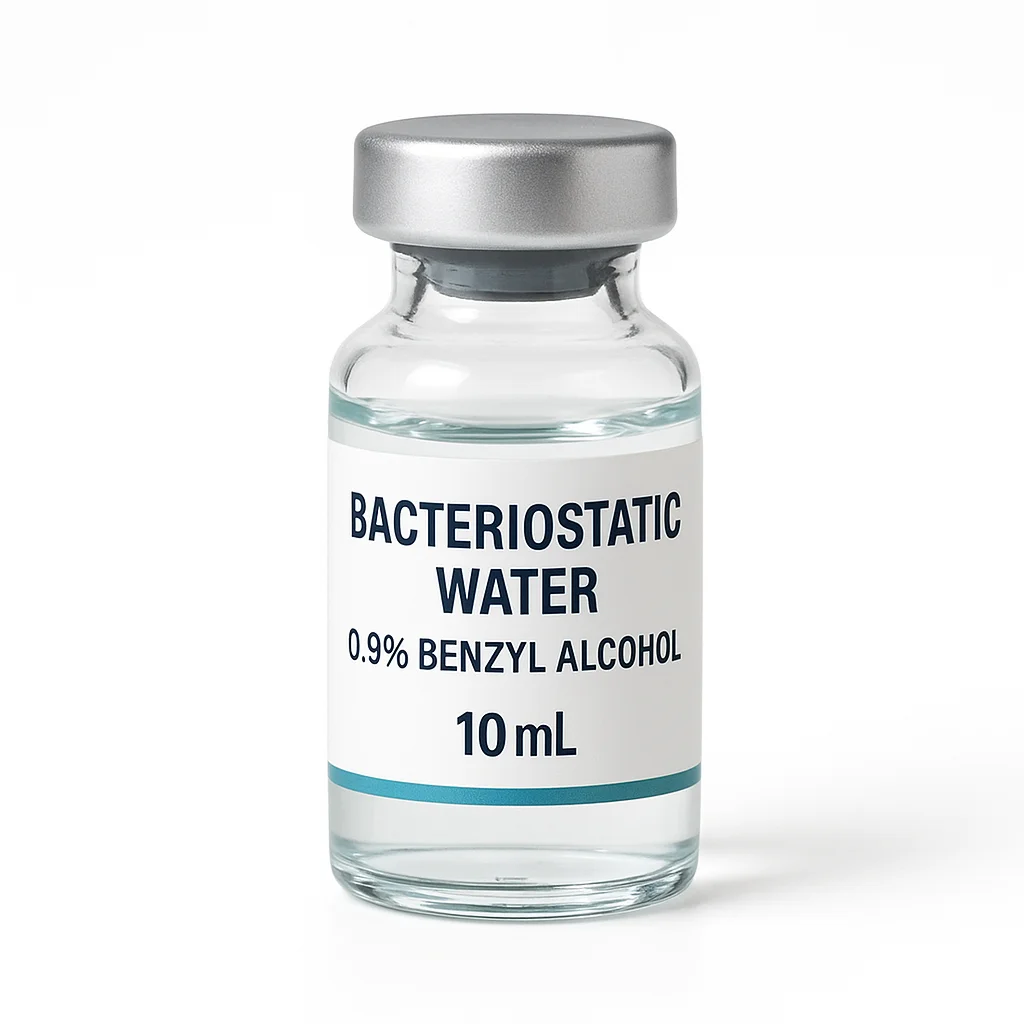
Bac Water Catalog — Bacteriostatic Water (Peptide-Grade)
Sterile, non-pyrogenic, 0.9% benzyl alcohol — formulated specifically for peptide reconstitution, not adapted from generic stock. Ships to your door with a batch-matched Certificate of Analysis. 50% off with code THEPEPTIDECATALOG (applied automatically at the link).
View at Bac Water Catalog →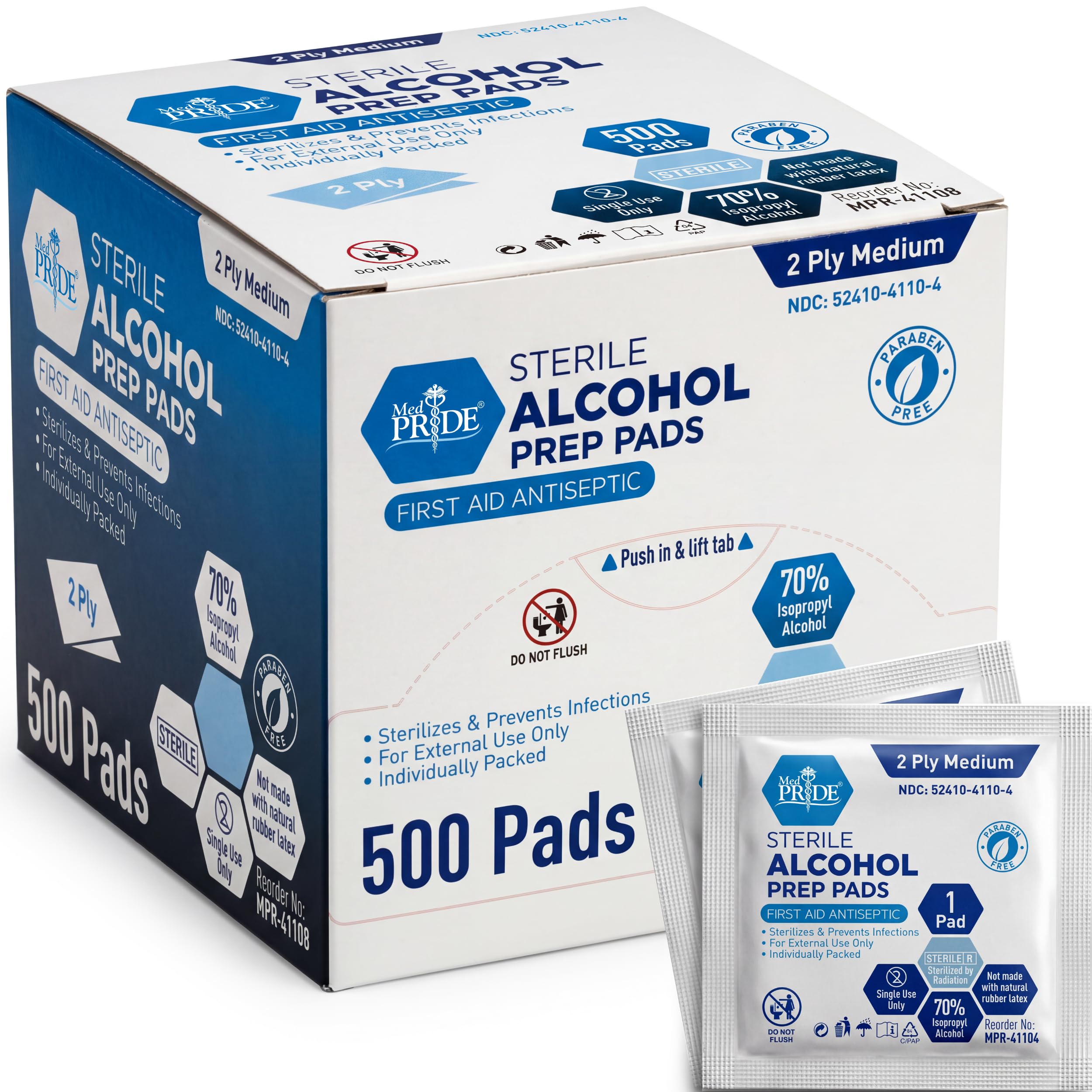
Med-Pride Alcohol Prep Pads — Medical-Grade, Individually Wrapped
Medical-grade 70% isopropyl alcohol prep pads, individually wrapped and sterile single-use. Standard for cleaning vial stoppers and injection sites before sub-Q dosing.
View on Amazon →Common questions
How much bac water is typically used per peptide vial?+
Community-cited ratios cluster between 1 mL and 3 mL of bacteriostatic water per peptide vial, depending on the desired concentration and the peptide. The exact ratio for any given peptide is covered in that peptide's reconstitution guide on the site.
When are syringe filters used in peptide research?+
Sterile 0.22 µm syringe filters are an optional step community sources cite for an additional particulate-removal layer between reconstituted peptide and the dosing syringe. PES (polyethersulfone) is the membrane type most cited — it has low peptide-binding characteristics, unlike nylon.
Are alcohol prep pads necessary?+
Medical-grade 70% isopropyl alcohol prep pads are the standard surface-disinfection step before puncturing a vial stopper or an injection site. Community sources and pharmaceutical procedure documentation consistently cite them as a baseline aseptic-technique requirement for multi-dose vial use.