Symptom Relief
Symptom-relief supplies pair with research peptide protocols where specific side effects surface. GLP-1 protocols drive the largest set — nausea, dehydration, constipation, occasional diarrhea, reflux. Melanotan loading drives histamine flushing. GH-secretagogues drive sleep-architecture shifts and joint stiffness. Each item below is cited by community sources for a specific symptom context, not as a medical treatment.
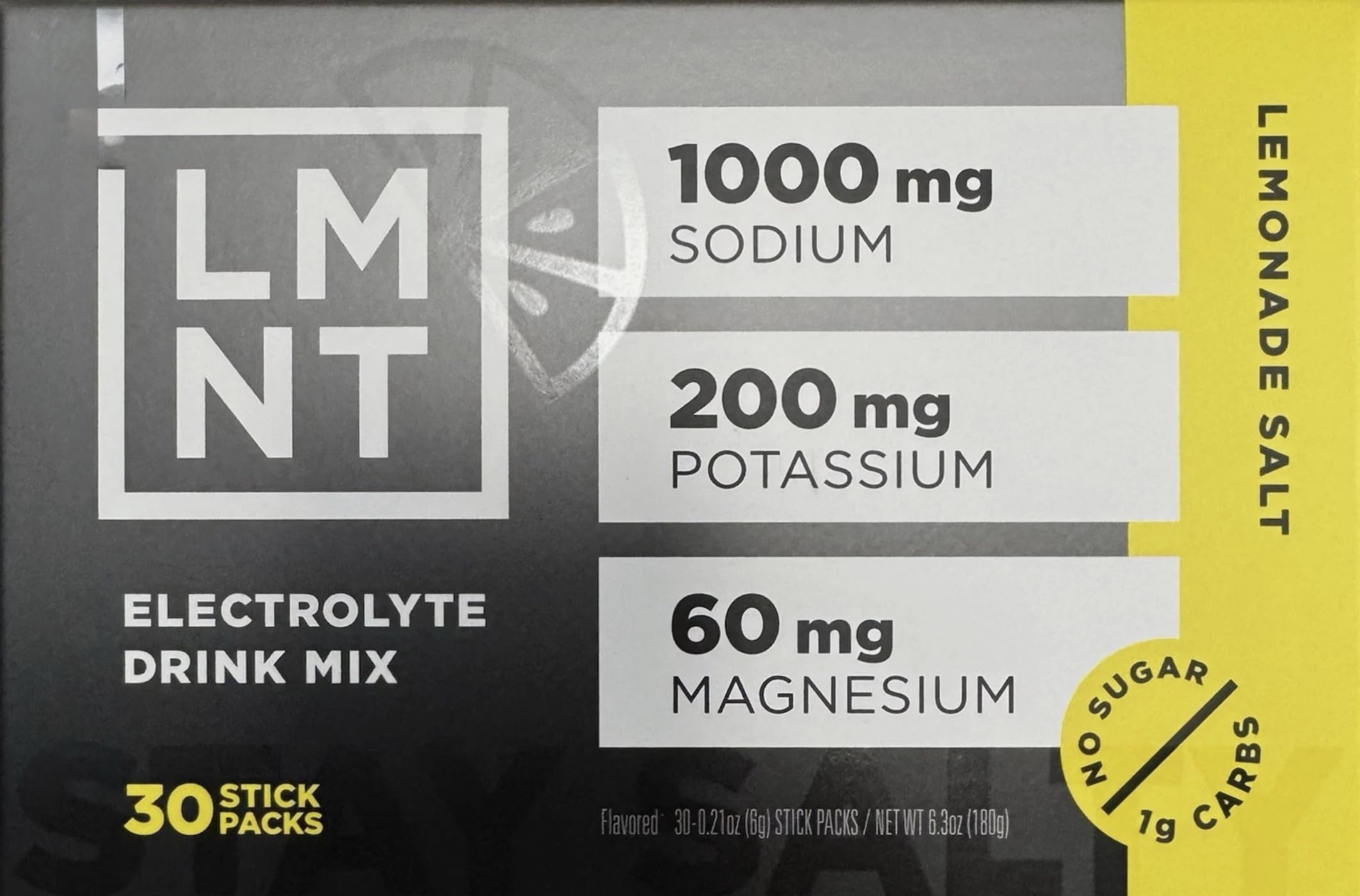
LMNT Recharge Electrolyte Drink Mix
Sodium-forward electrolyte powder (1000mg Na, no sugar). The most-cited brand in GLP-1 communities — reduced food intake means reduced electrolyte intake, especially sodium and potassium.
View on Amazon →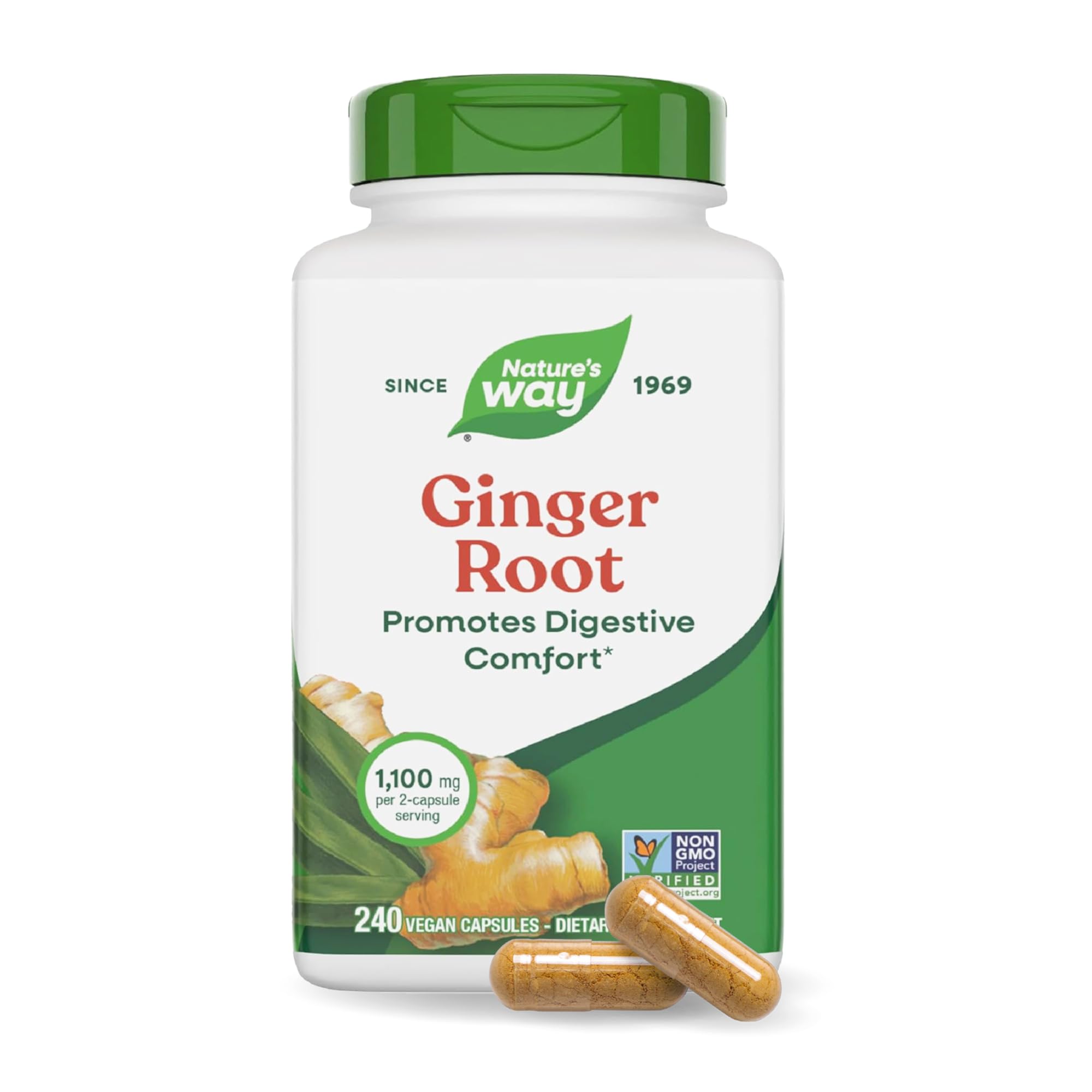
Nature's Way Ginger Root Capsules
Standardized ginger root extract. The most-cited non-prescription option for nausea — useful adjunct during GLP-1 dose escalation when GI side effects peak.
View on Amazon →
Yerba Prima Psyllium Whole Husk
Whole-husk psyllium fiber (not powdered). Standard counter-measure when GLP-1 protocols slow gut motility — start 1 tsp/day with copious water and titrate up.
View on Amazon →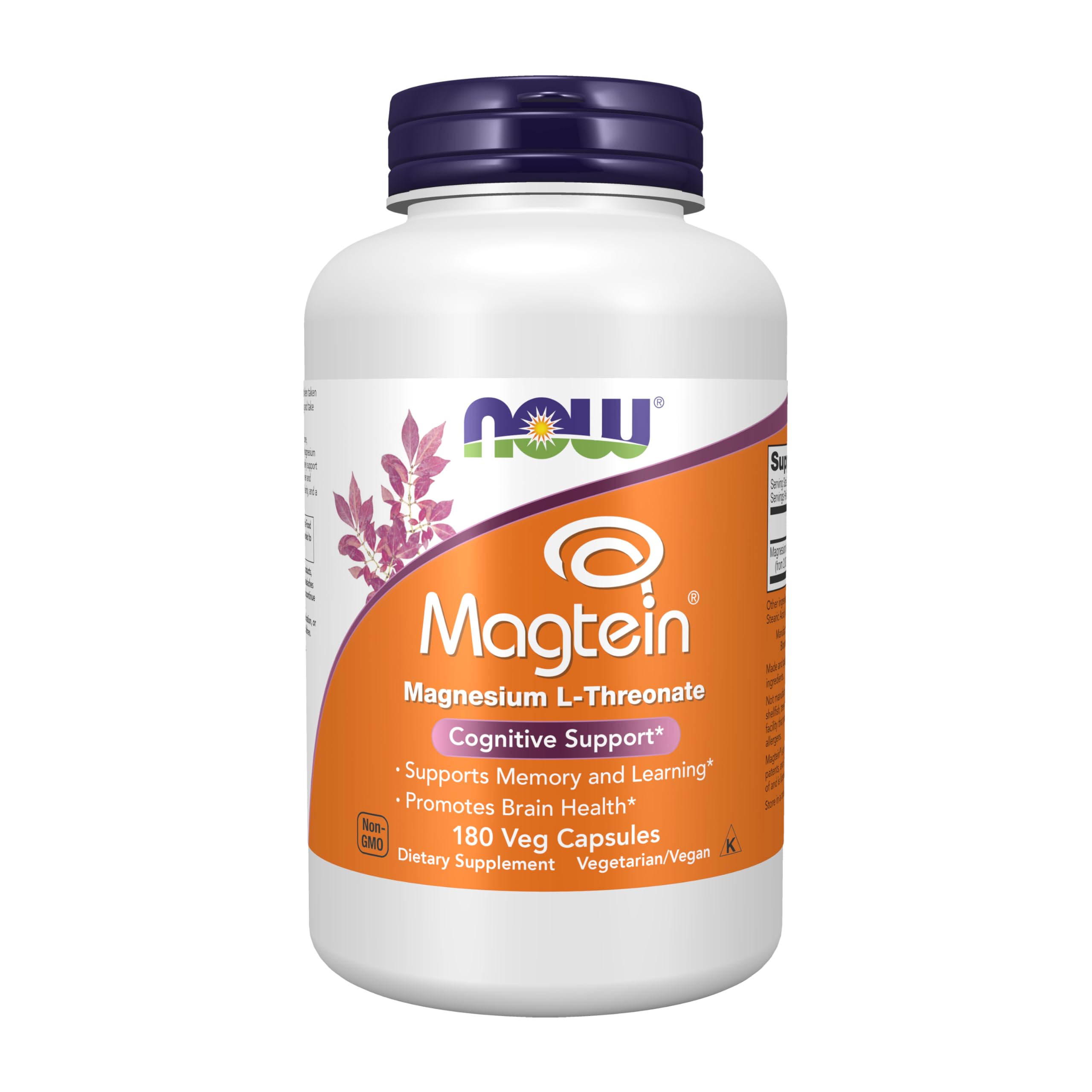
NOW Magtein Magnesium L-Threonate
Magnesium L-threonate (Magtein) — the only magnesium form that crosses the blood-brain barrier. Community-favored adjunct for headaches that crop up day-1 of BPC-157 or during melanotan loading.
View on Amazon →
Imodium A-D Loperamide (24ct)
Loperamide — the standard OTC for acute diarrhea. Useful adjunct during GLP-1 dose escalation (semaglutide, tirzepatide, retatrutide) when GI side effects swing the opposite direction from constipation.
View on Amazon →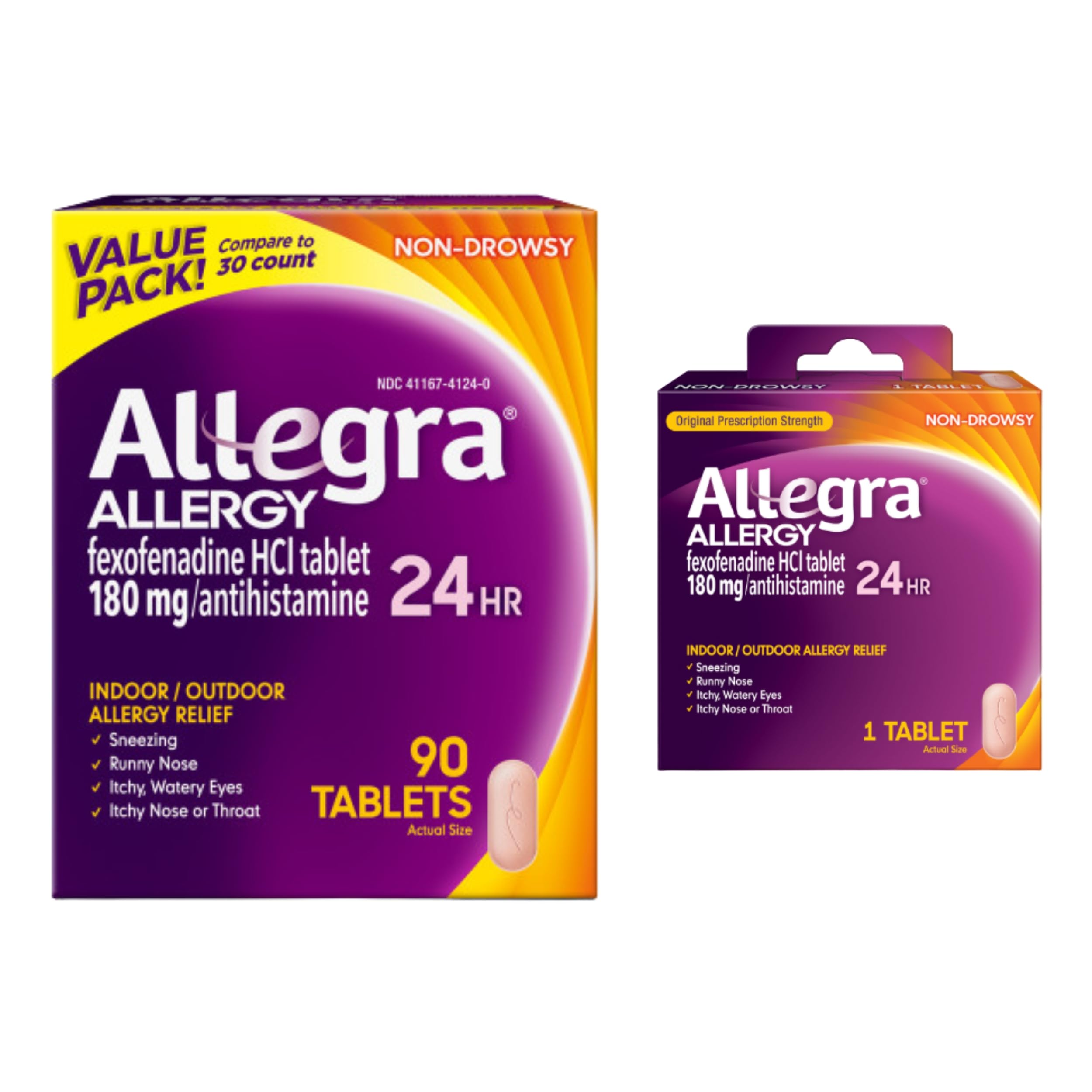
Allegra 180mg Fexofenadine (90ct)
Non-drowsy 24-hour antihistamine. Reduces the flushing and histamine-mediated skin reactions PT-141 and melanotan loading sometimes trigger. Non-D form — no pseudoephedrine restriction at checkout.
View on Amazon →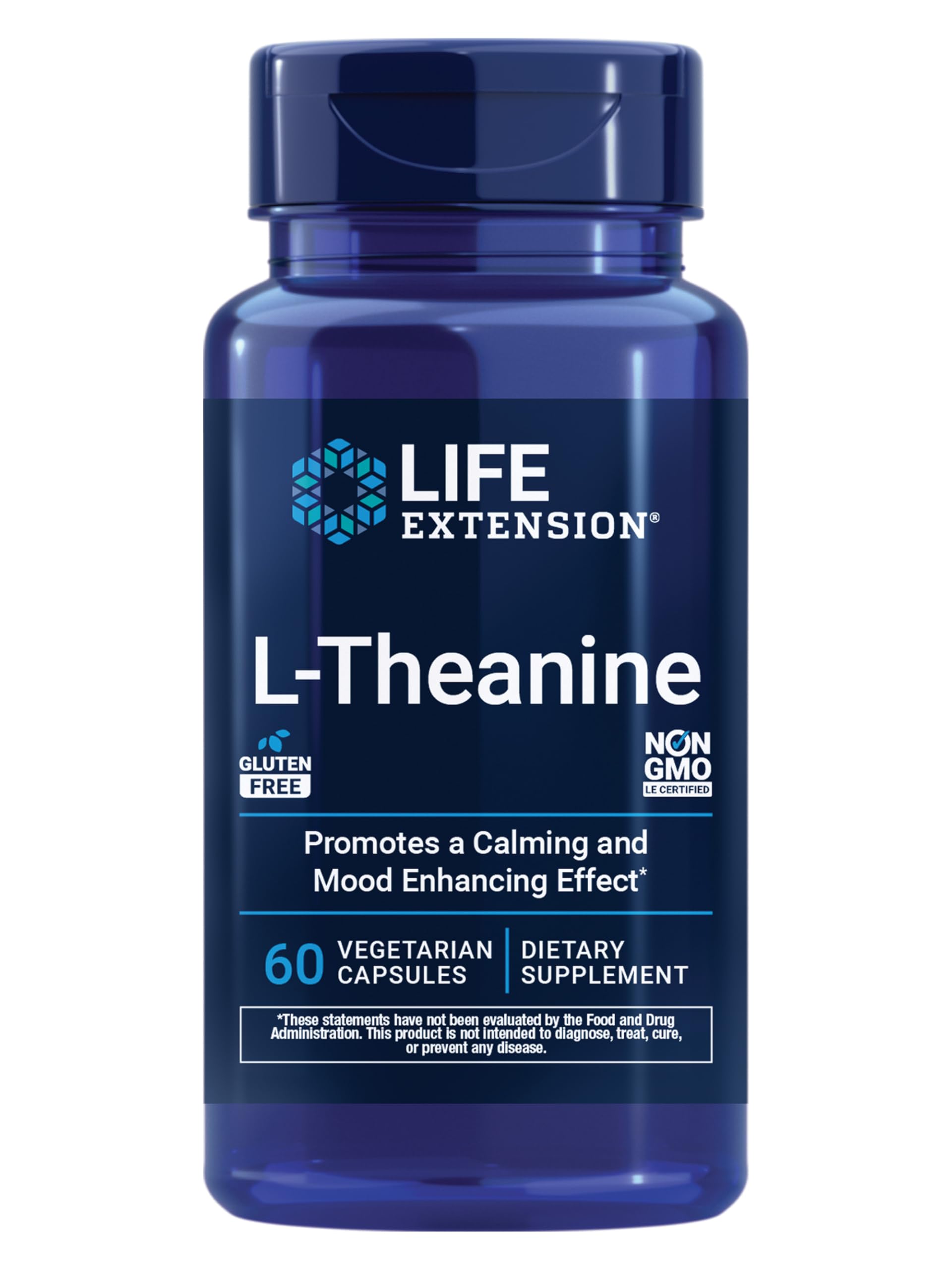
Life Extension L-Theanine 200mg
L-Theanine 200mg — fast-acting calm without sedation. Useful adjunct when PT-141 or melanotan loading triggers anxiety or jitters during titration; also stacks with caffeine for clean focus.
View on Amazon →
Sea-Band Adult Acupressure Wristbands
Non-pharmaceutical nausea relief via P6 acupressure. Reusable, no side effects — useful adjunct for GLP-1 nausea (retatrutide / tirzepatide / semaglutide titration) when ginger isn't enough or as a workplace daytime option.
View on Amazon →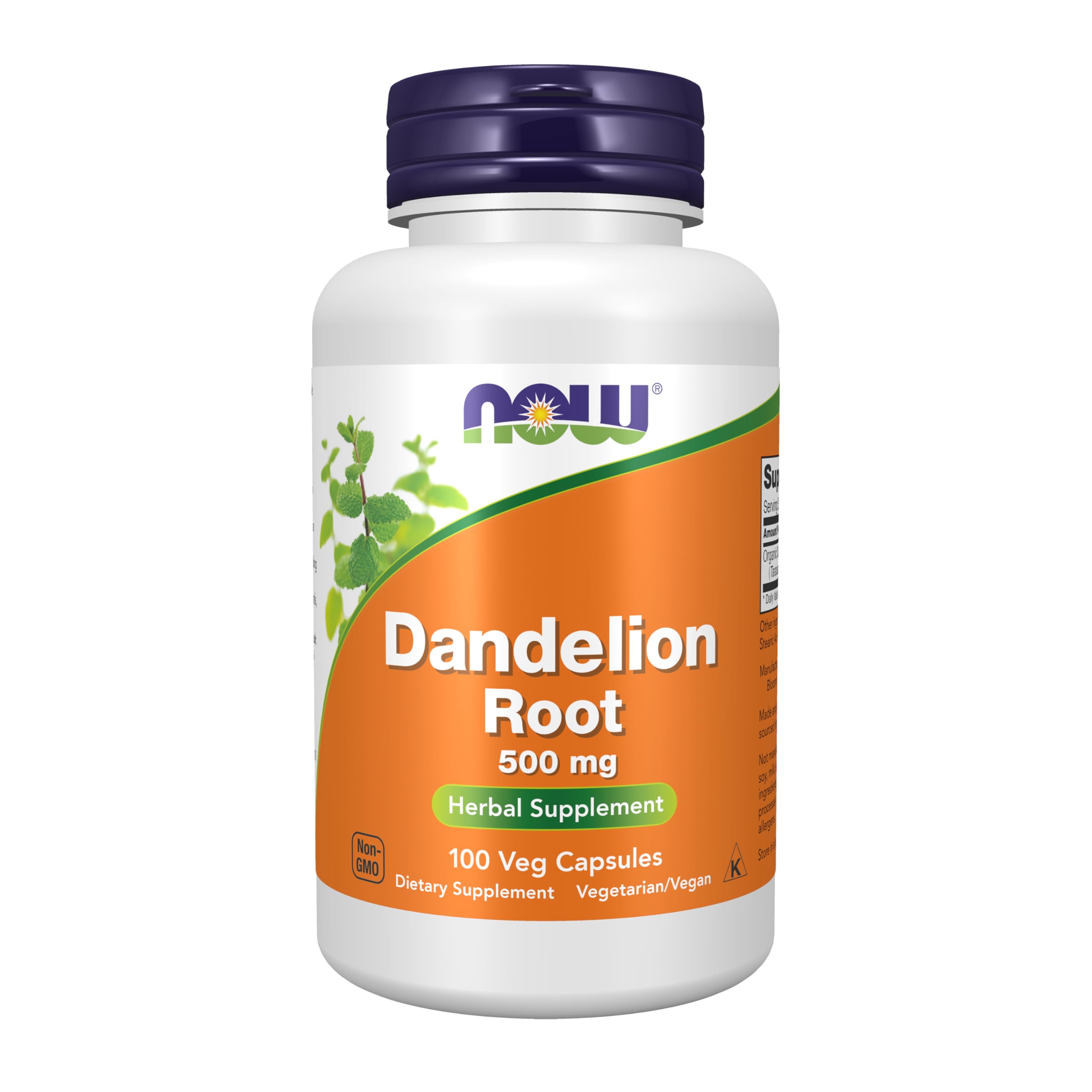
NOW Dandelion Root 500mg
Dandelion root extract — a mild diuretic for the water retention that GH peptides (CJC, ipamorelin, sermorelin) and GLP-1 first-week shifts can trigger. Community starting dose: 500mg/day with water.
View on Amazon →Common questions
Which GLP-1 side effects have the most documented adjuncts?+
Nausea (ginger, P6 acupressure wristbands), dehydration (sodium-forward electrolyte mix), and constipation (psyllium fiber) are the three with the most consistent community-source citations. Reflux (DGL licorice) and diarrhea (loperamide) round out the GLP-1 GI cluster. All are non-prescription and used as adjuncts during titration phases.
Why is L-theanine paired with melanotan and PT-141?+
Both melanotan loading and PT-141 commonly trigger flushing and sympathetic-activation responses that some community sources describe as anxiety or jitters during titration. L-theanine is the most-cited non-prescription option for fast-acting calm without sedation, typically at 200 mg per dose.
When is an antihistamine cited?+
PT-141 and melanotan loading can trigger histamine-mediated flushing or skin reactions. Non-drowsy fexofenadine (180 mg) is the antihistamine most often cited in community sources for this — the non-D form has no pseudoephedrine, which avoids retail-purchase restrictions.