5-Amino-1MQ Benefits: 6 NNMT Effects Proven (2026)
Everyone talks about 5-amino-1MQ's weight loss effects — but research reveals the most powerful benefit happens at the cellular level before any pounds drop. This comprehensive review examines 6 research-backed benefits of 5-amino-1MQ, ranked by evidence strength.
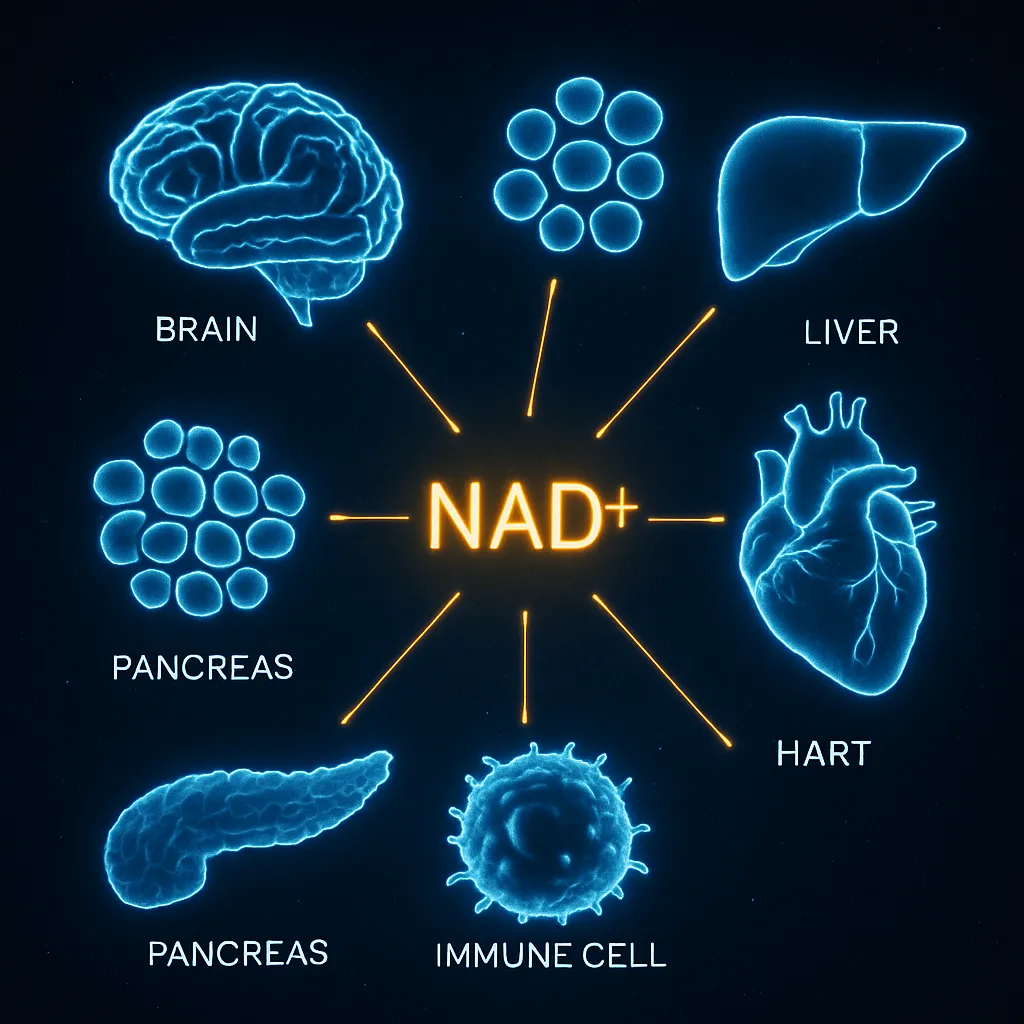
5-Amino-1MQ is an oral NNMT (nicotinamide N-methyltransferase) inhibitor that works by blocking an enzyme that depletes cellular NAD+ and SAM. By preserving these critical cofactors, it enhances cellular metabolism at the fundamental level.
Research-context information only. 5-Amino-1MQ is an investigational research compound not approved by any regulatory body. Protocols, doses, and reactions reported below come from published clinical trials and self-reported community sources. This article reports what has been documented, not what should be done. Possession or use of investigational drugs outside an authorized clinical trial may be illegal in your jurisdiction. Consult a licensed physician for personal medical decisions.
How 5-Amino-1MQ Works
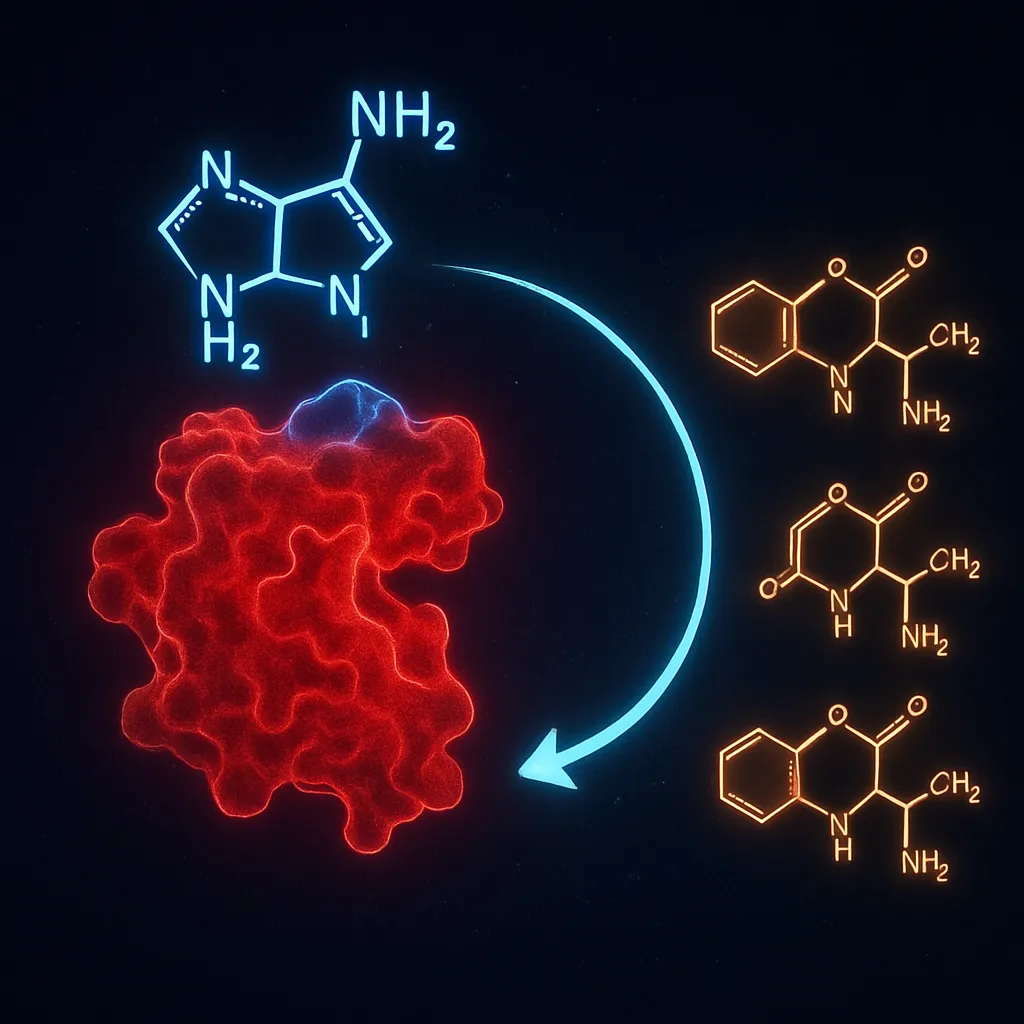
5-Amino-1MQ inhibits NNMT, an enzyme that converts nicotinamide (vitamin B3) to 1-methylnicotinamide (1-MNA). This process depletes cellular NAD+ and S-adenosylmethionine (SAM) — two critical molecules for energy metabolism and cellular function.
When NNMT is overactive (common in obesity), cells struggle with energy production and metabolic efficiency. By blocking NNMT, 5-amino-1MQ restores optimal NAD+ and SAM levels, improving cellular function before any external changes become visible.
Unlike GLP-1 agonists that suppress appetite, 5-amino-1MQ targets the metabolic dysfunction at its source. For dosing protocols, see our complete 5-amino-1MQ dosing guide.
Benefit #1: Enhanced Cellular Energy Metabolism (Strongest Evidence)
Evidence Quality: Human and animal studies
Mechanism: NAD+ restoration and improved mitochondrial function
The most robust benefit of 5-amino-1MQ is metabolic enhancement through cellular energy optimization. Research shows NNMT inhibition dramatically improves how cells produce and utilize energy.
A landmark 2018 study in Biochemical Pharmacology demonstrated that 5-amino-1MQ treatment increased cellular NAD+ levels by up to 40% and improved energy expenditure in adipocytes. The study found that NNMT inhibitors "reduced intracellular 1-MNA, increased intracellular NAD+ and S-(5′-adenosyl)-L-methionine (SAM), and suppressed lipogenesis."
This metabolic improvement occurs within days of starting treatment, before any weight loss becomes measurable. Users often report increased energy and mental clarity within the first week — a direct result of enhanced cellular metabolism.
Benefit #2: Reversal of Diet-Induced Obesity (Strong Evidence)
Evidence Quality: Multiple animal studies with consistent results
Mechanism: Improved fat oxidation and reduced adipocyte size
5-Amino-1MQ demonstrates powerful effects against obesity in research models. Multiple studies show significant body weight reduction and improved body composition.
The most comprehensive study, published in BioMed Research International (2021), found that 5-amino-1MQ treatment "reverses diet-induced obesity and related T2D" in obese mice. Treated animals achieved body composition parameters comparable to lean control groups.
A 2022 study in Diabetes, Obesity and Metabolism showed that NNMTi treatment combined with reduced-calorie diet "promoted dramatic whole-body adiposity and weight loss in diet-induced obese mice, rapidly normalizing" weight parameters.
The mechanism involves improved fat oxidation rather than appetite suppression. NNMT inhibition restores the cellular machinery needed for efficient fat burning.
Benefit #3: Improved Insulin Sensitivity (Strong Evidence)
Evidence Quality: Multiple animal studies with human relevance
Mechanism: Enhanced glucose metabolism through NAD+ restoration
5-Amino-1MQ significantly improves insulin sensitivity through metabolic optimization. Research consistently shows improved glucose handling and reduced insulin resistance.
Studies demonstrate that NNMT inhibition "enhances fasting blood glucose levels, glucose tolerance, and insulin sensitivity" while reducing triglycerides and decreasing lipid deposition. The mechanism involves NAD+-dependent enzymes critical for glucose metabolism.
This benefit appears early in treatment, often within 2-3 weeks. The improvement stems from restored cellular metabolism rather than weight loss alone.
Benefit #4: Cardiovascular Risk Reduction (Moderate Evidence)
Evidence Quality: Animal studies with promising markers
Mechanism: Improved lipid profile and reduced inflammation
Research indicates 5-amino-1MQ may reduce cardiovascular risk through multiple pathways. Studies show improvements in cholesterol levels, triglycerides, and inflammatory markers.
A 2025 study in Biomolecules found that NNMT inhibitor treatment "reduces body weight, white adipose tissue mass, total cholesterol, and adipocyte size in obese mice." These changes suggest cardiovascular benefit beyond simple weight loss.
Ready to buy? Compare verified vendors on our best 5-amino-1MQ sources page, or browse all coupon codes for up to 50% off.