dosingJuly 27, 2026·5 min read

Adamax Dosage: 10mg Vial Protocol Reported

Adamax has no validated human dose — only vendor and community figures. Here's the reported 10mg-vial math, with the evidence gap made explicit.

Adamax dosage guide

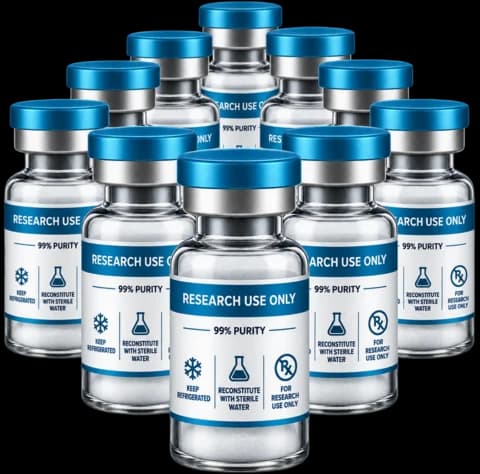
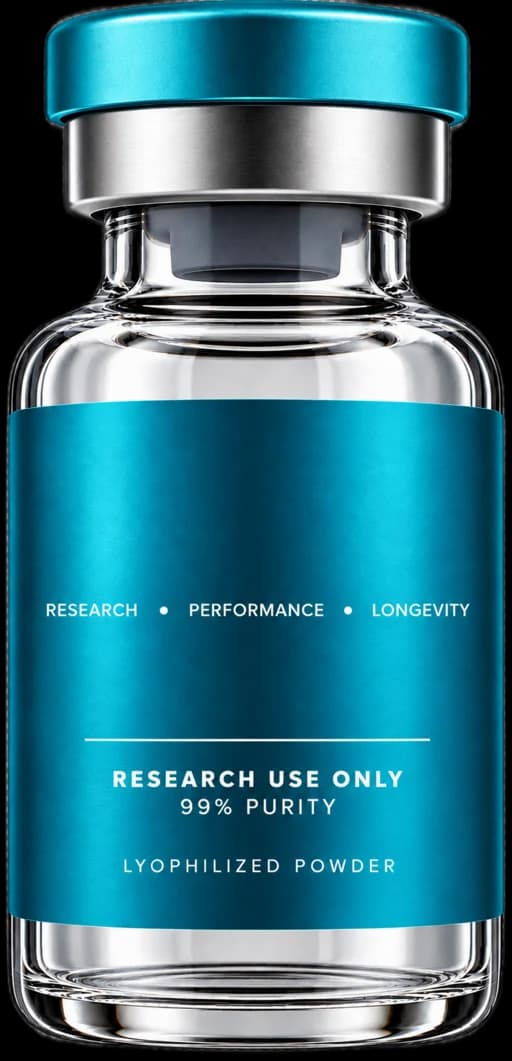
Adamax is sold as a 10 mg lyophilized vial — Ion Peptide lists it as "Adamax 1032" — and buyers reasonably want to know what to do with it. This guide lays out the reconstitution math and the dose figures that circulate in vendor charts and community threads. The essential caveat comes first, not buried: there is no validated human dose for Adamax and no published Adamax dosing study of any kind. Every number below is either a community/vendor convention or a figure borrowed from the Semax parent literature, and it is labeled as such throughout.

That distinction matters because Semax itself does have clinical dosing data — intranasal doses in the single-digit-milligram-per-day range were used for stroke recovery in Russian practice (Gusev et al. 1999, PMID 10358912). But those are Semax doses, for a medical indication, in patients — not Adamax doses for cognitive enhancement in healthy people. The adamantane-modified molecule has never been dose-ranged in a published study, so its potency relative to Semax (vendors claim 2-3x, unverified) is genuinely unknown.

Research-context information only. Adamax is an investigational drug not approved by the FDA. Protocols, doses, and reactions reported below come from published clinical trials and self-reported community sources. This article reports what has been documented, not what should be done. Possession or use of investigational drugs outside an authorized clinical trial may be illegal in your jurisdiction. Consult a licensed physician for personal medical decisions.

Quick Reference: Reported Protocol

The at-a-glance figures below are the ones most commonly repeated in Adamax vendor charts and nootropic-community discussion. None is trial-validated for Adamax.

Parameter Community/vendor-reported figure Provenance
Per-administration amount ~100-300 mcg Community/vendor convention
Frequency Once daily, or every other day Community-reported; some cite the "longer-acting" claim to justify less-frequent dosing
Route Intranasal or subcutaneous Carried over from Semax-family practice
Cycle length ~2-4 weeks on, then a break Community convention, no data
Vial size sold 10 mg lyophilized Vendor listings (Ion, Glacier)

The single most important row is the last column: "provenance." There is no Adamax study behind any of these numbers.

Routes of Administration

Community sources describe the same two routes used across the Semax family. Intranasal administration mirrors how Semax is delivered clinically in Russia — the peptide is dissolved and applied as nasal drops, and the ACTH-derived peptides were selected in part for nasal-to-brain delivery. Subcutaneous injection is the other commonly reported route from a reconstituted vial. Vendors frame the adamantane group as improving blood-brain-barrier penetration, which some community users cite as a reason to prefer lower or less-frequent doses than Semax — but again, no comparative pharmacokinetic study of Adamax versus Semax exists to confirm any route or dose advantage.

30ml bacteriostatic water vial — 0.9% benzyl alcohol multi-dose
Bac Water Made for Peptides
Don't risk a $300 peptide on generic bac water.
Most cloudy reconstitutions trace back to one thing — and it isn't the peptide. Sterile, non-pyrogenic, 0.9% benzyl alcohol — formulated for peptide reconstitution, not repackaged from generic stock.
0.9% benzyl alcohol Made for peptides 30 mL multi-dose
See why our bac water doesn't ruin peptides
Ships fast · Code thepeptidecatalog

Reconstitution Quick Reference

The reconstitution math below follows standard research-peptide handling for a 10 mg vial. It describes how the community prepares the material, not a dose the reader should take.

BAC water added Resulting concentration Volume for ~250 mcg Volume for ~150 mcg
1 mL 10 mg/mL (10,000 mcg/mL) 0.025 mL (2.5 units) 0.015 mL (1.5 units)
2 mL 5 mg/mL (5,000 mcg/mL) 0.05 mL (5 units) 0.03 mL (3 units)
5 mL 2 mg/mL (2,000 mcg/mL) 0.125 mL (12.5 units) 0.075 mL (7.5 units)

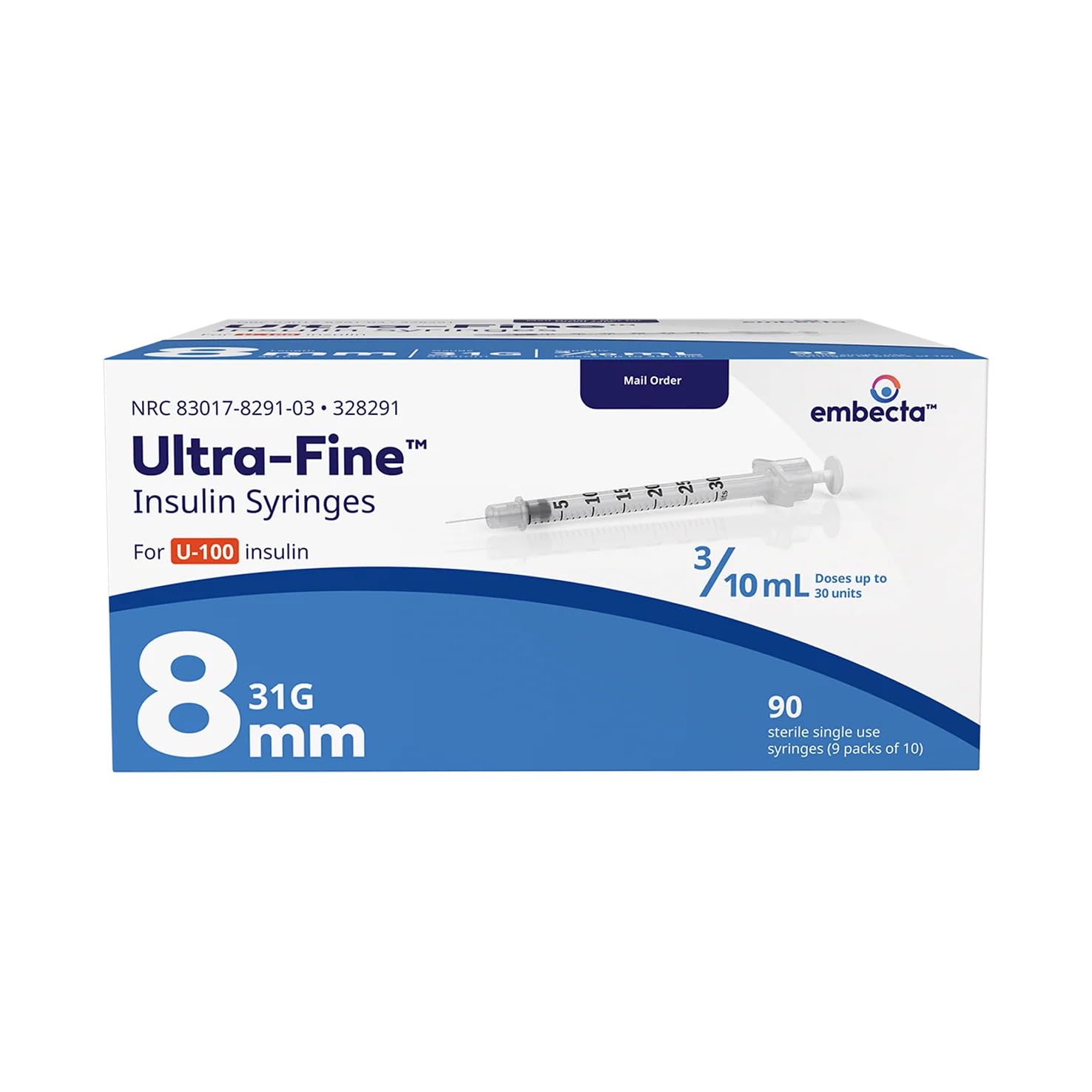
"Units" refer to the markings on a standard U-100 insulin syringe (100 units = 1 mL). A more dilute reconstitution makes small volumes easier to measure. No compound-specific stability data exists for reconstituted Adamax; community practice follows general research-peptide conventions (refrigerate, use within a few weeks, protect from light). None of the figures above are directions for use — they describe how community sources report handling the material, not what a reader should do.

Ready to buy? Compare verified vendors on our best Adamax sources page, or browse all coupon codes for up to 50% off.
Top Adamax Vendors

Ranked by price, COA availability, and reputation

1
Ion PeptideCOA
10/10
10mg$7.50/mg
2
EZ PeptidesCOA
9.5/10
10mg$10.80/mg
3
Glacier AminosCOA
9/10
$5.00/mg

Where These Numbers Come From

This section exists because it is the most important part of any Adamax dosing discussion. The per-administration figures (~100-300 mcg), the frequency, and the cycle lengths are community and vendor conventions, not the output of any dose-ranging study. They appear to be scaled down from typical Semax nasal doses on the assumption — promoted by sellers — that Adamax is more potent and longer-acting. That assumption has not been tested in any published research a literature search surfaces.

The only rigorously documented dosing in this family is Semax's, and it was established for a medical indication (acute ischemic stroke) in a clinical setting (Gusev et al. 1999, PMID 10358912), not for cognitive enhancement in healthy users. Extrapolating from a stroke-recovery protocol to a healthy-user nootropic dose is exactly the kind of inference that has no evidentiary support. The honest bottom line: nobody has published what an effective or safe Adamax dose is.

Stacking Protocols

Community sources commonly discuss the Semax family alongside other research nootropics — for example pairing a Semax-type peptide with Selank (positioned as anxiolytic) or with cholinergic compounds. These stacking patterns are community conventions carried over from Semax and have not been studied with Adamax. Combining unstudied research compounds compounds the uncertainty rather than resolving it, and there is no interaction or safety data for Adamax in any combination.

Side Effects & Safety

There is no published safety or adverse-event data for Adamax. The parent compound Semax has a long record of use in Russia and is generally described in that literature as well tolerated, but that record belongs to Semax, not to the adamantane-modified analog, and "generally well tolerated" is not the same as "characterized in controlled safety trials" for either. Because Adamax has no toxicology, no pharmacokinetics, and no human safety data in the public literature, its risk profile is genuinely unknown. Decisions about an unapproved, uncharacterized research compound are matters for a licensed physician.

Frequently Asked Questions

Is there an established Adamax dose?
No. There is no validated human dose for Adamax and no published Adamax pharmacokinetic study. The figures circulating in vendor charts and community threads — commonly around 100-300 mcg per administration from a reconstituted 10 mg vial — are self-reported and vendor-derived, not trial-validated. By contrast, the parent compound Semax has clinical dosing data in Russia (for stroke, intranasal doses in the single-digit-milligram-per-day range, PMID 10358912), but those are Semax figures for a medical indication, not Adamax figures for cognitive use.
How is Adamax reconstituted from a 10mg vial?
Adamax is typically sold as a 10 mg lyophilized vial. Community reconstitution practice mirrors other research peptides — and these are handling conventions, not a dosing instruction: bacteriostatic water is added to the vial to reach a convenient concentration, so that (for example) 2 mL yields 5 mg/mL (5000 mcg/mL) and 0.05 mL on an insulin syringe corresponds to roughly 250 mcg at that concentration. No standardized stability data exists for Adamax.
How is Adamax administered?
Community sources describe two routes carried over from the Semax family: intranasal (drops from a reconstituted solution) and subcutaneous injection. Vendors position the adamantane modification as extending duration, so some community protocols report less frequent dosing than Semax. All of this is self-reported; there is no published route or frequency study for Adamax, and the product is sold for research purposes only.
  • Semax dosage guide — the parent compound, where actual clinical dosing figures exist.
  • Selank dosage guide — the anxiolytic Russian peptide often discussed alongside the Semax family.
  • P-21 dosage guide — the other adamantylated cognitive peptide, also without human dose data.

References

  1. Gusev EI, et al. Neuroprotective effect of Semax in acute ischemic stroke. Zh Nevrol Psikhiatr. 1999. PMID 10358912. (Semax — the only rigorously documented dosing in this family; a stroke-recovery indication, not a cognitive-enhancement dose.)
  2. Dolotov OV, et al. Semax regulates BDNF and trkB expression in the rat hippocampus. Brain Res. 2006. PMID 16996037. (Semax — single-dose mechanism; basis for the family's proposed activity.)