There is no validated human dose for AICAR. The endurance and fat-loss reputation traces to a single mouse study (Narkar 2008), which dosed sedentary mice at roughly 500 mg/kg/day subcutaneously — a figure that does not scale to humans by bodyweight. The only AICAR dosing ever recorded in people is the intravenous acadesine protocol used in cardiac surgery (about 0.1 mg/kg/min), and the definitive trial testing it failed its endpoint. Everything sold for "research" fitness use sits on top of that gap.
AICAR (also called acadesine or AICA-riboside) is an AMP mimetic: inside the cell it is phosphorylated to ZMP, which activates AMPK, the same low-energy switch that exercise flips. This guide reports what has actually been dosed — in mice, in the failed human cardiac trials, and in unverified community anecdote — and why none of it amounts to a human protocol.
Research-context information only. AICAR is an investigational drug not approved by the FDA. Protocols, doses, and reactions reported below come from published clinical trials and self-reported community sources. This article reports what has been documented, not what should be done. Possession or use of investigational drugs outside an authorized clinical trial may be illegal in your jurisdiction. Consult a licensed physician for personal medical decisions.
Quick Reference: Protocol
There is no cheat-sheet entry and no established human fitness dose for AICAR. The figures below are labeled by source type. None is a recommendation, and the two "human" and "animal" rows describe contexts (mouse endurance, failed cardiac surgery) that do not transfer to physique or performance use.
Source type
Dose on record
Route
Notes
Animal study (Narkar 2008)
~500 mg/kg/day
Subcutaneous
Sedentary mice, ~4 weeks; mg/kg does not scale to humans
Human clinical — acadesine (RED-CABG)
~0.1 mg/kg/min IV
IV infusion
Cardiac surgery only; failed its endpoint, never approved
Community / research-chem
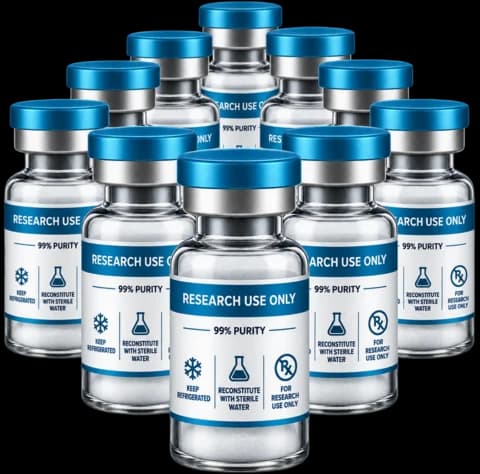
~50 mg vials, self-reported
SC injection
No validated human fitness dose; unverified anecdote only
No standard cycle, frequency, or duration has been established in humans outside the acute surgical infusion setting. For the full AICAR profile and mechanism, see the AICAR peptide page.
Routes of Administration
Subcutaneous — the route used in the rodent studies and the one described in community anecdote. AICAR has a short half-life, which is why forum sources describe frequent injections.
Intravenous — the only route used in humans, and only in the acadesine cardiac-surgery trials as an acute perioperative infusion, not a self-administered protocol.
Oral — poor bioavailability; not a documented delivery method for the endurance-mimetic effect.
Reconstitution Quick Reference
No standardized vial size or concentration exists for AICAR because there is no validated human protocol. Community sources describe roughly 50 mg vials reconstituted with bacteriostatic water; the figures below report how that anecdote is described, not a recommended preparation.
Vial Size
BAC Water
Concentration
Community-reported draw
~50 mg
1 mL
50 mg/mL
Self-reported, unverified
Community reconstitution guides describe swirling gently rather than shaking. These numbers reflect unregulated community anecdote for a research chemical labeled "not for human consumption," not a clinically established dose.
The AICAR fitness story rests on one animal paper. Narkar and colleagues (PMID 18674809) dosed sedentary mice at ~500 mg/kg/day and reported they ran about 44% farther than vehicle controls, via PPARδ reprogramming — the "exercise in a pill" headline. The supporting mechanism is real: AICAR raises both glucose and fatty-acid oxidation in rodent muscle through AMPK (Smith 2005, PMID 15774530), and AMPK activates PGC-1α to drive mitochondrial biogenesis (Jäger 2007, PMID 17609368).
Those are rodent and molecular findings. The 500 mg/kg mouse dose cannot be converted to a human dose by simple bodyweight scaling, and no controlled human study has tested AICAR for endurance, fat loss, or performance at any dose.
The only rigorous human dosing on record comes from the drug's cardiac-surgery development as acadesine. An early meta-analysis of five trials in roughly 4,000 CABG patients suggested a perioperative cardioprotective signal (Mangano 1997, PMID 9002496). The definitive Phase 3 trial, RED-CABG, then infused acadesine at about 0.1 mg/kg/min in roughly 3,000 patients and found no benefit — 5.1% versus 5.0% event rates, stopped for futility (Newman 2012, PMID 22782417). That negative result is why acadesine was never approved for any indication, and it is the closest thing to validated human AICAR dosing that exists.
Bac Water Made for Peptides
Don't risk a $300 peptide on generic bac water.
Most cloudy reconstitutions trace back to one thing — and it isn't the peptide. Sterile, non-pyrogenic, 0.9% benzyl alcohol — formulated for peptide reconstitution, not repackaged from generic stock.
✓ 0.9% benzyl alcohol✓ Made for peptides✓ 30 mL multi-dose
Community sources sometimes describe pairing AICAR with the PPARδ agonist GW-501516 (cardarine), an echo of the Narkar mouse experiments where the two compounds were studied together. This combination has never been tested in humans, GW-501516 is itself an unapproved research chemical, and both are prohibited in sport. No stacking protocol here is validated; the pairing is reported as unverified anecdote tracing back to a rodent study.
Because there is no established human dose for AICAR alone, there is no evidence base for combining it with anything.
Side Effects & Safety
The best human safety data again comes from the acadesine cardiac trials, not from fitness use:
Hyperuricemia — AICAR metabolizes to uric acid; trials documented asymptomatic rises (relevant for gout-prone individuals, controlled in trials with allopurinol).
Transient renal effects — reversible increases in creatinine were reported.
Hypotension — infusion-related, tied to the IV route in surgery.
AMPK and cancer — unsettled. Most AICAR literature is anti-proliferative, but AMPK activation can be context-dependently pro-survival for established tumors. This is an open research question, not an established human risk or benefit.
Unknown long-term safety — chronic AICAR use in healthy people has never been studied.
Regulatory status — never FDA-approved, sold only as a research chemical "not for human consumption," and WADA-prohibited under S4 at all times, in and out of competition.
Core Supplies for This Protocol
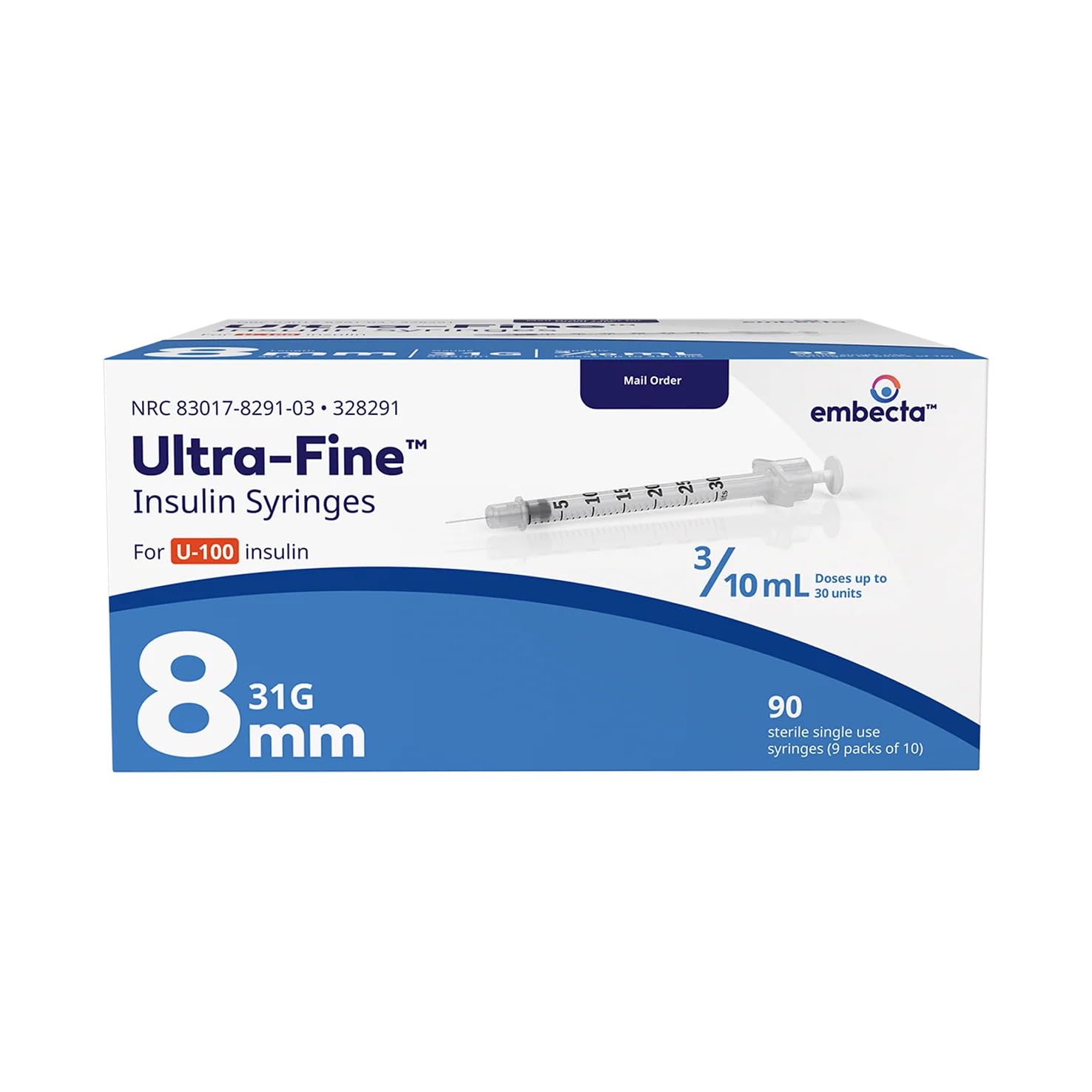
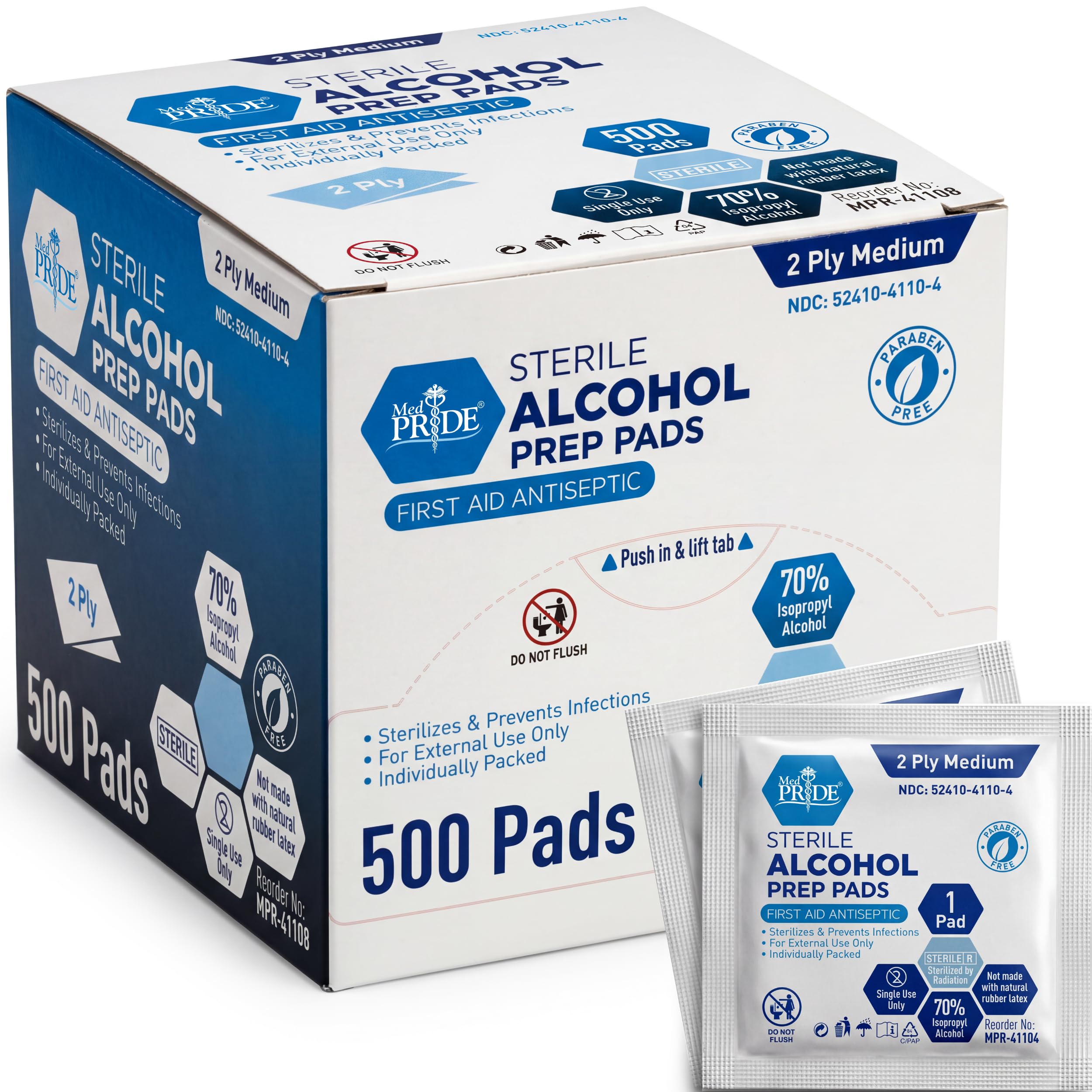
The essentials for running any reconstituted injectable: cold storage, accurate syringes, alcohol prep pads, and metabolic tracking.
Is there a proven human AICAR dose for fat loss or endurance?
No. No controlled human trial has established an AICAR dose for body composition, endurance, or performance. The endurance and fat-oxidation findings come almost entirely from rodent studies. Community fitness protocols are unverified anecdote.
What dose did the mouse studies use?
Narkar 2008 (PMID 18674809) dosed sedentary mice at roughly 500 mg/kg/day subcutaneously for about four weeks. Rodent studies generally used 250-500 mg/kg. Mouse mg/kg figures do not scale to humans by bodyweight, so these numbers describe animal protocols, not a human dose.
Has AICAR ever been dosed in humans?
Yes, as the drug acadesine. Cardiac-surgery trials infused it intravenously at about 0.1 mg/kg/min around surgery. The definitive Phase 3 trial (RED-CABG, PMID 22782417) found no benefit and was stopped for futility, which is why acadesine was never approved.
Is AICAR banned in sport?
Yes. WADA prohibits AICAR under S4 (Hormone and Metabolic Modulators), AMPK-activator subsection, at all times, both in and out of competition. USADA names AICAR explicitly.
What are the documented side effects?
Acadesine human trials reported asymptomatic hyperuricemia (AICAR metabolizes to uric acid), transient rises in creatinine, and infusion-related hypotension. Long-term safety of chronic AICAR in healthy people has not been studied.
How does AICAR compare to MOTS-c?
Both converge on AMPK. AICAR is a synthetic AMP mimetic that activates AMPK directly; MOTS-c is an endogenous peptide that raises AMPK indirectly. Neither has controlled human data for physique or performance, and both are WADA-prohibited.
AICAR and MOTS-c reach the same AMPK switch by different routes — AICAR directly as a synthetic AMP look-alike, MOTS-c indirectly. Neither has controlled human data for physique or performance, and both are WADA-prohibited. The MOTS-c dosing guide covers the peptide side of that comparison.
References
Narkar VA, et al. AMPK and PPARδ agonists are exercise mimetics. Cell. 2008;134(3):405-415. PMID 18674809.
Smith AC, et al. AMP kinase activation with AICAR simultaneously increases fatty acid and glucose oxidation in resting rat soleus muscle. J Physiol. 2005;565(Pt 2):537-546. PMID 15774530.
Jäger S, et al. AMP-activated protein kinase (AMPK) action in skeletal muscle via direct phosphorylation of PGC-1α. PNAS. 2007;104(29):12017-12022. PMID 17609368.
Mangano DT. Effects of acadesine on myocardial infarction, stroke, and death following surgery: meta-analysis of the 5 international randomized trials. JAMA. 1997;277(4):325-332. PMID 9002496.
Newman MF, et al. Effect of adenosine-regulating agent acadesine on morbidity and mortality associated with coronary artery bypass grafting: the RED-CABG randomized controlled trial. JAMA. 2012;308(2):157-164. PMID 22782417.