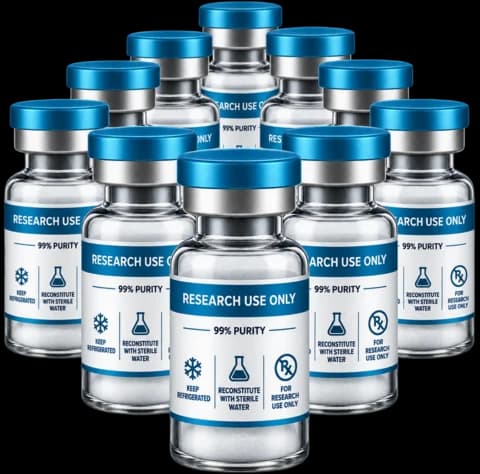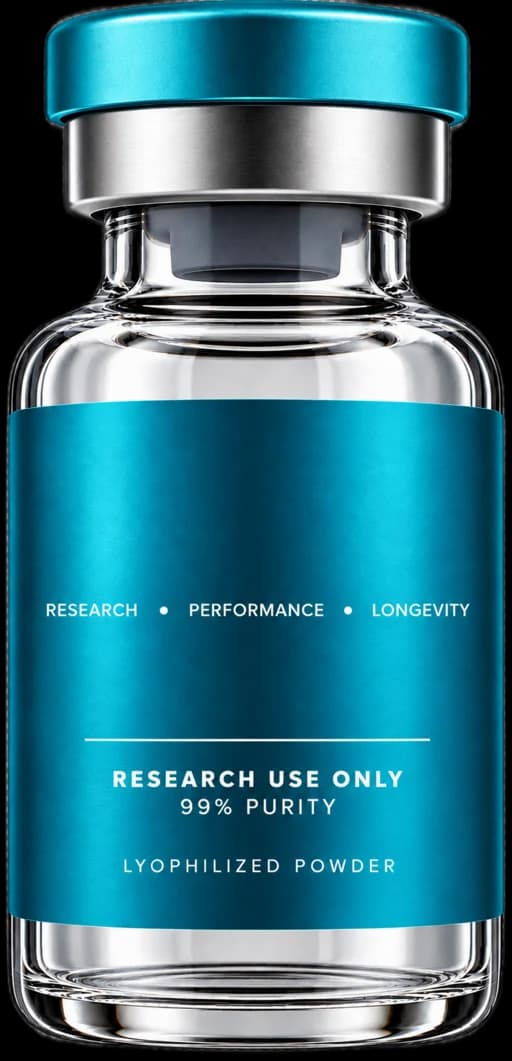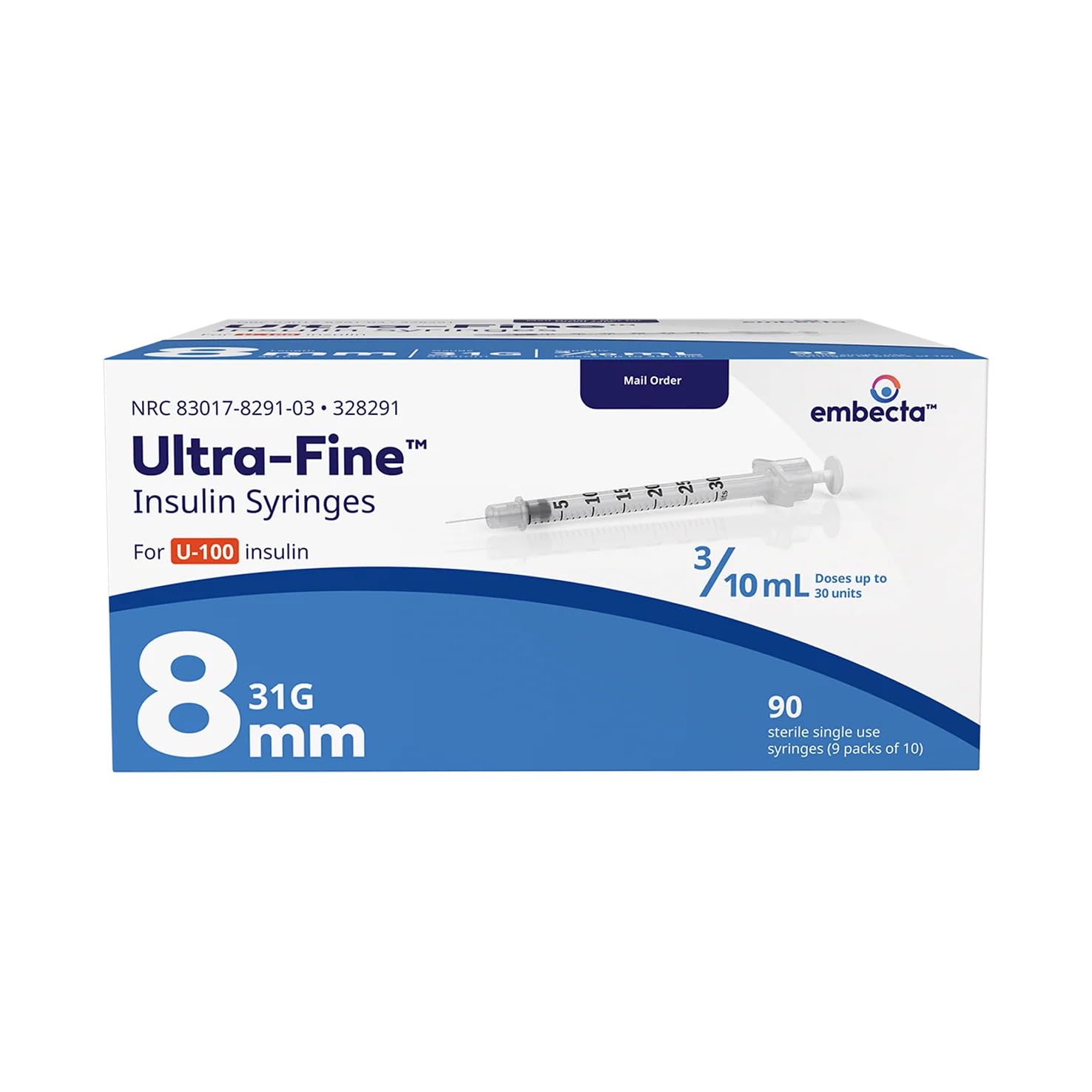
The documented vitamin B12 protocol is 1000 mcg (1 mg) injected SubQ or IM on a loading schedule — alternate days to three times weekly for roughly four weeks — then stepped down to weekly or monthly maintenance. On the common 10 mg research vial with 2 mL of bacteriostatic water, each 1 mg dose draws as 20 units on an insulin syringe.
Research-context information only. Vitamin B12 (cobalamin) is the active ingredient in FDA-approved injectable products for vitamin B12 deficiency, including pernicious anemia; research vials and compounded forms are not FDA-approved and are sold for research purposes only. Protocols, doses, and reactions reported below come from clinical trials and community sources. This article reports what has been documented, not what should be done. Consult a licensed physician for personal medical decisions.
Vitamin B12 is an essential water-soluble vitamin required for red-blood-cell formation, DNA synthesis, and neurological function. This guide covers the documented injection schedules, the oral-versus-injection evidence, and the syringe math per vial size.
Vitamin B12 Dosing Table
Match your vial size below — reconstitution and dose math update automatically.
| Dose | Syringe units | mL volume | Schedule |
|---|---|---|---|
| 500 mcg | 10 units | 0.1 mL | 3x/week SubQConservative start |
| 1 mg | 20 units | 0.2 mL | 3x/week SubQ (loading, 4 weeks)Standard clinical unit |
| 1 mg | 20 units | 0.2 mL | Weekly SubQ (maintenance) |
Math assumes U-100 insulin syringes (1 mL = 100 units). Verify your syringe matches before injecting. Round half-units to the nearest visible mark.
| Dose | Syringe units | mL volume | Schedule |
|---|---|---|---|
| 1 mg | 20 units | 0.2 mL | 3x/week SubQ (loading)Standard clinical unit |
| 1 mg | 20 units | 0.2 mL | Weekly SubQ (maintenance) |
Math assumes U-100 insulin syringes (1 mL = 100 units). Verify your syringe matches before injecting. Round half-units to the nearest visible mark.
Quick Reference: Documented Protocol
| Parameter | Documented Protocol |
|---|---|
| Dose | 1000 mcg / 1 mg (20 units on insulin syringe) |
| Route | SubQ or IM injection |
| Timing | Any time of day |
| Frequency | Loading: 3x/week (alternate days) for 4 weeks → maintenance: weekly to monthly |
| Cycle | Until repleted; ongoing where an absorption disorder is documented |
| Vial size | 10 mg (also sold as 5 mg) |
| Reconstitution | 2 mL bacteriostatic water → 5 mg/mL |
| Draw amount | 20 units on insulin syringe |
| Storage | Refrigerate, protect from light, use within 28 days |
Documented protocol: 1 mg three times weekly for 4 weeks, then 1 mg weekly to monthly. The clinical trial schedule this simplifies from (Kuzminski 1998) dosed 1 mg on days 1, 3, 7, 10, 14, 21, 30, 60 and 90.
Cycling Details
B12 is not cycled the way research peptides are. Documented protocols run a front-loaded repletion phase until levels recover, then hold a maintenance frequency — weekly in community protocols, monthly in the classical clinical pattern. Where the underlying cause is an absorption disorder (pernicious anemia, post-GI-surgery), published guidance describes maintenance as ongoing rather than time-boxed (Stabler, 2013).
There is no documented off-phase requirement: B12 is water-soluble, and clinical reviews report no established upper limit, with excess excreted renally.
Routes of Administration
Intramuscular (IM). The classical clinical route in trials and approved-product labeling. Deltoid or ventrogluteal in published practice.
Subcutaneous (SubQ). Widely used in community protocols and described as comparable for cobalamin absorption. Smaller needle, abdominal or thigh sites in self-reported use.
High-dose oral / sublingual (1-2 mg daily). Backed by randomized-trial evidence — see "Where These Numbers Come From." The documented route where injections are not warranted.

Reconstitution Quick Reference
Research vendors ship B12 either as a ready-made solution (no mixing) or as a lyophilized vial. For lyophilized vials, the common math:
| Vial Size | BAC Water | Concentration | 1 mg dose |
|---|---|---|---|
| 10 mg | 2 mL | 5 mg/mL | 20 units |
| 5 mg | 1 mL | 5 mg/mL | 20 units |
10 mg vial + 2 mL BAC = 5 mg/mL. 1 mg = 0.2 mL = 20 units. The dilution above reflects how community reconstitution protocols describe the math, not a set of instructions to follow.
Swirl gently — do not shake. Refrigerate at 2-8°C, protect from light (cobalamin is photosensitive), and use within 28 days.
Ready to buy? Compare verified vendors on our best B12 sources page, or browse all coupon codes for up to 50% off.