benefitsJuly 21, 2026·4 min read

HCG for Fertility on Testosterone Therapy

Testosterone therapy makes ~40% of men azoospermic — but low-dose HCG kept sperm production intact in trials. The fertility evidence, study by study.

HCG Benefits

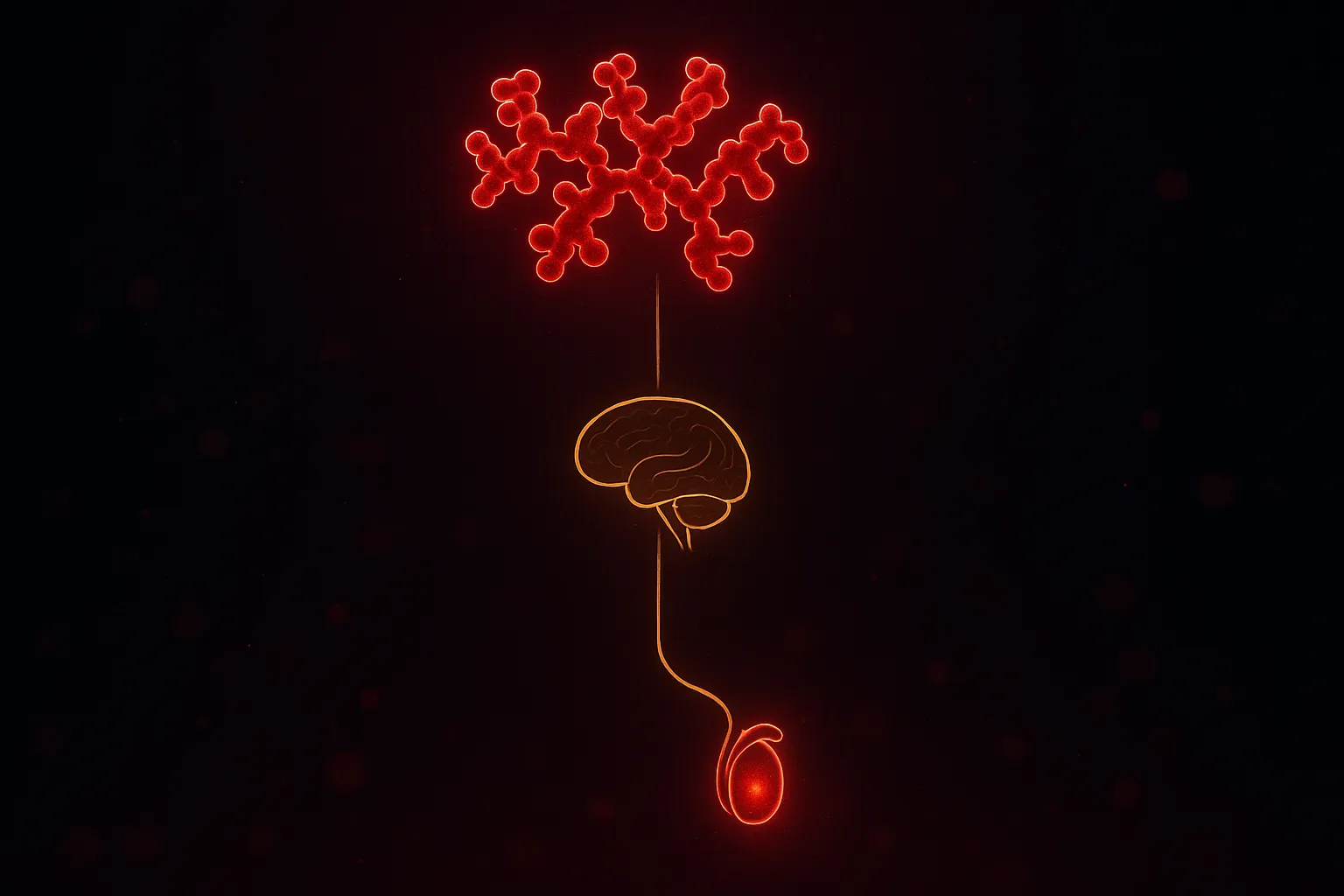
The signature problem HCG solves is a specific one: testosterone replacement therapy shuts down the body's own luteinizing hormone, which stops the testes from making testosterone locally and — in published trial data — halts sperm production entirely in roughly 40% of men. HCG mimics that missing LH signal, and the clearest evidence for it is about keeping men fertile while they stay on testosterone.

Research-context information only. HCG (Human Chorionic Gonadotropin) is the active ingredient in FDA-approved products for hypogonadotropic hypogonadism and infertility; research-peptide and compounded forms are not FDA-approved and are sold for research purposes only. Protocols, doses, and reactions reported below come from clinical trials and community sources. This article reports what has been documented, not what should be done. Consult a licensed physician for personal medical decisions.

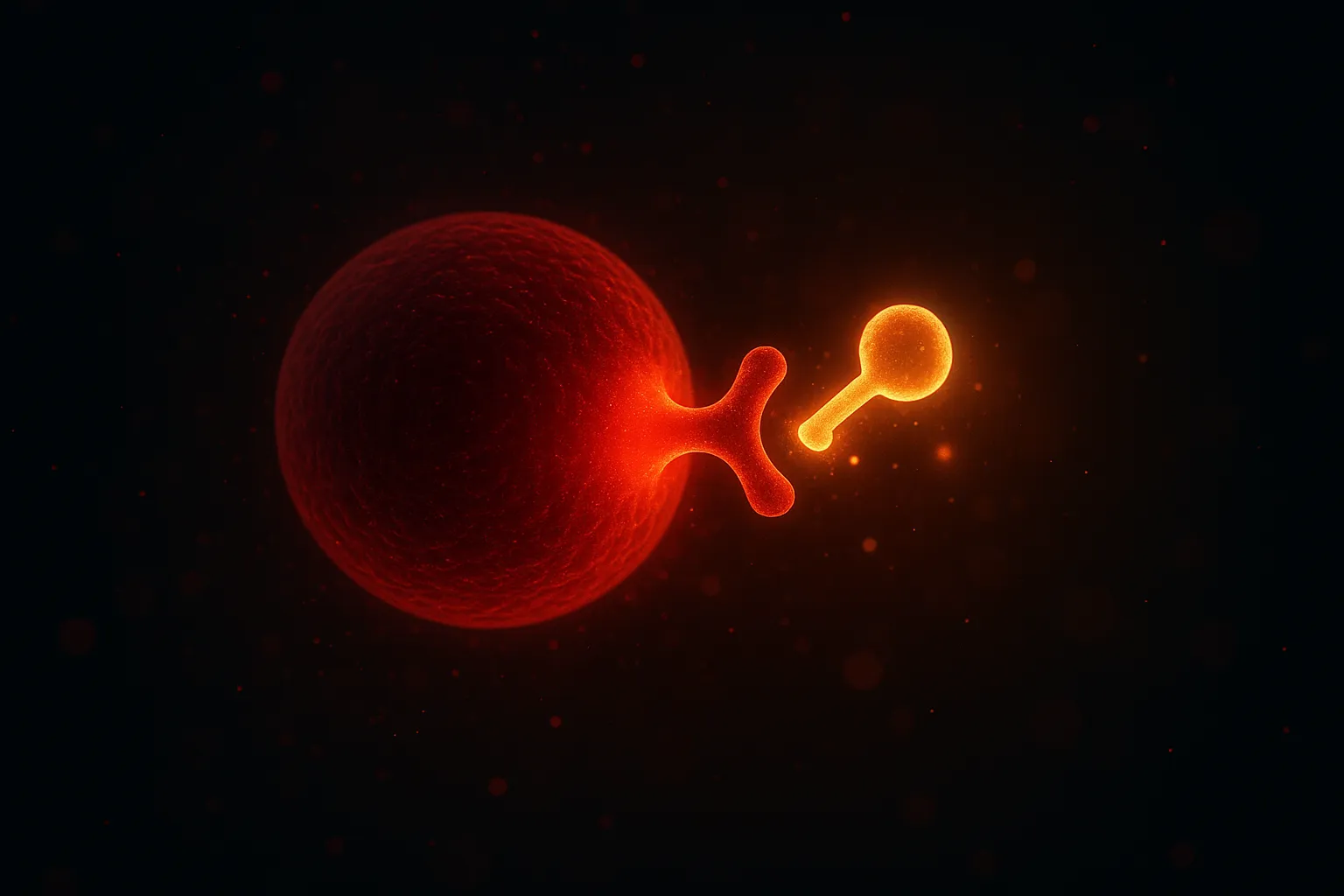
HCG is a glycoprotein hormone whose structure closely resembles LH. Because it acts at the testis rather than the brain, it works even when exogenous testosterone has suppressed the natural axis — which is exactly why its documented benefits cluster around fertility, testicular function, and axis recovery. The benefits below are ordered strongest-evidence first.

Key Benefits at a Glance

Benefit Evidence level Source
Preserves sperm production on testosterone therapy Human clinical Hsieh 2013
Maintains intratesticular testosterone Human RCT Coviello 2005
Induces fertility in hypogonadotropic hypogonadism Human, reviewed Boeri 2021
Prevents testicular atrophy Mechanistic + clinical Coviello 2005 / Hsieh 2013
Raises testosterone in secondary hypogonadism Human, reviewed Fink 2021

Preserves Fertility During Testosterone Therapy

A 2013 study by Hsieh and colleagues followed 26 hypogonadal men taking testosterone replacement plus low-dose HCG (500 IU every other day). None became azoospermic, semen parameters were maintained, and nine men contributed to pregnancies during follow-up. That result stands against the trial-documented baseline that testosterone therapy alone suppresses gonadotropins and renders roughly 40% of men azoospermic. This is the single most-cited reason HCG is added to a testosterone protocol: it lets a man stay on testosterone without giving up sperm production.

Maintains Intratesticular Testosterone

The mechanism underneath that fertility finding was demonstrated in a 2005 controlled study by Coviello and colleagues. When healthy men were given testosterone to suppress their own gonadotropins, intratesticular testosterone fell sharply — but co-administered low-dose HCG maintained it in a dose-dependent fashion. Intratesticular testosterone is the local hormonal environment sperm production depends on, and HCG is one of the few interventions shown to keep it elevated when serum LH is near zero.

Ready to buy? Compare the three recommended HCG vendors and per-vial pricing in our HCG buying guide, or browse all coupon codes for up to 50% off.
Top HCG (Human Chorionic Gonadotropin) Vendors

Ranked by price, COA availability, and reputation

1
Ascension PeptidesCOA
10/10
5000 IU
2
Swiss ChemsCOA
9/10
5000 IU

Induces Fertility in Hypogonadotropic Hypogonadism

In men whose infertility stems from a deficient gonadotropin signal, HCG is a first-line tool. A 2021 review by Boeri and colleagues reports that HCG-based gonadotropin therapy — frequently combined with FSH — induced spermatogenesis in roughly 80% of hypogonadotropic men and led to pregnancy in about half, over a 12-24 month course. Larger baseline testicular volume predicted a faster response. Here HCG is not preserving fertility but actively restarting it.

HCG and testicular function

Prevents Testicular Atrophy

Testosterone therapy without HCG removes the LH signal that keeps Leydig cells working, and the testes shrink as a result. Because HCG substitutes for that signal directly, it keeps the tissue stimulated. Community reports consistently describe testicular size and fullness being preserved on HCG or returning within a few weeks of adding it — the visible, day-to-day counterpart to the intratesticular-testosterone data from Coviello 2005.

Raises Testosterone in Secondary Hypogonadism

For men whose low testosterone originates above the testis (secondary hypogonadism), HCG can raise testosterone by stimulating the gonad directly. A 2021 review by Fink and colleagues frames HCG as a prime candidate in this setting precisely because it lifts testosterone while supporting — rather than suppressing — sperm production, unlike exogenous testosterone. It is a different trade-off than standard testosterone therapy, and one that matters most to men who want to preserve fertility.

Supports Post-Cycle Axis Recovery

Outside the clinical literature, HCG appears throughout community post-cycle protocols as a tool to help restart a suppressed hypothalamic-pituitary-gonadal axis after a period of testosterone or androgen use. These schedules are community-reported rather than trial-validated, and are described as higher-dose and time-limited compared with the low, steady dosing used for testicular maintenance. The mechanism — direct Leydig-cell stimulation to reawaken testicular output — is the same one the clinical data support.

Who HCG Is Studied In

  • Best documented in: men on testosterone replacement who want to preserve fertility and testicular size.
  • Also studied in: men with hypogonadotropic hypogonadism seeking fertility induction (typically with FSH).
  • Community use: post-cycle axis restart, where the evidence is anecdotal rather than clinical.
30ml bacteriostatic water vial — 0.9% benzyl alcohol multi-dose
Bac Water Made for Peptides
Don't risk a $300 peptide on generic bac water.
Most cloudy reconstitutions trace back to one thing — and it isn't the peptide. Sterile, non-pyrogenic, 0.9% benzyl alcohol — formulated for peptide reconstitution, not repackaged from generic stock.
0.9% benzyl alcohol Made for peptides 30 mL multi-dose
See why our bac water doesn't ruin peptides
30ml from $18.75 · Ships fast · Code thepeptidecatalog

Frequently Asked Questions

What did trials report about HCG and fertility on testosterone therapy?
In a 2013 study (Hsieh et al.), 26 hypogonadal men took testosterone plus low-dose HCG (500 IU every other day). None became azoospermic and semen parameters were maintained — a notable result given the trial-documented baseline that testosterone therapy alone renders roughly 40% of men azoospermic. The finding is why HCG is used to preserve fertility during testosterone therapy.
How does HCG maintain intratesticular testosterone?
HCG mimics luteinizing hormone (LH) and binds LH receptors on testicular Leydig cells, driving testosterone production directly inside the testis. A 2005 controlled study (Coviello et al.) showed low-dose HCG maintained intratesticular testosterone in a dose-dependent way even when the body's own gonadotropins were suppressed.
Can HCG restore fertility in men with hypogonadotropic hypogonadism?
Gonadotropin-therapy reviews (Boeri 2021) report that HCG-based regimens, often combined with FSH, induced spermatogenesis in roughly 80% of men with hypogonadotropic hypogonadism and pregnancy in about half over 12-24 months. Larger baseline testicular volume predicted faster response.
Does HCG prevent testicular shrinkage?
By substituting for the LH signal that testosterone therapy suppresses, HCG keeps Leydig cells active and testicular tissue stimulated. Community sources and the mechanism both describe preserved or restored testicular size; community reports frequently describe testicular fullness returning within a few weeks of adding HCG.
How does HCG raise testosterone in secondary hypogonadism?
HCG raises testosterone by stimulating the testes directly, and a 2021 review (Fink et al.) describes it as a viable option for secondary hypogonadism because it does so without suppressing sperm production. It is a prescription hormone, not a supplement; research and compounded forms are not FDA-approved.

References

  1. Hsieh TC, Pastuszak AW, Hwang K, Lipshultz LI. Concomitant intramuscular human chorionic gonadotropin preserves spermatogenesis in men undergoing testosterone replacement therapy. J Urol. 2013;189(2):647-650. PMID: 23260550
  2. Coviello AD, Matsumoto AM, Bremner WJ, et al. Low-dose human chorionic gonadotropin maintains intratesticular testosterone in normal men with testosterone-induced gonadotropin suppression. J Clin Endocrinol Metab. 2005;90(5):2595-2602. PMID: 15713727
  3. Boeri L, Capogrosso P, Salonia A. Gonadotropin treatment for the male hypogonadotropic hypogonadism. Curr Pharm Des. 2021;27(24):2775-2783. PMID: 32445446
  4. Fink J, Schoenfeld BJ, Hackney AC, Maekawa T, Horie S. Human chorionic gonadotropin treatment: a viable option for management of secondary hypogonadism and male infertility. Expert Rev Endocrinol Metab. 2021;16(1):1-9. PMID: 33345656