guidesJuly 21, 2026·6 min read

HCG Dosage Chart: 250-500 IU Protocol Guide

Why HCG is dosed in IU, not mg — the reconstitution and BAC-water math, TRT-support and fertility protocols, and the 250-500 IU dose range.

HCG Dosing Guide

HCG is dosed in international units (IU), not milligrams — community and clinical protocols for testicular support during testosterone therapy cluster around 250-500 IU two to three times per week, with fertility-restoration and post-cycle protocols using higher IU amounts. A standard 5,000 IU vial reconstituted with bacteriostatic water covers weeks of dosing.

Research-context information only. HCG (Human Chorionic Gonadotropin) is the active ingredient in FDA-approved products for hypogonadotropic hypogonadism and infertility; research-peptide and compounded forms are not FDA-approved and are sold for research purposes only. Protocols, doses, and reactions reported below come from clinical trials and community sources. This article reports what has been documented, not what should be done. Consult a licensed physician for personal medical decisions.

HCG is a glycoprotein hormone that mimics luteinizing hormone (LH) to stimulate testicular testosterone. This guide covers the IU-based protocols documented for testicular maintenance, fertility, and post-cycle use, plus the reconstitution math for drawing an accurate IU dose.

Quick Reference: Documented Protocols

Parameter Testicular-Support (on TRT)
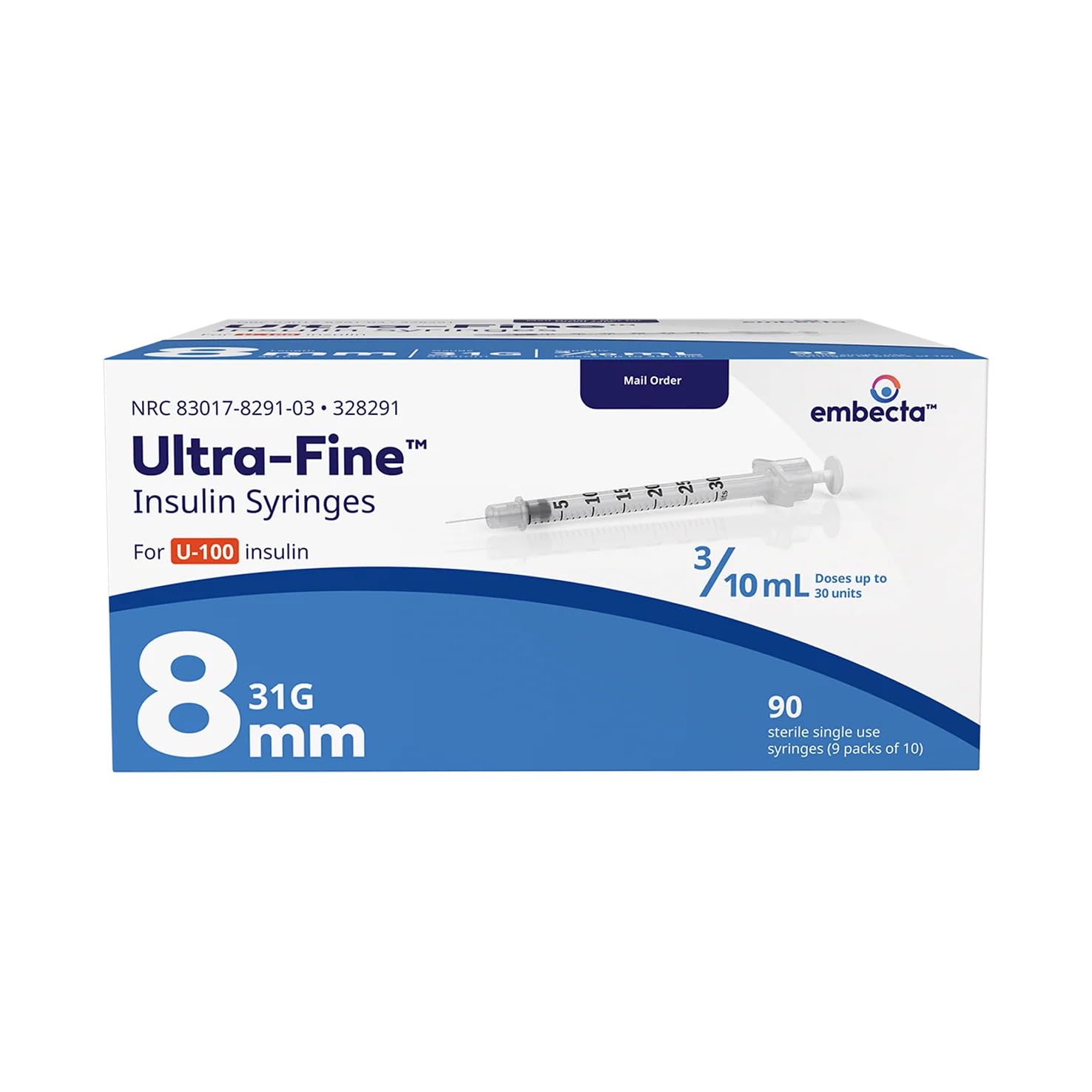
Dose 250-500 IU (25-50 units on a U-100 insulin syringe at 1,000 IU/mL)
Route Subcutaneous (community) or intramuscular (Hsieh 2013 trial)
Timing Any time of day; a consistent schedule is what protocols emphasize
Frequency 2-3x per week (the 2013 trial used 500 IU every other day)
Vial size 5,000 IU lyophilized powder
Reconstitution 5 mL bacteriostatic water → 1,000 IU/mL
Storage Refrigerate 2-8°C; use within ~30 days of reconstitution

Reported standard: roughly 250-500 IU two to three times weekly for testicular maintenance alongside testosterone therapy. For the full HCG profile and mechanism, see the HCG peptide page.

How the IU Doses Are Used

Documented HCG protocols split by goal, and the IU amounts differ substantially between them:

  • Testicular maintenance on testosterone therapy — the lowest range. Community protocols and the 2013 Hsieh trial reference roughly 250-500 IU, two to three times weekly, run continuously alongside testosterone to keep the testes active.
  • Post-cycle / axis restart — higher and time-limited. Community PCT references describe several hundred to about 1,500 IU two to three times weekly for a few weeks, often paired with a SERM, to help restart suppressed testosterone production.
  • Fertility induction (hypogonadotropic hypogonadism) — the clinical setting. Gonadotropin-therapy studies (Boeri 2021) describe HCG dosing over 12-24 months, frequently combined with FSH, to induce spermatogenesis.

Community sources consistently frame low-frequency, low-IU dosing as the way to avoid the estradiol spikes that large, infrequent HCG doses can drive through aromatization.

Routes of Administration

  • Subcutaneous — the most commonly described community route for testicular support; a small insulin-syringe injection into abdominal fat.
  • Intramuscular — used in the 2013 Hsieh TRT study; a deeper injection, typically into the deltoid or glute.

At the concentrations below the injection volume is a fraction of a milliliter either way.

30ml bacteriostatic water vial — 0.9% benzyl alcohol multi-dose
Bac Water Made for Peptides
Don't risk a $300 peptide on generic bac water.
Most cloudy reconstitutions trace back to one thing — and it isn't the peptide. Sterile, non-pyrogenic, 0.9% benzyl alcohol — formulated for peptide reconstitution, not repackaged from generic stock.
0.9% benzyl alcohol Made for peptides 30 mL multi-dose
See why our bac water doesn't ruin peptides
Ships fast · Code thepeptidecatalog

Reconstitution Quick Reference

HCG ships as a lyophilized powder and is reconstituted with bacteriostatic water. The reconstitution concentration chosen sets how many insulin-syringe units a given IU dose draws to.

Vial BAC Water Concentration 250 IU 500 IU
5,000 IU 5 mL 1,000 IU/mL 0.25 mL = 25 units 0.5 mL = 50 units
5,000 IU 2.5 mL 2,000 IU/mL 0.125 mL = 12.5 units 0.25 mL = 25 units

The math is deterministic: units = (dose IU ÷ concentration IU/mL) × 100. More BAC water spreads a dose across more units (easier micro-draws); less water keeps total volume smaller. Community reconstitution protocols describe swirling gently (not shaking) to mix, then refrigerating at 2-8°C.

The figures above report how clinical and community sources describe reconstituting and measuring HCG — a record of documented practice, not instructions to follow. Anyone considering HCG should work with a licensed prescriber.

Ready to buy? Compare the three recommended HCG vendors and per-vial pricing in our HCG buying guide, or browse all coupon codes for up to 50% off.
Top HCG (Human Chorionic Gonadotropin) Vendors

Ranked by price, COA availability, and reputation

1
Ascension PeptidesCOA
10/10
5000 IU
2
Swiss ChemsCOA
9/10
5000 IU

Where These Numbers Come From

The testicular-maintenance range is anchored to published clinical work. In a 2013 study, Hsieh and colleagues gave hypogonadal men on testosterone replacement 500 IU of HCG intramuscularly every other day; none of the 26 men became azoospermic, and semen parameters were preserved. An earlier controlled study (Coviello 2005) showed that low-dose HCG maintained intratesticular testosterone in a dose-dependent way when the body's own gonadotropins were suppressed — the mechanistic basis for using it during testosterone therapy.

For fertility induction, gonadotropin-therapy reviews (Boeri 2021) describe HCG-based regimens — often combined with FSH — inducing spermatogenesis in roughly 80% of hypogonadotropic men over 12-24 months. A 2021 review (Fink 2021) frames HCG as a viable option for secondary hypogonadism because it raises testosterone while supporting, rather than suppressing, sperm production. Post-cycle IU schedules, by contrast, come from community protocols rather than controlled trials and are labeled as such throughout.

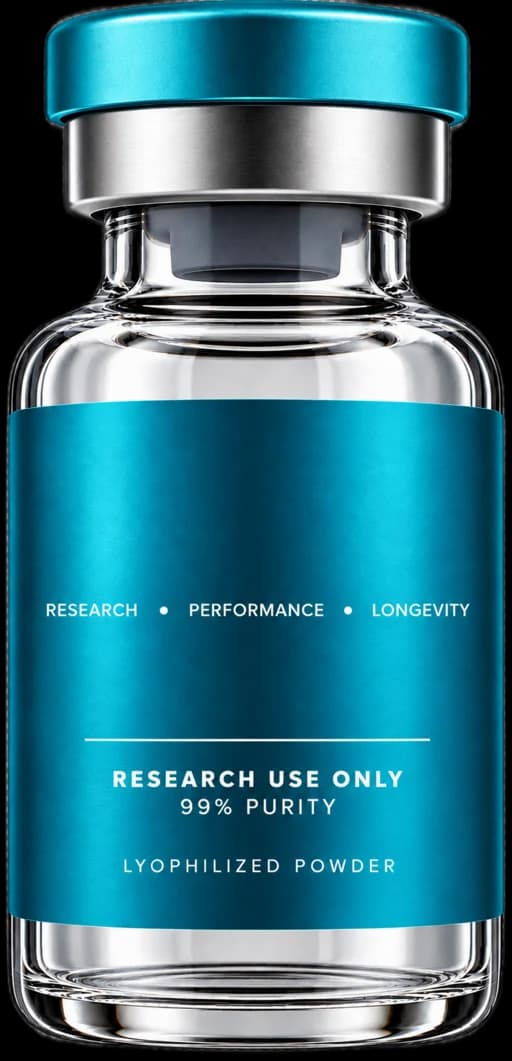
HCG reconstitution and IU draw

Stacking Context

HCG is frequently documented alongside other axis-focused compounds rather than in isolation:

Compound Role in documented protocols
Testosterone HCG is added to preserve testicular function that exogenous testosterone suppresses
FSH Combined with HCG in fertility-induction studies to drive spermatogenesis
SERMs Referenced in community post-cycle protocols to support axis restart
Kisspeptin Works upstream (triggering the body's own LH release) rather than substituting for LH like HCG

Side Effects & Safety

Reported effects, drawn from clinical and community sources:

  • Estradiol elevation and related effects (water retention, moodiness) when doses are large or infrequent — the reason community sources favor low, frequent IU dosing
  • Injection-site reactions
  • Acne or oily skin from increased androgen output
  • Gynecomastia risk if estradiol is not managed
  • HCG is a prescription hormone; the research/compounded form is unapproved

For the mechanism behind these effects, see the HCG benefits article.

IU Dosing Notes (Not a mg Conversion)

Unlike milligram-dosed peptides, HCG has no meaningful mg-to-units conversion — potency is standardized by international units of biological activity. Every reputable protocol is written in IU, and the only conversion that matters is IU-to-insulin-syringe-units, which depends entirely on the reconstitution concentration used (see the table above). Anyone quoting an HCG dose "in mg" is misapplying a mass unit to an activity-standardized hormone. These conversions reflect the dilutions documented in community reconstitution protocols; they report how the math is described, not a recommended dosing schedule.

Frequently Asked Questions

What is a common HCG dose for testicular support on testosterone therapy?
Clinical and community protocols for maintaining testicular function during testosterone therapy typically reference about 250-500 IU two to three times per week. In the 2013 Hsieh study, men on testosterone received 500 IU of HCG every other day and maintained semen parameters. HCG is dosed in international units (IU), not milligrams.
How is HCG reconstituted and dosed in IU?
A 5,000 IU vial mixed with 5 mL of bacteriostatic water yields 1,000 IU/mL. At that concentration, 250 IU is 0.25 mL (25 units on a U-100 insulin syringe) and 500 IU is 0.5 mL (50 units). Using 2.5 mL of BAC water instead gives 2,000 IU/mL, so 250 IU draws to 12.5 units.
Why is HCG measured in IU instead of mg?
HCG is standardized by biological activity rather than mass, so vials are labeled in international units (5,000 IU is common) and every documented protocol is expressed in IU. Converting to milligrams is not meaningful for dosing, which is why reputable protocols never quote an HCG dose in mg.
How is HCG used in post-cycle therapy?
Post-cycle protocols use HCG to help restart a suppressed hypothalamic-pituitary-gonadal axis. Community PCT references describe higher, time-limited dosing than testicular-maintenance use — often several hundred to ~1,500 IU two to three times weekly for a few weeks — frequently paired with a SERM. These are community-reported schedules, not medical advice.
How long is reconstituted HCG stable?
Manufacturer labeling for FDA-approved HCG products indicates use within about 30 days when refrigerated after reconstitution. Community sources report refrigerated stability toward 30-60 days. Manufacturer and community guidance describe keeping it cold (2-8°C), never freezing once mixed, and discarding the solution if it turns cloudy or discolored.
Is HCG injected subcutaneously or intramuscularly?
Both routes are documented. Community protocols for testicular support most often describe small subcutaneous injections with an insulin syringe; the 2013 Hsieh TRT study used intramuscular HCG. Either way the volume is small — a fraction of a milliliter at the concentrations above.

References

  1. Hsieh TC, Pastuszak AW, Hwang K, Lipshultz LI. Concomitant intramuscular human chorionic gonadotropin preserves spermatogenesis in men undergoing testosterone replacement therapy. J Urol. 2013;189(2):647-650. PMID: 23260550
  2. Coviello AD, Matsumoto AM, Bremner WJ, et al. Low-dose human chorionic gonadotropin maintains intratesticular testosterone in normal men with testosterone-induced gonadotropin suppression. J Clin Endocrinol Metab. 2005;90(5):2595-2602. PMID: 15713727
  3. Boeri L, Capogrosso P, Salonia A. Gonadotropin treatment for the male hypogonadotropic hypogonadism. Curr Pharm Des. 2021;27(24):2775-2783. PMID: 32445446
  4. Fink J, Schoenfeld BJ, Hackney AC, Maekawa T, Horie S. Human chorionic gonadotropin treatment: a viable option for management of secondary hypogonadism and male infertility. Expert Rev Endocrinol Metab. 2021;16(1):1-9. PMID: 33345656