MOTS-c is one of the most-discussed mitochondrial-derived peptides in the research-peptide community, and the published human safety dataset is small but uniformly favorable so far. The first-in-human Phase 1 study (NCT03998514) tested single subcutaneous doses up to 9.6 mg in healthy adults without reporting serious adverse events. Most of what's known about reactions in actual users comes from self-reported community sources at the typical 5-10 mg, 2-3x-weekly protocols.
Research-context information only.MOTS-c is a research peptide. Protocols, doses, and reactions reported below come from published research and self-reported community sources. This article reports what has been documented, not what should be done. Consult a licensed physician for personal medical decisions.
This article separates trial-grade signals from community-report signals, lists each adverse event with attribution, and describes the dose-pause patterns documented in research and community sources. There are no FDA-approved indications for MOTS-c, and the research-peptide form is not approved for human use.
What the Published Research Shows
Most MOTS-c human safety data comes from a single Phase 1 single-ascending-dose study (NCT03998514) and from extrapolation across the preclinical literature. The peptide's mechanism — AMPK activation, improved glucose uptake, mitochondrial efficiency — has been described in cellular and rodent work over the past decade (Lee et al., PMID 25738459).
What's notably absent: a multi-week or multi-month safety extension trial. Self-reported community use stretches into months-long cycles; no peer-reviewed long-term human dataset has caught up to that.
Source
Population
Duration
Adverse events reported
NCT03998514 (Phase 1)
Healthy adults
Single dose
No serious adverse events at up to 9.6 mg subcutaneous
Injection site reactions, brief headache, fatigue (see below)
The summary regulators and reviewers would read from this dataset: human exposure is limited, the preclinical safety signal is clean, and longer-term human surveillance does not yet exist.
Adverse Events Most Commonly Self-Reported in Community Sources
Note on labeling: The events below come from self-reported community sources (r/peptides, r/PeptideTherapy, peptide forums). They are not trial-grade incidence rates. Where trial data exists, it is cited separately.
Injection site redness or itching
Community reports cluster around mild, transient redness or itching at the subcutaneous injection site, typically lasting under 24 hours. The reported pattern is consistent with what NCT03998514 documented for the active-arm participants. Community sources commonly describe rotating sites (abdomen, thigh, upper arm) and bringing reconstituted product to room temperature before injection as factors that reduce reaction frequency.
Headache during the first 1-3 doses
The most consistent community feedback is a mild headache appearing within 2-6 hours of the first or second dose, fading by the third or fourth dose. Trial-grade incidence is not published. The pattern resembles what cellular research describes for AMPK-pathway activators broadly — initial metabolic shift that adapts with repeat exposure.
Brief fatigue in week 1
Self-reported community timelines describe a 1-3 day fatigue window in the first week, often paired with the headache pattern. Community sources commonly describe dose-pausing rather than discontinuation when this appears; the pattern resolves in nearly all reports by week 2.
Light flushing post-injection
Less consistently reported. Some users describe a brief warmth or flush in the 30 minutes after injection. Not described in NCT03998514 published abstracts.
Less Commonly Reported Events
These appear sparsely in community data and have no trial-grade attribution.
Sleep disruption during the first week — clustered around evening dosing in self-reports. Community sources commonly describe shifting to morning administration.
Reactive hypoglycemia symptoms (lightheadedness, sweating) in users running MOTS-c alongside fasted training or low-carbohydrate diets. Preclinical work describes improved glucose uptake; the community pattern is consistent with the mechanism but not characterized in published human data.
Mild GI changes (loose stool, transient appetite shifts) in a minority of community reports.
Dose-Response Patterns Documented in Research
Phase 1 dose escalation (NCT03998514) tested single subcutaneous doses up to 9.6 mg without reaching a maximum tolerated dose at those levels. Community sources commonly describe 5-10 mg per dose, 2-3x weekly. The community-reported relationship between dose size and side-effect frequency is non-linear: users report that splitting a 10 mg dose into two 5 mg sessions produces fewer first-week side effects than a single 10 mg session.
The preclinical literature does not establish a no-observed-adverse-effect level in the typical research-peptide-community dosing range. Users self-reporting at supraphysiologic doses (>15 mg per session) are uncommon and are not represented in published research.
Bac Water Made for Peptides50% off
Don't risk a $300 peptide on generic bac water.
Most cloudy reconstitutions trace back to one thing — and it isn't the peptide. Sterile, non-pyrogenic, 0.9% benzyl alcohol — formulated for peptide reconstitution, not repackaged from generic stock.
✓ 0.9% benzyl alcohol✓ Made for peptides✓ 30 mL multi-dose
Trial protocols (NCT03998514) used single-dose administration and did not require discontinuation events. Community sources describe two patterns:
Pause-and-resume: When first-week fatigue or headache appears, community reports describe pausing for 3-5 days, then resuming at the same or a lower dose. Symptoms typically do not recur on resumption.
Full discontinuation: Rare in community data. Most often cited when injection-site reactions persist beyond two weeks despite site rotation, which community sources commonly attribute to product-quality issues rather than the peptide itself.
There is no published guideline for when to stop MOTS-c. The Phase 1 framework's stopping rules were defined for trial-grade adverse events (none triggered at the doses tested).
Cross-Reference: How MOTS-c Compares to Other Mitochondrial Peptides
The most direct comparison in the research-peptide space is SS-31 (elamipretide). Both target mitochondrial function. Their adverse-event profiles, where data exists, differ in source: SS-31 has been through Phase 3 trials in primary mitochondrial myopathy (PMID 32554501), so its reported adverse events are trial-grade; MOTS-c's adverse-event picture is dominated by community self-reports. Reviewers reading both side-by-side should weigh the asymmetry in evidence source, not just the listed events.
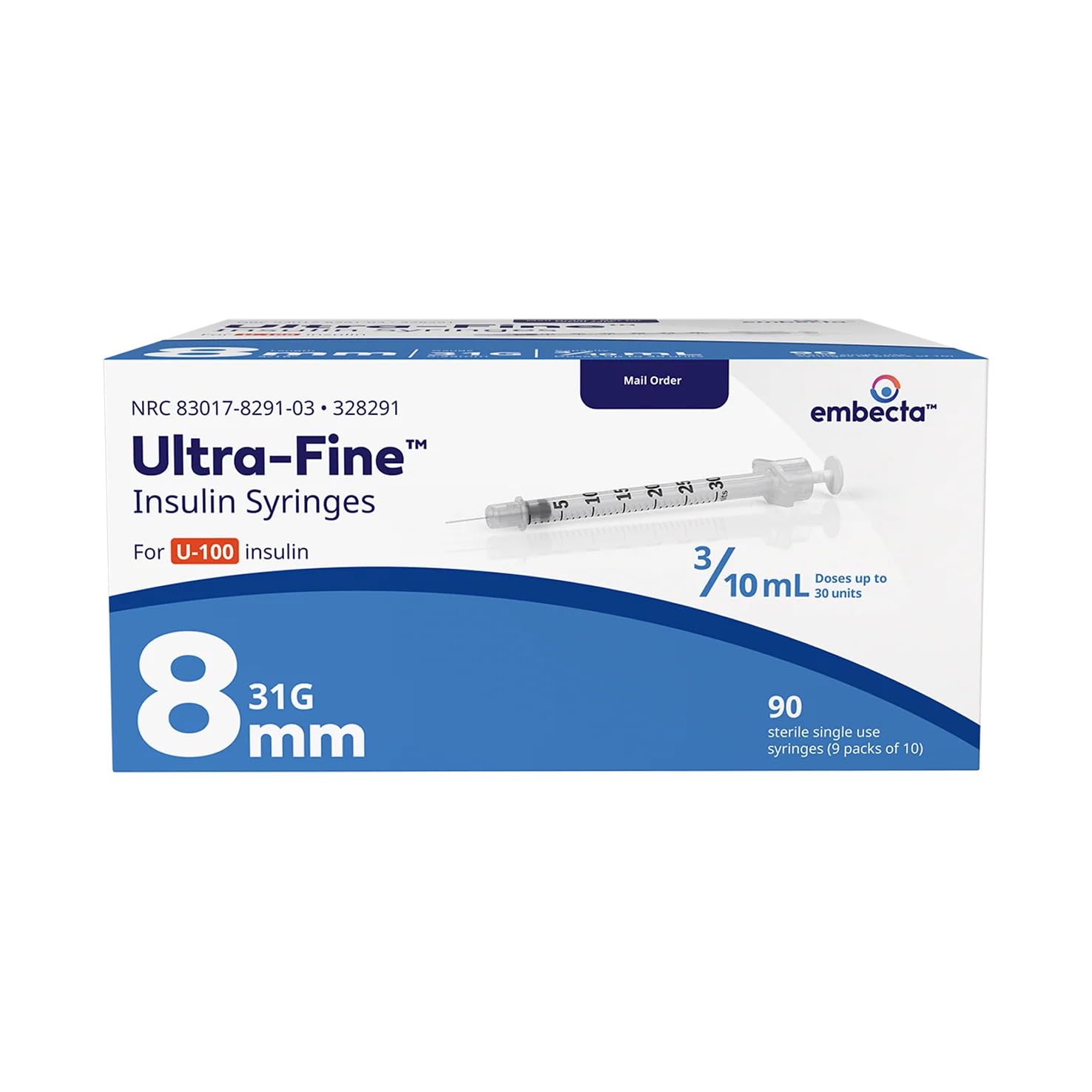
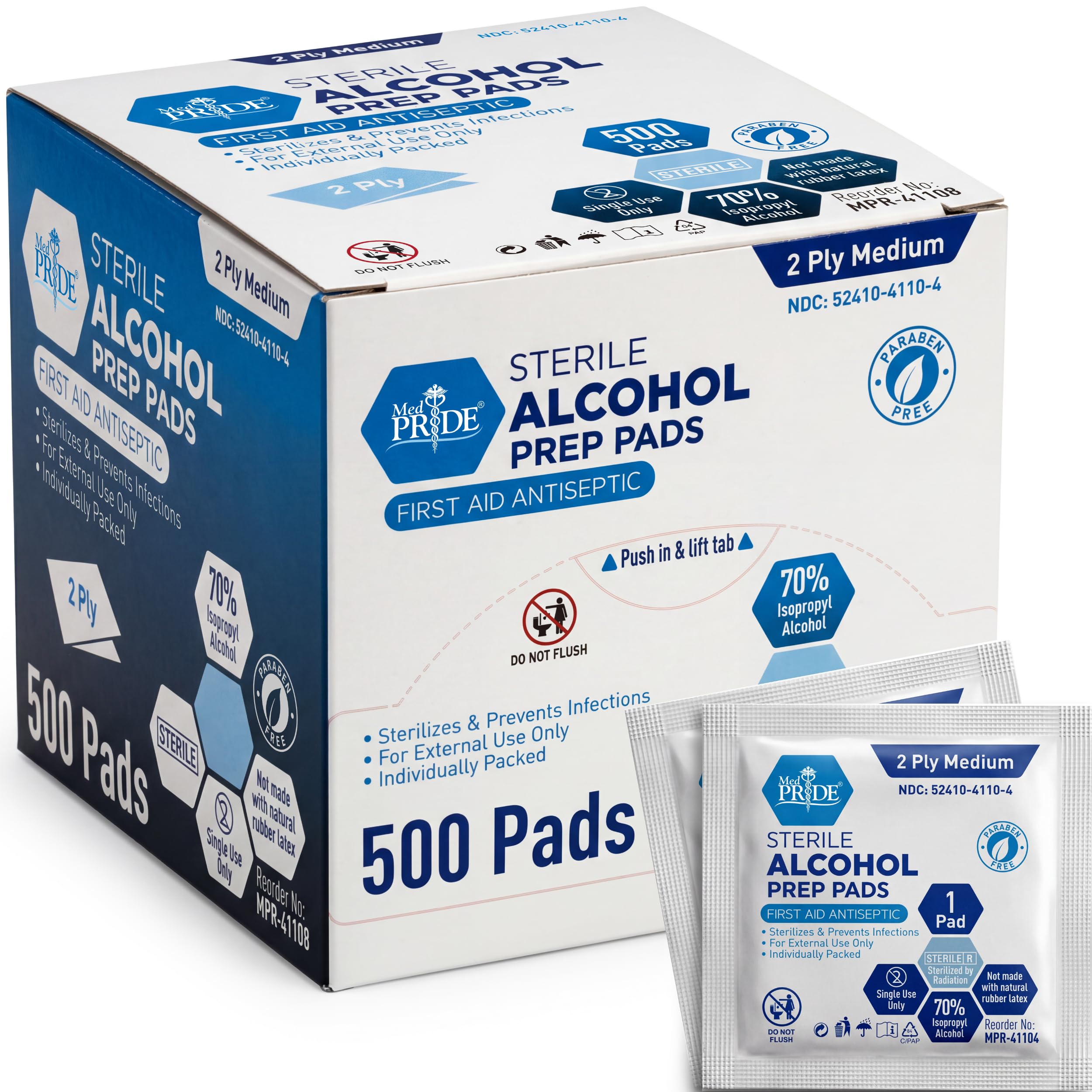
Core Supplies for This Protocol
The essentials for running any reconstituted injectable: cold storage, accurate syringes, alcohol prep pads, and metabolic tracking.
What side effects are most commonly reported with MOTS-c?
Self-reported community data clusters around mild injection-site redness, brief headache during the first 1-3 doses, and occasional first-week fatigue. The early-phase human trial (NCT03998514) reported no serious adverse events at single subcutaneous doses up to 9.6 mg.
Has MOTS-c been tested in humans?
A first-in-human Phase 1 single-dose study (NCT03998514) evaluated subcutaneous MOTS-c in healthy adults; published preclinical work spans cellular and rodent models (Lee et al., PMID 25738459). No long-term safety dataset exists outside community self-reports.
Does MOTS-c affect blood sugar or appetite?
Preclinical research describes improved insulin sensitivity and glucose uptake (Lee et al., PMID 25738459). Community sources occasionally describe transient hunger changes; trial-grade human data on appetite are not yet published.
What did Phase 1 reviewers describe as the dose-limiting effects?
The published Phase 1 framework did not establish a maximum tolerated dose at the levels tested; community sources at 5-10 mg subcutaneous, 2-3x per week, describe injection-site reactions and brief flushing as the most consistent self-reported events.
Are there any contraindications described in published research?
Published preclinical and Phase 1 work does not establish formal contraindications. Investigational status means no FDA-approved indication exists; consult a licensed physician before any use.
For educational and research purposes only. This is not medical advice. MOTS-c is not FDA-approved for any indication. Consult a healthcare provider before use.