BenefitsSeptember 23, 2026·4 min read

PE-22-28: Antidepressant Effects in 4 Days

A 7-amino-acid spadin fragment with 300x the TREK-1 affinity of its parent — and mouse antidepressant markers in 4 days instead of weeks. The evidence.

PE-22-28 Peptide Research

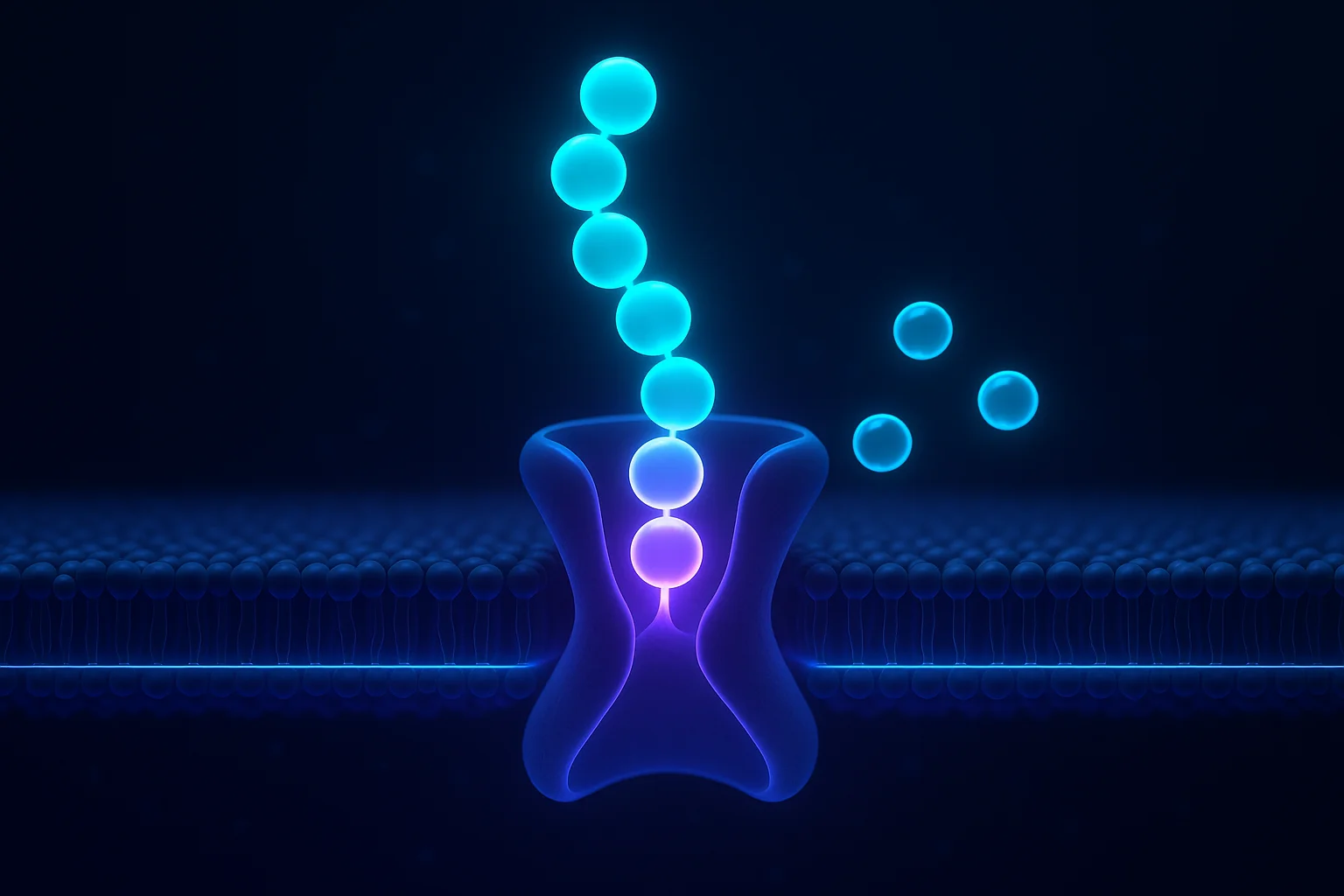
PE-22-28 is a 7-amino-acid research peptide engineered from spadin, a natural fragment of the sortilin receptor's propeptide. Its claim to attention is specific: it blocks the TREK-1 potassium channel about 300 times more potently than spadin itself (IC50 0.12 nM vs 40-60 nM), and in mouse models it produced antidepressant behavioral markers after 4 days of treatment — where SSRIs in the same paradigms take weeks.

Research-context information only. PE-22-28 is a research peptide. Protocols, doses, and reactions reported below come from published research and self-reported community sources. This article reports what has been documented, not what should be done. Consult a licensed physician for personal medical decisions.

Every efficacy finding below is preclinical — mouse behavior and in-vitro electrophysiology from one French research group (CNRS, Université Côte d'Azur). No human trial of PE-22-28 has been published. That makes it one of the most interesting and least human-validated compounds in the research-peptide catalog.

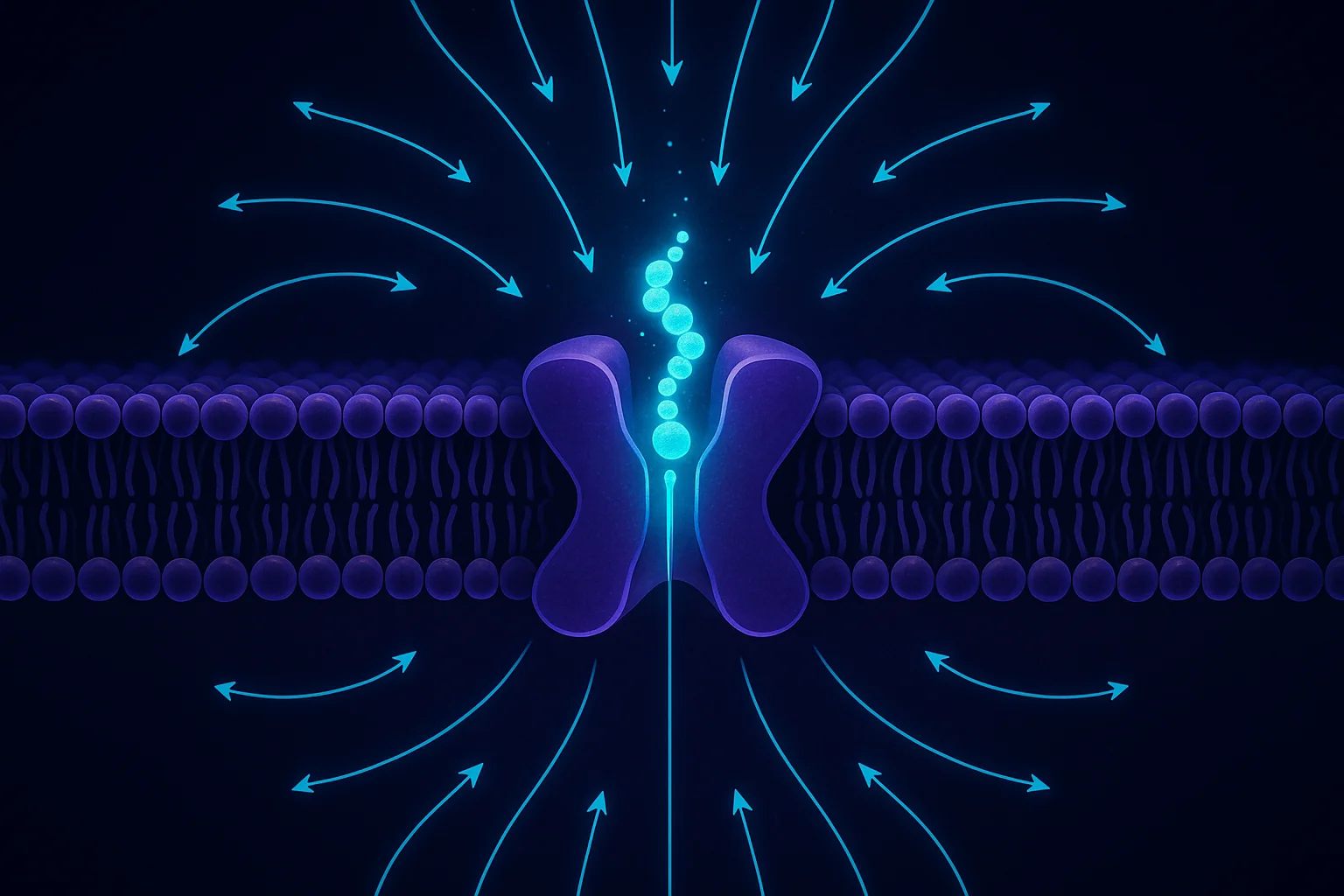
Why TREK-1 Is the Target

The rationale starts with genetics, not the peptide. Heurteaux et al., 2006 reported in Nature Neuroscience that mice lacking the TREK-1 background potassium channel showed a depression-resistant phenotype across five behavioral models, with increased serotonin neurotransmission and substantially reduced corticosterone elevation under stress.

A gene deletion that mimics antidepressant treatment suggested a drug that blocks the channel might do the same. The same group then identified spadin — a naturally occurring 17-residue fragment of the sortilin propeptide — as an endogenous TREK-1 blocker (Mazella et al., 2010, PLoS Biology).

Reported Benefits, Strongest Evidence First

Fast-onset antidepressant markers (mouse)

The defining spadin result: antidepressant-like behavioral effects after 4 days of treatment, versus the several weeks fluoxetine requires in the same mouse paradigms, alongside classical response markers — increased CREB activation and hippocampal neurogenesis (Mazella et al., 2010).

PE-22-28 reproduced this profile in the study that introduced it: reduced immobility in the forced-swim test, and after 4-day sub-chronic treatment, significantly reduced latency in the novelty-suppressed feeding test (Djillani et al., 2017, Frontiers in Pharmacology).

Ready to buy? Compare current sources on our best PE-22-28 page (vendor links are affiliate links), or browse all coupon codes for up to 50% off.
Where to buy PE-22-28
One verified, COA-tested PE-22-28 source
The verified, COA-tested source we track for PE-22-28 — shipped with a certificate of analysis. Research use only.
COA verified $2.30/mg Limitless Biotech
Save 15%peptideinfoat checkout
Buy at Limitless Biotech — $45.99
20mg · sold research-use-only · we may earn a commission

Sharper potency and stability than spadin

TREK-1 Channel Mechanism

PE-22-28 was designed by analyzing which fragments of spadin survived blood degradation, then testing the shortened analogs. The published comparison (Djillani et al., 2017):

Property Spadin PE-22-28
Length 17 amino acids 7 amino acids
TREK-1 IC50 40-60 nM 0.12 nM
Duration of in-vivo activity ~7 hours up to 23 hours

Neurogenesis without TREK-1's side-effect baggage (reported rationale)

TREK-1 also sits in cardiac and pain pathways, so a blocker could in principle disturb both. The research group reported that spadin-class peptides inhibited TREK-1 without the cardiac or pain-threshold effects seen with less selective channel blockers, and reviewed the therapeutic case in Djillani et al., 2019, Pharmacology & Therapeutics. This selectivity claim is the group's own and has not been independently replicated.

Neurogenesis Research

What the Community Reports

Community interest — visible in rising calculator activity and vendor listings elsewhere — centers on low-dose subcutaneous or intranasal use, with self-reports describing mood and motivation effects within the first week. These are anecdotes about an un-trialed compound; no published human pharmacokinetics exist to anchor any dose, route, or duration.

How PE-22-28 Compares

Within the research-nootropic cluster, the mechanism is what separates it: Semax and Selank act on melanocortin- and GABA-adjacent systems with decades of Russian clinical literature behind them; PE-22-28 acts on a potassium channel with a genetic depression link and no human literature at all. Regulatory status is the same across all three in the US: research compounds, no FDA-approved counterpart.

Who Is Researching PE-22-28?

Essentially one lineage: the CNRS/Université Côte d'Azur group (Mazella, Borsotto, Heurteaux, Djillani) that discovered spadin, engineered PE-22-28, and published the review literature. Independent replication of the behavioral findings has not been published — worth weighing when a compound's entire evidence base traces to its inventors.

30ml bacteriostatic water vial — 0.9% benzyl alcohol multi-dose
Bac Water Made for Peptides50% off
Don't risk a $300 peptide on generic bac water.
Most cloudy reconstitutions trace back to one thing — and it isn't the peptide. Sterile, non-pyrogenic, 0.9% benzyl alcohol — formulated for peptide reconstitution, not repackaged from generic stock.
0.9% benzyl alcohol Made for peptides 30 mL multi-dose
See why our bac water doesn't ruin peptides
Ships fast · 50% off with code thepeptidecatalog

Frequently Asked Questions

What is PE-22-28?
PE-22-28 is a 7-amino-acid fragment of spadin, itself a natural peptide released from the propeptide of the sortilin receptor. It blocks the TREK-1 potassium channel — a target genetically linked to depression resistance in mice — with an IC50 of 0.12 nM, roughly 300-fold stronger than full-length spadin.
What did research report about PE-22-28 and depression?
In the 2017 Frontiers in Pharmacology study that introduced it, PE-22-28 reduced immobility in the forced-swim test and, after 4 days of sub-chronic treatment, significantly reduced latency in the novelty-suppressed feeding test — behavioral antidepressant markers that typically take weeks to appear with SSRIs in the same models. All of this is mouse data; no human trials of PE-22-28 have been published.
How is PE-22-28 different from spadin?
Three documented differences: potency (IC50 0.12 nM vs 40-60 nM for spadin), in-vivo stability (activity lasting up to 23 hours versus about 7), and size (7 amino acids versus 17). It was designed by studying which fragments of spadin survived blood degradation.
Does PE-22-28 have human clinical trials?
No. Every published efficacy finding — TREK-1 inhibition, forced-swim results, neurogenesis markers — comes from mouse models and in-vitro electrophysiology. The compound has no FDA-approved counterpart and no published human safety data.
Why is TREK-1 a depression target?
Mice with the TREK-1 gene deleted showed a depression-resistant phenotype across five behavioral models, with enhanced serotonin neurotransmission and blunted stress-hormone elevation (Heurteaux 2006). That genetic result is what motivated designing peptide blockers of the channel, first spadin and then PE-22-28.

References

  1. Heurteaux C, et al. Deletion of the background potassium channel TREK-1 results in a depression-resistant phenotype. Nat Neurosci. 2006;9(9):1134-1141. PMID 16906152
  2. Mazella J, et al. Spadin, a sortilin-derived peptide, targeting rodent TREK-1 channels: a new concept in the antidepressant drug design. PLoS Biol. 2010;8(4):e1000355. PMID 20405001
  3. Djillani A, et al. Shortened spadin analogs display better TREK-1 inhibition, in vivo stability and antidepressant activity. Front Pharmacol. 2017;8:643. PMID 28955242
  4. Djillani A, et al. Fighting against depression with TREK-1 blockers: past and future. A focus on spadin. Pharmacol Ther. 2019;194:185-198. PMID 30291907