Beyond the Scale: Knee Osteoarthritis Pain Relief
One of the most clinically significant — and perhaps underappreciated — findings from TRIUMPH-4 was the effect on knee osteoarthritis symptoms. Obesity is a primary driver of knee osteoarthritis, and weight loss has long been recommended as first-line therapy. But the magnitude of pain improvement in TRIUMPH-4 went beyond what weight loss alone would typically predict.
WOMAC Pain Scores
The trial assessed knee osteoarthritis pain using the Western Ontario and McMaster Universities Osteoarthritis Index (WOMAC), a validated instrument widely used in orthopedic and rheumatologic research.
- Baseline WOMAC pain score: approximately 6 out of 20
- Reduction in active treatment arms: approximately 4.5 points, representing a ~76% decrease from baseline
- Complete freedom from knee pain at week 68: reported by roughly 1 in 8 patients (12.5%) receiving retatrutide, compared to just 4.2% in the placebo group
A 76% reduction in pain scores is extraordinary — approaching the range typically seen after total knee replacement surgery. A once-weekly injection delivering that level of pain relief in patients who may not yet need surgery is a potentially transformative finding.
The mechanism likely involves both the direct mechanical benefit of reduced joint loading (less body weight pressing on the knee) and possible anti-inflammatory effects mediated through reductions in systemic inflammation — a known consequence of significant weight loss and potentially enhanced by glucagon receptor-mediated metabolic improvements.
Cardiovascular Risk Markers
TRIUMPH-4 also assessed a panel of cardiometabolic biomarkers, and the results were broadly favorable across the board:
- Non-HDL cholesterol — significant reductions, indicating improved atherogenic lipid burden
- Triglycerides — meaningful decreases, consistent with the known effects of GLP-1 and GIP receptor activation on lipid metabolism
- High-sensitivity C-reactive protein (hsCRP) — substantial reductions, reflecting decreased systemic inflammation. Elevated hsCRP is an independent cardiovascular risk factor, and its reduction is considered a surrogate marker for improved cardiovascular outcomes
- Systolic blood pressure — clinically meaningful reductions
These improvements are consistent with — but in several cases exceed — the cardiometabolic benefits observed with semaglutide and tirzepatide in their respective Phase III programs. Whether retatrutide's glucagon receptor agonism provides additive cardiovascular benefit beyond what GLP-1 and GIP activation deliver is an important question that dedicated cardiovascular outcomes trials (CVOTs) within the TRIUMPH program may eventually answer.
The cardiometabolic data also reinforce the emerging understanding that incretin-based therapies produce benefits beyond weight loss itself — likely through direct receptor-mediated effects on hepatic metabolism, vascular inflammation, and lipid handling.
Safety Profile
The safety data from TRIUMPH-4 were consistent with the known class effects of incretin receptor agonists, with no unexpected signals emerging at either dose.
Gastrointestinal Side Effects
The most common adverse events were gastrointestinal in nature, as expected for this drug class:
- Nausea — the most frequently reported GI side effect, typically most pronounced during dose escalation and diminishing over time
- Diarrhea — reported at moderate frequency
- Constipation — less common than nausea but clinically relevant for some participants
- Vomiting — generally mild and often transient
These GI effects are mechanistically linked to GLP-1 receptor activation (slowed gastric emptying, central appetite suppression) and are a recognized feature of all GLP-1-based therapies. The dose escalation protocol used in TRIUMPH-4 was designed to mitigate their severity, and most events were mild to moderate in intensity.
Dysesthesia
A notable finding was dysesthesia (an abnormal sensation such as tingling, burning, or numbness), reported in up to 20.9% of participants at the 12 mg dose. This side effect was generally described as mild and was first identified in the Phase II program. The mechanism is not fully understood but may relate to glucagon receptor-mediated effects or rapid metabolic changes associated with significant weight loss. Importantly, dysesthesia rarely led to treatment discontinuation and tended to resolve or stabilize over time.
Overall Tolerability
The overall discontinuation rate due to adverse events remained within the range observed for semaglutide and tirzepatide in their respective programs. The benefit-risk profile at both the 9 mg and 12 mg doses appears favorable, though individual tolerability will vary — as it does with all incretin-based therapies.
For patients and clinicians, the practical takeaway is that retatrutide's side effect profile is broadly similar to existing peptide-based obesity treatments, with the addition of dysesthesia as a novel but generally manageable consideration.
What This Means for Patients
TRIUMPH-4 is a landmark trial, but it's important to contextualize what these results mean for people living with obesity today.
Retatrutide is not yet approved. The TRIUMPH-4 data are part of an ongoing Phase III program, and regulatory submissions to the FDA and other agencies have not yet been completed. Approval, if it comes, is likely still at least 12–18 months away, depending on the pace of remaining readouts and regulatory review.
The results apply to a clinical trial population. Participants in Phase III trials are carefully selected and monitored, receive structured dose escalation, and have regular clinical follow-up. Real-world results may differ — though the consistency of incretin-based therapy data across trials and post-marketing settings is encouraging.
Weight loss of this magnitude has cascading health benefits. Losing nearly 29% of body weight doesn't just improve how someone looks or feels — it meaningfully reduces the risk of type 2 diabetes, cardiovascular disease, obstructive sleep apnea, non-alcoholic fatty liver disease, and certain cancers. For patients with knee osteoarthritis, the pain relief demonstrated in TRIUMPH-4 could mean the difference between mobility and disability.
Individual results will vary. As with semaglutide and tirzepatide, some patients will be high responders and others will experience more modest effects. Genetic factors, adherence, diet, physical activity, and baseline metabolic health all influence treatment response.
For more on how retatrutide fits into the current landscape, visit our comprehensive retatrutide profile.
How Retatrutide Compares to Existing Therapies
The progression from single to dual to triple agonist therapy represents a clear trend in obesity pharmacotherapy:
- Semaglutide (GLP-1 agonist): ~15–17% weight loss in Phase III (STEP trials)
- Tirzepatide (GIP + GLP-1 dual agonist): ~20–22.5% weight loss in Phase III (SURMOUNT trials)
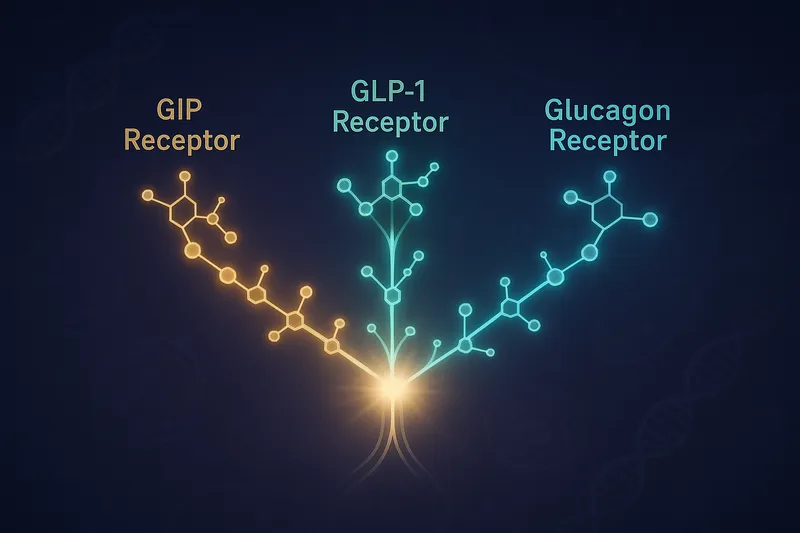
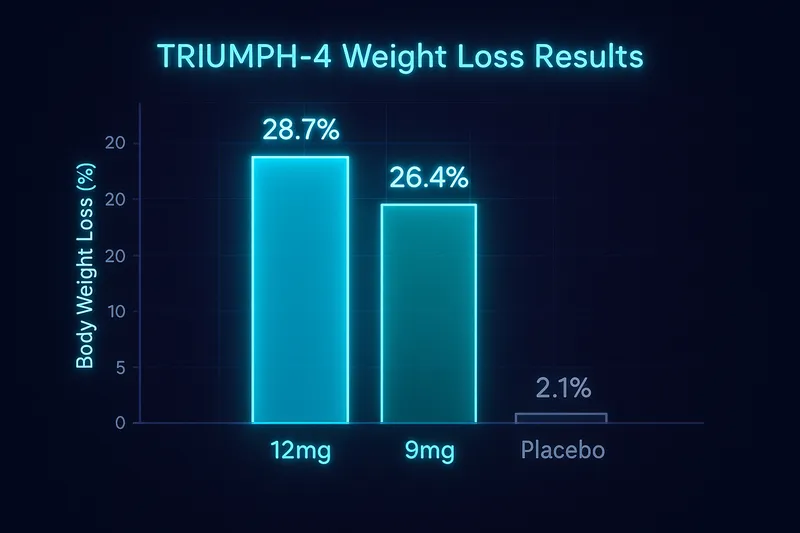
- Retatrutide (GIP + GLP-1 + glucagon triple agonist): ~26–29% weight loss in Phase III (TRIUMPH-4)
Each additional receptor pathway appears to contribute incremental efficacy. The glucagon receptor component in retatrutide likely drives the additional weight loss through increased energy expenditure and enhanced hepatic fat metabolism — mechanisms not directly targeted by GLP-1 or GIP activation alone.
However, more receptors also means more pharmacological complexity. The dysesthesia signal in retatrutide, while mild, is an example of a novel side effect that wasn't seen with simpler agonists. Long-term safety data — particularly cardiovascular outcomes and effects on lean body mass — will be critical for fully understanding retatrutide's place in therapy.
For a detailed head-to-head comparison of the current leading peptide therapies, see our semaglutide vs. tirzepatide comparison.
What's Next: The TRIUMPH Program and Regulatory Path
TRIUMPH-4 is just one piece of a much larger puzzle. Lilly's TRIUMPH clinical program includes multiple Phase III trials evaluating retatrutide across different patient populations and endpoints:
- Seven additional Phase III readouts are expected throughout 2026, covering populations with type 2 diabetes, cardiovascular disease, obstructive sleep apnea, and other obesity-related comorbidities
- Cardiovascular outcomes data — the gold standard for demonstrating that weight loss translates into reduced heart attacks, strokes, and cardiovascular death — will be critical for retatrutide's regulatory and commercial positioning
- Head-to-head trials comparing retatrutide directly to existing therapies may provide definitive comparative efficacy data
The Drug vs. Biologic Question
An important regulatory subplot is Lilly's appeal of the FDA's classification of retatrutide. The company is challenging whether retatrutide should be classified as a drug or a biologic — a distinction with significant implications for compounding.
Under current FDA rules, drugs listed on the Drug Shortage List may be compounded by 503A and 503B pharmacies, while biologics face stricter restrictions. This classification question has already been contentious for semaglutide and tirzepatide, and Lilly appears to be proactively seeking a regulatory framework that may limit compounding of retatrutide from the outset. The outcome of this appeal could shape patient access and pricing dynamics for years to come.
Timeline to Approval
Based on the expected cadence of remaining TRIUMPH readouts and standard FDA review timelines, the earliest possible U.S. approval for retatrutide in obesity would likely be in late 2027 or 2028, though an accelerated pathway is possible if the totality of evidence is sufficiently compelling. Regulatory submissions in other markets (EU, UK, Japan) would follow on a similar or slightly delayed timeline.
The Bottom Line
TRIUMPH-4 establishes retatrutide as the most potent pharmacological weight loss agent ever tested in a Phase III program. A 28.7% average weight loss at 68 weeks — coupled with transformative improvements in knee osteoarthritis pain, cardiovascular risk markers, and metabolic health — represents a genuine advance in obesity treatment.
The triple agonist mechanism appears to deliver on its theoretical promise: each additional receptor pathway contributes measurable clinical benefit. Whether those benefits are sustained long-term, whether the safety profile holds up across larger and more diverse populations, and whether the drug-vs-biologic classification battle shapes patient access — these are the questions that 2026's remaining TRIUMPH readouts will begin to answer.
For now, the data speak clearly. Retatrutide works, and it works at a level that would have been considered unrealistic just five years ago. Compare current retatrutide vendors and pricing on our retatrutide buying guide.