SLU-PP-332 sits in an unusual bloodwork position. Most peptides have at least Phase 1 human safety data establishing what biomarkers shift under treatment. SLU-PP-332 has no human data at all. The bloodwork rationale below is built from two sources: (1) the published preclinical biomarker readouts in mice, and (2) the receptor expression pattern, which tells researchers what tissues are most likely to register a biochemical change.
Research-context information only. SLU-PP-332 is an investigational small-molecule pan-agonist of the estrogen-related receptors (ERRα/β/γ) developed at Saint Louis University. It is not approved by the FDA and has not entered human clinical trials. Biomarkers reported below come from published preclinical studies and general metabolic monitoring conventions. This article reports what has been documented, not what should be done. Consult a licensed physician for personal medical decisions.
Why Monitoring Matters Here
ERRα and ERRγ are highly expressed in skeletal muscle, heart, liver, kidney, and brown adipose tissue (Tripathi 2014, PMID 25222219). ERR pan-agonism therefore touches metabolic, cardiac, and hepatic biology simultaneously. The Billon 2024 metabolic syndrome study (PMID 37739806) reported improved glucose tolerance, reduced fat mass, and increased energy expenditure in DIO mice — a metabolic signal. The Xu 2023 cardiac study (PMID 37961903) reported improved ejection fraction in mice with induced heart failure — a cardiac signal. Both signals were positive in those preclinical models. Neither has been validated in humans.
The biomarkers below are organized by what published preclinical work measured, plus general metabolic monitoring conventions. None are validated as a SLU-PP-332-specific safety panel.
Baseline Labs
Community references for pre-cycle baselines typically describe a comprehensive metabolic panel (CMP), lipid panel, fasting glucose, HbA1c, and (for the cardiac-expressed concern) a basic cardiac marker check. The labs below are organized in the order they appear in the preclinical literature for SLU-PP-332.
Lab #1 — Lactate
ERR-driven mitochondrial activity changes the balance of oxidative phosphorylation versus glycolytic ATP production. In trained subjects, the lactate threshold (the workload at which lactate begins to accumulate) shifts to higher workloads. SLU-PP-332 mouse studies reported a shift toward type IIa oxidative skeletal muscle fibers (Billon 2023, PMID 36988910), the same fiber-type adaptation that endurance training produces. Lactate at a fixed submaximal workload is the most direct biomarker for whether that adaptation is happening in research subjects.
| Marker |
Reference Range |
Notes |
| Resting lactate |
0.5–2.2 mmol/L |
Wide normal range; useful primarily as a personal baseline |
| Lactate at submaximal exercise |
Highly individual |
Best measured against a personal pre-cycle baseline at the same workload |
There is no published lactate dataset for SLU-PP-332-treated humans. Tracking is for research baseline comparison, not clinical decision-making.
Lab #2 — Fasting Glucose & HbA1c
Glucose tolerance was a primary metabolic endpoint in Billon 2024 (PMID 37739806). DIO mice on 25 mg/kg IP twice daily improved glucose tolerance over four weeks. Whether that translates to human glucose biomarkers has not been tested.
| Marker |
Optimal Range |
Reference Range |
| Fasting glucose |
70–90 mg/dL |
70–99 mg/dL |
| HbA1c |
<5.4% |
<5.7% (non-diabetic) |
| Fasting insulin |
2–6 µIU/mL |
2.6–24.9 µIU/mL |
ERRα is expressed in hepatocytes. The Billon 2024 paper did not report elevated liver enzymes at the doses tested in mice. ALT and AST are the standard liver-injury markers; ALP and bilirubin add cholestatic context.
| Marker |
Optimal Range |
Reference Range |
| ALT (SGPT) |
10–25 U/L |
7–56 U/L |
| AST (SGOT) |
10–25 U/L |
10–40 U/L |
| ALP |
40–95 U/L |
44–147 U/L |
| Total bilirubin |
0.2–1.0 mg/dL |
0.1–1.2 mg/dL |
ALT trending upward across re-tests is the standard signal to investigate further regardless of which research compound was being used.
Lab #4 — Lipid Panel
Fatty acid oxidation is the metabolic pathway most affected by ERR pan-agonism. Mouse studies reported improved lipid profiles in DIO mice (Billon 2024, PMID 37739806). Whether triglycerides, LDL, or HDL shift in humans is unknown.
| Marker |
Optimal Range |
| Total cholesterol |
150–200 mg/dL |
| LDL |
<100 mg/dL |
| HDL |
>50 mg/dL (men >40) |
| Triglycerides |
<100 mg/dL |
| ApoB |
<90 mg/dL |
Lab #5 — Cardiac Markers
This is the SLU-PP-332-specific concern. ERRα and ERRγ are highly expressed in cardiac tissue. The Xu 2023 Circulation paper (PMID 37961903) reported that SLU-PP-332 and SLU-PP-915 improved ejection fraction and reduced fibrosis in mice with pressure-overload heart failure, without inducing pathological cardiac hypertrophy. That is a positive preclinical safety signal in a disease-state model. It does not establish long-term cardiac safety in healthy human subjects.
| Marker |
Optimal Range |
What It Indicates |
| hs-CRP |
<1.0 mg/L |
General inflammation |
| NT-proBNP |
<125 pg/mL |
Cardiac stretch / heart failure marker |
| Troponin I |
<0.04 ng/mL |
Myocardial injury |
| Resting heart rate |
50–70 bpm |
Autonomic / cardiac fitness baseline |
Resting heart rate is the cheapest cardiac data point — a personal baseline before and during any research cycle.
Lab #6 — Creatine Kinase (CK)
CK is the muscle-injury biomarker. Increased mitochondrial activity, fiber-type shift, and exercise capacity could plausibly elevate CK from training adaptation alone. CK is also a non-specific reflection of skeletal muscle stress. Tracking is useful for distinguishing training-related from compound-related signals.
| Marker |
Reference Range |
| CK (men) |
30–200 U/L |
| CK (women) |
30–150 U/L |
CK doubles or triples with hard training; that is normal. Persistent elevation without training stimulus is the signal to investigate.
Kidney function rounds out the systemic-organ check. ERRα is expressed in renal tissue, and any compound with broad metabolic effects warrants baseline and follow-up kidney biomarkers.
| Marker |
Optimal Range |
| Creatinine |
0.6–1.1 mg/dL (women), 0.7–1.3 (men) |
| eGFR |
>90 mL/min/1.73m² |
| BUN |
7–20 mg/dL |
Testing Schedule
Community references for re-testing typically describe the following pattern. None of these intervals have published pharmacokinetic basis specific to SLU-PP-332.
| Timing |
Panel |
| Pre-cycle baseline |
All labs above |
| Week 4 |
CMP (liver + kidney), lipid panel, fasting glucose |
| Week 8 / end of cycle |
Full repeat of baseline |
| Post-cycle (4 weeks off) |
Full repeat to assess reversibility |
The repeat-testing rationale: if any marker drifts during the cycle, post-cycle re-testing tells researchers whether the change was driven by the compound (returns to baseline) or independent of it (persists).
Interpreting Results
The published preclinical data offer no human reference for "expected" shifts under SLU-PP-332 treatment, so interpretation is necessarily framed against personal baseline.
Lipid panel improvement — consistent with the published preclinical fat-mass-reduction effect in DIO mice. Not a guarantee of effect; could equally reflect concurrent diet or training changes.
Liver enzyme elevation — the published mouse data did not report ALT/AST elevation at the doses tested. A rising ALT without other explanation is a signal to pause and investigate the entire research stack, not just SLU-PP-332.
Cardiac biomarker elevation — NT-proBNP or troponin elevation in a non-symptomatic research subject is rare and warrants discontinuation pending evaluation. This is the SLU-PP-332-specific concern given the cardiac expression of ERR.
CK elevation — context-dependent. Hard training raises CK normally. Persistent elevation despite training-load reduction warrants attention.
When to Stop
Bloodwork-driven discontinuation in a research context typically tracks the following signals:
- ALT or AST greater than 3× upper limit of normal
- Troponin elevation
- Creatinine increase >25% from baseline
- New-onset symptomatic cardiac concern (palpitations, chest pain, exertional intolerance) regardless of bloodwork
These thresholds are general clinical practice signals, not SLU-PP-332-specific. They apply to research with any investigational compound.
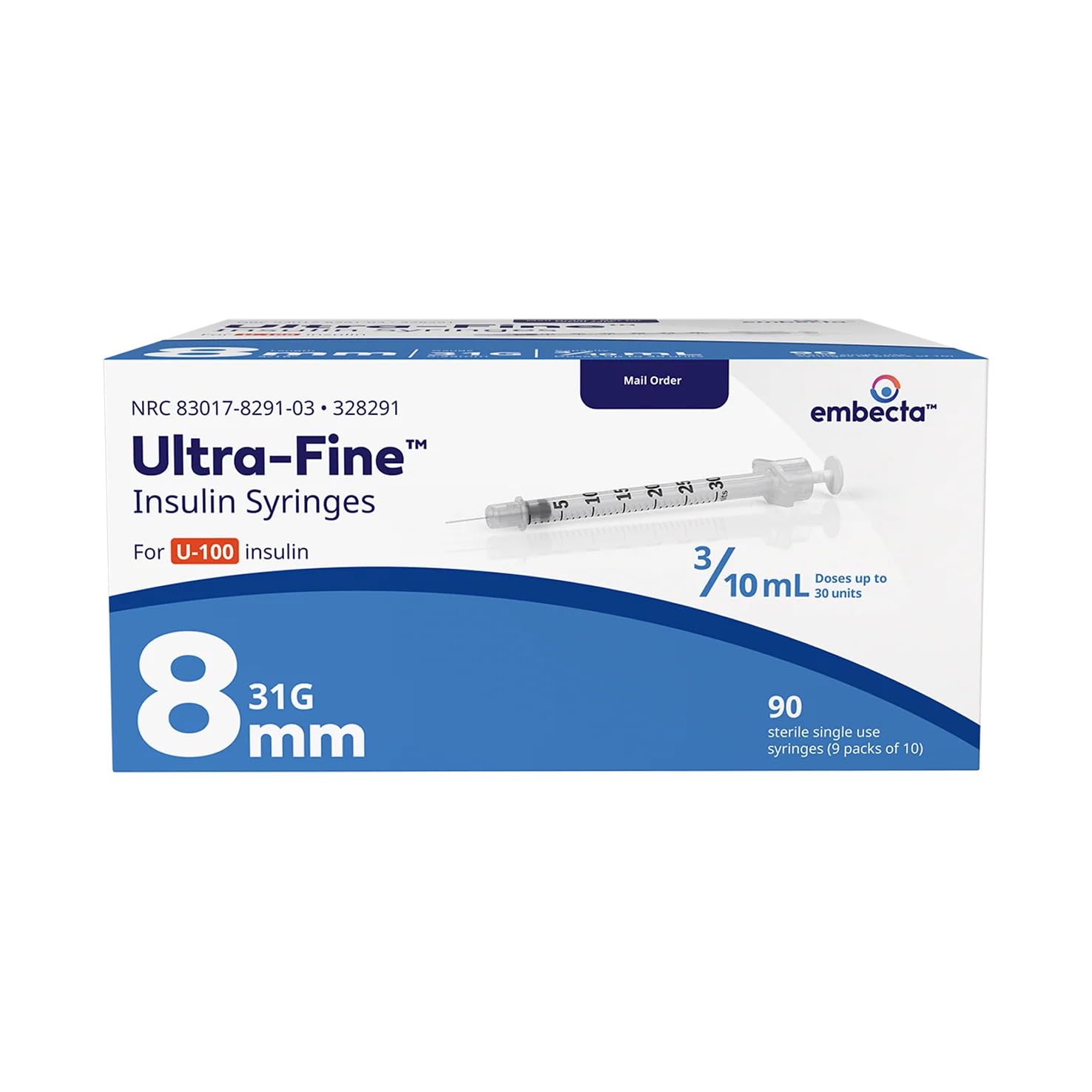
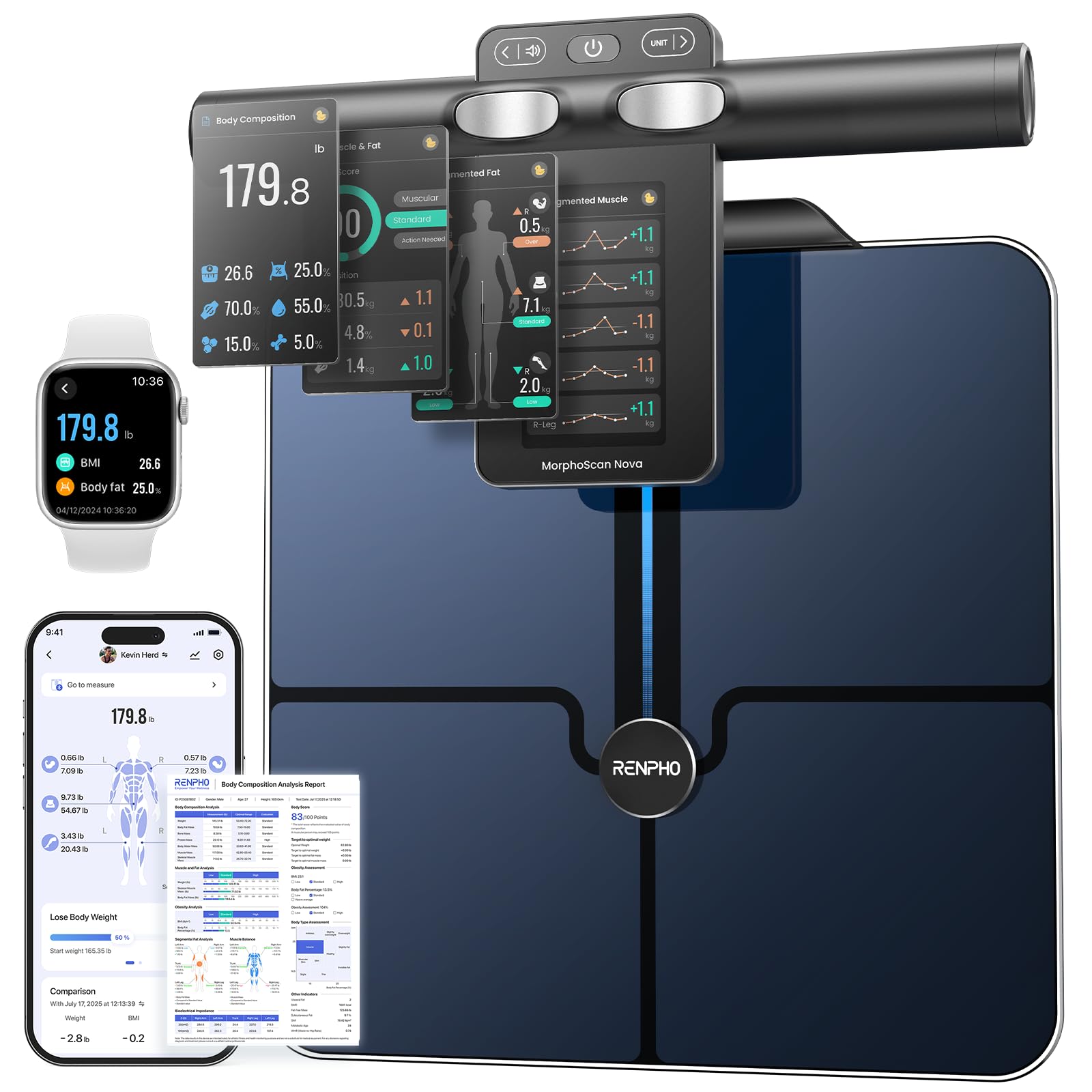
Research Supplies for SLU-PP-332
Hand-picked storage, injection, and recovery supplies paired with SLU-PP-332 protocols.
As an Amazon Associate, The Peptide Catalog earns from qualifying purchases.
Full catalog →References
- Billon C, et al. Synthetic ERRα/β/γ agonist induces an ERRα-dependent acute aerobic exercise response and enhances exercise capacity. ACS Chem Biol. 2023. PMID: 36988910.
- Billon C, et al. A synthetic ERR agonist alleviates metabolic syndrome. J Pharmacol Exp Ther. 2024. PMID: 37739806.
- Xu W, et al. Novel pan-ERR agonists ameliorate heart failure through enhancing cardiac fatty acid metabolism and mitochondrial function. Circulation. 2023. PMID: 37961903.
- Tripathi M, et al. Estrogen-related receptor alpha and mitochondria: tale of the titans. J Biomed Res. 2014. PMID: 25222219.
This article is for educational and informational purposes only. It is not medical advice and should not be used to diagnose, treat, or prevent any condition. Consult a licensed healthcare provider before using any peptide or research compound.