Vilon (KE, Lys-Glu) is a synthetic dipeptide from the Khavinson peptide-bioregulator family — a short-peptide analog associated with the Thymalin thymus extract and studied as an immune modulator and claimed geroprotector. Its safety story is unusual and worth stating plainly: the originators describe the whole bioregulator family as producing "practically no side effects," but that claim rests on a small body of preclinical animal and cell-culture work from a single Russian research lineage (PMIDs 10944717, 11785104, 23486604, 15105581), not on independently audited human safety data. Near-zero third-party Western replication exists.
Research-context information only. Vilon is a research peptide. Protocols, doses, and reactions reported below come from published research and self-reported community sources. This article reports what has been documented, not what should be done. Consult a licensed physician for personal medical decisions.
That gap between a confident manufacturer claim and a nearly empty independent-evidence base is the single most important thing to understand before reading any Vilon safety summary. This article walks through what the originators' research reports, why a reviewer would treat "practically no side effects" cautiously, and the research-chemical supply-side risks that no efficacy study measures.
What the Vilon Evidence Actually Shows
The published Vilon record is thin and preclinical. Khavinson-group studies span animal models (immune function and lifespan/geroprotection experiments), cell-culture work, and gene-expression profiling (PMIDs 10944717, 11785104, 23486604, 15105581). Across these studies, the reported tolerability picture is essentially blank — adverse events were not a documented finding.
A reviewer would note the limits that "blank" carries:
It is not the same as a clean human safety record. Preclinical animal and in-vitro studies are not designed to characterize human adverse events. Absence of reported effects in that setting is weak evidence of safety in people.
Single-source, uncontrolled, single-group. The originators' "practically no side effects" framing describes their own uncontrolled observations — not blinded, controlled, independently audited pharmacovigilance.
No Western replication. Independent trial data on synthetic Vilon (KE) is near-zero, so no outside group has confirmed the tolerability claim.
Extract versus synthetic. Much of the Khavinson family's clinical reputation belongs to the tissue-extract parent compounds — for the immune claims, the Thymalin thymus extract — not the synthetic research-chemical dipeptides sold today. Extract safety data does not automatically transfer to the synthetic.
The honest summary: the reported side-effect count is low because the independent human evidence needed to find side effects barely exists. That is a data-absence, not a safety guarantee. Vilon is not FDA-approved for any indication.
20mg · sold research-use-only · we may earn a commission
The Originators' "Practically No Side Effects" Claim — and Its Limits
The peptide-bioregulator literature from the Khavinson group repeatedly describes these compounds as non-toxic and well-tolerated at the studied doses. Taken at face value, that is a reassuring headline. Taken by a reviewer, it carries three qualifiers worth holding onto:
The claim is a manufacturer / originator observation, not an independent finding. Uncontrolled single-group use is the weakest tier of safety evidence.
The doses and populations in the underlying studies were narrow and preclinical. They do not describe healthy adults self-administering a research-chemical version subcutaneously.
"Practically no side effects" is a phrasing pattern common across the entire bioregulator family. It reflects a consistent research posture more than compound-specific human pharmacovigilance.
None of that means Vilon is dangerous. It means the confident safety language should be read as unverified rather than settled.
Reported and Community-Described Effects
Note on labeling: the events below are drawn from general research-peptide community discussion of subcutaneous bioregulator use, not from the Khavinson group's published Vilon research. Vilon-specific community data is sparser than for higher-profile peptides.
Injection-site reactions
The most consistent community feedback for subcutaneous bioregulator use is mild redness, itching, or tenderness at the injection site, typically short-lived. Self-reported community sources describe smaller injection volumes and site rotation as factors that reduce reaction frequency.
Transient fatigue or "flatness"
Community reports occasionally describe a brief muted or low-energy window in the first few doses of a cycle. These reports are sparse for Vilon specifically and are not characterized in any controlled study.
Headache
Self-reported community timelines sometimes describe a mild early-cycle headache. As with the other effects, this is anecdotal community signal, not trial-documented data.
These effects are reported inconsistently and at low frequency in community sources. The larger safety issue for a research chemical like Vilon is not the molecule's own reactions — it is the supply chain, covered next.
Research-Chemical Risks the Safety Claim Doesn't Cover
This is the part the "practically no side effects" framing says nothing about. The originators' claim describes the molecule under controlled study conditions. It does not describe what actually reaches a buyer: a non-pharmaceutical-grade product from an unregulated supply chain. Research-chemical injectables carry documented category risks independent of the specific peptide:
Non-pharmaceutical-grade production. Research peptides are labeled "not for human consumption" and are manufactured outside FDA drug-quality controls. Purity, identity, and consistency are not guaranteed.
Sterility, endotoxin, and contamination. Non-sterile or endotoxin-contaminated vials are a known research-chemical risk. Injecting them can cause fever, systemic inflammatory reactions, or infection — risks that have nothing to do with the peptide's own pharmacology.
Mislabeling, wrong sequence, and underdosing. Independent testing of research peptides has repeatedly found vials that are underdosed, contain a different sequence, or contain little active peptide at all. Because Vilon has near-zero independent characterization, a wrong or degraded product is especially hard to detect by effect alone.
Injection and infection risk. Any self-administered subcutaneous injection carries a baseline risk of local infection, abscess, or injection-site damage from technique or non-sterile handling.
Unknown long-term effects. There is no long-term human safety data on synthetic Vilon. The multi-year consequences of repeated use are uncharacterized.
A theoretical, unquantified mechanism concern. Vilon is described as an immune-modulating peptide and a claimed geroprotector, and the Khavinson group proposes these short peptides act by modulating gene expression. If those mechanisms are real, the long-term implications of sustained immune modulation and gene-expression modulation — including any effect on cell proliferation — are unstudied in humans and therefore unquantified. This is a theoretical concern flagged by the mechanism itself, not an observed adverse event.
Community sources describe third-party Certificate of Analysis (COA) testing — checking a vendor's independent purity and identity results — as the main practical check against the supply-side risks above. That is a described community practice, not a guarantee of safety.
Bac Water Made for Peptides
Don't risk a $300 peptide on generic bac water.
Most cloudy reconstitutions trace back to one thing — and it isn't the peptide. Sterile, non-pyrogenic, 0.9% benzyl alcohol — formulated for peptide reconstitution, not repackaged from generic stock.
✓ 0.9% benzyl alcohol✓ Made for peptides✓ 30 mL multi-dose
Because there is no controlled trial defining Vilon discontinuation criteria, the framework below reflects patterns community sources describe — not clinical guidance and not instructions.
Self-reported community sources describe pausing or seeking medical evaluation in scenarios that point to a contaminated, mislabeled, or reaction-causing product rather than to the molecule itself:
Fever, chills, or systemic symptoms after injection — a documented sign of a possible endotoxin or sterility problem with a vial.
Spreading redness, warmth, streaking, or pus at the injection site — documented signs of injection-site infection warranting medical evaluation.
Injection-site reactions that persist despite site rotation.
Any allergic-type reaction — swelling, widespread rash, difficulty breathing — which is a medical emergency for any injectable.
Completing a short cycle to assess off-cycle effects, the most-cited non-adverse reason community sources describe pausing. The short-course convention is a hallmark of how the bioregulator family is used.
The consistent theme in community discussion is that Vilon's real-world risk sits in the product and the injection, not in a well-characterized pharmacology — precisely because that pharmacology has never been well characterized in humans.
How Extract-vs-Synthetic Changes the Safety Reading
A final framing point that reviewers raise: the Khavinson family's clinical reputation rests heavily on the original tissue-extract compounds studied in Russia, while the products sold today are synthetic short-peptide analogs. Vilon is the synthetic KE (Lys-Glu) dipeptide, a synthetic stand-in associated with the Thymalin thymus extract. Safety and tolerability observations recorded for an extract do not automatically apply to a synthetic research chemical produced by a different process in an unregulated supply chain. Any Vilon safety claim that leans on decades of "bioregulator" use is quietly importing extract-era data onto a synthetic product — a substitution a careful reader should notice, and a sharper one here because the immune claims trace to a whole-tissue thymus extract rather than to a two-amino-acid peptide.
Core Supplies for This Protocol
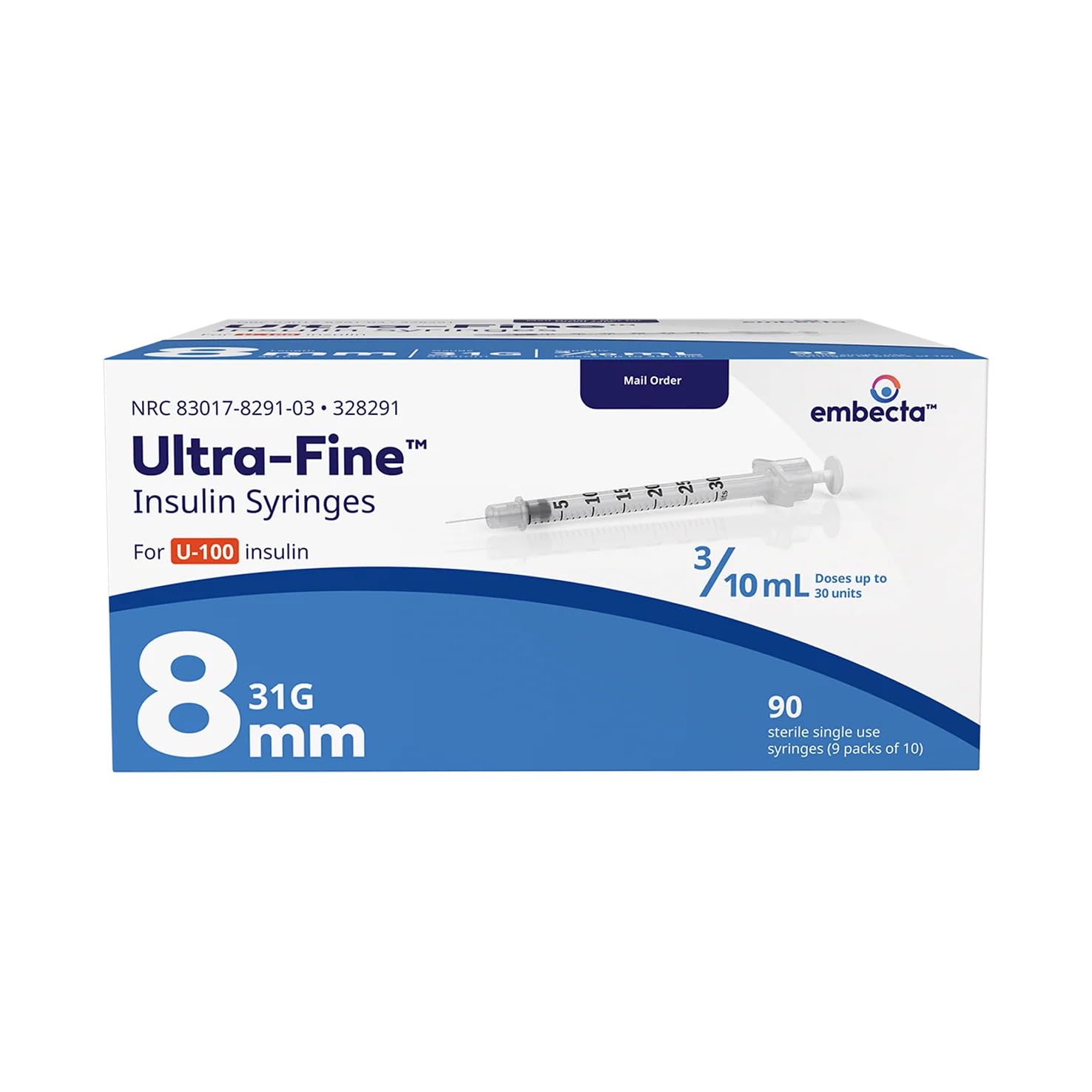
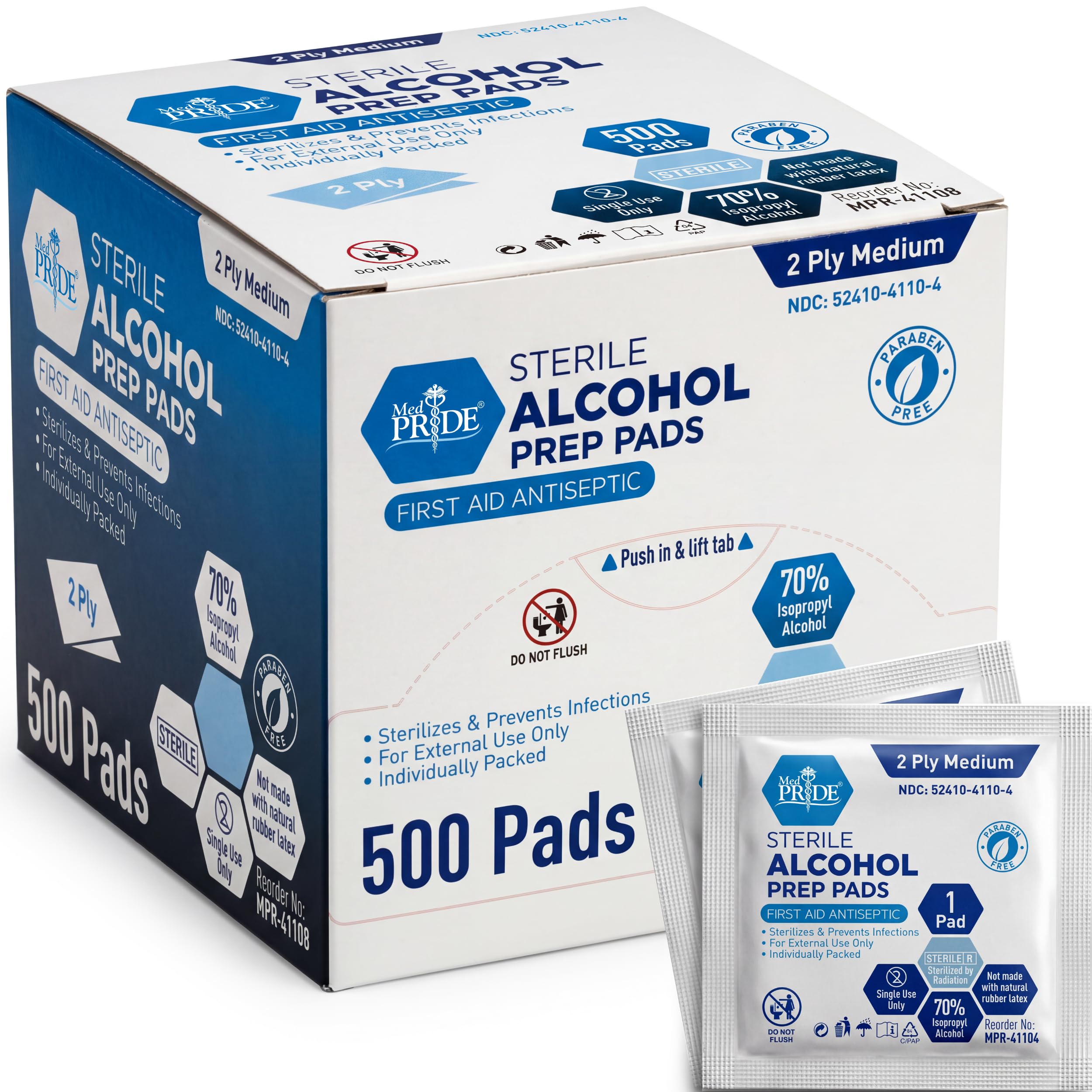
The essentials for running any reconstituted injectable: cold storage, accurate syringes, alcohol prep pads, and metabolic tracking.
What side effects has Vilon research actually reported?
Almost none — but that reflects how little data exists. The Vilon safety record comes from a small set of Khavinson-group preclinical studies in animals and cell culture (PMIDs 10944717, 11785104, 23486604, 15105581), not from controlled human safety trials. The originators describe the peptide-bioregulator family as producing practically no side effects, but that is an uncontrolled single-group observation, not independently audited pharmacovigilance.
Has Vilon been studied in Western clinical trials?
No. There is essentially no independent Western safety data on synthetic Vilon (KE, Lys-Glu). The published record is preclinical and largely Russian-language, from a single research lineage. Near-zero third-party replication means the real-world adverse-event profile in humans has not been characterized.
What research-chemical risks does the safety claim not cover?
The originators' low-side-effect claim describes the molecule under controlled study conditions. It says nothing about the research-chemical supply chain: non-pharmaceutical-grade production, sterility and endotoxin exposure, contamination, and mislabeled, wrong-sequence, or underdosed vials. Community sources describe third-party COA testing as the main check against these supply-side risks.
Does Vilon's immune and gene-expression mechanism raise safety questions?
Vilon is described as an immune-modulating dipeptide, and the Khavinson group proposes these short peptides work by modulating gene expression. Both mechanisms, if real, carry theoretical and unquantified long-term implications — including how an immunomodulator and a claimed geroprotector might influence cell proliferation over years of use — that have not been studied in humans.
When do community sources describe pausing Vilon?
Community reports describe pausing primarily when injection-site reactions persist, when signs of a contaminated or mislabeled vial appear (fever, spreading redness, systemic symptoms after injection), or after completing a short cycle to assess off-cycle effects. These are community patterns, not clinical guidelines.
For educational and research purposes only. This is not medical advice. Vilon is not FDA-approved for any indication. Consult a healthcare provider before use.