4. Sleep optimization — the highest-yield non-pharmacological lever
Best for: every user before adding any supplement or peptide.
Published research describes sleep — particularly slow-wave sleep — as the period when the brain clears metabolic waste, consolidates memory, and repairs neural circuits. Trial data describe sustained sleep durations below 7 hours as associated with measurable cognitive decline across attention, memory, and executive function. Trials in shift workers and sleep-restricted subjects consistently reported cognitive performance recovering only after sleep duration and timing were restored.
Community sources commonly describe sleep regularization as the highest-yield, lowest-cost intervention for brain fog. Self-reported community feedback consistently describes peptide and supplement effects as substantially blunted in users who are sleep-deprived — meaning the foundation matters more than what is layered on top of it.
5. Aerobic exercise — the BDNF-elevation lever
Best for: sedentary users with brain fog, before or alongside any supplement.
Published research describes aerobic exercise as the most potent non-pharmacological BDNF-elevation lever available. Trial data describe 30 minutes of moderate-intensity aerobic exercise as acutely raising BDNF levels, with chronic regular exercise elevating baseline BDNF over time. BDNF is the protein published research describes as driving synaptic plasticity, new connection formation, and neuronal survival.
Community sources commonly describe exercise as the cheapest intervention with the largest cognitive return on investment — and as a co-factor that the peptide nootropics layer on top of. Self-reported community feedback consistently describes the cognitive effect of any nootropic as larger in regularly-exercising users than sedentary users.
6. Diet and blood-sugar regulation
Best for: users with post-meal brain fog or blood-sugar variability.
Published research describes blood-sugar variability as a measurable contributor to acute cognitive performance. Trial data describe high-glycemic meals as producing measurable cognitive decline within 90 minutes of consumption. Stable blood sugar through protein-forward meals, adequate fiber, and reduced refined-carbohydrate intake removes a documented source of brain fog in subjects with reactive hypoglycemia or insulin resistance.
Community reports cluster around protein-forward meals (≥30 g protein), pre-meal fiber, and avoidance of refined-carbohydrate breakfasts as the changes most associated with reduced post-meal fog. Self-reported community feedback describes this as a foundational lever, not a primary brain-fog tool on its own.
7. Caffeine and L-theanine
Best for: users wanting acute alertness without the jitter profile of caffeine alone.
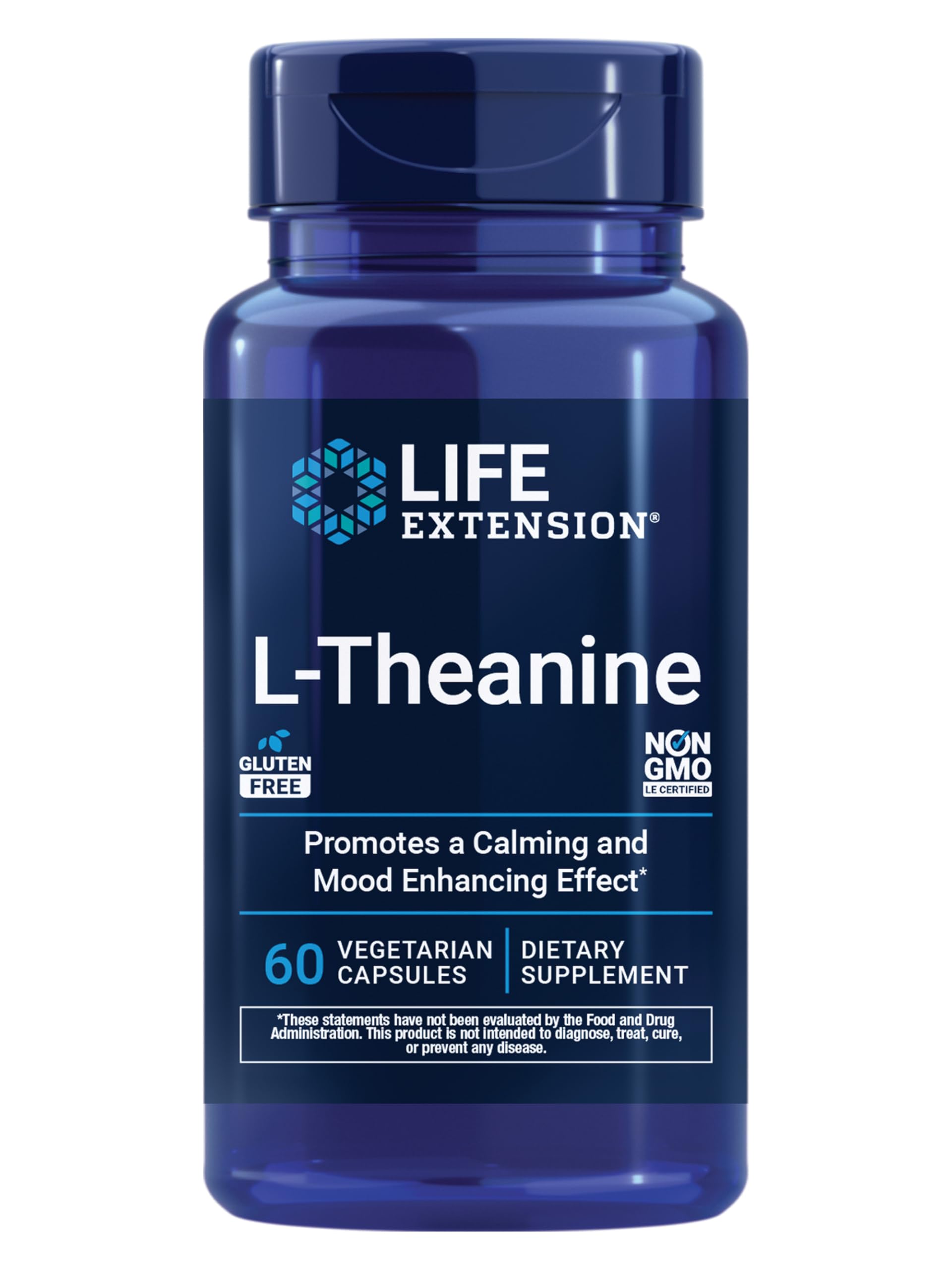
Caffeine produces measurable acute alertness through adenosine-receptor blockade in trial data. Tolerance is described in published research as building within 1-2 weeks of regular use. The combination with L-theanine — an amino acid in green tea — has trial data describing reduced anxiety and jitter alongside the caffeine alertness effect. Community reports commonly describe the combination as smoother acute focus than caffeine alone.
The trade-offs trial data describe are real: caffeine impairs sleep quality (even when consumed 6+ hours before bed in published research), which trial-and-community sources describe as feeding back into the brain fog the stimulant was taken to address. Community sources commonly describe caffeine as a short-term tool rather than a fix.
8. Lion's mane mushroom
Best for: users wanting an over-the-counter compound with a plausible NGF mechanism.
Lion's mane (Hericium erinaceus) has preclinical research describing nerve growth factor stimulation in vitro and in animal models. Human cognitive-trial data is limited — a small Japanese trial reported improved cognitive function scores in older adults with mild cognitive impairment after 16 weeks of supplementation, with effects diminishing after discontinuation. Published research describes the human evidence as preliminary.
Community reports on lion's mane are mixed. Self-reported community feedback describes effects as subtle relative to peptide nootropics or even caffeine, with the best-described use case being long-term supplementation rather than acute dosing.
How Different Audiences Choose
Trial-evidence patterns and community usage map cleanly onto reader profiles. Here is how the picks above tend to break down:
Users wanting the most-evidenced peptide nootropic typically choose semax. Russian clinical trials and preclinical BDNF data describe the deepest mechanism evidence on this list, paired with a fast intranasal onset profile.
Users whose brain fog tracks with anxiety or chronic stress commonly choose selank. Trial data describe anxiolytic efficacy with a psychostimulant rather than sedative profile.
Users whose brain fog tracks with poor sleep quality commonly choose DSIP. Trial data describe slow-wave sleep architecture as the targeted mechanism.
Users not ready for research peptides are described in trial-and-community sources as bound by the foundational levers: sleep regularization (>7 hours, consistent timing), aerobic exercise (BDNF elevation), and blood-sugar-stable nutrition. Community sources commonly describe these as the highest-yield, lowest-cost interventions.
Users wanting acute alertness for time-bounded work commonly use caffeine + L-theanine. Tolerance and sleep-quality feedback are the consistent trade-offs trial-and-community sources describe.
Users wanting a long-term over-the-counter compound commonly try lion's mane mushroom, with the understanding that human cognitive-trial data is preliminary and self-reported effects are subtle.
For users wanting the broader cognitive-peptide landscape, see Best Peptides for Brain Health. For the head-to-head between the two most-described peptide nootropics, see Selank vs Semax.
What Trial and Community Data Describe as Signals of Effect
Three signals appear consistently in published research and community sources, in this order:
Days 1-7: Acute clarity and anxiety shifts. Self-reported community timelines on semax describe noticeable clarity within 30-60 minutes of intranasal dosing. Selank reports describe reduced background anxiety within the first day. DSIP reports describe deeper sleep within the first dose. Trial data describe acute cognitive effects in similar windows in published Russian clinical research. Community guidance treats absence of any acute shift in the first week as a flag for product-quality issues.
Weeks 2-4: Cumulative effects. Trial protocols and community sources both describe cumulative benefit on peptide nootropics during 2-4 week cycles. Self-reported community timelines describe focus, memory, and resilience to mental fatigue building gradually rather than peaking after the first dose. Cycling protocols (2-4 weeks on, 1-2 weeks off) are the documented community pattern.
Weeks 4-12: Foundational outcomes. Sleep regularization, exercise consistency, and stable blood sugar are what trial-and-community sources describe as the substrate that determines whether the peptide layer produces a real benefit or a marginal one. Community reports cluster around peptide effects feeling 2-3x larger in users with locked-in sleep and exercise than in sleep-deprived sedentary users. Trial data does not support claims of peptide nootropics overriding the cognitive cost of sustained sleep deprivation.
Running peptide nootropics without addressing sleep, exercise, and nutrition is what trial-and-community sources both describe as buying a smaller-than-possible result. Foundation-first is the documented pattern.