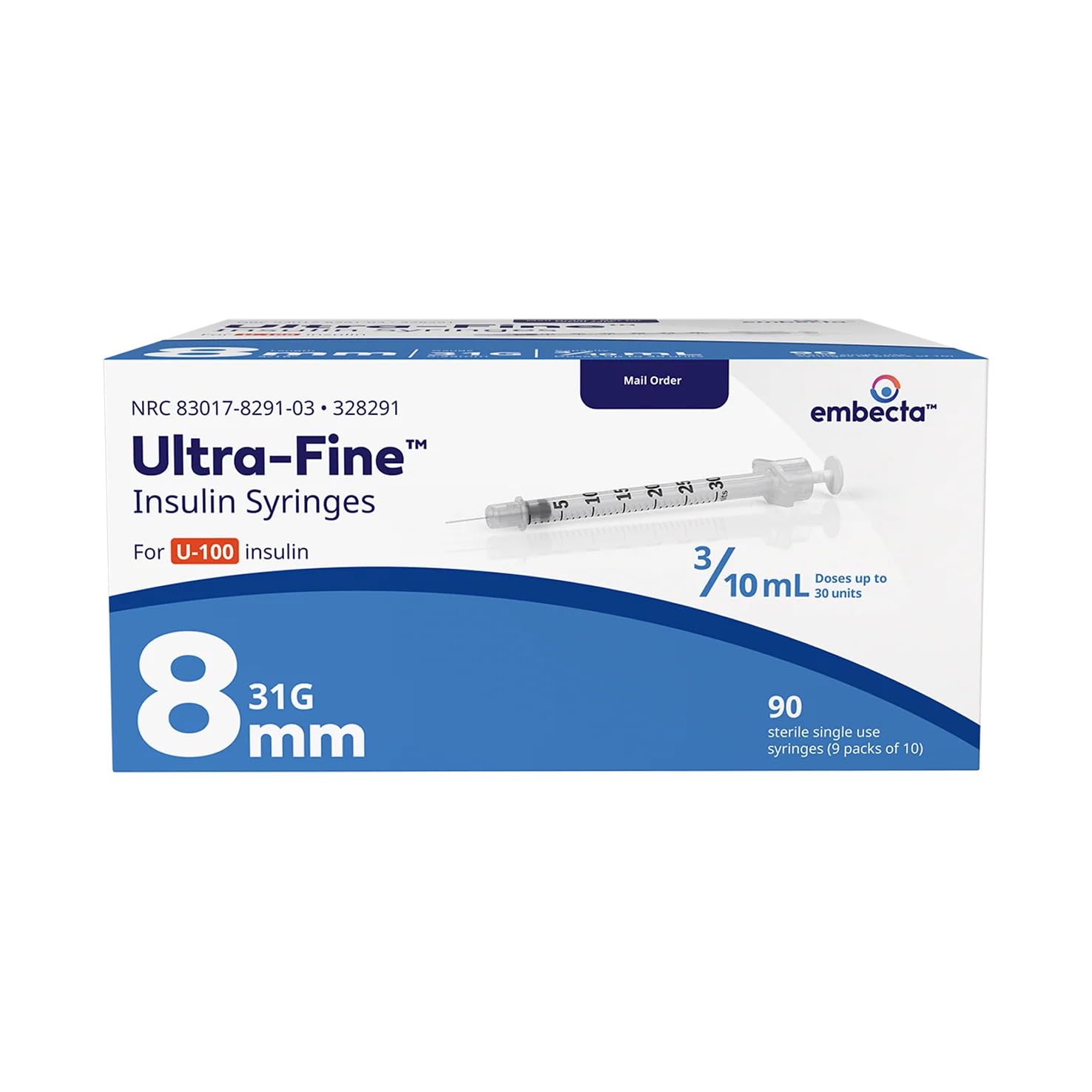
5-amino-1MQ is a small-molecule NNMT inhibitor developed in academic research labs and tested extensively in rodent models for obesity and metabolic disease. The published preclinical work (Neelakantan et al., referenced via PMC5826726) reported clean safety at 20 mg/kg subcutaneous in mice over 11 days. There is no published human trial. All human safety information comes from self-reported community sources for research-peptide off-label use.
Research-context information only. 5-amino-1MQ is an investigational drug not approved by the FDA. Protocols, doses, and reactions reported below come from published research and self-reported community sources. This article reports what has been documented, not what should be done. Possession or use of investigational drugs outside an authorized clinical trial may be illegal in your jurisdiction. Consult a licensed physician for personal medical decisions.
This article summarizes what the preclinical work reports, what a regulator would note about the absent human dataset, and the self-reported community adverse-event picture.
Preclinical Research Findings
The published 5-amino-1MQ dataset comes primarily from mouse models of diet-induced obesity:
- In vitro studies demonstrated NNMT inhibition in differentiated adipocytes, with reduced 1-methylnicotinamide and increased NAD+ at micromolar concentrations.
- In vivo mouse studies at 20 mg/kg subcutaneous, three injections per day for 11 days, produced reductions in body weight, white adipose mass, and adipocyte size.
- Adverse events reported — none flagged at the studied doses; food intake not significantly affected.
The dose-conversion to humans is not validated. Published mouse-to-human dose conversion factors typically apply factors of 12-15x reduction per kg; at the 20 mg/kg mouse dose, the human-equivalent dose would be approximately 1.6 mg/kg. Community sources self-report substantially lower doses.