AICAR is unusual among fitness compounds because its human safety record does not come from fitness use at all. The molecule reached large human trials only as acadesine — the pharmaceutical name for the same compound — where it was infused intravenously during heart surgery. Those trials are the best safety data available, and they document a specific, predictable set of adverse events rather than the frequency-tiered symptom list seen with well-studied peptides.
The honest starting point is that no controlled human trial has ever studied AICAR as an injected endurance or fat-loss compound. The endurance headlines trace to rodent data (Narkar 2008, PMID 18674809), not human trials. So the side effects below are drawn from the intravenous acadesine trial record plus the practical risks of research-chemical products — and the large blank space where chronic human safety data would be.
Research-context information only. AICAR is an investigational drug not approved by the FDA. Protocols, doses, and reactions reported below come from published clinical trials and self-reported community sources. This article reports what has been documented, not what should be done. Possession or use of investigational drugs outside an authorized clinical trial may be illegal in your jurisdiction. Consult a licensed physician for personal medical decisions.
Every adverse event on this page is tied to its source: intravenous acadesine cardiac trials for the metabolic and cardiovascular effects, product-quality literature for the injection risks, and the unresolved AMPK research for the cancer question. Where the human record is silent, that is stated plainly rather than filled in with rodent data.
What the Human Trial Data Actually Says
The two rigorous human datasets on this molecule are cardiac-surgery trials of intravenous acadesine. A meta-analysis of five randomized trials in roughly 4,000 coronary-bypass patients (Mangano 1997, PMID 9002496) and the definitive Phase 3 RED-CABG trial in about 3,000 patients (Newman 2012, PMID 22782417) between them define what has been documented in humans.
Two things stand out. First, RED-CABG found no clinical benefit and was stopped for futility, which is why acadesine was never approved for any indication. Second, across those trials the adverse events clustered into three documented categories:
Adverse event
What trials documented
Source context
Asymptomatic hyperuricemia
Uric-acid rises of roughly 1.6 mg/dL; controlled with allopurinol in-trial
Direct metabolic consequence — AICAR breaks down to uric acid
Transient renal impairment
Temporary rises in creatinine, reversible in the trial setting
Reported with intravenous perioperative dosing
Infusion-related hypotension
Drops in blood pressure tied to the intravenous infusion
Route-specific to IV administration
Every one of these came from intravenous dosing in a hospital setting over hours, not from the injected research-chemical protocols community sources describe. That distinction matters: the incidence and severity numbers do not transfer to a different route, a different population, and repeated dosing. There is no human trial that measured how often any of these occurs in a healthy person self-injecting AICAR.
50mg · sold research-use-only · we may earn a commission
The Documented Adverse Events, One at a Time
Hyperuricemia (Raised Uric Acid)
This is the most predictable AICAR effect because it is baked into the chemistry: AICAR is metabolized to uric acid. Acadesine cardiac-surgery trials documented asymptomatic uric-acid elevations of roughly 1.6 mg/dL, which were controlled with allopurinol in the trial protocols.
What trial data described as typical:
Asymptomatic elevation — detected on bloodwork, not felt as a symptom
Reversible; tied to active dosing rather than a lasting change
Managed in-trial with allopurinol when it occurred
Documented as most relevant to: individuals prone to gout or with a history of elevated uric acid, since a predictable urate load stacks on top of an existing tendency. Published reports frame the elevation as a metabolic consequence of the compound, not an allergic or idiosyncratic reaction.
Transient Renal Impairment (Raised Creatinine)
Acadesine trials in the perioperative setting documented transient renal impairment, seen as temporary rises in serum creatinine. In the trial context these were described as reversible. Because the data come from patients undergoing cardiac surgery — where kidney stress has multiple contributors — the trials cannot isolate how much is attributable to the compound alone in an otherwise healthy person.
What trial data described as typical:
Temporary creatinine elevation on bloodwork during dosing
Reversible in the reported trial timeframe
Documented alongside the uric-acid changes, consistent with a shared urate/renal-handling mechanism
Infusion-Related Hypotension
The acadesine trials documented infusion-related hypotension — drops in blood pressure associated with the intravenous infusion itself. This adverse event is route-specific: it is a property of pushing the drug intravenously over time in a surgical setting. Its relevance to a subcutaneous research-chemical protocol is undefined, because that route was never tested in a controlled human trial.
Injection-Site and Sterility Risks (Research-Chemical Products)
Separate from anything the acadesine trials measured, AICAR sold as a "research chemical, not for human consumption" carries the generic risks of any unregulated injectable: injection-site reactions, and contamination or sterility problems from products made outside pharmaceutical manufacturing controls. These are product-quality risks, not pharmacology of the molecule — they scale with the source, not the dose. Community sources commonly describe injection-site complaints, and note that AICAR's short half-life drives frequent dosing, which multiplies injection exposure.
Bac Water Made for Peptides50% off
Don't risk a $300 peptide on generic bac water.
Most cloudy reconstitutions trace back to one thing — and it isn't the peptide. Sterile, non-pyrogenic, 0.9% benzyl alcohol — formulated for peptide reconstitution, not repackaged from generic stock.
✓ 0.9% benzyl alcohol✓ Made for peptides✓ 30 mL multi-dose
Unlike a well-studied peptide, AICAR's most important safety issues are not a list of acute symptoms to watch — they are the places where human evidence simply does not exist. Three of them dominate.
The Long-Term Safety Blank
There is no dataset on repeated or chronic AICAR dosing in healthy people. Every human record is acute intravenous use during heart surgery. That means the long-term safety of the injected fitness-style protocols community sources describe is unknown — not "reassuringly studied and found safe," but genuinely undocumented. Reports of weeks-long self-administration come only from unregulated settings and were never tracked in a controlled trial.
The AMPK–Cancer Question (Unresolved, Two-Sided)
AICAR works by activating AMPK, and AMPK's relationship with cancer is one of the genuinely unsettled questions in the literature — and it cuts both ways. Most published AICAR cancer research describes anti-proliferative effects, with AMPK activation suppressing mTOR signaling and lipogenesis that tumors rely on. But AMPK activation can also be context-dependently pro-survival for an already-established tumor, helping it endure metabolic stress. Researchers treat this as an open question, not a proven danger and not a proven benefit. The reporting-accurate position is that no one can currently say which way it resolves in a human self-administering AICAR — which is itself a reason the compound sits outside settled safety ground.
Sport-Testing Consequences
AICAR is prohibited by the World Anti-Doping Agency at all times — both in and out of competition — under class S4 (hormone and metabolic modulators), in the AMPK-activator subsection. USADA names AICAR explicitly. This is not a health side effect, but for any tested athlete it is a certain and career-relevant consequence of use, and it applies year-round, not only on competition day.
How Community Sources Describe Limiting Exposure
Because there is no validated human protocol, there is also no trial-backed way to make AICAR "safer." The most that can be said is descriptive.
Community-reported risk-reduction patterns:
Community sources describe bloodwork monitoring of uric acid and creatinine, mirroring the two markers the acadesine trials flagged
Self-reported avoidance among individuals with gout history or existing kidney concerns, given the documented urate and renal signals
Community discussion of product-sterility and third-party testing as the dominant variable, since injection risk tracks source quality
The dosing guide covers why no validated human dose exists — the single most load-bearing safety fact about this compound
None of these is a trial-validated safeguard. They are community-reported patterns documented in unregulated settings, and they do not convert an investigational, never-approved compound into a characterized one.
Core Supplies for This Protocol
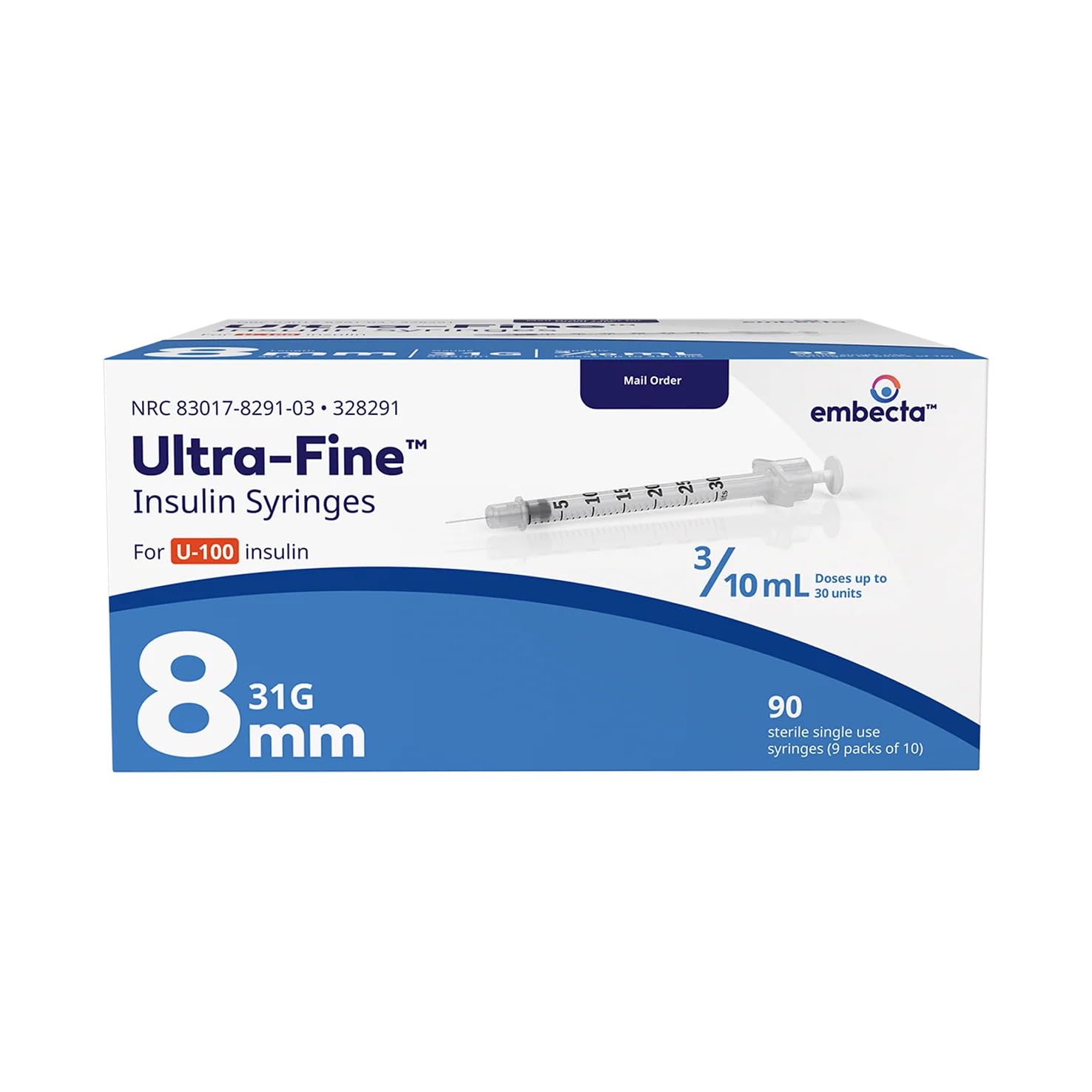
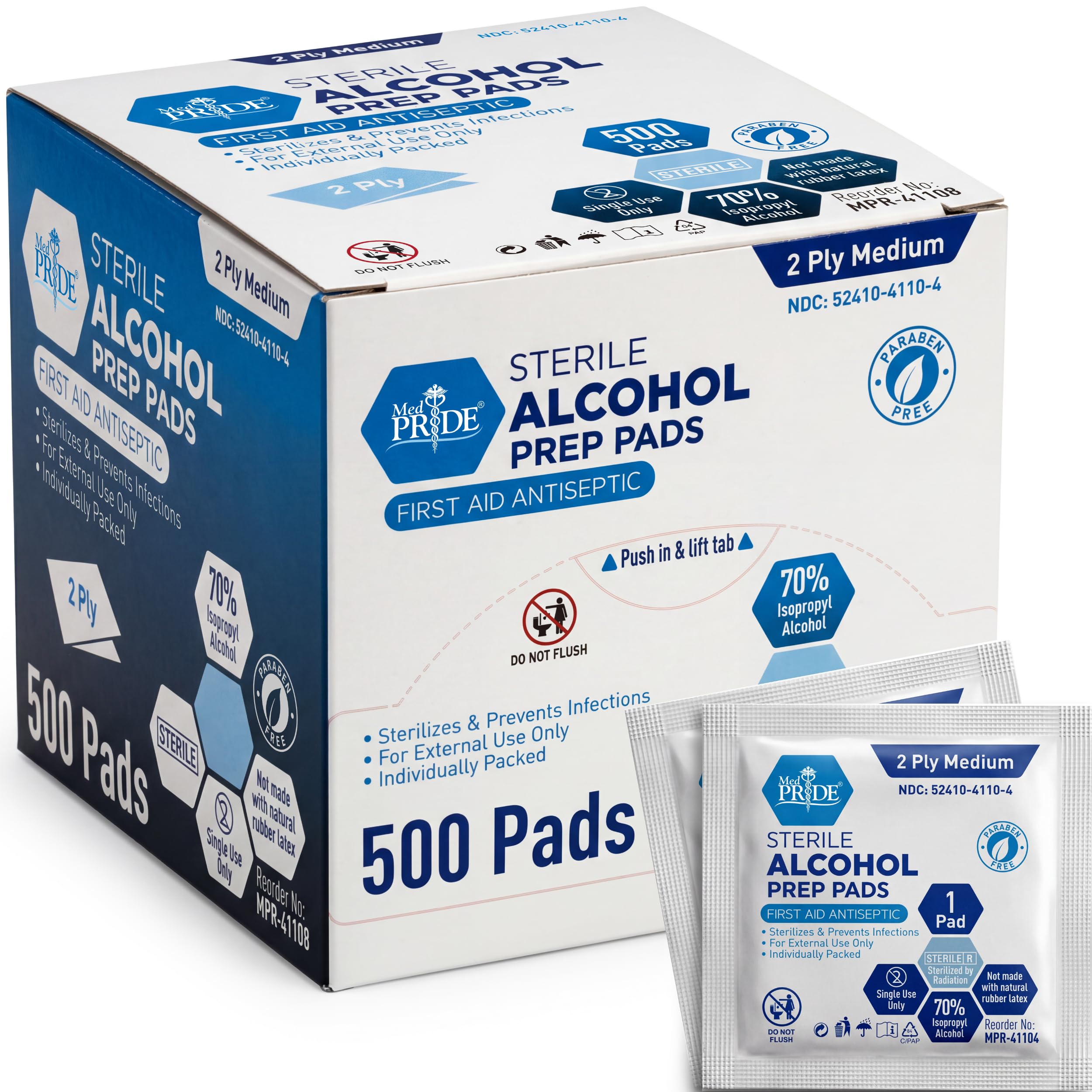
The essentials for running any reconstituted injectable: cold storage, accurate syringes, alcohol prep pads, and metabolic tracking.
What adverse events did acadesine (AICAR) human trials report?
The molecule tested in humans as acadesine — the same compound sold as AICAR — was studied mostly by intravenous infusion in cardiac-surgery trials. Those trials reported asymptomatic hyperuricemia (raised uric acid), transient renal impairment with elevated creatinine, and infusion-related hypotension. No trial evaluated AICAR as an injected fitness compound, so there is no human side-effect incidence data for that use.
What did trials report about AICAR and uric acid?
AICAR is metabolized to uric acid, and acadesine cardiac-surgery trials documented asymptomatic rises of roughly 1.6 mg/dL. The elevations were controlled with allopurinol in the trial setting. Published reports frame this as most relevant to gout-prone individuals; it is a predictable metabolic consequence of the compound rather than an idiosyncratic reaction.
What is known about AICAR's long-term safety in healthy people?
Effectively nothing. Every human dataset on the molecule comes from acute intravenous use during heart surgery. No trial has studied repeated or chronic AICAR dosing in healthy people, so long-term safety in that population is undocumented. Reports of extended self-administration come only from unregulated community sources, not controlled trials.
What did research report about AICAR and cancer?
The AMPK pathway AICAR activates has a two-sided relationship with cancer that remains unresolved in the literature. Most published AICAR cancer research describes anti-proliferative effects, but AMPK activation can be context-dependently pro-survival for established tumors. Researchers treat this as an open question, not a proven risk or a proven benefit.
For educational and research purposes only. This is not medical advice. AICAR is not FDA-approved for any indication and is prohibited in sport by WADA at all times. Consult a healthcare provider before use.