guidesJune 3, 2026·6 min read

ARA-290 Dosage: 4mg/Day Trial Protocol

Phase 2 trials used 4mg subcutaneous daily for 28 days. Full reconstitution math, syringe units, and how the dose-ranging data landed on 4mg.

ARA-290 Dosing: 4mg Daily Subcutaneous Protocol

Published Phase 2 trials used 4 mg of ARA-290 subcutaneously once daily for 28 days — the dose that produced the strongest small-nerve-fiber response in a dose-ranging study comparing 1 mg, 4 mg, and 8 mg. Below is the reconstitution math, syringe-unit conversions, and where the 4 mg figure comes from.

Research-context information only. ARA-290 (cibinetide) is an investigational drug not approved by the FDA. Protocols, doses, and reactions reported below come from published clinical trials and self-reported community sources. This article reports what has been documented, not what should be done. Possession or use of investigational drugs outside an authorized clinical trial may be illegal in your jurisdiction. Consult a licensed physician for personal medical decisions.

ARA-290 is an 11-amino-acid, EPO-derived peptide that activates the innate repair receptor to drive anti-inflammatory and tissue-protective signaling. Below: the trial-documented dose, reconstitution math, and the dose-ranging evidence that singled out 4 mg.

ARA-290 Dosing Table

Match your vial size below — reconstitution and dose math update automatically.

Reconstitute: add 1 mL of bacteriostatic water to the 10 mg vial. Resulting concentration: 10 mg/mL.
4 mg40 units · 0.4 mL
Daily SubQ
Phase 2 trial dose (28-day course)

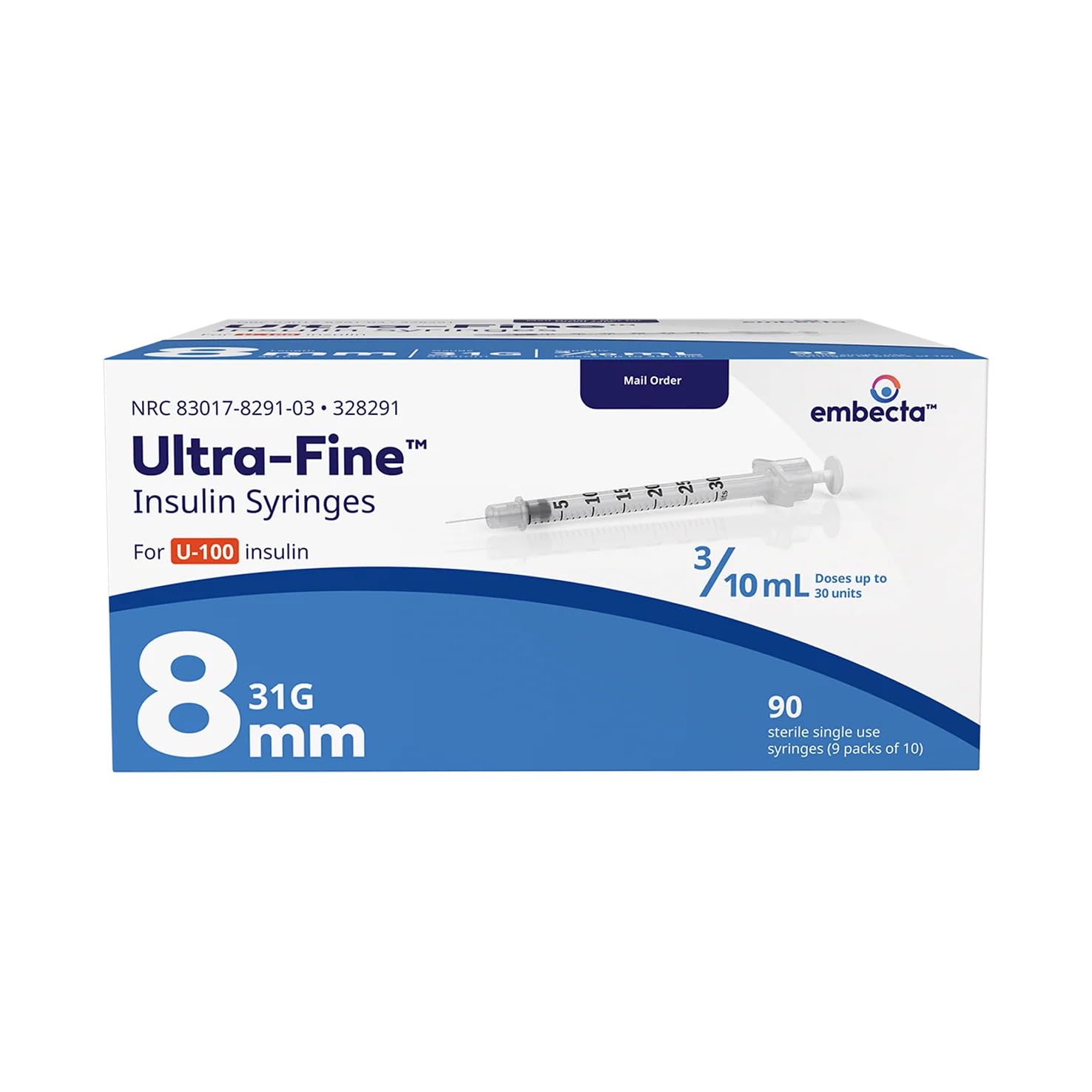
Math assumes U-100 insulin syringes (1 mL = 100 units). Verify your syringe matches before injecting. Round half-units to the nearest visible mark.

Quick Reference: Trial Protocol

Parameter Detail
Vial 10 mg
BAC Water 1 mL
Concentration 10 mg/mL
Dose 4 mg (40 units on insulin syringe)
Route Subcutaneous
Timing AM
Frequency Once daily
Course 28 days (per Phase 2 trials)
Storage Refrigerate, use within 28 days

The 4 mg/day figure is the dose used in the Phase 2 sarcoidosis and type 2 diabetes trials. For the full ARA-290 profile and vendor pricing, see our ARA-290 peptide page.

Cycling Details

The published trials ran ARA 290 as a single 28-day daily course rather than an on/off cycle. In the sarcoidosis study, investigators continued measuring symptom and corneal-nerve outcomes through 16 weeks after the start of dosing, and reported that several improvements persisted after the 28-day course ended (Dahan et al., 2013). There is no established long-term maintenance schedule in the trial literature.

Routes of Administration

Subcutaneous injection is the only route described in the ARA-290 trial literature.

  • Sites: Trial protocols used abdominal and thigh subcutaneous fat; community sources also describe upper-arm placement.
  • Volume: At the 10 mg/mL standard dilution, the 4 mg trial dose draws as 0.4 mL.
  • Rotation: Trial protocols describe rotating injection sites

Reconstitution Quick Reference

30ml bacteriostatic water vial — 0.9% benzyl alcohol multi-dose
Bac Water Made for Peptides
Don't risk a $300 peptide on generic bac water.
Most cloudy reconstitutions trace back to one thing — and it isn't the peptide. Sterile, non-pyrogenic, 0.9% benzyl alcohol — formulated for peptide reconstitution, not repackaged from generic stock.
0.9% benzyl alcohol Made for peptides 30 mL multi-dose
See why our bac water doesn't ruin peptides
Ships fast · Code thepeptidecatalog
Vial Size BAC Water Concentration 4 mg dose
10 mg 1 mL 10 mg/mL 40 units

Math: 10 mg / 1 mL = 10 mg/mL. For 4 mg: 4 / 10 = 0.4 mL = 40 units on a 100-unit insulin syringe.

Published handling protocols describe gentle swirling (not shaking). Refrigeration at 2–8 °C and use within 28 days is standard per the trial product-handling literature. For the full step-by-step walkthrough and vial-size comparisons, see the ARA-290 Reconstitution Guide.
Top ARA-290 Vendors

Ranked by price, COA availability, and reputation

1
Ascension PeptidesCOA
10/10
10mg$7.00/mg
2
Ion PeptideCOA
9.7/10
$5.90/mg
3
EZ PeptidesCOA
9.3/10
10mg$4.80/mg

Affiliate disclosure: vendor links in this article are affiliate links — The Peptide Catalog may earn a commission if you buy through them, at no additional cost to you.

Where These Numbers Come From

The 4 mg/day dose is not a community estimate — it is the dose carried through the published Phase 2 program.

ARA-290 dose draw on an insulin syringe

Dose-ranging sarcoidosis trial: A double-blind, placebo-controlled study compared 1 mg, 4 mg, and 8 mg daily subcutaneous cibinetide for 28 days in patients with painful sarcoid small-fiber neuropathy. The 4 mg dose produced the largest placebo-corrected increase in corneal nerve fiber area, with regenerating skin nerve fibers also increasing significantly at that dose (Culver et al., 2017).

Type 2 diabetes trial: A separate placebo-controlled study administered 4 mg ARA 290 daily for 28 days and reported improvements in HbA1c, lipid profile, and neuropathic symptom scores, with no safety signals (Brines et al., 2015).

Why 4 mg and not 8 mg: In the dose-ranging data, the 4 mg arm — not the higher 8 mg arm — showed the strongest nerve-fiber response, which is why 4 mg is the dose most often referenced for ARA-290.

Stacking Protocols

The ARA-290 trial literature studied the peptide as a single agent, not as part of a stack, so there are no trial-documented combinations.

Stack Rationale Notes
ARA-290 + BPC-157 Both are discussed in community sources for tissue repair via different mechanisms No clinical-trial data on the combination; community-reported only

Community sources occasionally describe pairing ARA-290 with other repair-focused peptides, but no controlled data supports any specific combination.

Side Effects & Safety

  • Injection-site reactions — the most commonly noted event in trials (mild redness or irritation)
  • No significant safety issues were reported for any treatment group across the Phase 2 sarcoidosis and diabetes trials
  • No change in hematocrit — ARA-290 was engineered to skip EPO's red-blood-cell-stimulating effect, and trials reported no meaningful rise in red cell mass
  • Limited long-term data — published exposure is largely confined to 28-day courses

ARA-290 dilution and dose-curve diagram

mg to Units Conversion

On a standard 100-unit insulin syringe, each "unit" equals 0.01 mL (100 units = 1 mL). The conversion from the 4 mg trial dose to syringe units depends on the chosen dilution.

Reconstitution A: 10 mg vial + 1 mL BAC water (10 mg/mL) — the standard dilution that keeps the 4 mg draw at a measurable 40 units.

Dose (mg) Volume (mL) Units (insulin syringe)
1 mg 0.10 mL 10 units
2 mg 0.20 mL 20 units
4 mg 0.40 mL 40 units
8 mg 0.80 mL 80 units

Reconstitution B: 10 mg vial + 2 mL BAC water (5 mg/mL) — more dilute, so the same doses draw at larger, easier-to-read volumes; the 4 mg dose lands at 80 units (the full syringe).

Dose (mg) Volume (mL) Units (insulin syringe)
1 mg 0.20 mL 20 units
2 mg 0.40 mL 40 units
4 mg 0.80 mL 80 units

These conversions reflect the dilutions documented in published reconstitution math and community sources. They report how the math is described, not a recommended dosing schedule.

Frequently Asked Questions

What dose did ARA-290 trials use?
Phase 2 trials in sarcoidosis-associated small fiber neuropathy and in type 2 diabetes administered 4 mg subcutaneously once daily for 28 days. A dose-ranging sarcoidosis study compared 1 mg, 4 mg, and 8 mg and reported the 4 mg dose produced the strongest increase in corneal nerve fiber area.
How is ARA-290 reconstituted?
A 10 mg vial reconstituted with 1 mL bacteriostatic water yields 10 mg/mL. At that concentration the 4 mg trial dose equals 0.4 mL, or 40 units on a 100-unit insulin syringe.
How long were ARA-290 trial courses?
Published Phase 2 trials administered ARA 290 daily for 28 days, with nerve-fiber and symptom changes assessed over that window and through follow-up out to 16 weeks in the sarcoidosis study.
Is ARA-290 taken by injection?
All published ARA-290 protocols describe subcutaneous injection. As a peptide it is broken down in the digestive tract, so oral administration is not used in the trial literature.

References

Citation Topic PMID
Culver DA, et al., Invest Ophthalmol Vis Sci (2017) Dose-ranging trial: cibinetide and corneal nerve fibers in sarcoidosis 28475703
Brines M, et al., Mol Med (2015) ARA 290 in type 2 diabetes — metabolic and neuropathic outcomes 25387363
Dahan A, et al., Mol Med (2013) ARA 290 in sarcoidosis-associated small nerve fiber loss 24136731

This article is for educational and informational purposes only. It is not medical advice. ARA-290 is not FDA-approved for any indication. Consult a licensed healthcare provider before using any peptide.