The clean number to remember: a 10 mg ARA-290 vial reconstituted with 1 mL of bacteriostatic water gives 10 mg/mL, where the 4 mg trial dose draws as exactly 40 units on a 100-unit insulin syringe. Most reconstitution errors happen at the syringe-math step, not the mixing step.
Research-context information only. ARA-290 (cibinetide) is an investigational drug not approved by the FDA. Protocols, doses, and reactions reported below come from published clinical trials and self-reported community sources. This article reports how reconstitution math is documented, not what should be done. Consult a licensed physician for personal medical decisions.
This guide covers the supplies, the step-by-step mixing process, and the dilution charts for ARA-290. For the dose and protocol context, see the ARA-290 dosing guide.
New to bacteriostatic water? Start with what it is, how much to use per vial, and how long it lasts — or see the full Bacteriostatic Water Guide.
What You Need
- A vial of lyophilized (freeze-dried) ARA-290 — typically 10 mg
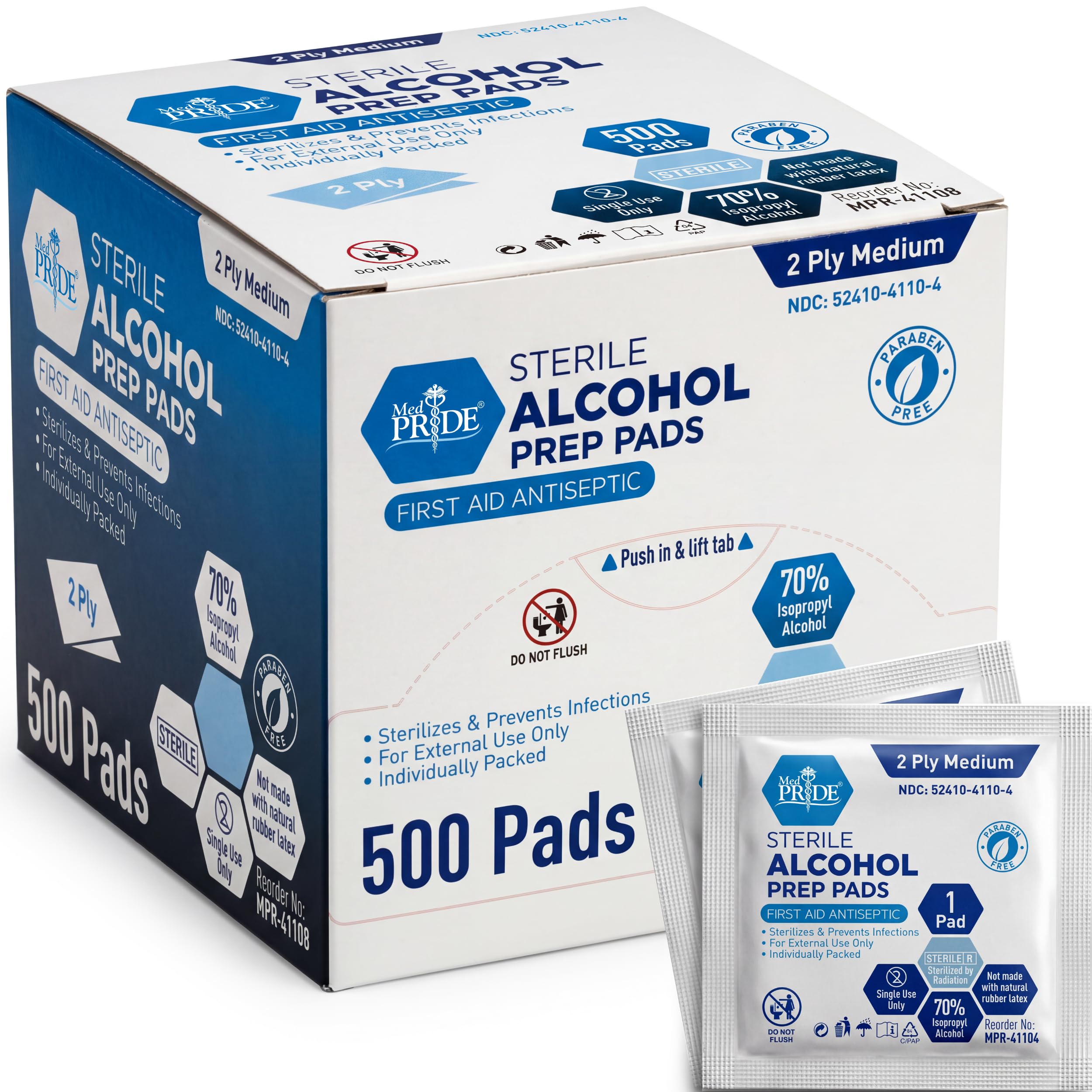
- Bacteriostatic water (0.9% benzyl alcohol)
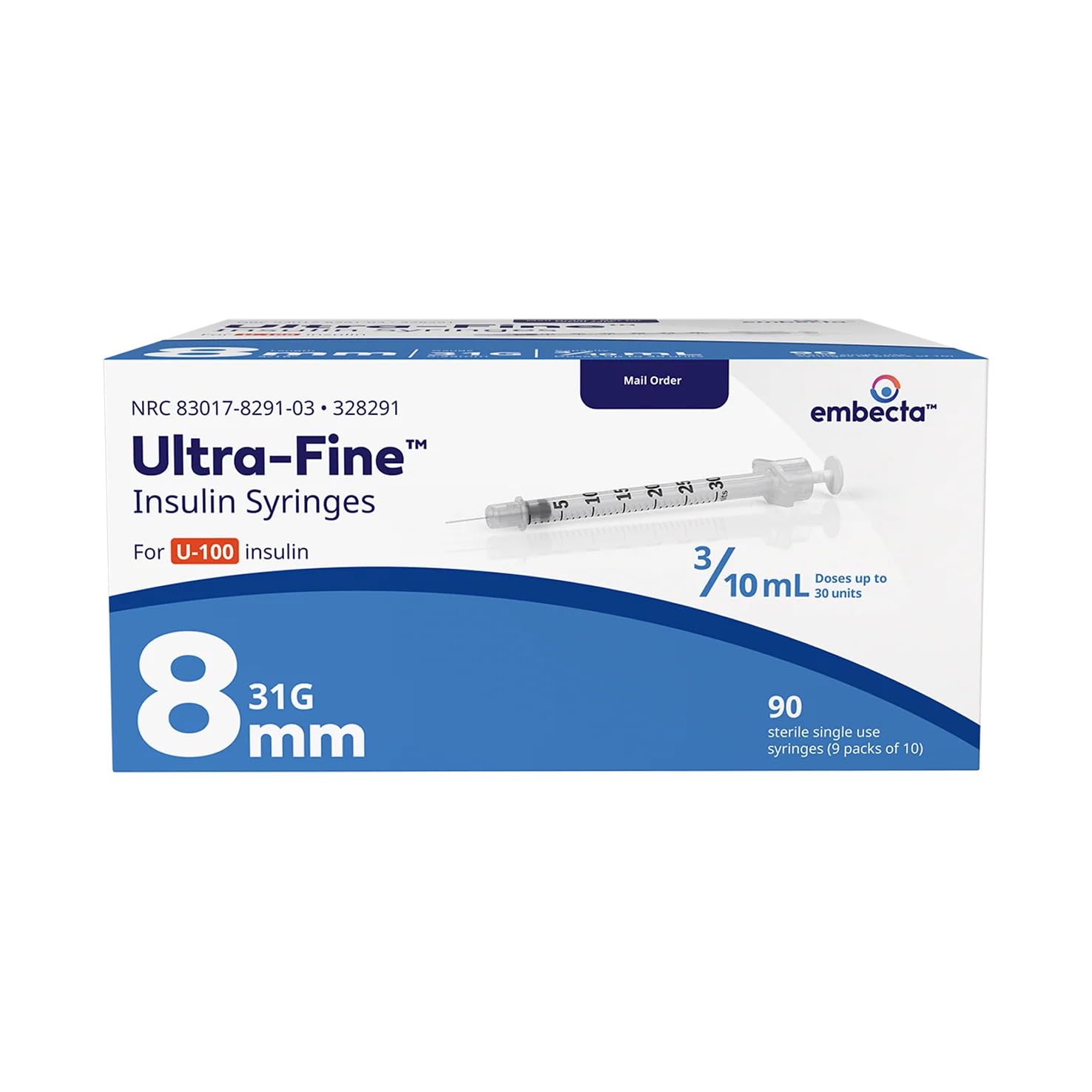
- Insulin syringes (100-unit / U-100, 29-31 gauge)
- Alcohol swabs
- A clean, flat surface

Step-by-Step Reconstitution
- Temperature preparation. Cold peptide and cold water are documented to cause condensation.
- Stopper disinfection. Both stoppers — the ARA-290 vial and the bacteriostatic water vial — are swabbed with an alcohol swab, per standard sterile practice.
- Water measurement. For the standard 10 mg/mL dilution, protocols describe drawing 1 mL (100 units) of bacteriostatic water into the syringe.
- Water addition technique. Standard practice is to insert the needle at an angle so the water runs down the inside wall of the vial — not directly onto the powder.
- Mixing method. Documented protocols describe swirling gently until the powder fully dissolves; shaking can shear the peptide.
- Visual inspection. A properly reconstituted solution is reported to be clear and free of particles.
Dilution Chart
10 mg vial + 1 mL bacteriostatic water = 10 mg/mL (the standard ARA-290 dilution):
| Dose | Volume (mL) | Units (100-unit syringe) |
|---|---|---|
| 1 mg | 0.10 mL | 10 units |
| 2 mg | 0.20 mL | 20 units |
| 4 mg (trial dose) | 0.40 mL | 40 units |
| 8 mg | 0.80 mL | 80 units |
10 mg vial + 2 mL bacteriostatic water = 5 mg/mL (more dilute — larger, easier-to-read draws):
| Dose | Volume (mL) | Units (100-unit syringe) |
|---|---|---|
| 1 mg | 0.20 mL | 20 units |
| 2 mg | 0.40 mL | 40 units |
| 4 mg (trial dose) | 0.80 mL | 80 units |
Syringe Math
The conversion is deterministic. On a U-100 insulin syringe, 1 unit = 0.01 mL.
- Concentration = vial mg ÷ bacteriostatic water mL. For 10 mg + 1 mL: 10 mg/mL.
- Volume for a dose = dose mg ÷ concentration. For a 4 mg dose: 4 ÷ 10 = 0.4 mL.
- Units = volume mL × 100. For 0.4 mL: 40 units.