Vitamin B12 (cobalamin) has one of the cleanest safety records of any widely used supplement, and that is not a marketing line — it is the conclusion of decades of human clinical use. It is water-soluble, has no established tolerable upper intake level, and excess intake is cleared by the kidneys rather than accumulating to toxic concentrations. Oral and sublingual forms are essentially non-toxic at the doses people use. The side effects that do exist are real but narrow: they cluster around injections, an idiosyncratic dermatologic reaction in a subset of people, and a clinical-monitoring window during the treatment of severe deficiency.
This article keeps the evidence separated by weight and situation. First, why the toxicity ceiling is so high and what that means in practice. Then the injection-specific reactions documented in case reports — local irritation, rare hypersensitivity, and the benign discoloration hydroxocobalamin can cause. Then the clinical-monitoring effects that appear only when severe megaloblastic anemia is being corrected, which are not general supplement risks. Finally, the most misread signal of all: the observational link between very high serum B12 and mortality, which reflects underlying disease and not B12 toxicity.
Research-context information only. Vitamin B12 is an essential nutrient available as a dietary supplement; injectable cyanocobalamin and hydroxocobalamin are also used clinically to treat deficiency. The reactions and observations reported below come from published clinical literature, case reports, and pharmacology references. This article reports what has been documented, not what should be done. Consult a licensed physician for personal medical decisions.
The order below moves from the strongest evidence to the most situation-specific: the toxicity profile first, then injection-related reactions, then the clinical-monitoring effects seen during deficiency correction, and finally a plain reading of the high-serum-B12 mortality data so it is not mistaken for an overdose risk.
Why the Toxicity Ceiling Is So High
B12 is water-soluble, which is the structural reason behind its safety. Unlike fat-soluble vitamins that accumulate in tissue, water-soluble B12 in excess is filtered and excreted by the kidneys. The Institute of Medicine did not set a tolerable upper intake level for B12, on the basis that no reliable adverse-effect threshold has been identified in healthy people consuming it orally. That is an unusual position among nutrients and reflects how few dose-dependent toxic effects the literature documents.
In practice this means oral and sublingual B12 carry essentially no toxicity at supplement doses. High-dose oral protocols — including the gram-scale doses used to treat deficiency through the passive-absorption route — are tolerated without a characteristic poisoning syndrome. The documented adverse events below are not failures of this ceiling; they are tied to the injectable route, to specific cobalamin forms, and to specific clinical situations rather than to "too much B12" in the general sense.
A note on intravenous and high-frequency use: the absence of an established upper limit is not the same as a guarantee of zero reactions. It means dose-dependent systemic toxicity has not been characterized — the reactions that do appear in the literature are reaction-type and route-type, covered next, rather than cumulative-dose toxicity.
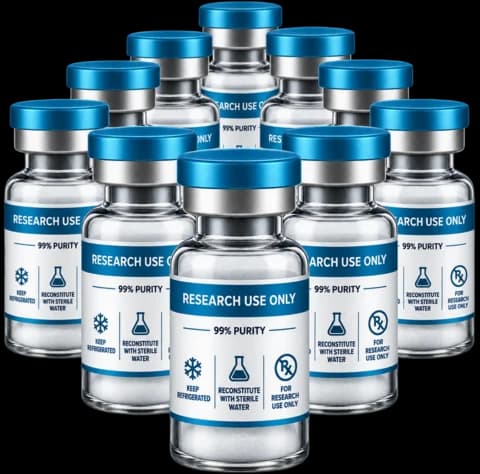
Ready to buy? The single research-grade, COA-checked B12 source we track:
Injectable B12 — cyanocobalamin or hydroxocobalamin given intramuscularly — accounts for most of the discrete adverse-event reports. The most common are local: injection-site pain, redness, swelling, or itching. These are the same site reactions seen across intramuscular injections generally and are not specific to B12.
The reaction that matters clinically, though rare, is hypersensitivity. Case reports have documented urticaria, angioedema, and frank anaphylaxis following B12 injection. A 2018 case report (PMID 29984124) described anaphylaxis after intramuscular cyanocobalamin — generalized urticaria, abdominal cramps, vomiting, tongue swelling, and breathing difficulty within minutes of the second dose. These reactions are most often associated with cyanocobalamin and with cobalt sensitivity, since cobalt sits at the center of the cobalamin molecule, though hydroxocobalamin has also been implicated in hypersensitivity reports. The literature treats these as uncommon, idiosyncratic events rather than expected effects.
Hydroxocobalamin carries one additional, benign quirk: it can cause a reddish discoloration of the skin and a red or pink discoloration of the urine. This is a pigment effect of the compound itself, documented in pharmacology references, and is not a sign of toxicity or organ injury — it reflects renal clearance of the colored molecule.
Acne and Rosacea-Like Eruptions
A distinct, well-documented reaction is dermatologic. High-dose B-vitamin supplementation has been linked in case reports to acneiform and rosacea-like facial eruptions, sometimes involving B6 alongside B12. A 2001 report (PMID 11763399) documented rosacea fulminans triggered by high-dose B6 and B12, with the eruption improving after the supplement was discontinued.
The literature frames this as an idiosyncratic reaction occurring in a subset of people rather than a universal dose effect — most users of high-dose B12 do not develop it. The mechanism is not fully characterized, and the strongest reports involve combined high-dose B6/B12 supplementation rather than B12 in isolation. As a documented pattern it is worth flagging; as a frequency it is uncommon.
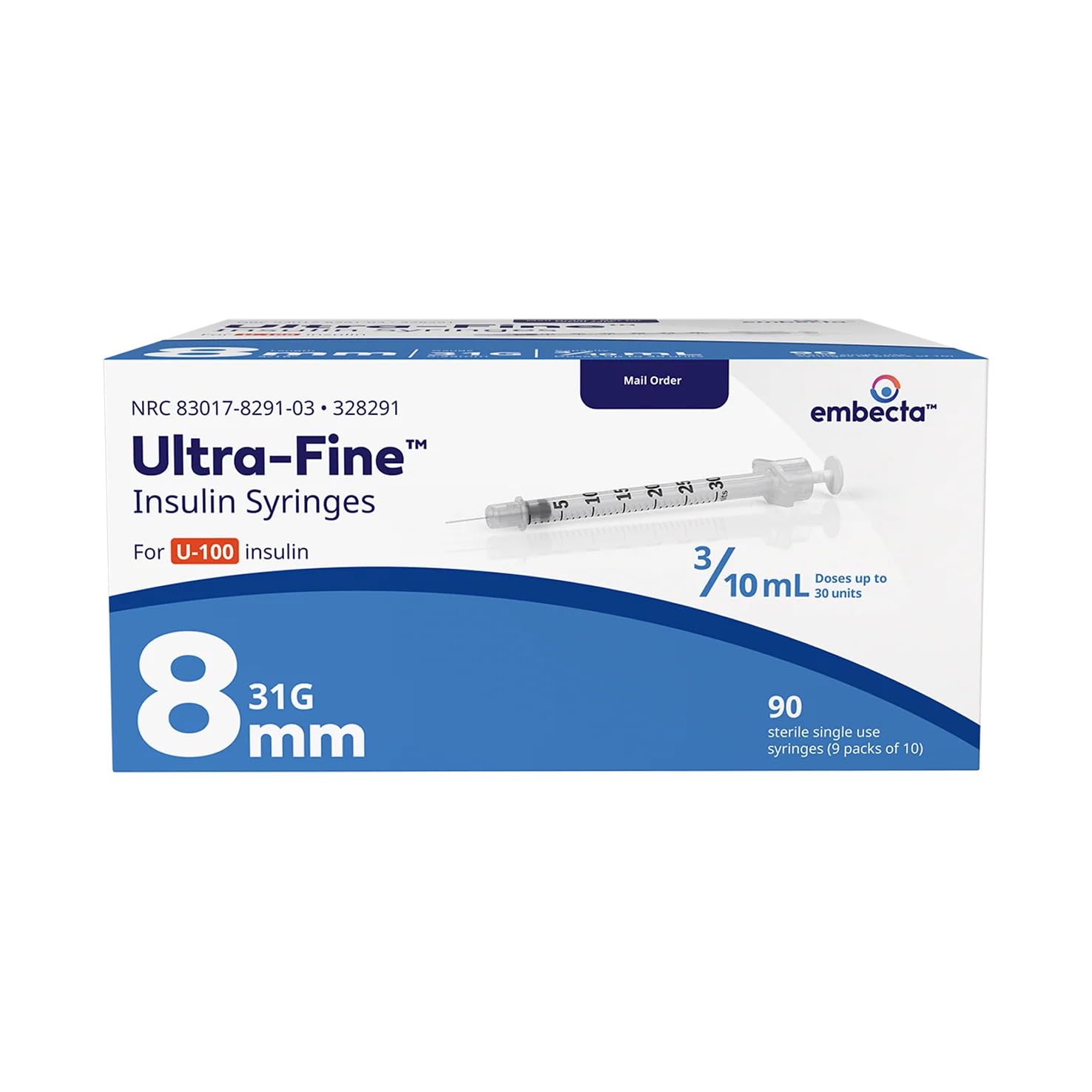
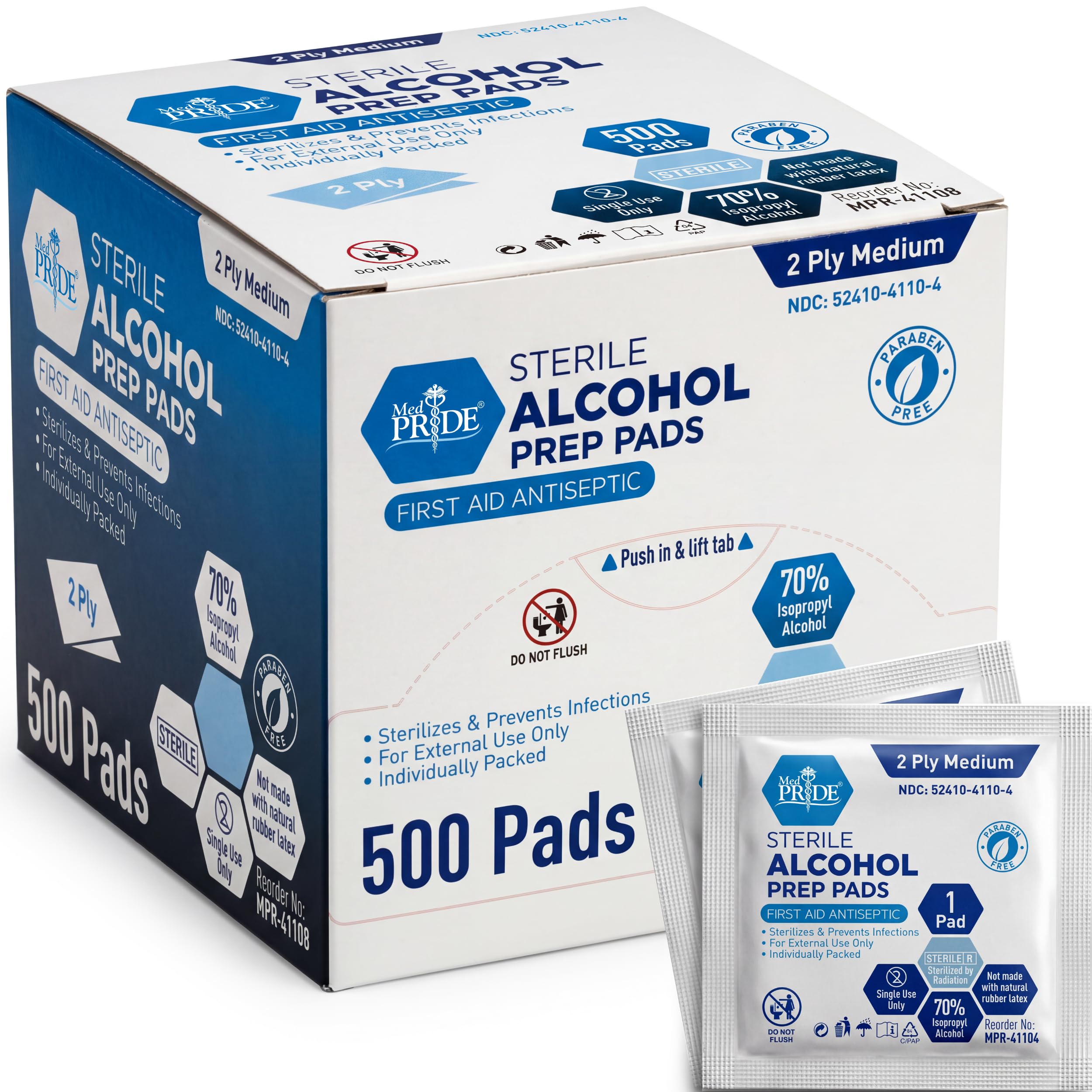
Core Supplies for This Protocol
The essentials for running any reconstituted injectable: cold storage, accurate syringes, alcohol prep pads, and metabolic tracking.
As an Amazon Associate, The Peptide Catalog earns from qualifying purchases.
Full catalog →Effects Seen Only During Severe-Deficiency Treatment
A separate category of effects belongs to clinical medicine, not to general supplementation: the early treatment phase of severe megaloblastic anemia. When a profoundly B12-deficient patient begins replacement, the bone marrow resumes rapid blood-cell production, and two laboratory shifts can follow. Serum potassium can fall — hypokalemia — as potassium moves into the newly forming cells, and a rebound thrombocytosis (a transient rise in platelet count) can appear. Clinical references flag both as monitoring points during treatment of severe deficiency, with potassium and platelet counts watched as cells regenerate.
These are not general risks of B12 supplementation. They are physiological consequences of correcting a severe deficiency state quickly, observed in a clinical population under treatment, and they belong in a "monitor during deficiency correction" frame rather than a "side effects of taking B12" frame. For someone with normal or mildly low B12 taking a supplement, they are not relevant.
There is also a form-specific clinical caution worth recording. Cyanocobalamin carries a small cyanide moiety, and in conditions tied to cyanide metabolism — Leber's hereditary optic neuropathy and tobacco amblyopia — hydroxocobalamin has been preferred over cyanocobalamin. A 1967 comparison in tobacco amblyopia (PMID 4166110) reported greater visual recovery with hydroxocobalamin than cyanocobalamin, attributed to hydroxocobalamin's ability to bind free cyanide. This is a narrow, form-specific point relevant to those specific conditions, not a general warning against cyanocobalamin.
The High-B12-Levels Signal — What It Actually Means
The most misread B12 finding is the observational association between very high serum B12 and increased mortality and cancer risk. A 2013 population-based cohort (PMID 24249744) found that elevated plasma B12, measured before diagnosis, was associated with a higher subsequent rate of cancer detection. Taken out of context, this reads as if high B12 causes harm.
The published interpretation is the opposite of a toxicity story. Elevated serum B12 in these cohorts is understood as a marker of underlying disease — liver disease, kidney disease, and some malignancies raise circulating B12 or B12-binding proteins — rather than evidence that supplementing B12 is dangerous. The disease drives the high B12 level; the high level is a flag, not the cause. This distinction matters because it is the single most common way the B12 literature gets misinterpreted: an association in sick populations being read as a supplement risk in healthy ones.
A related context point is the masking concern. High intake of folic acid can correct the anemia of B12 deficiency while neurological damage progresses unrecognized — a folate-related interaction rather than a B12 side effect. A 2024 review (PMID 38987872) examined the clinical implications of excess folic acid in the setting of B12 deficiency. It is included here as relevant context for anyone reading B12 status from bloodwork, not as a toxic effect of B12 itself.
How to Read This Safety Picture
The honest summary is that B12's documented adverse events are narrow and situational. The toxicity ceiling is high enough that no upper intake level exists; oral and sublingual forms are essentially non-toxic at supplement doses. The discrete reactions in the literature attach to the injectable route (local irritation, rare hypersensitivity, benign hydroxocobalamin discoloration), to an idiosyncratic dermatologic response in a subset of people, and to the clinical monitoring of severe-deficiency correction.
Set against that, the scariest-sounding signal — high serum B12 and mortality — is not a toxicity finding at all but a marker of underlying disease. Read accurately, the B12 safety profile is one of the most reassuring in the supplement space, with caveats that are specific rather than general.
References
| Citation |
Topic |
PMID |
| Jansen & Romiti, J Eur Acad Dermatol Venereol (2001) |
Rosacea fulminans triggered by high-dose B6 + B12 |
11763399 |
| Ullah et al., Cureus (2018) |
Anaphylaxis after intramuscular cyanocobalamin |
29984124 |
| Arendt et al., J Natl Cancer Inst (2013) |
Elevated plasma B12 as a marker for cancer (disease, not toxicity) |
24249744 |
| Chisholm et al., Lancet (1967) |
Hydroxocobalamin vs cyanocobalamin in tobacco amblyopia; cyanide moiety |
4166110 |
| Miller et al., Food Nutr Bull (2024) |
Excess folic acid masking B12 deficiency — clinical implications |
38987872 |
For educational and research purposes only. This is not medical advice. Consult a healthcare provider before use.