Dosing Guide··5 min read

Bronchogen Dosage Chart: 2mg 30-Day Course Protocol

A synthetic bronchial tetrapeptide with no validated dose. The reported 2mg, 30-day course, the 20mg vial math, and the extract-vs-synthetic caveat.

Bronchogen dosing guide

Bronchogen is a synthetic bronchial tetrapeptide (Ala-Glu-Asp-Leu, or AEDL) from the Khavinson family of peptide bioregulators, and it has no validated human dose. The community protocol lists it with the other Khavinson bioregulators on one shared protocol: a 20mg vial with 2mL of bacteriostatic water, 2mg (20 units) once daily for 30 consecutive days, then two months off, two to three times a year. Shorter 10-20 day courses at around 0.5-1mg a day are also reported — both following the Russian bioregulator "course" convention rather than continuous daily use.

Every number below comes from the community protocol, vendor labeling and other self-reported sources, not from clinical dose-finding trials. One distinction drives the whole page: the human record invoked for bronchial peptide bioregulators traces to a tissue extract, not to the synthetic Bronchogen research chemical, which is backed only by a small preclinical literature — rat obstructive-lung models and in-vitro bronchial cell studies — from its originating laboratory.

Research-context information only. Bronchogen is a research peptide. Protocols, doses, and reactions reported below come from published research and self-reported community sources. This article reports what has been documented, not what should be done. Consult a licensed physician for personal medical decisions.

Bronchogen is a synthetic short-chain bioregulator modeled on a fragment of bronchial tissue. This guide reports the reconstitution math, the course-length convention, and the provenance of those figures.

Quick Reference: Protocol

The table below reports the community protocol, other reported figures and vendor-documented figures. Because no clinical dose-finding study exists for the synthetic peptide, none of these values represent a validated protocol.

Parameter Reported value
Reported dose 2mg per administration (community protocol); ~0.5-1mg also reported; no validated human dose
Route Subcutaneous or intramuscular injection
Reported timing AM or PM (community protocol lists either)
Reported frequency Once daily across a course
Course length 30 days on, 2 months off, 2-3 times a year (community protocol); ~10-20 day courses also reported
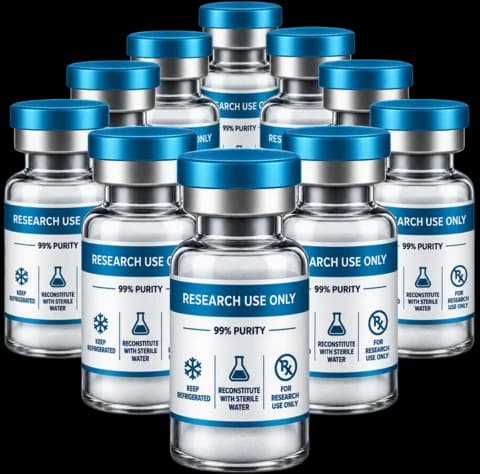
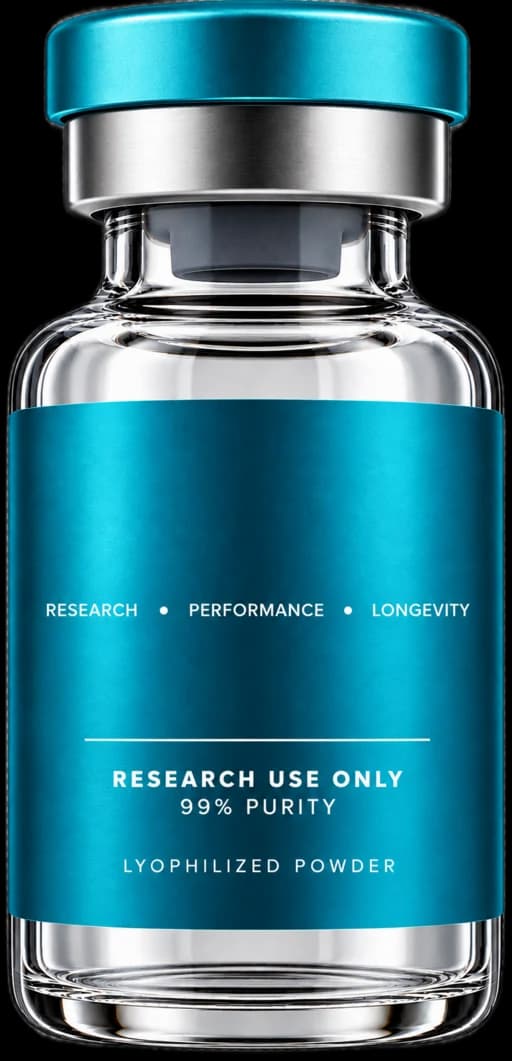
Vial size Commonly 20mg lyophilized research vials
Vials per 30-day course 60mg total, three 20mg vials
Reconstitution Bacteriostatic water → see table below
Storage Community sources describe refrigeration and use within 28 days

The 2mg figure is the shared bioregulator line in the community protocol, not a Bronchogen study. These figures describe how the community protocol and other research-chemical references document the compound, not a clinically established schedule.

Routes of Administration

Self-reported community protocols describe two injection routes for the reconstituted synthetic peptide:

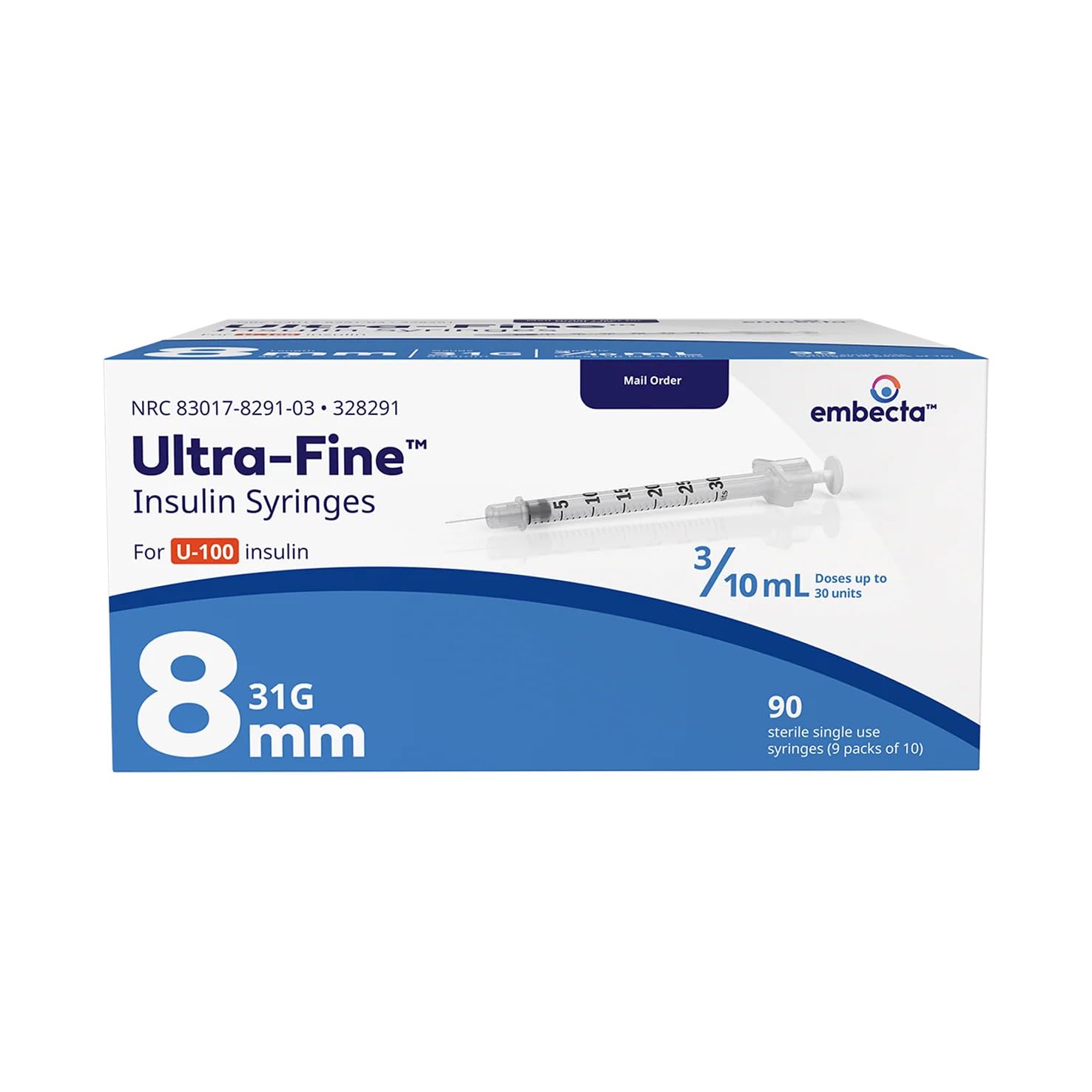
  • Subcutaneous (SC): the most commonly described route in community sources, using a small insulin syringe into subcutaneous tissue.
  • Intramuscular (IM): also reported in community references, carried over from the injectable convention historically used for the parent bronchial extract.

No route has been validated for synthetic Bronchogen. Vendors sell it labeled for laboratory research only, not for human use.

Bacteriostatic water vial — 0.9% benzyl alcohol multi-dose
Bac Water Made for Peptides
Don't risk a $300 peptide on generic bac water.
Most cloudy reconstitutions trace back to one thing — and it isn't the peptide. Sterile, non-pyrogenic, 0.9% benzyl alcohol — formulated for peptide reconstitution, not repackaged from generic stock.
✓ 0.9% benzyl alcohol✓ Made for peptides✓ 30 mL multi-dose
Shop bac water made for peptides

Reconstitution Quick Reference

Vial Size BAC Water Concentration 1mg Draw 2mg Draw
20mg 2mL 10mg/mL 0.1mL (10 units) 0.2mL (20 units)

The community-described math: a 20mg vial plus 2mL of bacteriostatic water yields 10mg/mL, so the community 2mg amount is 0.2mL, or 20 units on a U-100 insulin syringe. A 30-day course at 2mg a day totals 60mg, or three 20mg vials. Community notes describe swirling gently rather than shaking, refrigerating at 2-8°C, and discarding after 28 days.

For the full step-by-step mixing walkthrough, see our Bronchogen reconstitution guide.

Ready to buy? Compare verified vendors on our best Bronchogen sources page, or browse all coupon codes for up to 50% off.
Top Bronchogen Vendors

Ranked by price, COA availability, and reputation

1
EZ PeptidesCOA
10/10
10mg$5.80/mg
2
Swiss ChemsCOA
9/10
20mg$2.89/mg

Where These Numbers Come From

There is no clinical dose-finding trial for synthetic Bronchogen, so the figures above are not derived from established human data. The 2mg, 30-day figure is the shared bioregulator line in the community protocol, applied to the whole Khavinson family. The lower amounts and shorter courses also reported are inherited from the Russian bioregulator tradition — the short, repeatable "course" convention originally applied to injectable tissue extracts — rather than from a study that titrated the synthetic tetrapeptide in people.

The evidence that does exist for the synthetic molecule is small, preclinical, and largely from a single originating laboratory. That work reports effects in rat models of chronic obstructive and inflammatory lung injury and on bronchial epithelial cell behavior in culture (26468022; 30199201; 31808038). These are the originators' preclinical findings in animal and in-vitro systems, not settled facts, and independent Western replication is effectively absent.

The proposed mechanism is Khavinson's gene-expression hypothesis — the idea that very short peptides interact with DNA and modulate transcription in a tissue-directed way — a model demonstrated largely in vitro rather than in human tissue (25761685; 34834147). Whether it explains any effect of injected Bronchogen in people has not been established.

The most important caveat for anyone reading dosing claims: the clinical record usually invoked for bronchial peptide bioregulators belongs to the tissue extract, not to the synthetic Bronchogen research chemical. Extract and synthetic are different products with different evidence bases, and figures documented for one should not be read as validated for the other.

Stacking Protocols

Community references sometimes describe running Bronchogen alongside other Khavinson-family short peptides as part of a broader bioregulator course. These combinations are self-reported and carry no trial support.

Peptide Community-Reported Pairing Purpose (as described by community sources)
Cortagen Run in the same short course Another tissue-directed tetrapeptide bioregulator
Epitalon Sequential or overlapping courses Commonly paired in longevity-oriented community stacks

No stacking protocol for Bronchogen has been validated in humans. The pairings above report what community sources describe, not a recommended regimen.

Side Effects & Safety

  • No human safety profile has been established for synthetic Bronchogen; it is sold labeled "not for human consumption."
  • Injection-site reactions (redness, soreness) are the effects most commonly noted in self-reported community sources.
  • No controlled adverse-event data exist for the synthetic peptide, so its tolerability and long-term safety are unknown.
  • The preclinical studies cited above did not characterize a human toxicity or side-effect profile.
  • Sterile technique and reconstitution hygiene are the practical concerns most often raised in community references.

For research-chemical context and vendor considerations, see our Bronchogen buying guide.

Frequently Asked Questions

What dose of Bronchogen do community and other sources report?
There is no validated human dose. The community protocol puts all Khavinson bioregulators, Bronchogen included, on one protocol: a 20mg vial with 2mL of bacteriostatic water and 2mg (20 units) once daily for 30 consecutive days, then two months off, two to three times a year. Shorter 10-20 day courses at lower daily amounts, around 0.5-1mg, are also reported. These are reported conventions, not a clinically established protocol.
How long is a Bronchogen course, per community and other sources?
The community protocol lists a 30-day course followed by two months off, repeated two to three times a year. Shorter courses of about 10-20 days are also reported. Both follow the Russian bioregulator course-and-pause convention rather than continuous daily use. This course-and-pause pattern reflects how the bronchial tissue extract has historically been administered, not a validated schedule for the synthetic peptide.
Is the human data on Bronchogen from the synthetic peptide or the extract?
Most human data associated with bronchial peptide bioregulators belongs to the tissue extract, not to synthetic Bronchogen. The synthetic tetrapeptide (Ala-Glu-Asp-Leu) has only a small preclinical literature — rat obstructive-lung models and in-vitro bronchial cell work — with no human trials. This extract-versus-synthetic distinction matters when reading dosing claims.
How is Bronchogen reconstituted, per documented protocols?
Community reconstitution notes describe adding 2mL of bacteriostatic water to a 20mg vial for a 10mg/mL concentration, where the community 2mg amount equals 0.2mL, or 20 units on a U-100 insulin syringe, and a lower 1mg amount is 10 units. The reconstituted vial is refrigerated and typically discarded after 28 days. These figures report the math community sources document, not a recommended schedule.
What route do community sources use for Bronchogen?
Self-reported community protocols describe subcutaneous or intramuscular injection of the reconstituted synthetic peptide. No route has been validated for the synthetic research chemical, which is sold labeled for laboratory research only, not for human use.

References

  1. Bronchogen and bronchial-directed peptide activity in a rat model of obstructive lung injury. PMID 26468022
  2. Peptide bioregulator effects in experimental chronic inflammatory lung models. PMID 30199201
  3. Bronchial peptide effects on epithelial cell behavior in preclinical study. PMID 31808038
  4. Short peptides and tissue-directed gene-expression regulation (Khavinson mechanism). PMID 25761685
  5. Peptide regulation of transcription — mechanistic in-vitro evidence. PMID 34834147