Cardiogen is marketed for the heart, but its evidence is a handful of Russian cell studies. What the AEDR peptide research supports — and what it doesn't.
Cardiogen is sold as a "heart" peptide, but it is important to separate the marketing from the evidence. The actual published research behind Cardiogen is a small set of review and mechanistic papers — almost entirely from a single Russian research group — not human clinical trials. This article ranks the claimed benefits by how much real evidence sits behind each, and is honest about how little that is.
Research-context information only. Cardiogen (the AEDR tetrapeptide) is an unapproved research compound not evaluated by the FDA. Human clinical data is limited to absent; the findings below come from preclinical laboratory studies and community-reported sources. This article reports what has been documented, not what should be done. Possession or use of research compounds may be restricted in your jurisdiction. Consult a licensed physician for personal medical decisions.
Cardiogen is the synthetic tetrapeptide Ala-Glu-Asp-Arg (AEDR), part of the Khavinson family of short "peptide bioregulators." Its proposed mechanism is epigenetic — short peptides interacting with gene-regulatory regions to nudge tissue-specific gene expression in cardiac cells. The benefits below are ordered by evidence strength, which for Cardiogen means "preclinical and mechanistic at best."
Myocardial recovery / cardioprotection (in people)
Theoretical / marketing
No human data
Cardiac anti-aging / geroprotection
Mechanistic (class-level)
Khavinson 2009
Circulation / vascular support
Community-reported
No data
Cardiovascular Inflammaging — the strongest (still preclinical) evidence
The most concrete Cardiogen-relevant finding is a review-level one: a 2022 paper from the Khavinson group described the AEDR tetrapeptide among peptides that regulate the synthesis of molecules involved in inflammaging and the senescence-associated secretory phenotype (SASP) in cardiovascular-system cells (Khavinson et al., 2022). Inflammaging and SASP are mechanisms tied to cardiovascular aging, which is the hook behind Cardiogen's cardiac-support claims. But this is a proposed regulatory role summarized in a review — not a measured improvement in any tissue, animal, or person.
Cell-Penetrating Mechanism — the theory that makes the rest plausible
The whole Khavinson bioregulator idea depends on short peptides actually getting inside cells to reach gene-regulatory machinery. A 2023 paper modeled the feasibility of transporting 26 biologically active ultrashort peptides — the AEDR-class short peptides among them — through LAT and PEPT family transporters (Khavinson et al., 2023). That gives the epigenetic-signal framing a mechanistic basis: there is at least a modeled route for a peptide this small to enter cells. It remains computational and in vitro, not a demonstration that Cardiogen does anything therapeutic once inside.
Myocardial Recovery in People — theoretical, not demonstrated
This is the benefit most vendors lead with, and it is the one with the least direct evidence. There is no human clinical trial showing Cardiogen improves cardiac function, ejection fraction, or recovery after cardiac stress. The "myocardial recovery" claim is an extrapolation from the peptide's cardiac-tissue origin and its proposed gene-regulatory role. It is reasonable as a research hypothesis; it is not an established benefit.
Cardiac Anti-Aging / Geroprotection — a class-level idea
The broader Khavinson bioregulator program has decades of (largely Russian) publications proposing that short peptides act as geroprotectors by tuning gene expression in their tissue of origin (Khavinson & Anisimov, 2009). Cardiogen inherits this framing by family association, with the cardiovascular SASP work as its tissue-specific hook. The idea is internally consistent, but "cardiac geroprotection" for Cardiogen specifically rests on mechanism and class reputation, not on outcome data in animals or people.
Circulation & Vascular Support — community talk
Some community sources extend the cardiac story to blood pressure, circulation, and vascular tone. There is no published study supporting these specific uses for Cardiogen. These extensions are community theory, not published findings.
Who Is Cardiogen Studied In?
Research models: cultured cardiovascular-system cells and computational transport models — the settings in the published mechanistic work.
Marketed audience: people interested in heart, circulation, and longevity support. This describes who vendors target, not a population in whom Cardiogen has been clinically tested.
These describe research models and marketing targets, not a recommendation for any individual.
Bac Water Made for Peptides
Don't risk a $300 peptide on generic bac water.
Most cloudy reconstitutions trace back to one thing — and it isn't the peptide. Sterile, non-pyrogenic, 0.9% benzyl alcohol — formulated for peptide reconstitution, not repackaged from generic stock.
✓ 0.9% benzyl alcohol✓ Made for peptides✓ 30 mL multi-dose
Vendors market Cardiogen for cardiovascular support, myocardial recovery, and cardiac anti-aging. The published research behind these claims is preclinical — cell-culture and gene-expression work, almost entirely from a single Russian research group. The heart-repair framing is mechanistic and community-driven, not validated by human clinical trials.
What did Cardiogen research actually find?
A 2022 review from the Khavinson group described the AEDR tetrapeptide as a regulator of molecules involved in cardiovascular-cell inflammaging and the senescence-associated secretory phenotype (SASP). A 2023 paper modeled how ultrashort peptides like AEDR are transported into cells. Both are mechanistic, laboratory-level findings — not human outcomes.
Does Cardiogen actually protect the heart in humans?
There is no human clinical trial showing Cardiogen improves cardiac function, protects the myocardium, or changes any cardiovascular outcome. The heart connection comes from the peptide's origin in cardiac-tissue extracts and from in vitro gene-expression theory. Any 'cardioprotection' claim remains theoretical until human data exists.
Is Cardiogen evidence strong or weak?
Weak. The evidence base is small, preclinical, and concentrated in one research group's work. There are no controlled human trials, no FDA review, and no large independent replications. It is an early-stage research compound, not a proven therapeutic.
Research Supplies for Cardiogen
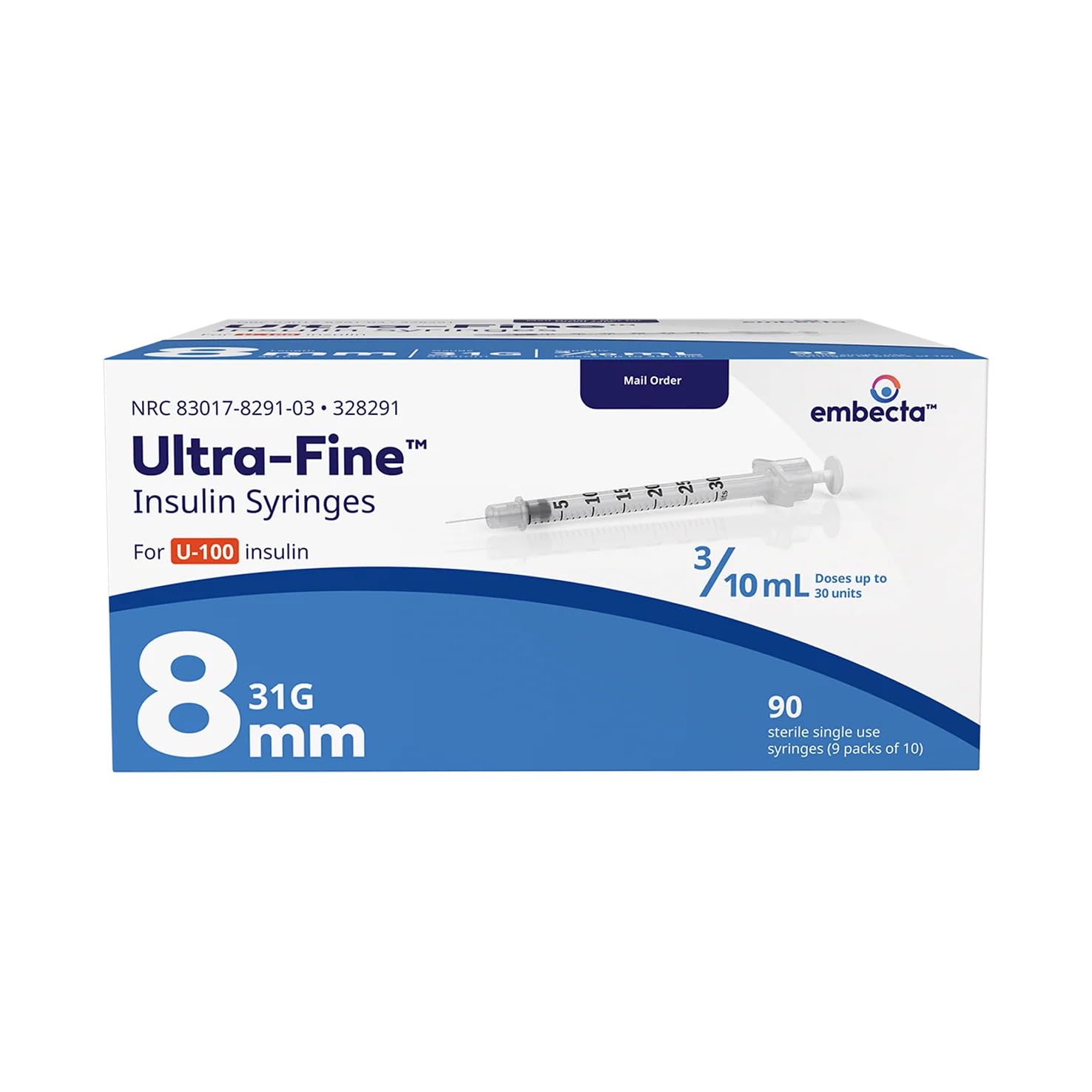
Hand-picked storage, injection, and recovery supplies paired with Cardiogen protocols.
This article is for educational and informational purposes only. It is not medical advice. Cardiogen is not FDA-approved for any indication. Consult a licensed healthcare provider before using any peptide.