dosingJuly 22, 2026·6 min read

Cardiogen Dosage: Community Protocols Explained

There is no trial-established Cardiogen dose. Community sources cluster around low-dose subcutaneous courses. The reconstitution math, explained.

Cardiogen dosing — community-reported subcutaneous protocols

Cardiogen has no clinical-trial-established human dose. The published research is preclinical and mechanistic — review papers and cell-transport modeling, almost entirely from one Russian research group — so every protocol circulating online is community convention extrapolated from the older Khavinson bioregulators, not a validated regimen. This guide reports those community figures honestly and shows the reconstitution math behind them.

Research-context information only. Cardiogen (the AEDR tetrapeptide) is an unapproved research compound. It has not been evaluated by the FDA for any use, and human clinical data is limited to absent. Doses and protocols below come from vendor listings and self-reported community sources, not controlled trials. This article reports what is documented, not what should be done. Possession or use of research compounds may be restricted in your jurisdiction. Consult a licensed physician for personal medical decisions.

Cardiogen is a short synthetic peptide bioregulator — the tetrapeptide Ala-Glu-Asp-Arg (AEDR) — from the Khavinson family of "peptide bioregulators." It has been described in review work for a proposed role in regulating cardiovascular-cell gene expression tied to inflammaging. Below: the community-reported dosing landscape, the reconstitution math, and an honest read on how thin the evidence is.

Cardiogen Dosing Table

Match your vial size below — reconstitution and dose math update automatically.

Reconstitute: add 2 mL of bacteriostatic water to the 20 mg vial. Resulting concentration: 10 mg/mL.
1 mg10 units · 0.1 mL
Daily SubQ
Community-reported — no trial-established dose

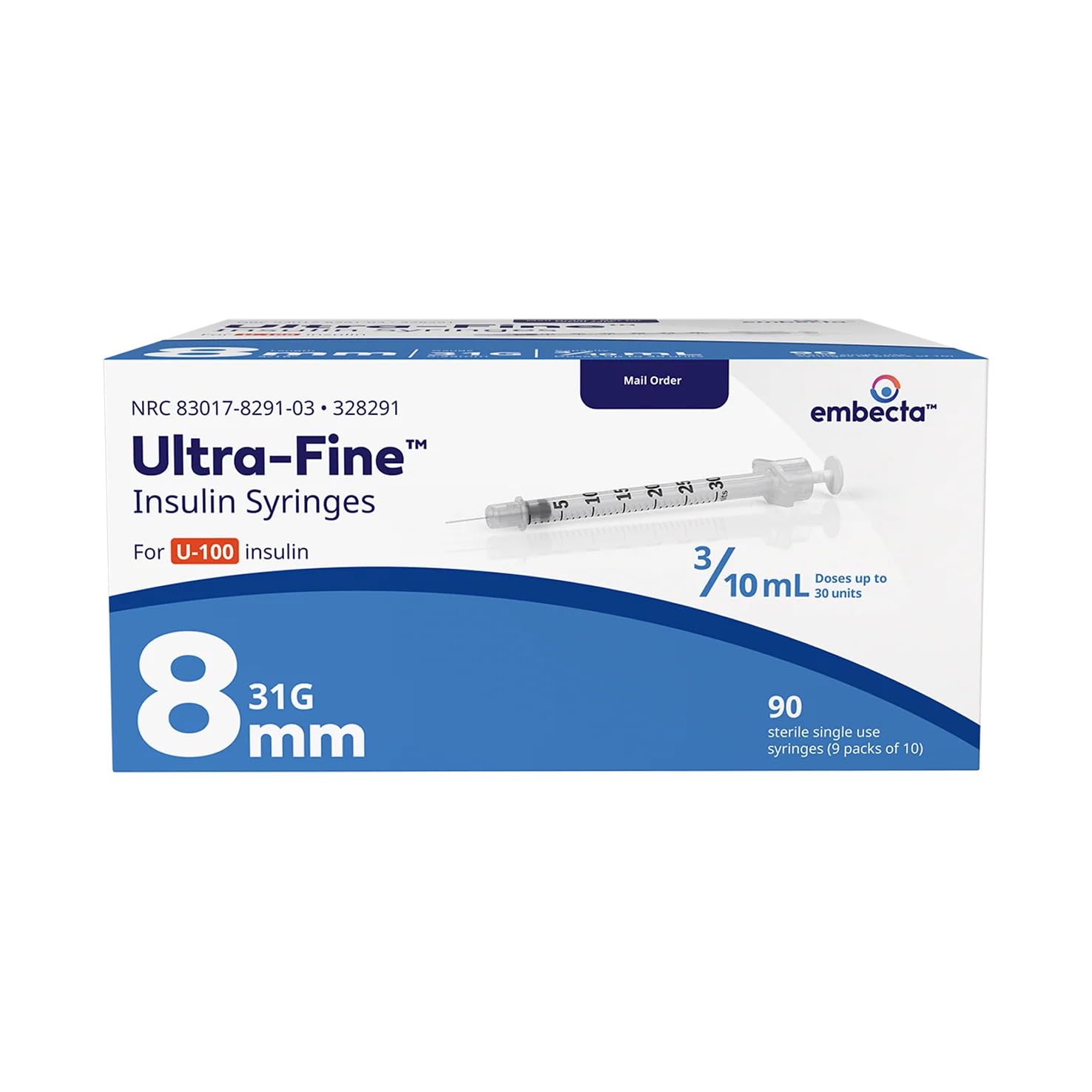
Math assumes U-100 insulin syringes (1 mL = 100 units). Verify your syringe matches before injecting. Round half-units to the nearest visible mark.

Quick Reference: Community-Reported Protocol

Parameter Detail
Vial 20 mg (the common Khavinson-peptide format)
BAC Water 2 mL
Concentration 10 mg/mL
Dose Community-reported, ~0.2-2 mg/day (no trial dose exists)
Route Subcutaneous (community convention)
Timing AM (community-reported)
Frequency Once daily (community-reported)
Course Short 10-20 day courses, community convention
Storage Refrigerate, use within 28 days

No trial dose exists. Unlike peptides with published Phase 2 protocols, Cardiogen has only preclinical and mechanistic data behind it. The figures above describe what community sources do, not what evidence supports. For the full profile and vendor pricing, see our Cardiogen peptide page.

Cycling Details

Community sources describe Cardiogen the way the older Khavinson bioregulators were used clinically in Russia — as short, repeated low-dose courses (often 10-20 days) rather than continuous daily dosing. The original rationale, drawn from the bioregulator literature, is that short peptides act as transient signals to gene-expression machinery rather than agents needing steady blood levels (Khavinson & Anisimov, 2009). There is no controlled human data establishing an optimal cycle length for Cardiogen, so this is convention, not evidence.

Routes of Administration

Subcutaneous injection is the route community protocols describe. Some bioregulator products are also sold in sublingual/oral-mucosal formats. No published human trial defines a route for Cardiogen specifically.

  • Sites: Community protocols describe subcutaneous injection into the abdomen, thigh, or other areas with adequate subcutaneous fat, rotating sites across courses
  • Volume: Small — at 10 mg/mL even a 1 mg dose is only 0.1 mL
  • Note: Because the community dose range is low and uncertain, many users dilute generously so small doses are measurable
30ml bacteriostatic water vial — 0.9% benzyl alcohol multi-dose
Bac Water Made for Peptides
Don't risk a $300 peptide on generic bac water.
Most cloudy reconstitutions trace back to one thing — and it isn't the peptide. Sterile, non-pyrogenic, 0.9% benzyl alcohol — formulated for peptide reconstitution, not repackaged from generic stock.
0.9% benzyl alcohol Made for peptides 30 mL multi-dose
See why our bac water doesn't ruin peptides
30ml from $18.75 · Ships fast · Code thepeptidecatalog

Reconstitution Quick Reference

Vial Size BAC Water Concentration 1 mg dose
20 mg 2 mL 10 mg/mL 10 units
20 mg 4 mL 5 mg/mL 20 units

Math: 20 mg / 2 mL = 10 mg/mL. For 1 mg: 1 / 10 = 0.1 mL = 10 units on a 100-unit insulin syringe. For a 0.2 mg (200 mcg) dose at 10 mg/mL, that is just 2 units — which is why many community sources dilute further for measurable volumes.

Community protocols describe swirling gently (not shaking), refrigerating at 2–8°C, and using within 28 days. For the full step-by-step walkthrough, see the Cardiogen Reconstitution Guide.

These figures describe how community sources report reconstituting Cardiogen — not a recommended preparation instruction.

Ready to buy? Compare verified vendors on our best Cardiogen sources page, or browse all coupon codes for up to 50% off.
Where to buy Cardiogen
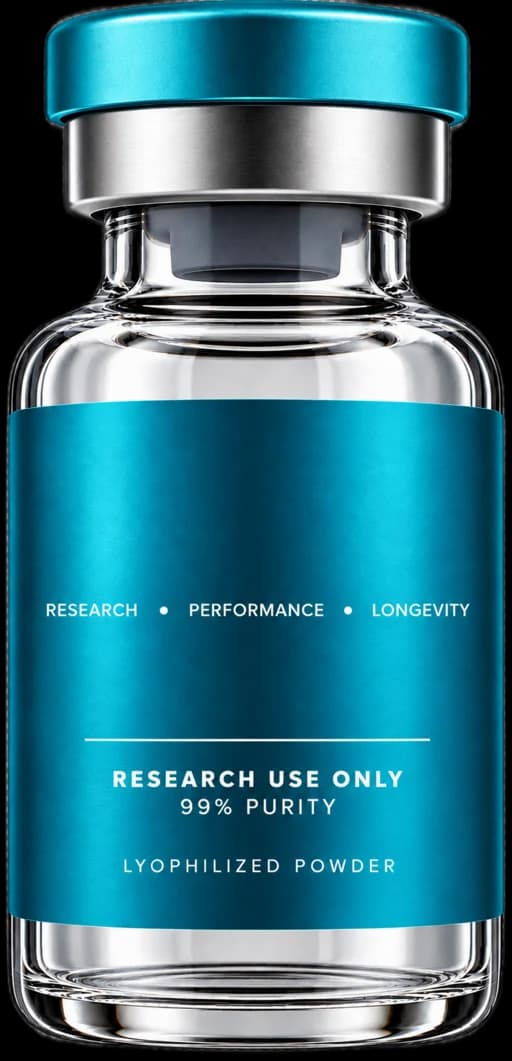
One verified, COA-tested Cardiogen source
The verified, COA-tested source we track for Cardiogen — shipped with a certificate of analysis. Research use only.
COA verified $3.20/mg Swiss Chems
Save 10%THEPEPTIDECATALOGat checkout
Buy at Swiss Chems — $63.95
20mg · sold research-use-only · we may earn a commission

Affiliate disclosure: vendor links in this article are affiliate links — The Peptide Catalog may earn a commission if you buy through them, at no additional cost to you.

Where These Numbers Come From

This is the section that matters most for Cardiogen, because the honest answer is: the dose numbers do not come from human trials.

Cardiogen dose draw on an insulin syringe

The published evidence is preclinical and mechanistic. The strongest Cardiogen-relevant work is a 2022 review describing the AEDR tetrapeptide among peptides that regulate cardiovascular-cell inflammaging and SASP-related molecules (Khavinson et al., 2022), plus a 2023 paper modeling how ultrashort peptides are transported into cells (Khavinson et al., 2023). Both are mechanistic — neither establishes a human dose.

Community doses are extrapolated. The low-dose, short-course pattern circulating online is borrowed from how the original Khavinson tissue bioregulators were used, scaled by analogy and general peptide-handling convention. That is a reasonable starting point for the community, but it is not a tested protocol.

Why this matters: Peptides like ARA-290 or BPC-157 have a specific trial dose to point to. Cardiogen does not — anyone presenting a precise "optimal" Cardiogen dose as established fact is overstating the evidence.

Stacking Protocols

There is no human trial data on Cardiogen stacks. Community sources sometimes pair it with other Khavinson bioregulators on a theoretical "different tissue targets" rationale.

Stack Rationale Notes
Cardiogen + Cartalax Pairing tissue-specific bioregulators (cardiac + cartilage) No data on the combination; community-reported only
Cardiogen + Epitalon Broader longevity/geroprotection pairing Theoretical; no controlled data

These reflect community theory, not validated combinations.

Side Effects & Safety

  • Limited safety data — there is no published human safety dataset for Cardiogen specifically. Community reports describe it as well tolerated at low doses, but that is anecdote, not a safety profile.
  • Injection-site reactions — the most commonly mentioned community-reported event (mild redness or irritation), consistent with other subcutaneous peptides.
  • Unknown long-term effects — no long-term human exposure data exists.

The short-peptide bioregulator class has a generally benign profile in the preclinical literature, but absence of reported harm in laboratory work is not the same as demonstrated human safety.

Cardiogen dilution and dose-range diagram

mg to Units Conversion

On a standard 100-unit insulin syringe, each "unit" equals 0.01 mL (100 units = 1 mL). The conversion depends on the reconstitution used.

Reconstitution A: 20 mg vial + 2 mL BAC water (10 mg/mL)

Community-Reported Dose Volume (mL) Units (insulin syringe)
0.2 mg (200 mcg) 0.02 mL 2 units
0.5 mg 0.05 mL 5 units
1 mg 0.10 mL 10 units
2 mg 0.20 mL 20 units

Reconstitution B: 20 mg vial + 4 mL BAC water (5 mg/mL) — more dilute, so low doses draw at larger, easier-to-read volumes.

Community-Reported Dose Volume (mL) Units (insulin syringe)
0.2 mg (200 mcg) 0.04 mL 4 units
0.5 mg 0.10 mL 10 units
1 mg 0.20 mL 20 units
2 mg 0.40 mL 40 units

These conversions report how community dilution math is described. They are not a recommended dosing schedule — no validated schedule exists.

Frequently Asked Questions

What dose of Cardiogen do community sources describe?
There is no clinical-trial-established human dose for Cardiogen. Community and vendor sources describe low-dose subcutaneous courses, most commonly in the range of a few hundred micrograms to a few milligrams once daily for short 10-20 day courses. These are community-reported figures extrapolated from the older Khavinson bioregulator practice, not trial-validated doses.
How is Cardiogen reconstituted?
A 20 mg vial reconstituted with 2 mL of bacteriostatic water yields 10 mg/mL. Community sources often dilute further — for example 4 mL for a smaller, easier-to-measure per-dose volume. The peptide is supplied as a lyophilized powder and mixed the same way as other research peptides.
Is Cardiogen taken by injection?
Community protocols describe subcutaneous injection, mirroring how the older Khavinson tissue bioregulators were administered. Cardiogen is a peptide, so it would be broken down in the digestive tract. There is no published human trial defining an administration route for Cardiogen specifically.
How strong is the evidence behind Cardiogen dosing?
Weak. The published Cardiogen (AEDR peptide) evidence is preclinical and mechanistic — review and cell-transport modeling, almost entirely from one Russian research group. No controlled human trial has established a dose, so any protocol you see is community convention, not science.

References

Citation Topic PMID
Khavinson V, et al., Cells (2022) AEDR tetrapeptide regulation of cardiovascular SASP / inflammaging molecules 36611900
Khavinson VK, et al., Biomolecules (2023) Transport of ultrashort peptides (incl. AEDR-class) via LAT/PEPT transporters 36979488
Khavinson VKh, Anisimov VN, Bull Exp Biol Med (2009) Peptide regulation of aging — bioregulator framework 19902107

This article is for educational and informational purposes only. It is not medical advice. Cardiogen is not FDA-approved for any indication. Consult a licensed healthcare provider before using any peptide.