Here is the honest headline: there is no human results timeline for Cardiogen. The published research is preclinical and mechanistic — a cardiovascular-aging review and cell-transport modeling — not clinical trials tracking symptoms over weeks. So unlike peptides with documented Phase 2 data, any Cardiogen "timeline" is built from community convention and bioregulator theory, not measured human outcomes. This article lays out what community sources report and, just as importantly, why it warrants light weighting.
Research-context information only. Cardiogen (the AEDR tetrapeptide) is an unapproved research compound not evaluated by the FDA. There is no human outcome data; the timeline framing below is community-reported and theoretical. This article reports what is documented, not what should be done. Possession or use of research compounds may be restricted in your jurisdiction. Consult a licensed physician for personal medical decisions.
What follows is anchored to the community-reported low-dose, short-course pattern — typically a 10-20 day course. The "expected" changes are extrapolations from the bioregulator hypothesis, not observed trial endpoints. Individual variation, placebo, and confounding from other interventions all sit unmeasured underneath every report.
During the Course (Days 1-20)
The bioregulator theory holds that short peptides act as transient signals to gene-expression machinery, so the expectation in community sources is that nothing dramatic happens acutely — Cardiogen is not framed as a fast-acting cardiac drug. The published mechanistic work describes a proposed regulatory role in cardiovascular-cell inflammaging (Khavinson et al., 2022), not a rapid functional change. Community reports during a course are mostly "no obvious change yet."
Weeks 3-6 (After the Course)
This is where community anecdote concentrates: gradual, subtle reports of stamina or general well-being in some users, nothing in others. Because cardiovascular remodeling and cellular-aging processes are inherently slow, the theory predicts that any benefit would emerge over weeks rather than days. But there is no objective human measurement — no imaging, no validated cardiac endpoints — backing a specific multi-week result. The cell-transport modeling work describes how such a peptide could reach its target, not a clinical recovery curve (Khavinson et al., 2023).
The Khavinson bioregulator framework proposes that short courses produce durable effects via gene-expression changes (Khavinson & Anisimov, 2009), which is why community protocols often repeat courses every few months rather than dosing continuously. Whether Cardiogen actually produces lasting effects in humans is unknown — there is no durability data, and the proposition rests on class-level theory.
Factors That Affect Results
Evidence ceiling: The biggest factor is that no human study has validated any result, so expectations should be modest and skeptical.
Baseline tissue state: Vendor and community marketing around bioregulators implies more "room to improve" in older or stressed cardiovascular tissue, but this is inference from the inflammaging framing, not measured.
Dose uncertainty: With no trial-established dose, community protocols vary widely, making cross-report comparison meaningless.
Placebo and confounding: General well-being and perceived stamina fluctuate naturally and respond strongly to expectation; uncontrolled anecdotes cannot isolate a Cardiogen effect.
Bac Water Made for Peptides
Don't risk a $300 peptide on generic bac water.
Most cloudy reconstitutions trace back to one thing — and it isn't the peptide. Sterile, non-pyrogenic, 0.9% benzyl alcohol — formulated for peptide reconstitution, not repackaged from generic stock.
✓ 0.9% benzyl alcohol✓ Made for peptides✓ 30 mL multi-dose
This is a realistic outcome and not surprising given the evidence base. Cardiogen has no human efficacy data, so "no noticeable effect" is fully consistent with what is known. Community reports of nothing happening are common. The published evidence supports a proposed gene-expression mechanism — it does not promise a felt result in any individual.
Frequently Asked Questions
How long does Cardiogen take to work?
There is no human trial data answering this, so any specific timeline is community convention, not measured fact. Bioregulator courses are typically run for 10-20 days, with the theory that gene-expression effects build slowly. Whether — and how fast — that translates to any felt result in humans is unestablished.
What results do community users report?
Community reports are mixed and anecdotal, ranging from a vague sense of improved stamina over weeks to no noticeable change. Because there is no objective human endpoint data, these reports cannot be separated from placebo, regression, or co-interventions. They are best read as anecdote, not evidence.
Do Cardiogen effects last after stopping?
Unknown. The bioregulator theory holds that short peptides trigger durable gene-expression changes after brief courses, but this has not been demonstrated for Cardiogen in humans. There is no durability data.
Why is there no real Cardiogen timeline?
Because the published research is preclinical and mechanistic — review and cell-transport modeling — not human studies measuring symptoms over time. Without a clinical trial tracking cardiovascular outcomes week by week, a true results timeline does not exist for Cardiogen.
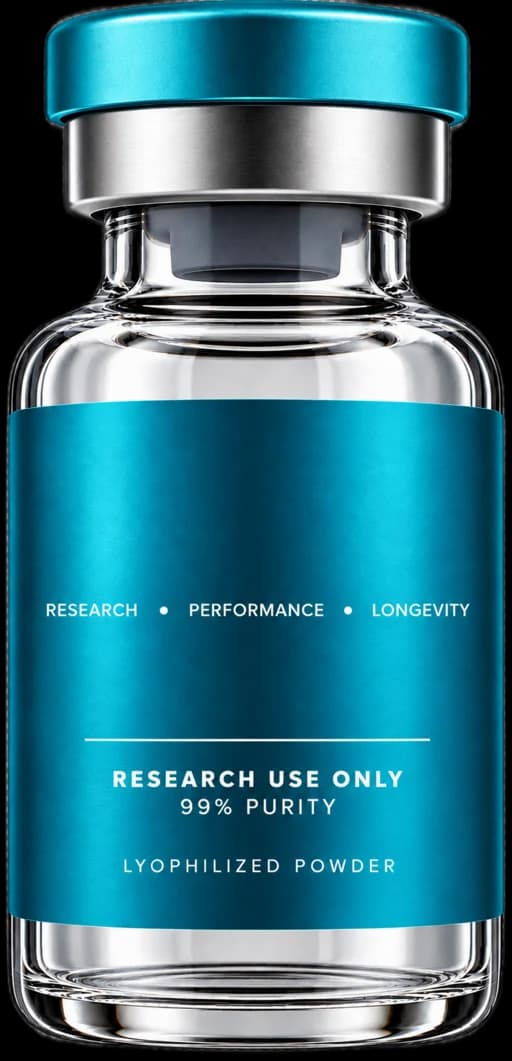
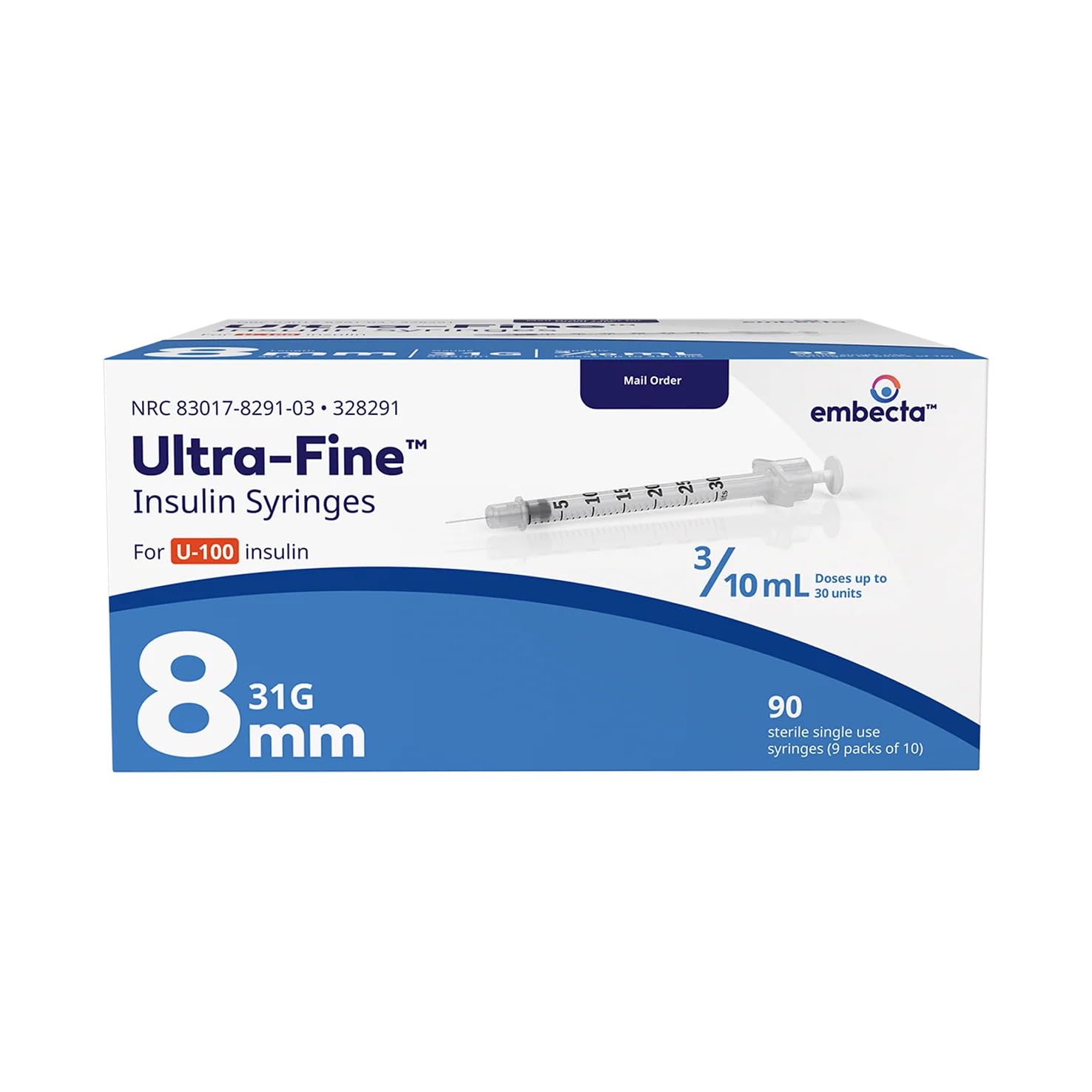
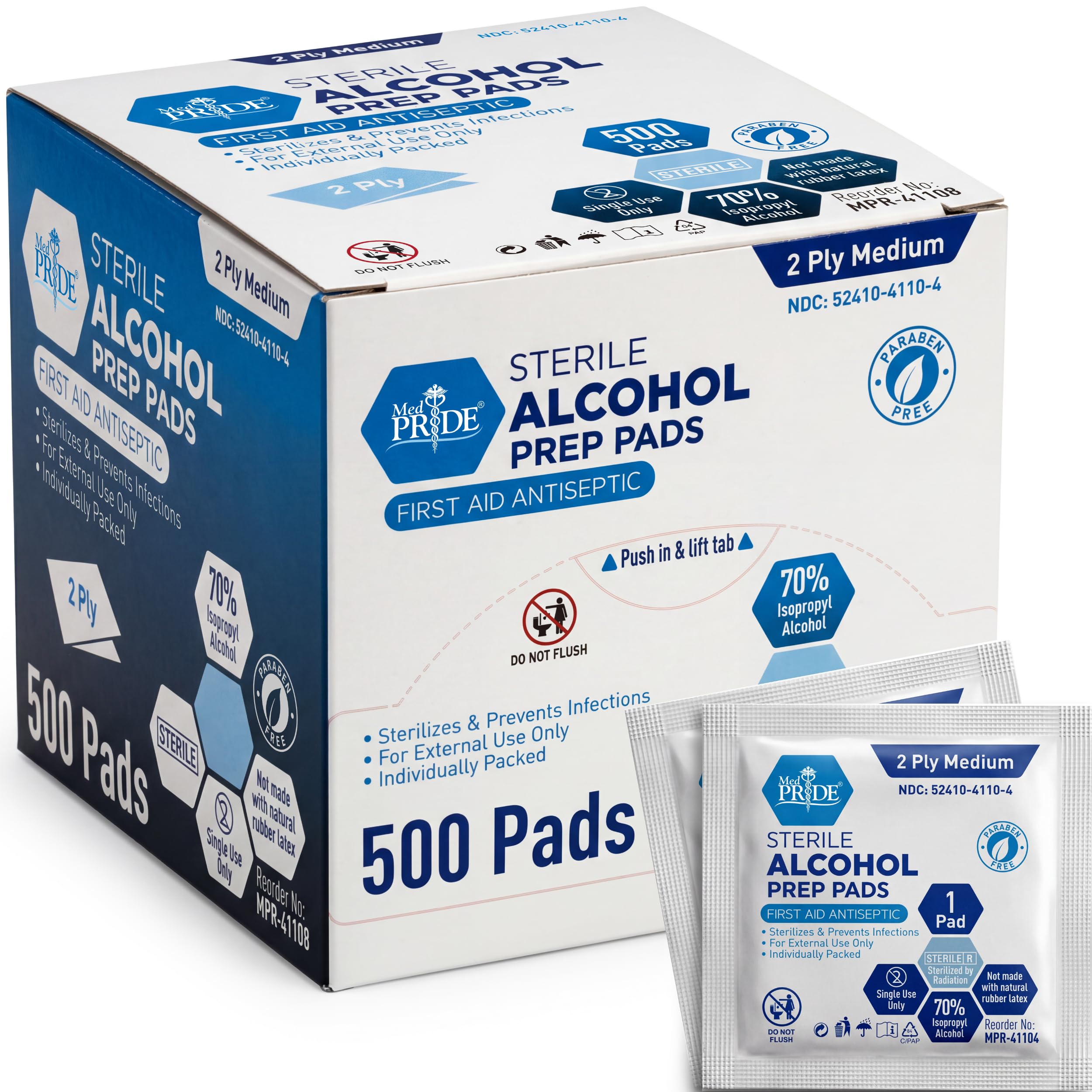
Research Supplies for Cardiogen
Hand-picked storage, injection, and recovery supplies paired with Cardiogen protocols.
This article is for educational and informational purposes only. It is not medical advice. Cardiogen is not FDA-approved for any indication. Consult a licensed healthcare provider before using any peptide.