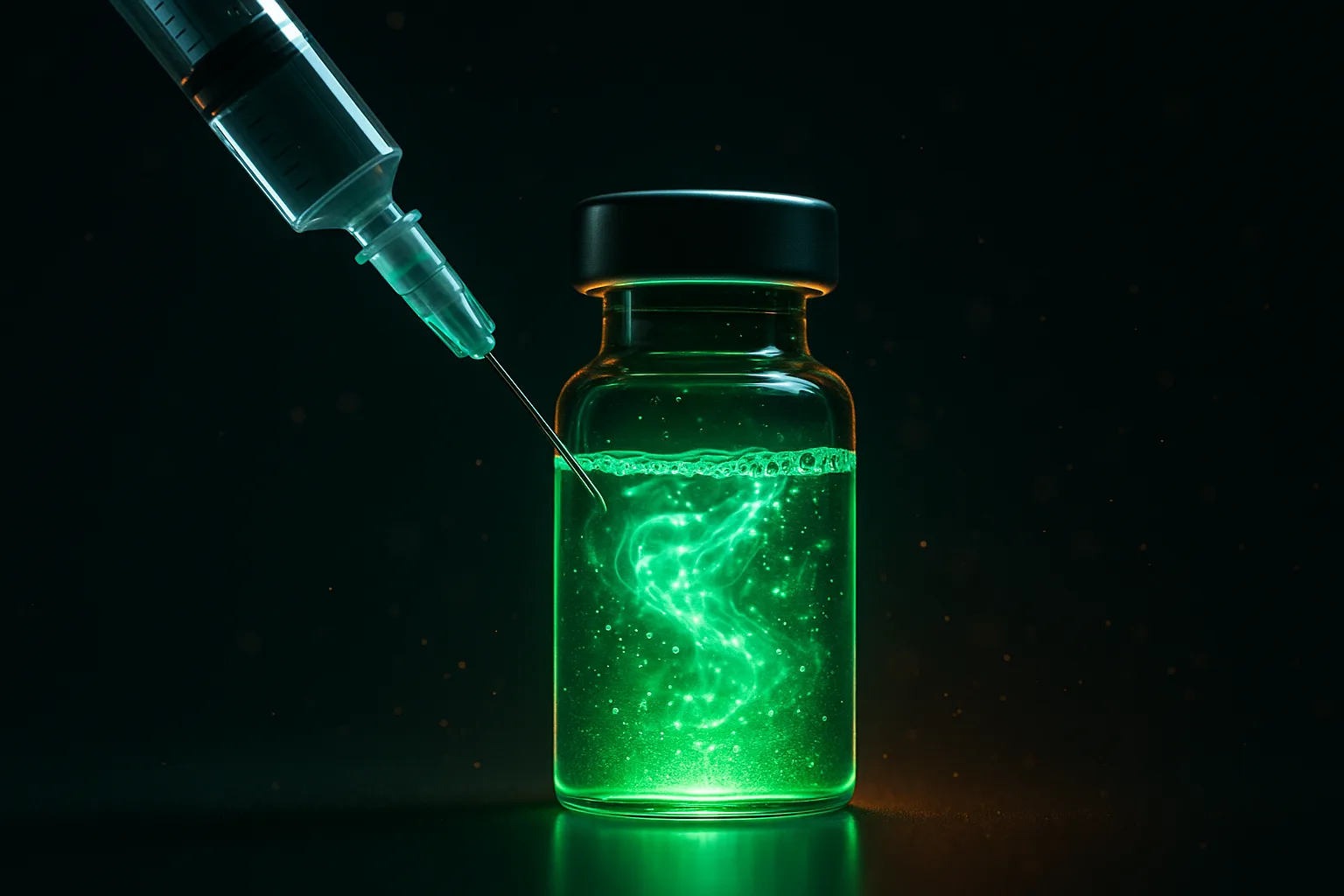
The clean number to start from: a 20 mg Cartalax vial plus 2 mL of bacteriostatic water gives 10 mg/mL. But Cartalax has a wrinkle most peptides don't — community doses are tiny (often under 1-2 mg), so at 10 mg/mL a low dose can be just a couple of syringe units. That makes dilution choice the real decision here.
Research-context information only. Cartalax (the AED tripeptide) is an unapproved research compound not evaluated by the FDA. There is no Cartalax-specific reconstitution or stability study; the math below follows standard peptide-handling convention and community sources, not validated protocols. This article reports how reconstitution is documented, not what should be done. Consult a licensed physician for personal medical decisions.
This guide covers supplies, the step-by-step mixing process, and dilution charts for Cartalax. For dose context and why no trial dose exists, see the Cartalax dosing guide.
New to bacteriostatic water? Start with what it is, how much to use per vial, and how long it lasts — or see the full Bacteriostatic Water Guide.
What You Need
- A vial of lyophilized (freeze-dried) Cartalax — commonly 20 mg or 10 mg
- Bacteriostatic water (0.9% benzyl alcohol)
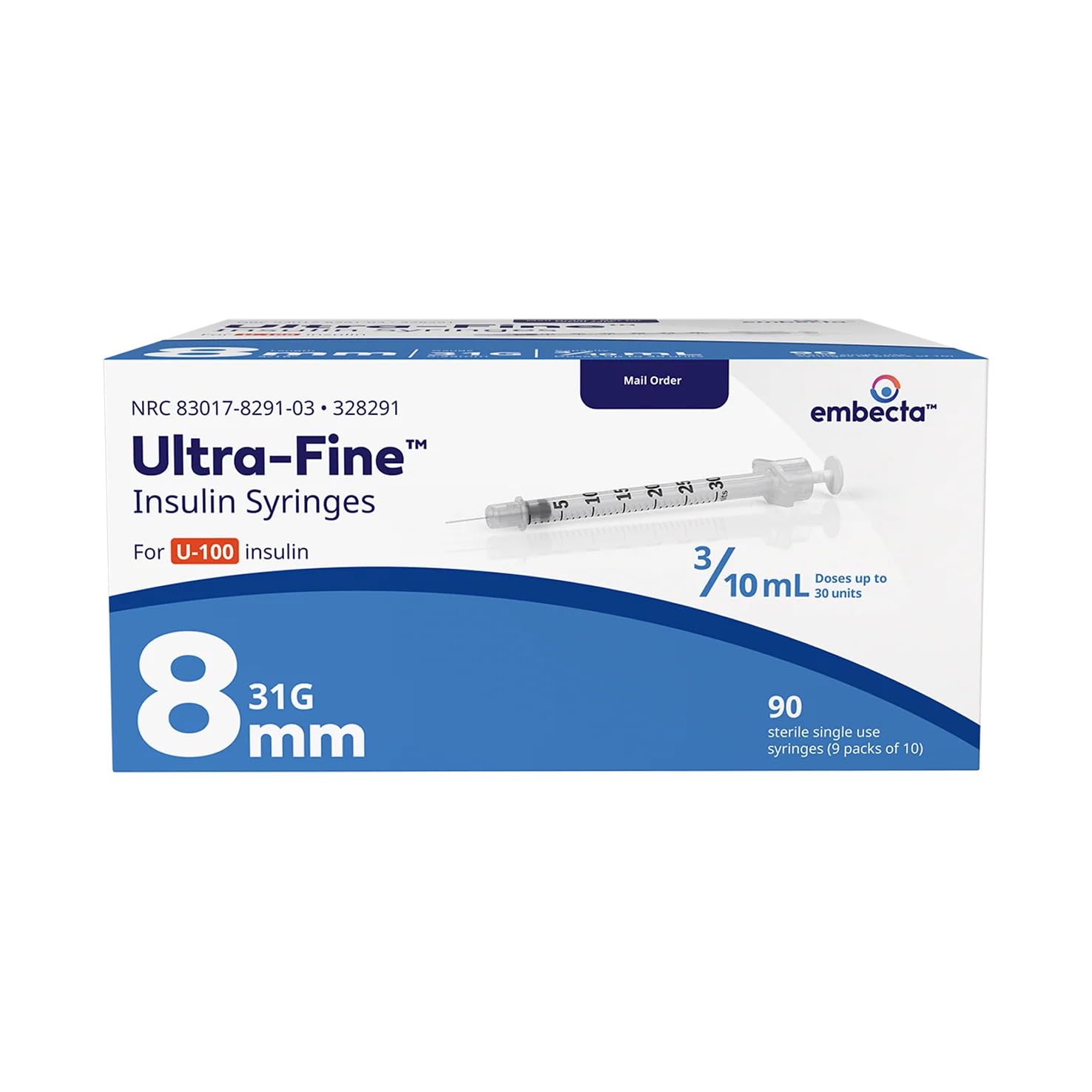
- Insulin syringes (100-unit / U-100, 29-31 gauge)
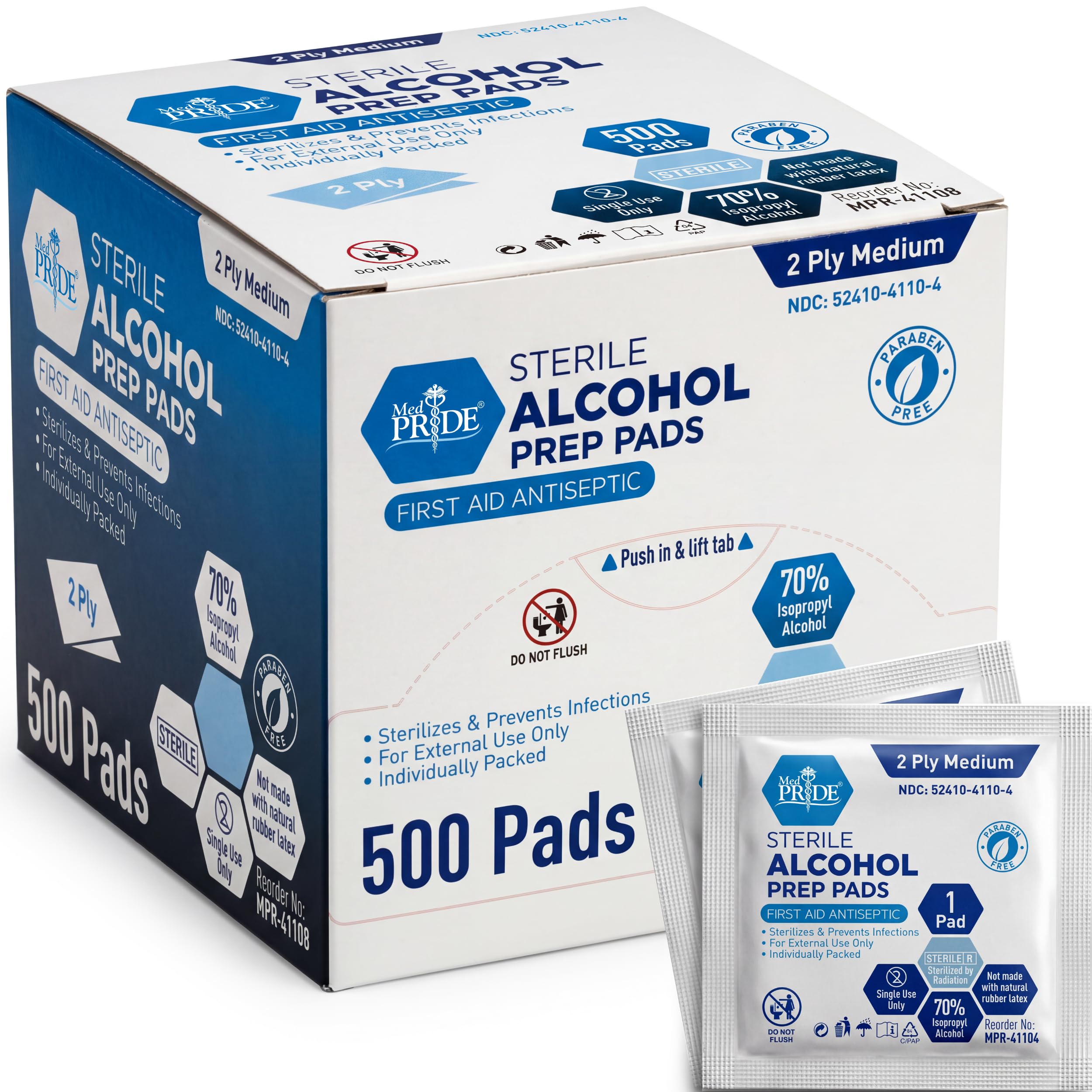
- Alcohol swabs
- A clean, flat surface

Step-by-Step Reconstitution
- Standard practice: allow both vials to reach room temperature before mixing. Cold peptide and cold water are documented to cause condensation.
- Standard sterile practice describes swabbing both stoppers — the Cartalax vial and the bacteriostatic water vial — with an alcohol swab.
- Draw the bacteriostatic water. For 10 mg/mL on a 20 mg vial, protocols describe drawing 2 mL. For lower-dose accuracy, sources describe drawing 4 mL (5 mg/mL).
- Community protocols describe adding water slowly down the inside side wall — not directly onto the powder.
- Swirl, do not shake. Documented protocols describe swirling gently until the powder fully dissolves; shaking can shear the peptide.
- A properly reconstituted solution is documented to be clear and free of particles.

Dilution Chart
20 mg vial + 2 mL bacteriostatic water = 10 mg/mL (standard, but low doses draw small):
| Dose | Volume (mL) | Units (100-unit syringe) |
|---|---|---|
| 0.2 mg (200 mcg) | 0.02 mL | 2 units |
| 0.5 mg | 0.05 mL | 5 units |
| 1 mg | 0.10 mL | 10 units |
| 2 mg | 0.20 mL | 20 units |
20 mg vial + 4 mL bacteriostatic water = 5 mg/mL (preferred when dosing under ~1 mg — larger, easier-to-read draws):
| Dose | Volume (mL) | Units (100-unit syringe) |
|---|---|---|
| 0.2 mg (200 mcg) | 0.04 mL | 4 units |
| 0.5 mg | 0.10 mL | 10 units |
| 1 mg | 0.20 mL | 20 units |
| 2 mg | 0.40 mL | 40 units |
Syringe Math
The conversion is deterministic. On a U-100 insulin syringe, 1 unit = 0.01 mL.
- Concentration = vial mg ÷ bacteriostatic water mL. For 20 mg + 2 mL: 10 mg/mL.
- Volume for a dose = dose mg ÷ concentration. For a 1 mg dose at 10 mg/mL: 1 ÷ 10 = 0.1 mL.
- Units = volume mL × 100. For 0.1 mL: 10 units.
Why dilution matters more for Cartalax: community doses are small and uncertain (no trial dose exists), so a sub-milligram draw at 10 mg/mL can be just 2-5 units — easy to mis-measure. Diluting to 5 mg/mL doubles the unit count for the same dose and improves accuracy.