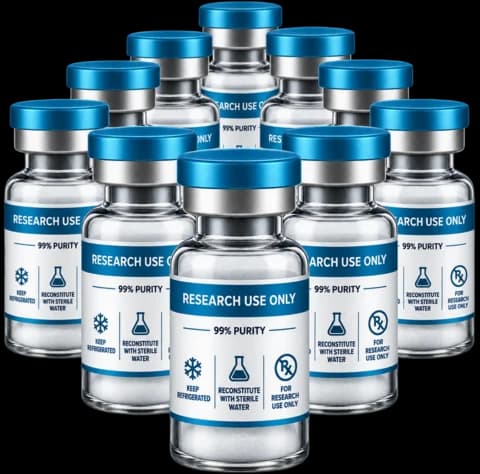
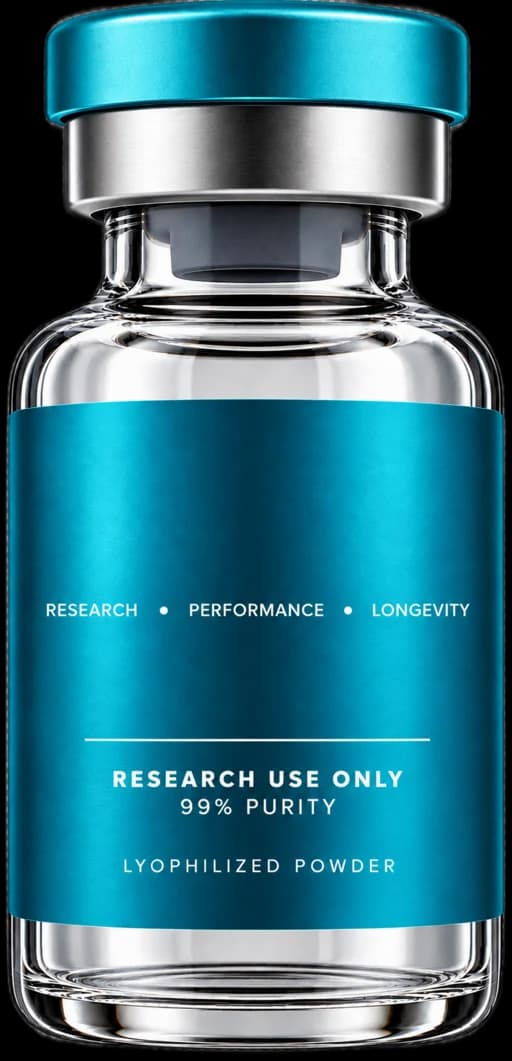
Cartalax is a niche research peptide with two things a buyer should understand up front: the evidence behind it is thin and preclinical, and the products are lightly regulated. That combination makes COA quality the single most important purchase factor — more than price. This guide teaches you how to evaluate any Cartalax vendor; it pairs with our Cartalax dosing guide and reconstitution guide.
This is not a ranked vendor list — for that, see our Best Cartalax Vendors comparison. This guide teaches you how to evaluate any vendor yourself.
Research-context information only. Cartalax (the AED tripeptide) is an unapproved research compound not evaluated by the FDA. Human evidence is limited to absent. This article reports how it is sold, not medical or legal advice. Consult a licensed physician for personal medical decisions.
Understanding Cartalax Pricing
Cartalax is a synthetic tripeptide (Ala-Glu-Asp), short and relatively simple to synthesize, but low-volume — so it doesn't see the deep multi-vial discounts common on BPC-157 or retatrutide. It is sold mainly as 10 mg and 20 mg lyophilized vials.
Current Market Pricing (2026)
| Vial Size | Typical Price Range | Price Per mg | Best For |
|---|---|---|---|
| 10 mg | $55 - $60 | ~$5.50 - $6.00/mg | Smaller commitment; shorter reconstituted shelf life |
| 20 mg | $68 - $79 | ~$3.40 - $4.00/mg | Better per-mg value; the common format |
The pattern: the 20 mg vial is usually the better per-mg deal. Because community doses are small, even a 10 mg vial holds many doses — so the practical question is how much you'll use within ~28 days of reconstituting, not how many vials a course needs.
Cost Per Course at Community Doses
There is no trial-established dose, so this is illustrative using common community figures. A 20 mg vial at a 1 mg/day community dose covers ~20 days.
| Community dose | Days per 20 mg vial | Vials per 20-day course |
|---|---|---|
| 0.2 mg/day (200 mcg) | ~100 days | <1 (one vial lasts months) |
| 1 mg/day | ~20 days | ~1 |
| 2 mg/day | ~10 days | ~2 |
For current vendor-specific pricing with exact $/mg breakdowns, see our Best Cartalax Vendors comparison.
How to Verify Cartalax Quality

Cartalax is a short peptide whose lyophilized powder looks identical regardless of purity or even identity. With a niche compound and limited oversight, the COA is the only reliable check — and arguably matters more here than for mainstream peptides.
What a COA (Certificate of Analysis) Should Include
Identity Confirmation
- Mass spectrometry confirming the molecular weight expected for the Ala-Glu-Asp tripeptide
- Amino acid sequence verification
Purity Testing
- HPLC purity — look for 98%+ (ideally 99%+) purity
- HPLC chromatogram showing a single dominant peak
Contamination Testing
- Endotoxin levels (bacterial contamination)
- Residual solvent analysis
- Heavy metals screening
How to Verify a COA Is Legitimate
- Check that the COA lists the specific product and a batch/lot number — not a generic template.
- Confirm the lot number on the COA matches the vial you receive.
- Look for a named third-party lab, not just an in-house claim.
- Cross-check the test date — a COA should be recent, not years old.
- Be wary if the vendor cannot produce a COA for the exact lot on request.
Red Flags to Avoid
- No COA available, or only a years-old generic one
- COA lot number that doesn't match the shipped vial
- Purity claims with no HPLC chromatogram attached
- A vendor making strong human efficacy claims for Cartalax — the evidence doesn't support them
- No batch traceability
- Vendor unwilling to answer testing questions