Dosing Guide·7 min read

Chonluten Peptide Dosage Chart: 2mg Course, Vial Math

Chonluten peptide (EDG) is sold for the lungs on one cell study. The reported 2mg course, the 20mg vial math, and how it differs from Bronchogen.

Chonluten dosing guide: 20mg EDG tripeptide vial

Chonluten is the synthetic tripeptide Glu-Asp-Gly (EDG), and there is no clinically established human dose for it. A widely circulated practitioner peptide reference lists it with the other Khavinson bioregulators on one shared protocol: a 20mg vial with 2mL of bacteriostatic water, 2mg (20 units) once daily for 30 consecutive days, then two months off, two to three times a year. Self-reported community sources also describe 10-20 day courses.

Chonluten is sold as a bronchial and lung bioregulator, but its indexed evidence is one cell-culture study and a modeling paper. The rat lung studies people often attach to it belong to a different peptide, Bronchogen. Every number below is a reported convention, not a dose from Chonluten research.

Research-context information only. Chonluten is a research peptide. Protocols, doses, and reactions reported below come from published research and self-reported community sources. This article reports what has been documented, not what should be done. Consult a licensed physician for personal medical decisions.

Chonluten is a three-amino-acid peptide from the St. Petersburg bioregulator program. Its vendor lists it as C11H17N3O8 (319.27 g/mol, CAS 75007-24-8), with the synonym T-34. This guide covers the reported course, the reconstitution math, and the source of each figure.

Chonluten Dosing Table

Match your vial size below — reconstitution and dose math update automatically.

Reconstitute: add 2 mL of bacteriostatic water to the 20 mg vial. Resulting concentration: 10 mg/mL.
1 mg10 units · 0.1 mL
Daily SubQ
Community-reported lower amount
2 mg20 units · 0.2 mL
Daily SubQ, 30-day course
Practitioner-reported — no trial-established dose

Math assumes U-100 insulin syringes (1 mL = 100 units). Verify your syringe matches before injecting. Round half-units to the nearest visible mark.

Quick Reference: Practitioner-Reported Protocol

Parameter Reported value
Dose 2mg per administration (practitioner reference; no trial-established human dose)
Route Subcutaneous injection (community-reported)
Timing AM or PM (practitioner reference lists either)
Frequency Once daily during a course
Course 30 consecutive days, then 2 months off, 2-3 courses a year
Vial size 20mg lyophilized research vial
Reconstitution 2mL bacteriostatic water → 10mg/mL
Community-described draw 20 units on a U-100 insulin syringe
Storage Refrigerated after mixing; community sources describe use within 28 days

Where the 2mg figure comes from: it is the shared bioregulator line in a practitioner peptide reference (the Jay Campbell / Hunter Williams cheat sheet). It was not taken from a Chonluten study. For the compound profile and current vendor pricing, see the Chonluten peptide page.

Cycling Details

The pulsed course follows the Russian bioregulator convention: short peptide exposure, followed by a long break. Under the developers' theory, a short peptide acts as a brief gene-regulatory signal rather than a drug that needs steady levels (Khavinson & Anisimov, 2009). Practitioner references run 30 days on and two months off. Self-reported community protocols often use 10-20 day courses repeated a few times a year. Neither schedule has been tested for Chonluten in people.

Routes of Administration

  • Subcutaneous (SC): the route community sources most often describe for the reconstituted 20mg research vial.
  • Intramuscular (IM): described less often in community sources, as a carry-over from older Russian injectable bioregulator practice.
  • Oral capsules: sold in some markets under bioregulator names. They are a different format from the injectable research vial.

No route has been validated for Chonluten. US vendors sell it labeled for laboratory research only.

Bacteriostatic water vial — 0.9% benzyl alcohol multi-dose
Bac Water Made for Peptides
Don't risk a $300 peptide on generic bac water.
Most cloudy reconstitutions trace back to one thing — and it isn't the peptide. Sterile, non-pyrogenic, 0.9% benzyl alcohol — formulated for peptide reconstitution, not repackaged from generic stock.
✓ 0.9% benzyl alcohol✓ Made for peptides✓ 30 mL multi-dose
Shop bac water made for peptides

Reconstitution Quick Reference

Vial Size BAC Water Concentration 2mg amount
20mg 2mL 10mg/mL 0.2mL (20 units)

The community-circulated arithmetic: 20mg ÷ 2mL = 10mg/mL, so 2mg is 0.2mL, or 20 units on a 100-unit insulin syringe. By that arithmetic, a 30-day course at the reported amount would total 60mg, or three 20mg vials. Community notes describe swirling gently rather than shaking, then refrigerating at 2-8°C.

These figures report how community sources describe the arithmetic. They are not a preparation instruction. Vendors label these vials for research use only; the schedules on this page are community- and practitioner-reported, not labeled directions.

Affiliate disclosure: vendor links in this article are affiliate links. The Peptide Catalog may earn a commission if you buy through them, at no additional cost to you.

Ready to buy? The Chonluten source we track publishes certificates of analysis; see our Chonluten sources page.
Where to buy Chonluten
One verified, COA-tested Chonluten source
The verified, COA-tested source we track for Chonluten — shipped with a certificate of analysis. Research use only.
✓ COA verified✓ $2.95/mg✓ Swiss Chems
Save 10%THEPEPTIDECATALOGat checkout
Buy at Swiss Chems — $58.99
20mg · sold research-use-only · we may earn a commission

Where These Numbers Come From

None of the dose figures above comes from a Chonluten study. No such dose-finding study exists. The 2mg course is a practitioner convention applied to the whole Khavinson family, and the shorter courses are community convention.

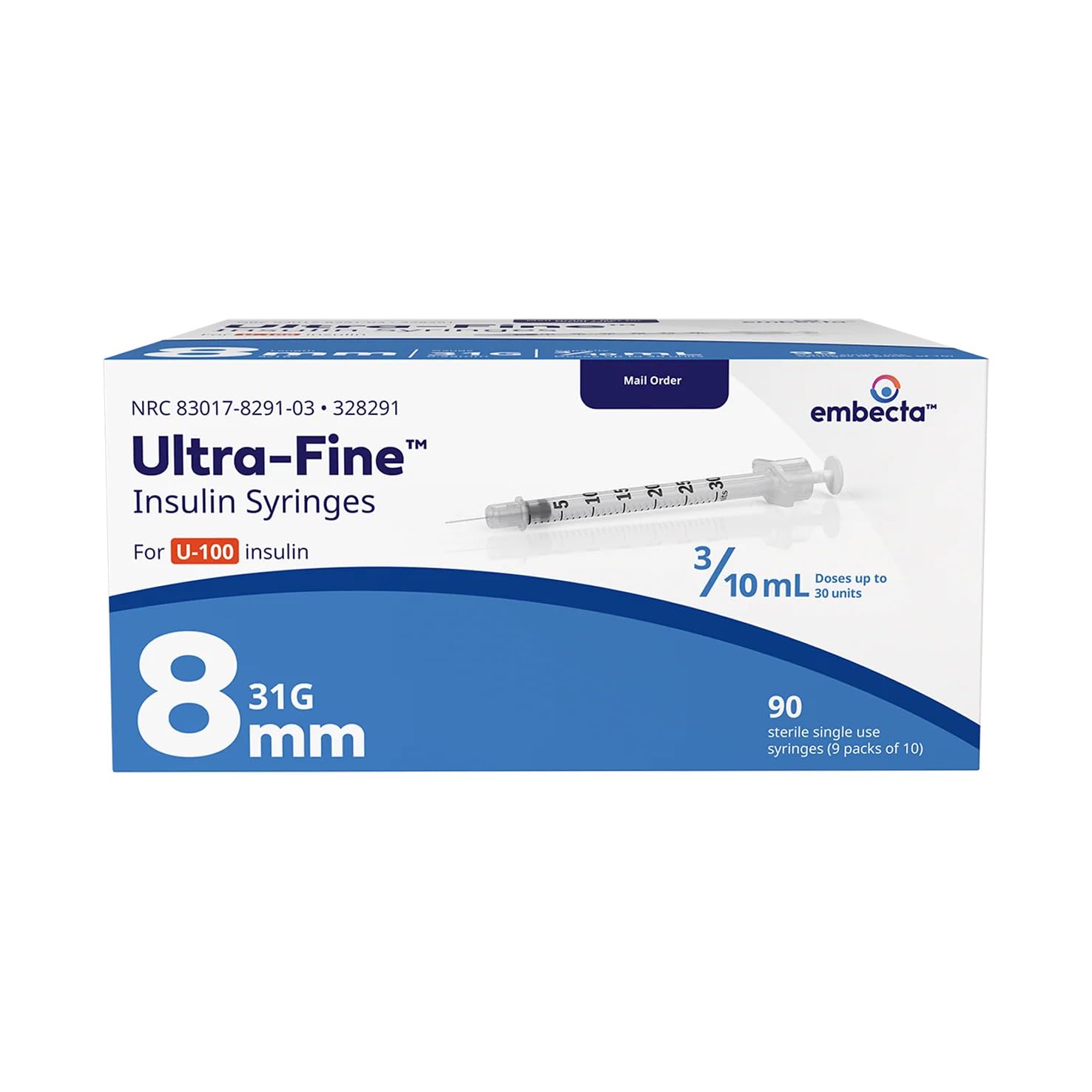
Chonluten dose draw on an insulin syringe

The one cell study. In 2022 an Italian group, working with the Khavinson institute, tested five Khavinson peptides on THP-1 human monocytic cells. The peptides were Epitalon, Vilon, Thymogen, Thymalin and the Chonluten tripeptide. The authors describe Chonluten as derived from bronchial epithelial cells. It inhibited TNF production by monocytes exposed to bacterial lipopolysaccharide. All five peptides lowered TNF and IL-6 in differentiated cells and reduced monocyte adhesion to activated endothelial cells (Avolio et al., 2022, PMID 35408963). This was a dish experiment at fixed concentrations. It gives no basis for a human dose.

The modeling paper. A 2023 computer-docking study from the originating institute ranked EDG among the most effective ligands of the LAT1, LAT2 and PEPT1 transporters. The authors speculated that this transporter binding could relate to antitumor effects reported for EDG and similar peptides (Khavinson et al., 2023, PMID 36979488). It is a modeling result, not a measured effect in tissue.

The broader theory. The developers' model holds that ultrashort peptides enter cell nuclei and shift gene expression by binding DNA and histones (Khavinson et al., 2021, PMID 34834147). It is a single-group hypothesis, demonstrated mostly in vitro.

What is missing. We found no PubMed-indexed study of Chonluten in animals or people, no lung-injury model, and no pharmacokinetic data. Some secondary sources say the developers have also described EDG as a gastric- or stress-protective peptide. We found no indexed study supporting either role, so this guide does not report one.

Chonluten vs Bronchogen, in brief

The two names are often confused because both are sold for the airways.

Chonluten Bronchogen
Sequence Glu-Asp-Gly (EDG), tripeptide Ala-Glu-Asp-Leu (AEDL), tetrapeptide
Indexed evidence One monocyte-cell study plus modeling Rat lung-injury models and bronchial-cell cultures
Bronchial-cell work None indexed Stimulated differentiation markers in aging bronchial epithelial cultures (Khavinson et al., 2012, PMID 22808515)

Our Bronchogen dosing guide covers the tetrapeptide. Its safety evidence is in Bronchogen Side Effects: What the Evidence Shows (2026).

Extract versus synthetic. Chonluten is sometimes described as a bronchial-tissue extract. The 20mg research vial is the synthetic tripeptide. The Khavinson program made tissue-derived polypeptide complexes and short synthetic peptides as separate products, and data on one do not carry over to the other.

Stacking Protocols

Community sources occasionally run Chonluten alongside other Khavinson-family peptides in the same course window. The pairings below are self-reported and have no trial support.

Peptide Community-reported pairing Purpose (as described by community sources)
Bronchogen Same course window The second respiratory-marketed bioregulator, a different molecule
Thymogen Same course window Tested alongside Chonluten in the 2022 monocyte study
Epitalon Sequential or overlapping courses Common longevity-oriented pairing

No Chonluten combination has been studied in animals or people.

Side Effects & Safety

  • No human safety data exist for Chonluten. It is sold labeled "not for human consumption."
  • No animal toxicity study of EDG appeared in our PubMed search, so even preclinical safety is uncharacterized.
  • Injection-site redness or soreness is the effect most often mentioned in self-reported community sources.
  • Long-term effects of repeated courses are unknown.
  • Sterile handling and reconstitution hygiene are the practical concerns community sources raise most often.

Chonluten in-vitro research

mg to Units Conversion

On a U-100 insulin syringe, 1 unit is 0.01mL. The draw depends on how much water went into the vial.

Dilution A: 20mg vial + 2mL BAC water (10mg/mL)

Dose Volume (mL) Units (insulin syringe)
1mg 0.10mL 10 units
1.5mg 0.15mL 15 units
2mg 0.20mL 20 units
3mg 0.30mL 30 units
4mg 0.40mL 40 units

Dilution B: 20mg vial + 1mL BAC water (20mg/mL), a more concentrated mix with smaller draw volumes

Dose Volume (mL) Units (insulin syringe)
1mg 0.05mL 5 units
2mg 0.10mL 10 units
3mg 0.15mL 15 units
4mg 0.20mL 20 units

Only the 2mg row matches the practitioner figure; the other rows are arithmetic reference points, not amounts a cited source reports. These conversions reflect the dilutions documented in community reconstitution protocols. They report how the math is described, not a recommended dosing schedule.

Frequently Asked Questions

What Chonluten dose do practitioner and community sources report?
No clinical trial has set a human dose for Chonluten, the synthetic Glu-Asp-Gly (EDG) tripeptide. A widely circulated practitioner peptide reference puts all Khavinson bioregulators, Chonluten included, on one protocol: a 20mg vial with 2mL of bacteriostatic water and 2mg (20 units) once daily for 30 consecutive days, then two months off, two to three times a year. Self-reported community sources also describe 10-20 day courses. These are reported conventions, not validated doses.
What research exists on Chonluten?
Very little. The main indexed study is a 2022 cell-culture paper from an Italian group working with the Khavinson institute, in which Chonluten reduced TNF release from human monocyte-line cells exposed to bacterial endotoxin. A 2023 molecular-modeling paper from the same institute listed EDG among the peptides that bind best to the LAT1, LAT2 and PEPT1 transporters. Neither study involved animals or people, and neither tested a dose.
How is Chonluten different from Bronchogen?
Both are sold as respiratory bioregulators, but they are different molecules. Chonluten is the tripeptide Glu-Asp-Gly (EDG). Bronchogen is the tetrapeptide Ala-Glu-Asp-Leu (AEDL), and the rat lung-injury and bronchial-cell studies belong to Bronchogen. Chonluten's own evidence is one monocyte-cell study plus modeling work.
Is Chonluten a tissue extract or a synthetic peptide?
The 20mg research vials sold by US vendors contain the synthetic tripeptide EDG, and the 2022 study refers to the Chonluten tripeptide. Some sources describe Chonluten as a bronchial-tissue extract. The Khavinson program made both tissue-derived polypeptide complexes and short synthetic peptides, and data on one should not be read as data on the other.
How do community protocols describe reconstituting a 20mg Chonluten vial?
Community reconstitution notes describe adding 2mL of bacteriostatic water to a 20mg vial for a 10mg/mL concentration, where 2mg is 0.2mL, or 20 units on a U-100 insulin syringe. The mixed vial is described as refrigerated and used within about 28 days. This reports the arithmetic, not a recommended schedule.

References

  1. Avolio F, Martinotti S, Khavinson VK, et al. Peptides regulating proliferative activity and inflammatory pathways in the monocyte/macrophage THP-1 cell line. Int J Mol Sci. 2022. PMID 35408963
  2. Khavinson VK, Linkova NS, Rudskoy AI, Petukhov MG. Feasibility of transport of 26 biologically active ultrashort peptides via LAT and PEPT family transporters. Biomolecules. 2023. PMID 36979488
  3. Khavinson VK, Popovich IG, Linkova NS, et al. Peptide regulation of gene expression: a systematic review. Molecules. 2021. PMID 34834147
  4. Khavinson VKh, Linkova NS, Polyakova VO, et al. Peptides tissue-specifically stimulate cell differentiation during their aging. Bull Exp Biol Med. 2012. PMID 22808515
  5. Khavinson VKh, Anisimov VN. Peptide regulation of aging: 35-year research experience. Bull Exp Biol Med. 2009. PMID 19902107