dosingJuly 13, 2026·7 min read

Thymogen Dosage: What the Research Shows

No modern trial set a Thymogen dose. Russian practice used ~100mcg short courses — here's the reconstitution math and why a 20mg research vial doesn't fit.

Thymogen dosing guide

There is no modern, clinically validated dose for Thymogen. The dose most often cited online traces back to Soviet- and Russian-era pharmaceutical practice — roughly 100 mcg subcutaneously or intramuscularly once daily in short 3-10 day courses, or an intranasal-drop formulation. Below is that convention, the reconstitution and syringe-unit math, and an honest account of why a 20 mg research vial does not line up with a microgram-scale historical dose.

Thymogen is the synthetic dipeptide L-Glu-L-Trp (Glu-Trp, or EW) from the Russian "peptide bioregulator" research program associated with Vladimir Khavinson. Its studied efficacy sits in preclinical work — rodent and in-vitro — and most of the human clinical history belongs to the thymus extract (Thymalin) it was isolated from, not the isolated synthetic dipeptide sold as a research chemical.

Research-context information only. Thymogen is a research peptide. Protocols, doses, and reactions reported below come from published research and self-reported community sources. This article reports what has been documented, not what should be done. Consult a licensed physician for personal medical decisions.

Quick Reference: Protocol

Parameter Detail
Vial 20 mg (research-chemical format)
BAC Water 2 mL
Concentration 10 mg/mL
Documented dose ~100 mcg (historical Russian pharmaceutical convention)
Draw at 10 mg/mL ~1 unit — barely measurable (see conversion below)
Route Subcutaneous / intramuscular; intranasal drops in the original formulation
Timing AM (convention)
Frequency Once daily
Course 3-10 days, sometimes repeated (short-course convention)
Storage Refrigerate, use within 28 days

None of these figures come from a modern controlled trial. The ~100 mcg dose reflects the originator-era Russian pharmaceutical convention for the extract-derived drug, not a dose-finding study of the research-chemical dipeptide. The 20 mg vial that vendors sell is sized for lab aliquoting, not the microgram clinical dose — the two do not match, and that gap is the honest headline of any Thymogen dosing discussion. For the full Thymogen profile and vendor pricing, see our Thymogen peptide page.

Cycling Details

Russian-era sources describe Thymogen as a short-course agent — a 3-10 day run, sometimes repeated a few times a year, rather than continuous daily use. This mirrors the pulsed way Khavinson-program bioregulators were administered in their originators' work. No modern human study has tested any cycling schedule for the synthetic dipeptide, so "a few courses per year" is convention carried forward from the pharmaceutical era, not a validated protocol.

Routes of Administration

Subcutaneous or intramuscular injection is the route the originator literature describes for the injectable formulation after reconstituting the lyophilized powder.

  • Sites: Abdomen or anywhere with subcutaneous fat (SC); larger muscle for IM
  • Volume: ~0.01-0.02 mL at the 10 mg/mL dilution for a 100 mcg dose — an impractically small draw (see conversion note)
  • Intranasal: The original Russian Thymogen also existed as a low-concentration nasal-drop formulation; the research-chemical lyophilized vial is not that product
  • Note: No route has been validated for the synthetic dipeptide in a modern human trial; oral use is not described, as peptides are degraded in the gut
30ml bacteriostatic water vial — 0.9% benzyl alcohol multi-dose
Bac Water Made for Peptides
Don't risk a $300 peptide on generic bac water.
Most cloudy reconstitutions trace back to one thing — and it isn't the peptide. Sterile, non-pyrogenic, 0.9% benzyl alcohol — formulated for peptide reconstitution, not repackaged from generic stock.
0.9% benzyl alcohol Made for peptides 30 mL multi-dose
See why our bac water doesn't ruin peptides
30ml from $18.75 · Ships fast · Code thepeptidecatalog

Reconstitution Quick Reference

Vial Size BAC Water Concentration 100 mcg dose 500 mcg
20 mg 2 mL 10 mg/mL ~1 unit ~5 units

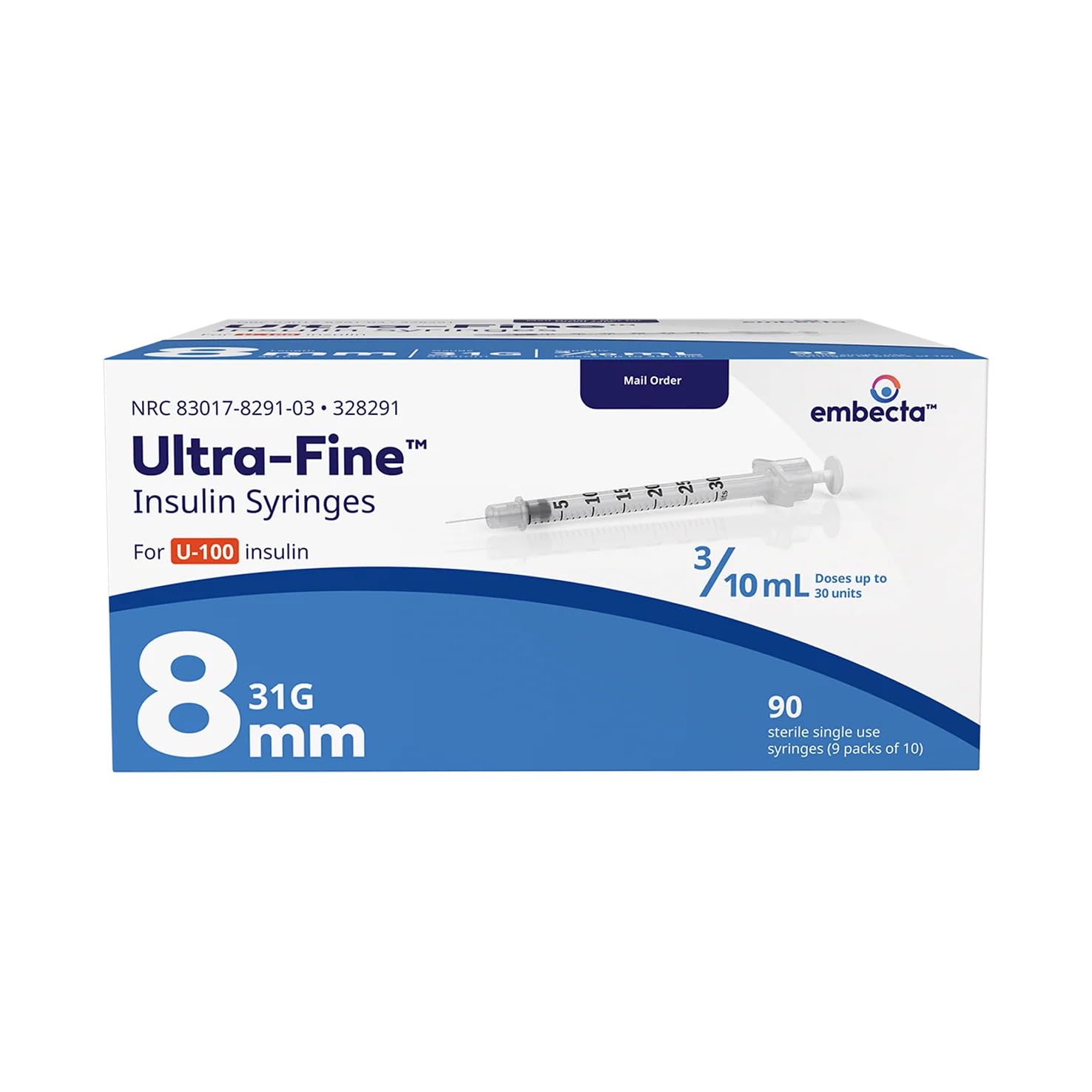
Math: 20 mg / 2 mL = 10 mg/mL. At that concentration, 1 unit on a 100-unit insulin syringe (0.01 mL) holds 100 mcg — so the historical 100 mcg dose is a single, hard-to-measure unit. Diluting less concentrated (more BAC water) is the only way the microgram figures draw at a readable volume; the full walkthrough and vial-size comparisons are in the Thymogen Reconstitution Guide.

Community sources describe gentle swirling — not shaking — with storage at 2-8°C and use within 28 days.

Ready to buy? Compare verified vendors on our best Thymogen sources page, or browse all coupon codes for up to 50% off.
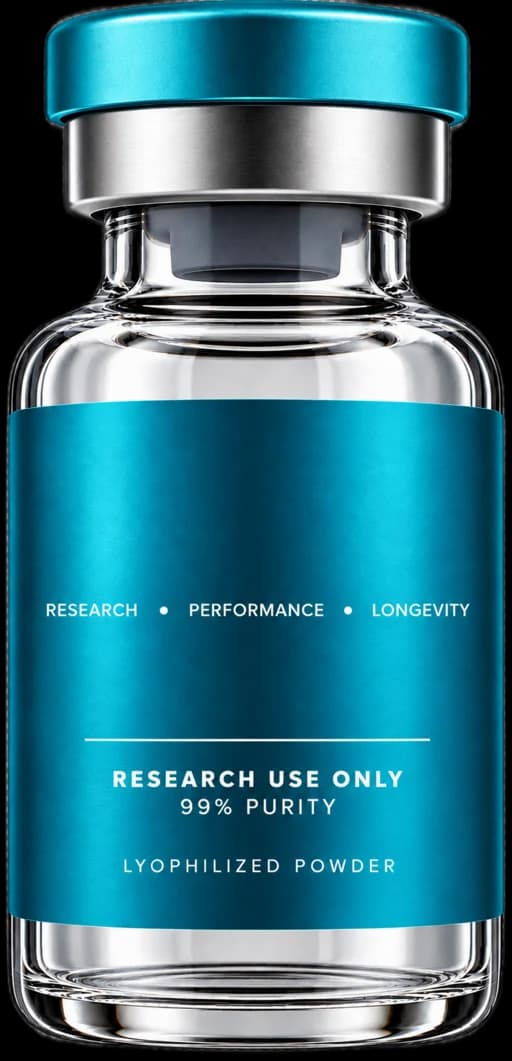
Where to buy Thymogen
One verified, COA-tested Thymogen source
The verified, COA-tested source we track for Thymogen — shipped with a certificate of analysis. Research use only.
COA verified $3.40/mg Swiss Chems
Save 10%THEPEPTIDECATALOGat checkout
Buy at Swiss Chems — $67.95
20mg · sold research-use-only · we may earn a commission

Affiliate disclosure: vendor links in this article are affiliate links — The Peptide Catalog may earn a commission if you buy through them, at no additional cost to you.

Where These Numbers Come From

The ~100 mcg figure is not a modern trial dose — it is a pharmaceutical-era convention, and it is worth being explicit about that.

Thymogen dose draw on an insulin syringe

Thymogen is the isolated synthetic piece of an extract. In a 1997 review, the originator group reported that the immunomodulatory dipeptide L-Glu-L-Trp was isolated from the natural calf-thymus peptide complex Thymalin by reversed-phase HPLC, and a pharmaceutical (Thymogen) was designed from the synthesized dipeptide, which they described as activating T-cell differentiation (Kuznik et al., 1997). The clinical-use history attached to that lineage largely belongs to the extract, Thymalin — not the isolated synthetic dipeptide a research vial contains.

The animal evidence used weight-based dosing, not the human microgram figure. A Khavinson-group study reported that the synthetic dipeptide L-Glu-L-Trp slowed aging markers and lowered spontaneous tumor incidence in rats — total tumor incidence about 1.5 times lower and hematopoietic malignancies about 3.4 times lower than controls, per the authors (Anisimov et al., 2000). Those were the originators' findings in a single-group rodent design; the doses were tied to animal body weight and do not translate into the 100 mcg human convention.

Why the numbers persist anyway: the 100 mcg dose is inherited from the injectable pharmaceutical formulation, while research-chemical vendors sell a 20 mg vial sized for the lab, not the clinic. The convention survives out of habit and product-lineage memory — not because a modern dose-response trial confirmed it. Framing the underlying gene-expression mechanism as settled would also overstate it: that model is a Khavinson-group hypothesis drawn largely from in-vitro work, not a proven human pathway.

Stacking Protocols

The Thymogen research literature studied the dipeptide as a single agent in rodents and cells, not as part of a stack, so there are no study-documented combinations.

Stack Rationale Notes
Thymogen + Thymalin Both trace to the same thymus-peptide lineage (synthetic dipeptide vs parent extract) No controlled data on the pairing; community-reported only
Thymogen + Epitalon Frequently paired in community Khavinson-bioregulator stacks No study data supports the combination

Community sources occasionally describe combining Thymogen with other thymic or longevity peptides, but no controlled data supports any specific combination.

Side Effects & Safety

  • No modern human safety data — there is no modern controlled trial of the synthetic dipeptide, so its human side-effect profile is genuinely unknown
  • Injection-site reactions — the most commonly mentioned issue in community reports (mild redness or irritation)
  • Originators' tolerability claims — Russian-era sources described the pharmaceutical form as well tolerated, but that is an uncontrolled single-group claim, not audited pharmacovigilance
  • Extract-vs-synthetic gap — favorable clinical history largely belongs to the Thymalin extract, not the isolated research-chemical dipeptide
  • Single-group evidence — most published data comes from one research program, which limits independent Western confirmation

Thymogen dilution and dose-range diagram

mg to Units Conversion

On a standard 100-unit insulin syringe, each "unit" equals 0.01 mL (100 units = 1 mL). Because the historical Thymogen dose is measured in micrograms while vials are 20 mg, the draw depends heavily on how much the vial is diluted.

Reconstitution A: 20 mg vial + 2 mL BAC water (10 mg/mL) — the concentrated standard, where 1 unit holds 100 mcg. Microgram doses draw at barely measurable volumes.

Dose Volume (mL) Units (insulin syringe)
100 mcg 0.01 mL ~1 unit
250 mcg 0.025 mL ~2.5 units
500 mcg 0.05 mL ~5 units
1 mg 0.10 mL 10 units

Reconstitution B: 20 mg vial + 4 mL BAC water (5 mg/mL) — more dilute, so the same microgram doses draw at larger, easier-to-read volumes.

Dose Volume (mL) Units (insulin syringe)
100 mcg 0.02 mL ~2 units
250 mcg 0.05 mL ~5 units
500 mcg 0.10 mL 10 units
1 mg 0.20 mL 20 units

These conversions reflect the dilutions documented in community reconstitution math. They report how the math is described, not a recommended dosing schedule.

Frequently Asked Questions

What dose of Thymogen do sources describe?
There is no modern clinically validated Thymogen dose. The historical Russian pharmaceutical convention described roughly 100 mcg given subcutaneously or intramuscularly once daily in short 3-10 day courses, or as intranasal drops. These are originator-era conventions, not figures set by a controlled human dose-finding trial.
Why doesn't a 20mg research vial match the dose?
Research-chemical Thymogen is typically sold as a 20 mg lyophilized vial, while the historical clinical convention was a microgram-scale dose. A 100 mcg dose is about 1/200th of a 20 mg vial, so it draws as a barely measurable 1-2 units on an insulin syringe at common dilutions. That mismatch is exactly why no clean modern dosing convention exists.
Is Thymogen the same as Thymalin?
No. Thymalin is a multi-peptide extract of calf thymus. Thymogen is the single synthetic dipeptide L-Glu-L-Trp (Glu-Trp, or EW) that was isolated from Thymalin and reproduced synthetically. Most of the human clinical use history belongs to the Thymalin extract, not the isolated synthetic dipeptide sold as a research chemical.
Are there modern human dosing trials for Thymogen?
No. The published evidence on the synthetic dipeptide is preclinical — rodent aging and carcinogenesis work plus in-vitro immune assays, largely from a single Russian research program. No modern controlled human trial has established a dose, schedule, or safety profile for the research-chemical form.

References

Citation Topic PMID
Kuznik B, et al., Int J Immunopharmacol (1997) Thymogen (L-Glu-L-Trp) isolated from Thymalin extract; activates T-cell differentiation 9637345
Anisimov V, et al., Biogerontology (2000) Synthetic L-Glu-L-Trp slows aging and inhibits spontaneous carcinogenesis in rats 11707921

This article is for educational and informational purposes only. It is not medical advice. Thymogen is not FDA-approved for any indication and has no modern human clinical-trial data. Consult a licensed healthcare provider before using any peptide.