buying-guideJuly 13, 2026·6 min read

Buy Thymogen: Price, COA & Cost Per Week

Only 1 vetted Thymogen source right now: $67.95 a vial, $3.40/mg. Codes save up to 10%. COA status and real cost per week.

Thymogen buying guide

Thymogen is one of the Khavinson-family "peptide bioregulators" — specifically, the synthetic dipeptide L-glutamyl-L-tryptophan (Glu-Trp). It was originally isolated and then synthesized from the thymus preparation Thymalin, and Russian-language sources describe it as an immunomodulator. For a buyer, the single most important fact is that the research chemical on sale is the short synthetic peptide, which is not the same product as the tissue extract that most of the older human literature was built on.

That distinction shapes everything about how to shop for it. This guide teaches you how to evaluate any Thymogen vendor — reading a certificate of analysis, confirming sequence identity, and thinking about vial size in terms of price and value. It pairs with our Thymogen reconstitution guide for mixing steps and any measurement math, which this buying guide deliberately does not cover.

Research-context information only. Thymogen is a research peptide. Protocols, doses, and reactions reported below come from published research and self-reported community sources. This article reports what has been documented, not what should be done. Consult a licensed physician for personal medical decisions.

This is not a ranked vendor list — for that, see our Best Thymogen Vendors comparison. This guide teaches you how to evaluate any vendor yourself. As an affiliate, we may earn a commission if you buy through a vendor link, at no extra cost to you. That does not change what a COA needs to show.

Understanding Thymogen Pricing

Thymogen is a niche, low-volume research chemical. It does not move in the volumes that BPC-157 or the GLP-1-class compounds do, so it rarely sees the deep multi-vial discount tiers common on those products. Most vendors that carry it list one or two small lyophilized-powder vial sizes rather than a broad bulk ladder.

Two things drive the price you see:

  • Synthesis simplicity. A dipeptide is cheap and easy to synthesize compared with a long-chain peptide, so raw material cost is low. What you are really paying for is quality control, testing, and vendor reliability — not molecular complexity.
  • Low demand. Because it is a niche bioregulator with a small buyer base, per-milligram prices vary more between vendors than they do on high-traffic peptides. That spread is exactly why comparing verified per-mg price across sellers is worth the effort.

For current vendor-specific pricing with exact per-milligram breakdowns, see our Best Thymogen Vendors comparison, which reflects live listings rather than a fixed figure that would go stale.

How to Verify Thymogen Quality
COA verification process

This is the section that matters most for Thymogen, because two separate identity problems can hide behind an identical-looking white powder.

The Extract-vs-Synthetic Caveat

The published evidence base here is split. A comparative animal study by Morozov and colleagues examined natural calf-thymus peptides alongside the synthetic dipeptides (Thymalin, Thymogen, and Vilon), and a Khavinson-group rat study by Anisimov and colleagues reported that the synthetic Glu-Trp dipeptide affected aging markers and spontaneous tumor incidence in female rats. Those are the originators' preclinical and single-group findings — not settled human efficacy, and the mechanism the group proposes (peptide-driven changes in gene expression) is largely a hypothesis studied in vitro.

The practical takeaway for a buyer: much of what people cite for "Thymogen" actually traces back to the tissue extract or to single-lab rodent work. When you buy the research chemical, you are buying the synthetic dipeptide. A COA should confirm you are getting exactly that — the Glu-Trp molecule — and not a mislabeled or under-characterized powder trading on the extract's reputation.

What a COA (Certificate of Analysis) Should Include

Identity Confirmation

  • Mass spectrometry confirming the molecular weight expected for the glutamyl-tryptophan dipeptide
  • A stated sequence (Glu-Trp) matching what the vendor advertises

Purity Testing

  • HPLC purity — look for 98%+
  • An HPLC chromatogram showing a single dominant peak, not a cluster

Contamination Testing

  • Endotoxin (bacterial) levels
  • Residual solvent analysis
  • Heavy-metals screening

How to Verify a COA Is Legitimate

  1. Confirm the COA lists this specific product and a batch/lot number — not a generic template.
  2. Check that the lot number on the COA matches the vial that arrives.
  3. Look for a named third-party lab rather than an unattributed in-house claim.
  4. Cross-check the test date — a COA should be recent, not years old.
  5. Treat it as a red flag if a vendor cannot produce the COA for the exact lot on request.

Red Flags to Avoid

  • No COA, or only a years-old generic one
  • A COA lot number that does not match the shipped vial
  • Purity claims with no HPLC chromatogram attached
  • Identity described only as "thymus peptide" with no Glu-Trp or mass-spec confirmation
  • Marketing that quotes human clinical results without noting they came from the tissue extract
  • A seller unwilling to answer testing questions
Where to buy Thymogen
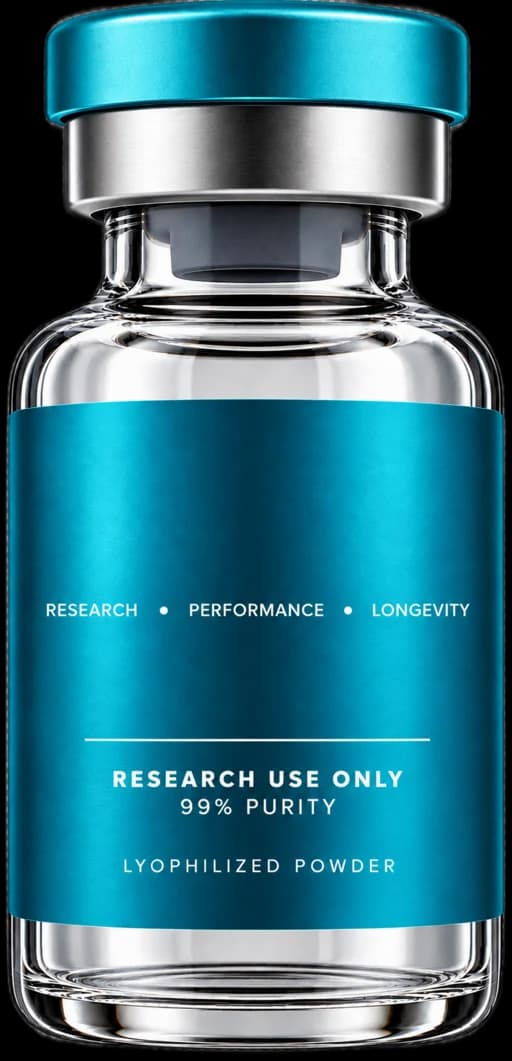
One verified, COA-tested Thymogen source
The verified, COA-tested source we track for Thymogen — shipped with a certificate of analysis. Research use only.
COA verified $3.40/mg Swiss Chems
Save 10%THEPEPTIDECATALOGat checkout
Buy at Swiss Chems — $67.95
20mg · sold research-use-only · we may earn a commission

Choosing the Right Vial Size

Vial size comparison

For Thymogen, vial-size selection is a price-and-value decision, not a dosing calculation — this guide intentionally leaves any measurement math to the reconstitution guide.

Because Thymogen is a low-volume compound, vendors typically stock only a small vial size or two. That means the usual "buy the big vial for a better per-mg rate" logic often does not apply the way it does on high-volume peptides — there frequently is no large bulk tier to step up to.

A few practical points on value:

  • Compare per-milligram price at whatever size a vendor actually stocks. With a narrow size range, the per-mg figure at the listed size is the real lever, not a hypothetical bulk discount.
  • Reconstituted peptide has a limited fridge life. Once mixed, peptides are generally refrigerated and used within about 28 days, so an oversized vial is not automatically a better deal if it cannot be used within that window. The reconstitution guide covers storage windows in detail.
  • Buy enough per order to amortize shipping. On a low-cost niche compound, shipping can be a meaningful share of total cost, so ordering enough to cover an intended research period in one shipment is usually better value than repeated small orders.

The bottom line: pick the lowest verified per-mg price from a vendor with a clean, lot-matched COA, at whatever size that vendor stocks — value on Thymogen comes from testing quality and per-mg price, not from bulk tiers that mostly do not exist here.

Vendor Evaluation Methodology

We weight three factors when ranking Thymogen vendors:

Price Competitiveness (40%)

Verified per-milligram price at the size the vendor stocks.

COA & Testing (30%)

Recent, lot-matched, third-party HPLC plus mass-spec documentation — with the Glu-Trp identity confirmed, given the extract-vs-synthetic confusion around this compound.

Reputation (30%)

Community feedback, shipping reliability, and responsiveness to COA requests.

Shipping and Storage

What to Expect When an Order Arrives

Thymogen ships as a white-to-off-white lyophilized powder in a sealed glass vial, usually with a cold pack. On arrival, the vial seal and crimp should be intact and the powder should look like a solid cake or fine powder, not discolored or liquefied.

Storage Guidelines

State Storage
Lyophilized at room temp Acceptable short-term during transit
Lyophilized, refrigerated Preferred for medium-term storage
Lyophilized, frozen Best for long-term storage
Reconstituted Refrigerate 2-8 C; see the reconstitution guide for the usable window
30ml bacteriostatic water vial — 0.9% benzyl alcohol multi-dose
Bac Water Made for Peptides50% off
Don't risk a $300 peptide on generic bac water.
Most cloudy reconstitutions trace back to one thing — and it isn't the peptide. Sterile, non-pyrogenic, 0.9% benzyl alcohol — formulated for peptide reconstitution, not repackaged from generic stock.
0.9% benzyl alcohol Made for peptides 30 mL multi-dose
See why our bac water doesn't ruin peptides
Ships fast · 50% off with code thepeptidecatalog

Frequently Asked Questions

Is Thymogen legal to buy?
Thymogen (the synthetic dipeptide L-Glu-L-Trp) is sold by research-chemical vendors labeled 'for research use only, not for human consumption.' It is not an FDA-approved product in the United States, so how it may be possessed or used depends on your jurisdiction. This is reporting on how it is sold, not legal advice.
Is Thymogen the same thing as Thymalin?
No, and this is the most important distinction for buyers. Thymogen is a synthetic two-amino-acid peptide (glutamyl-tryptophan). Thymalin is a peptide fraction extracted from calf thymus tissue. Much of the older Russian clinical literature was generated with the tissue extract, not the synthetic dipeptide sold as a research chemical, so a Thymogen COA should confirm the Glu-Trp identity specifically.
What purity should a Thymogen COA show?
Look for a recent certificate of analysis showing 98%+ HPLC purity with a single dominant peak, plus mass spectrometry confirming the molecular weight expected for the glutamyl-tryptophan dipeptide. Because the molecule is so small, mass-spec identity confirmation matters more here than on longer peptides.
Can I buy Thymogen from a pharmacy?
No. Thymogen is not an FDA-approved medication in the United States, so it is not dispensed by prescription at a standard pharmacy. It is sold only through research-chemical suppliers as a labeled research chemical.
What vial size offers the best value?
Because Thymogen is a low-volume niche compound, vendors usually list one or two small vial sizes rather than deep bulk tiers. The practical comparison is per-milligram price at whatever size a vendor stocks, weighed against COA quality — not chasing a large bulk discount that rarely exists for this peptide.
  • Bronchogen Buying Guide — how to evaluate another synthetic Khavinson-family bioregulator, with the same extract-vs-synthetic caveats

References

Citation Topic PMID
Morozov VG, Khavinson VKh, Int J Immunopharmacol (1997) Comparative study of natural thymus peptides and synthetic dipeptides (Thymalin, Thymogen, Vilon) in animal models 9637345
Anisimov VN, et al., Biogerontology (2000) Single-group rat study reporting the synthetic Glu-Trp dipeptide's effects on aging markers and spontaneous carcinogenesis 11707921

This article is for educational and informational purposes only. It is not medical advice and should not be used to diagnose, treat, or prevent any condition. Consult a licensed healthcare provider before using any peptide.